
Traditional Library Shelves
Traditional library shelves bring order and warmth to a room, holding centuries of collected volumes within sturdy timber frames.
Traditional Library Shelves
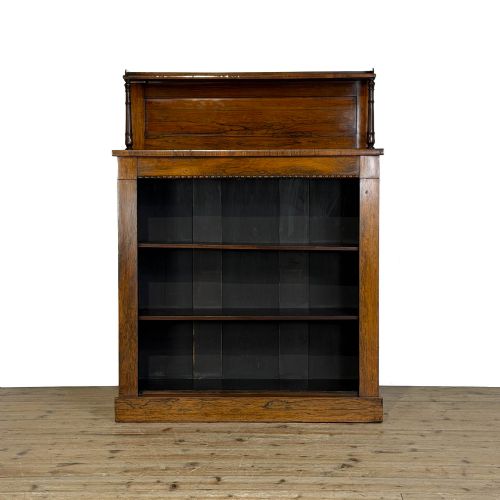
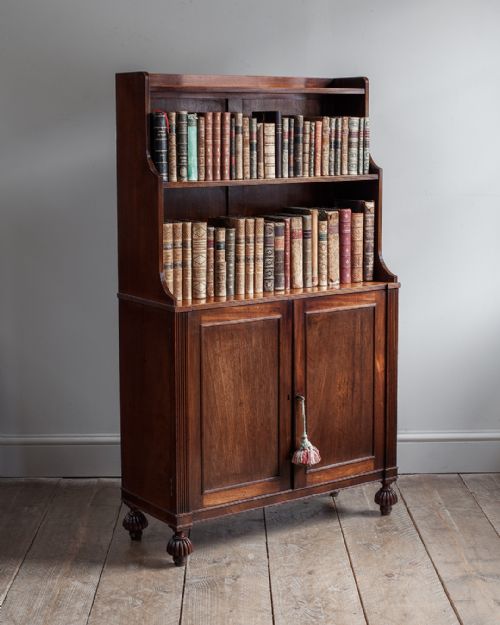
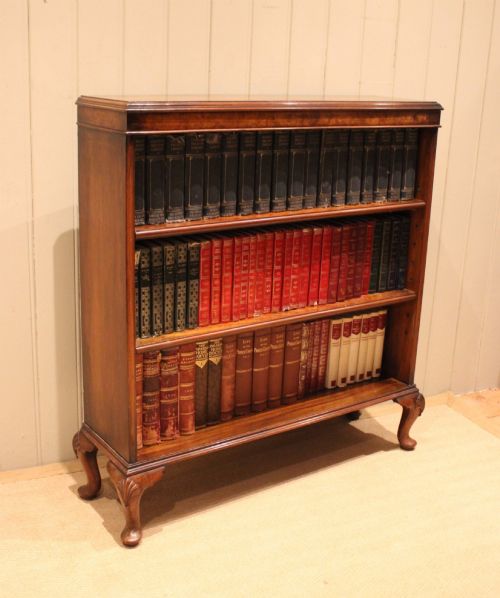
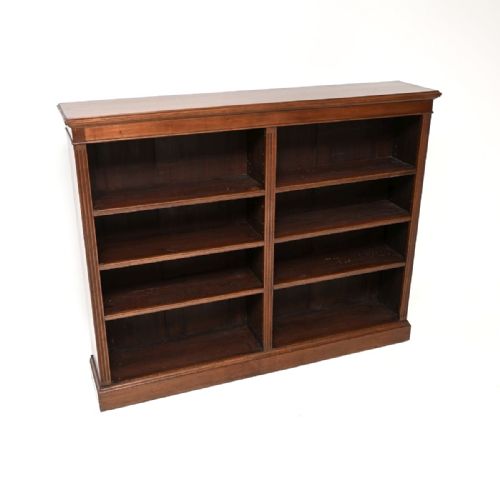
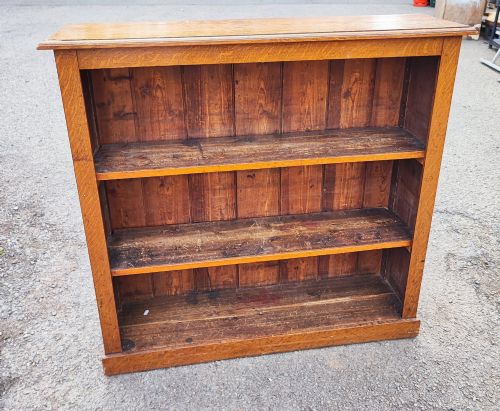
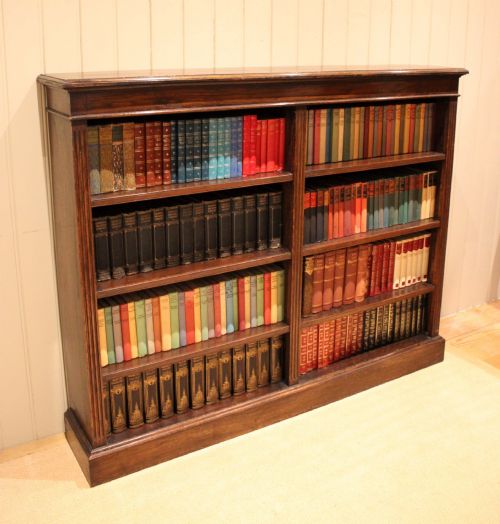
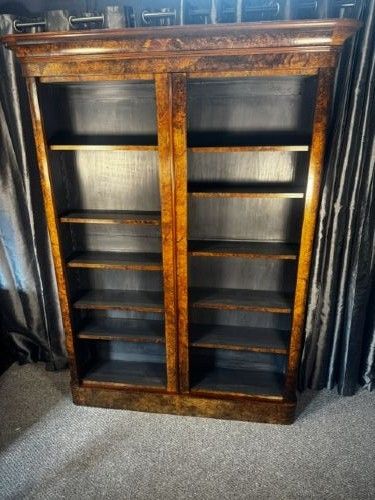
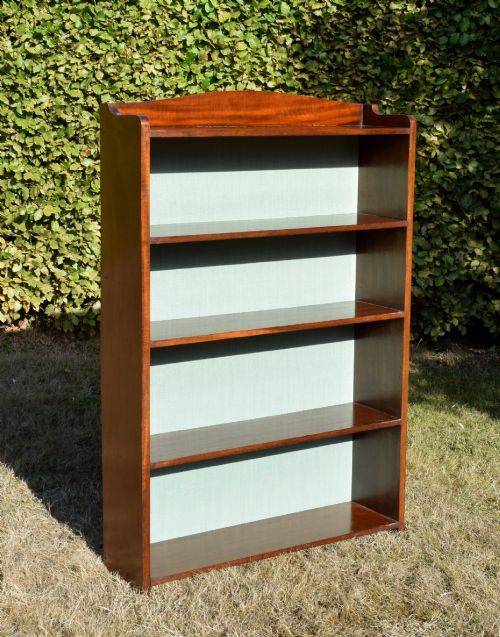
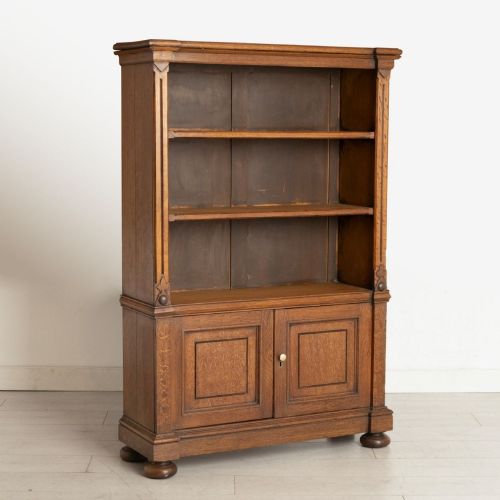
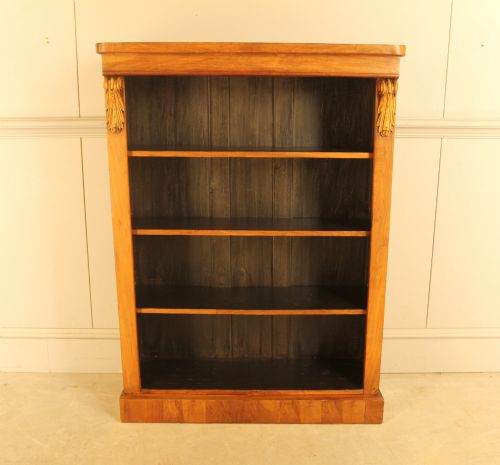
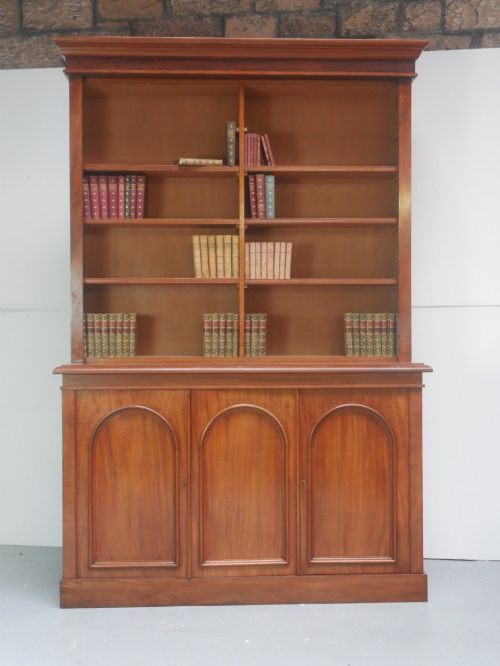
Traditional library shelves form the backbone of any serious study, presenting an organised wall for books and manuscripts. When you search for traditional library shelves, you encounter open bookcases and bookcases with glazed doors spanning several decades.
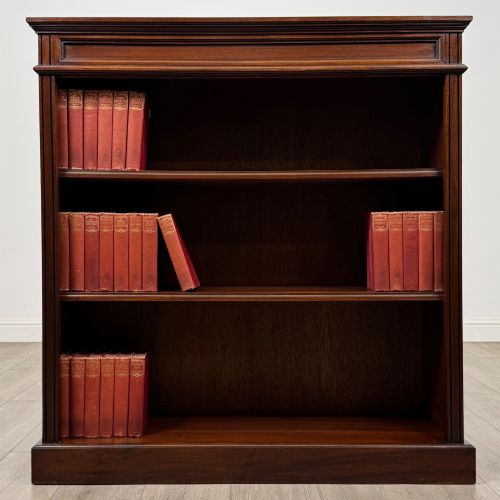
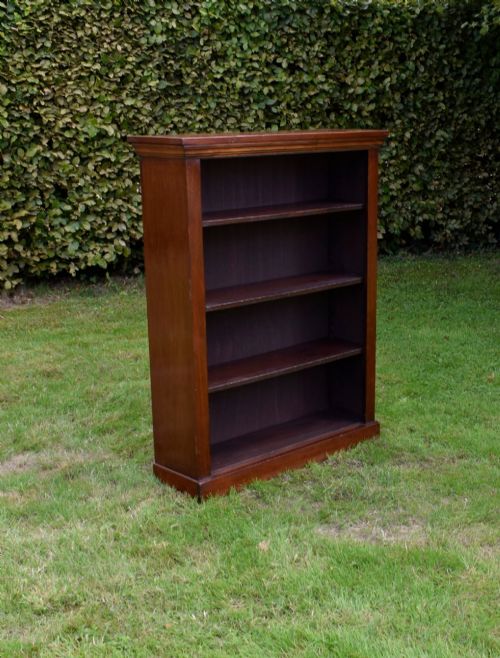
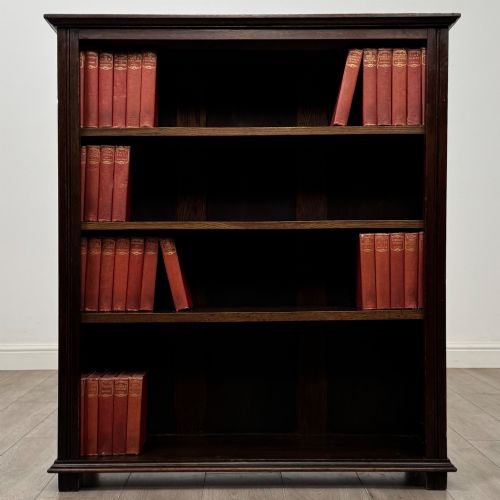
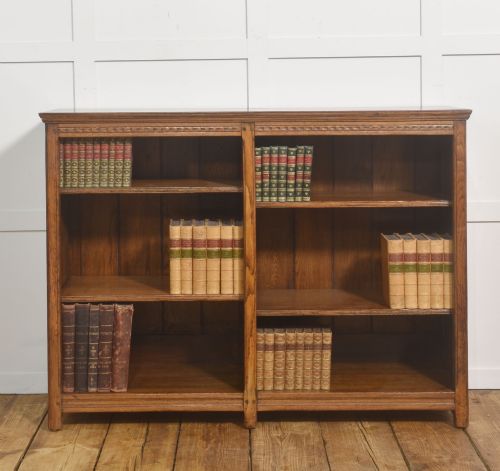
The pieces appearing here stem largely from the Victorian, Edwardian and 19th-century periods, with a few early 20th-century and interwar examples. Open formats predominate, often fitted with adjustable timber planks to accommodate varying octavos and folios.
Makers shaped these storage solutions to suit domestic and institutional interiors alike, ranging from neat compact units to large breakfront configurations. Oak, mahogany and walnut recur constantly across the forms, reflecting the enduring utility of hardwood furniture.
How traditional library shelves were made
Cabinet makers relied heavily on solid mahogany, oak and walnut for the primary structure of these bookcases. Secondary timbers like pine appear on internal partitions and backboards.
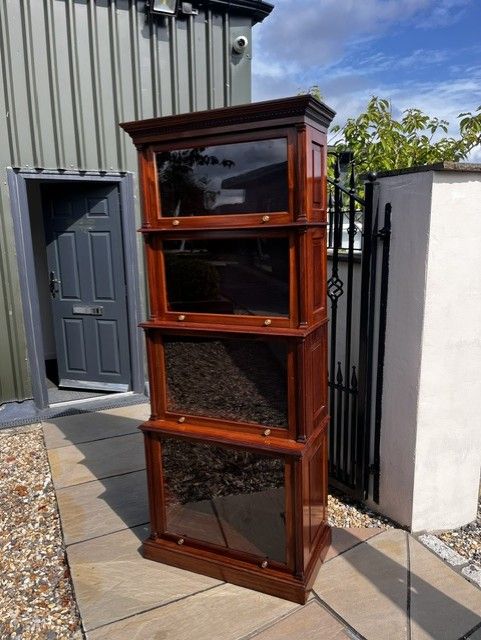
Brass fittings frequently secure the adjustable shelf mechanisms, allowing owners to raise or lower tiers as needed. Glass panels appear on glazed top sections, protecting delicate bindings from dust and moisture.
Some barristers wisely stacked their legal libraries so high they needed a detachable ladder just to reach the morning statutes.
What varies in quality
The calibre of a bookcase rests upon the selection of timber and the precision of its joinery. Superior examples utilise figured veneers such as burr walnut or dense grains of rosewood and mahogany.
Clever mechanical provisions, such as smoothly functioning adjustable shelf brackets and sturdy breakfront construction, separate standard utility pieces from exceptional commissions.
Waring and Gillows
The Traditional Library Shelves Glossary
- Breakfront
- A piece of furniture whose central section projects forward from the flanking wings. This architectural arrangement adds visual depth to large library bookcases.
- Barristers bookcase
- A stackable bookcase featuring glazed doors that lift and slide inward above each tier. These modular units allowed lawyers to transport their libraries easily.
- Adjustable shelves
- Shelves resting on movable pins or ratchet strips rather than fixed supports. This flexibility remains essential for housing books of disparate heights.
- Open bookcase
- A shelving unit without doors across the front. It provides immediate access to the volumes stored within.
Traditional Library Shelves: Frequently Asked Questions
How do I adjust the shelves?
Most traditional library shelves use wooden side ratchets or metal pins inserted into pre-drilled holes along the interior uprights. You simply lift the shelf slightly and reposition the supports to the desired height.
Take care to support both ends evenly when shifting heavy volumes to prevent straining the timber or the internal brackets.
How do I identify a Victorian bookcase?
Victorian pieces typically display deep, rich tones in mahogany, walnut or rosewood, often accompanied by substantial proportions and generous cornices. They frequently incorporate adjustable shelving systems using wooden notches or metal rack strips.
Construction methods from this era involve solid timber framing and hand-cut joinery, visible upon inspecting the interior panels and backboards.
How should I care for timber library shelves?
Maintain the wood by dusting regularly with a soft, dry cloth and applying an appropriate natural wax polish sparingly to nourish the grain. Keep the furniture away from direct heat sources and strong sunlight to prevent the timber from drying out or warping.
Allow adequate air circulation behind the bookcase by leaving a small gap between the backboard and the wall.