

Traditional Landscape Scene
Traditional landscape scene paintings capture rural life and scenery, offering a timeless window into past centuries through canvas and watercolour.
Traditional Landscape Scene
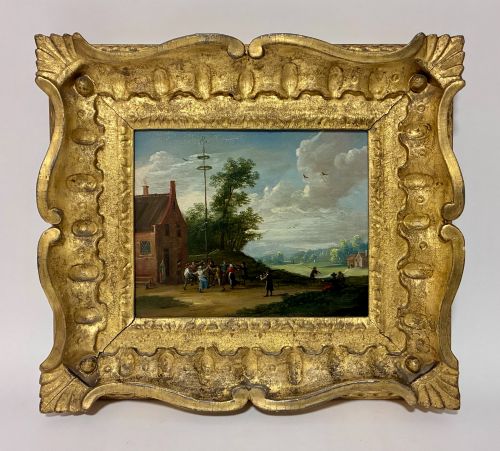
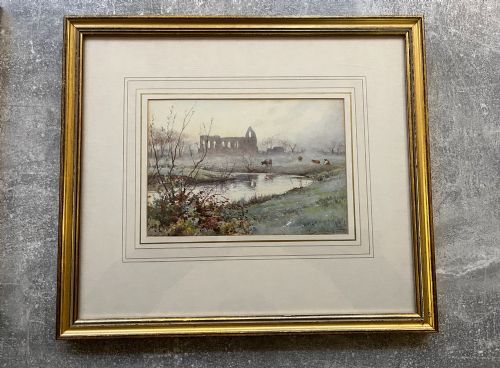
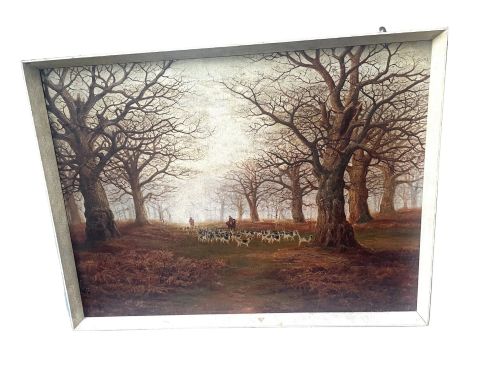
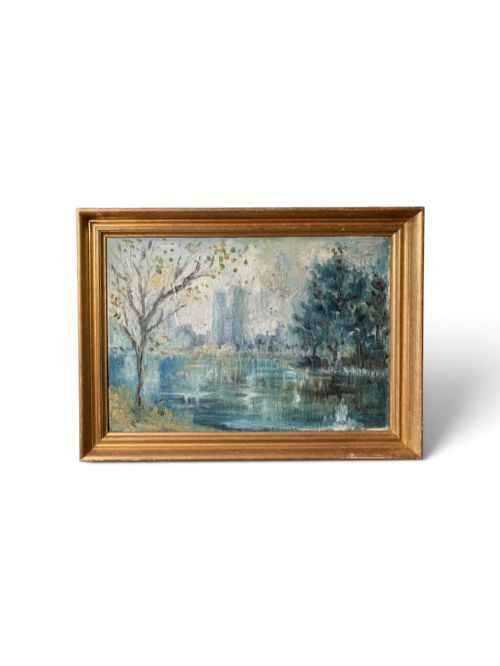
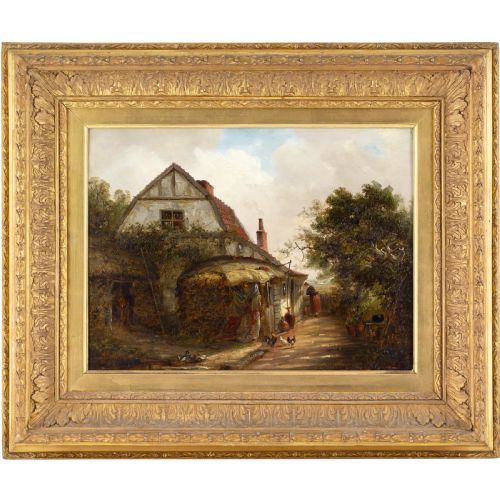
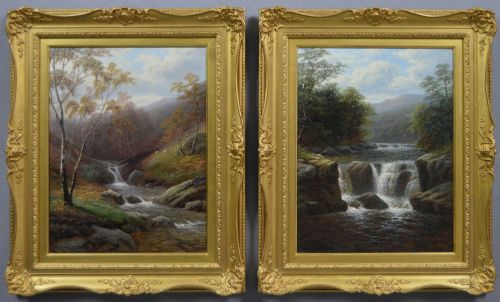
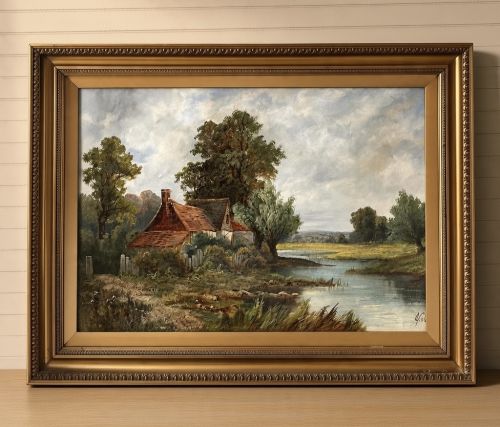
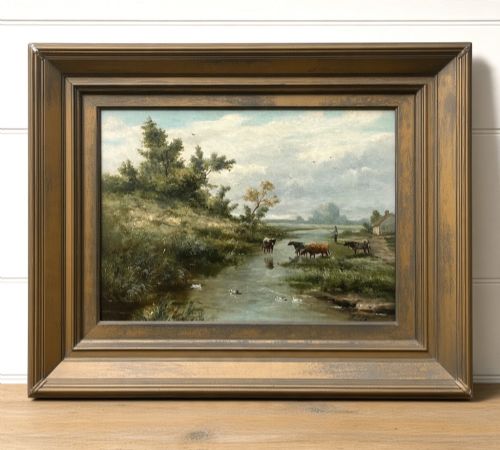
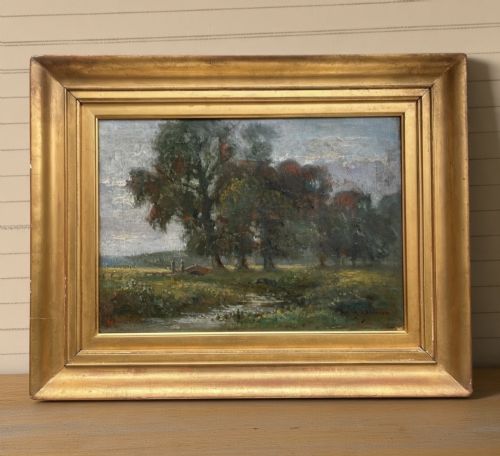
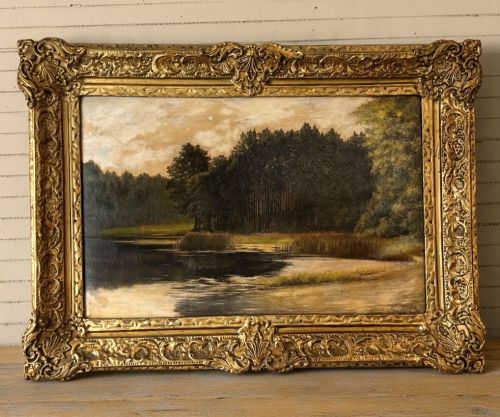
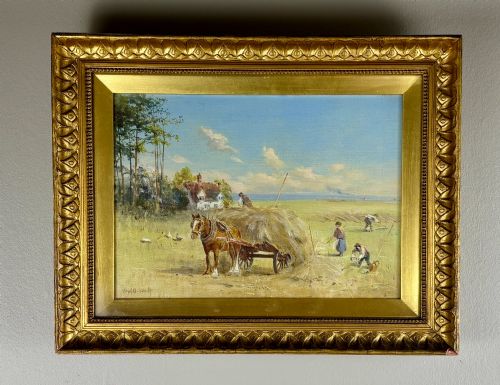
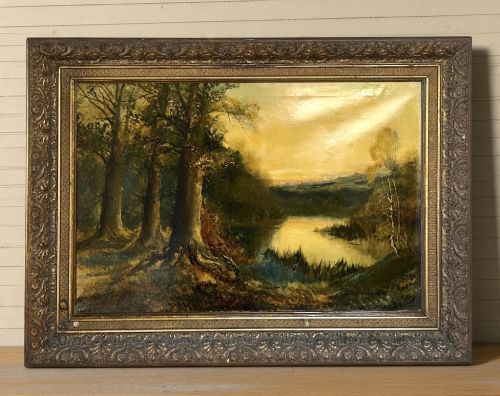
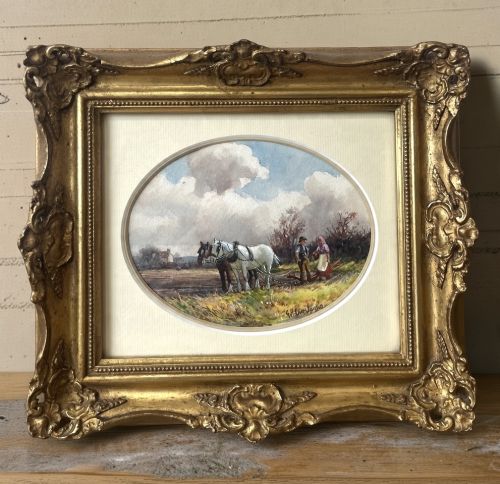
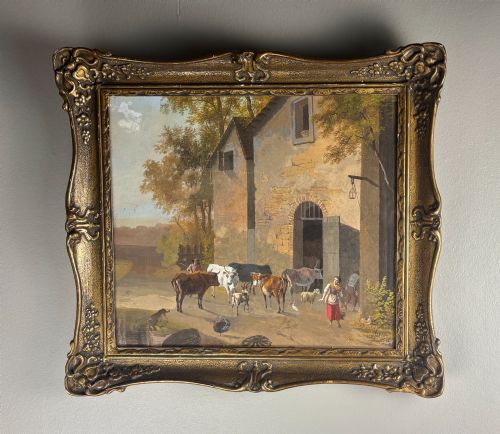
A traditional landscape scene depicts rural views, farmyards, rivers, and coastal settings, often populated by livestock, figures, or cottages. These artworks stem primarily from the nineteenth century through the early twentieth century, encompassing Victorian and Edwardian periods.
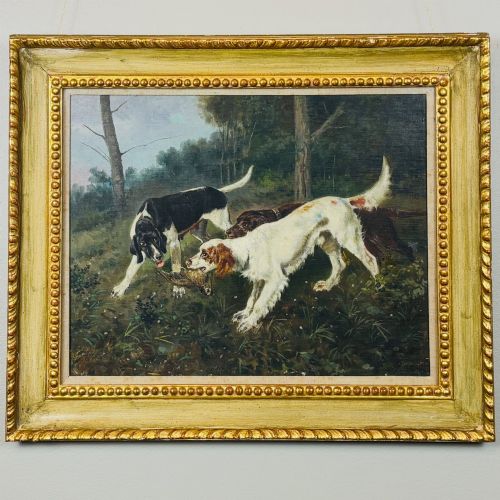
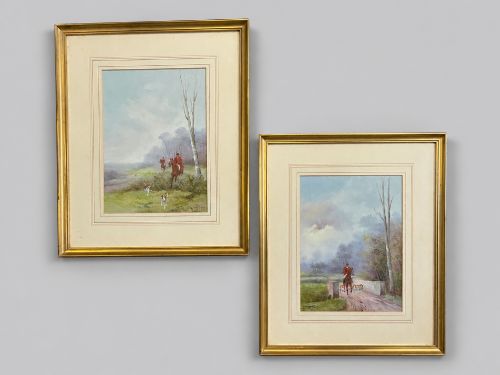
Buyers encounter oil paintings on canvas or wood panels alongside delicate watercolour paintings on paper. Many arrive in period frames, frequently constructed from gilt wood and gesso, ready for wall hanging.
The subjects range from British river valleys and Scottish cityscapes to Dutch-inspired windmills and winter scenes. Artists working within these traditions recorded the countryside with varied regional focus and stylistic influence.
How they were made
Artists painted primarily with oil paint or watercolour, applying medium onto stretched canvas, wooden panels, or paper supports. Oil paints provided rich depth and texture, whilst watercolour allowed for lighter, translucent washes.
Framing played an integral role in presentation, utilising carved wood finished with gesso and gilt layers to house and protect the painted surface.
Traditional Landscape Scene Retail Price Guide 2026
Typical asking prices for traditional landscape scene among the pieces listed under this phrase on Sellingantiques today, from the lower quarter to the upper quarter. They describe what is for sale here now, not the wider market.
Listings feature oil paint, canvas, wood panels, and paper across the nineteenth and twentieth centuries.
What varies in quality
The distinction between average and exceptional works lies in the confidence of the brushwork and the handling of light and atmosphere. Superior examples demonstrate a careful balance of composition and convincing tonal depth.
The clarity of provenance and the reputation of the signed artist elevate certain pieces above anonymous studio output. Material preservation, such as the stability of the canvas and the integrity of the original frame, also influences overall standing.
Thomas Fenwick·Stanley Leader·Robert Gallon·Pieter Cornelis Steenhouwer·William Shayer·Alonso Perez·Thomas Rowden·Samuel Joseph Clark·Hugh Barry-Scott·William Manners·Thomas Smythe·David Bates
The Traditional Landscape Scene Glossary
- Canvas
- A heavy woven fabric stretched across a wooden frame to serve as a durable support for oil painting. It provides the foundational texture visible beneath many historical landscape works.
- Gesso
- A plaster-like mixture applied to wooden frames before gilding or painting. This substance creates a smooth, receptive surface for decorative finishes.
- Watercolour
- A paint consisting of pigment suspended in a water-soluble vehicle, typically applied to paper. It allows artists to achieve luminous washes and fine linear detail.
- Gilt wood
- Timber treated with a thin layer of gold leaf or metallic powder. This finish adds a reflective border that enhances the framed artwork.
- Topographical art
- Depictions that accurately record specific geographical locations and buildings. These pieces served as visual documentation before the widespread use of photography.
Traditional Landscape Scene: Frequently Asked Questions
What periods do these paintings date from?
The works span the nineteenth century and the early twentieth century, incorporating Victorian and Edwardian examples.
Dates often appear within signatures, titles, or framing details recorded by the original creators.
Are these paintings signed by the artists?
Many pieces feature visible signatures, monograms, or attribution markers left by the original painters.
Documentation on the reverse or within historical records sometimes confirms the creator's identity.
What surfaces were used for these artworks?
Artists painted on stretched canvas, wooden panels, and heavy paper supports.
Oils suited canvas and wood, whilst watercolours required stable paper surfaces.
How should I display a framed painting?
Hang the artwork away from direct sunlight and excessive moisture to protect the paint and frame.
Ensure wall fixings adequately support the combined weight of the painting and its wooden housing.