




Traditional Kitchen Furniture
Traditional kitchen furniture brings heavy timber and honest utility to the heart of the home, offering solid surfaces built for daily work.
Traditional Kitchen Furniture
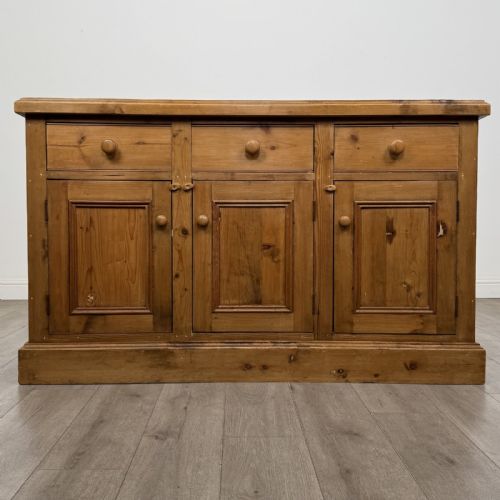
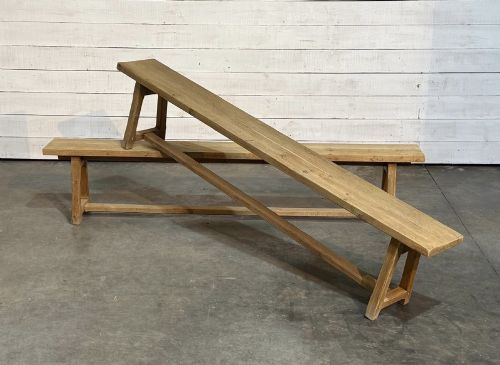
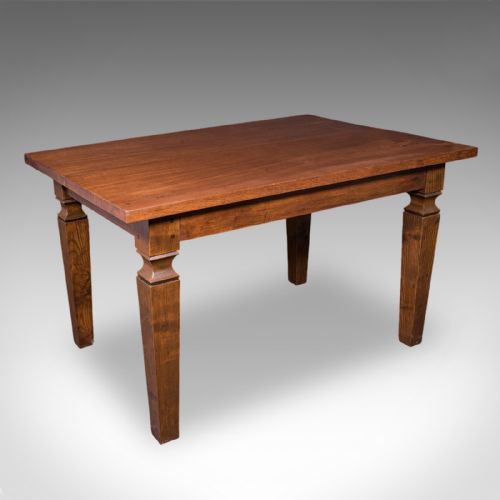
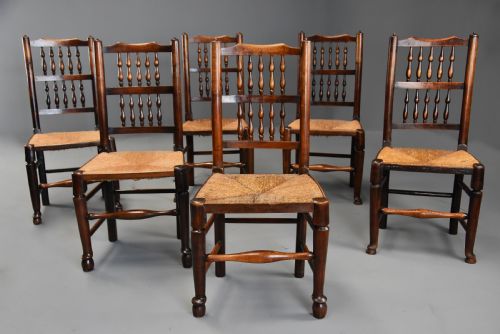
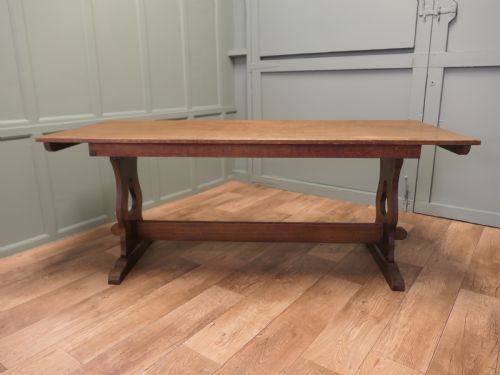
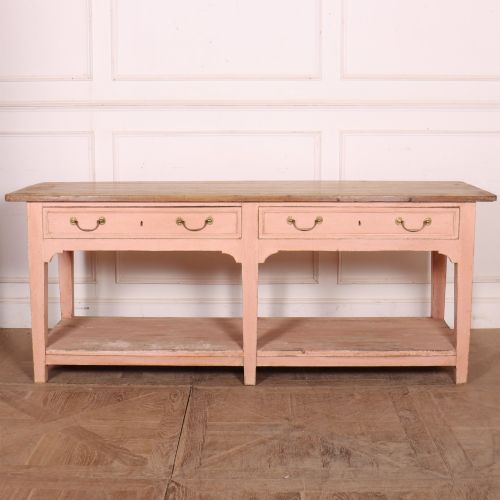
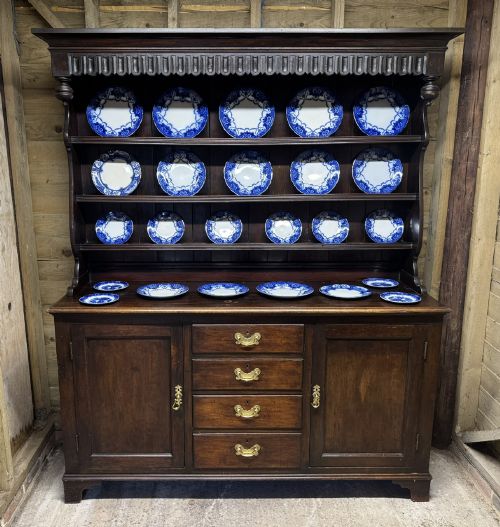
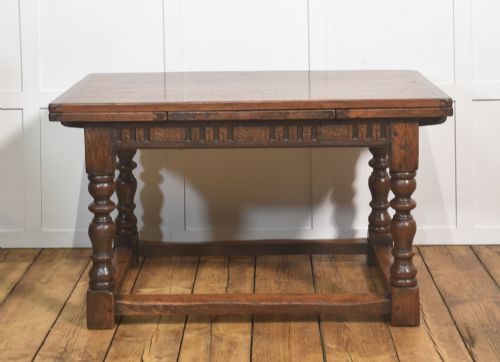
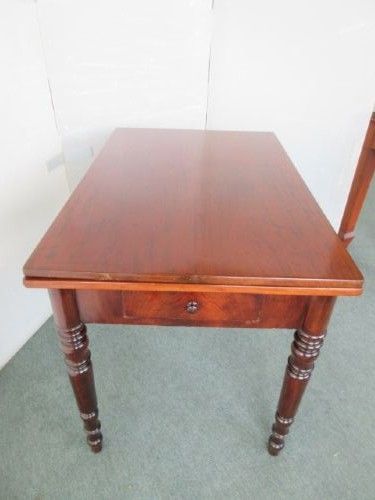
Traditional kitchen furniture encompasses functional wooden pieces designed for food preparation and storage, spanning centuries of domestic work. Buyers searching for traditional kitchen furniture encounter hardworking forms built to withstand daily use in domestic settings. The pieces seen here include sturdy dressers, large dining tables, benches, plate racks, and Windsor chairs.
The versions met most frequently on this page are oak and pine dressers, refectory dining tables, and spindle-back chairs from the eighteenth, nineteenth, and early twentieth centuries. Regional pieces such as Welsh dressers, Scottish dresser bases, and Shropshire cupboards appear alongside French and Swedish tables and benches. These forms reflect the practical needs of past farmhouses, dairies, and country kitchens.
Makers and workshops range from anonymous country joiners to specific firms such as Rushworth's, utilising regional timbers suited to heavy domestic service. Styles span English Country, Rustic Farmhouse, Georgian, and French Provincial, showing regional adaptations in joinery and finish. Buyers find everything from single-plank dining tables to wall-mounted plate racks designed for everyday domestic life.
How they were made
Construction relies heavily on native hardwoods and softwoods, predominantly oak, pine, elm, beech, ash, and walnut, chosen for structural strength and availability. Joinery techniques involve mortise and tenon joints, pegged frames, and single-plank construction for large table tops and dresser bases. Iron and brass fittings provide robust hardware for hinges, handles, and workbench vises.
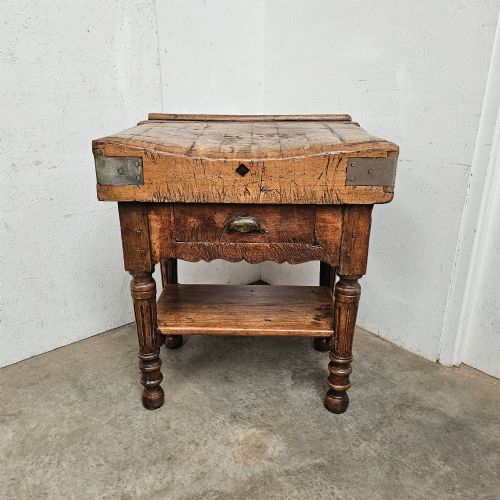
Surfaces exhibit a mix of waxed finishes, natural patinas, and traditional coatings such as Falu paint or blue painted finishes. Turnery appears on chair spindles and legs, while drawers often feature hand-cut dovetails. Benches and tables display the marks of heavy labour, from knife cuts on butchers' blocks to the warm sheen of polished oak.
Traditional Kitchen Furniture Retail Price Guide 2026
Typical asking prices for traditional kitchen furniture among the pieces listed under this phrase on Sellingantiques today, from the lower quarter to the upper quarter. They describe what is for sale here now, not the wider market.
Listings feature woods such as oak, pine, elm, beech, and ash, reflecting regional timber availability across British, French, and Swedish domestic traditions.
What varies in quality
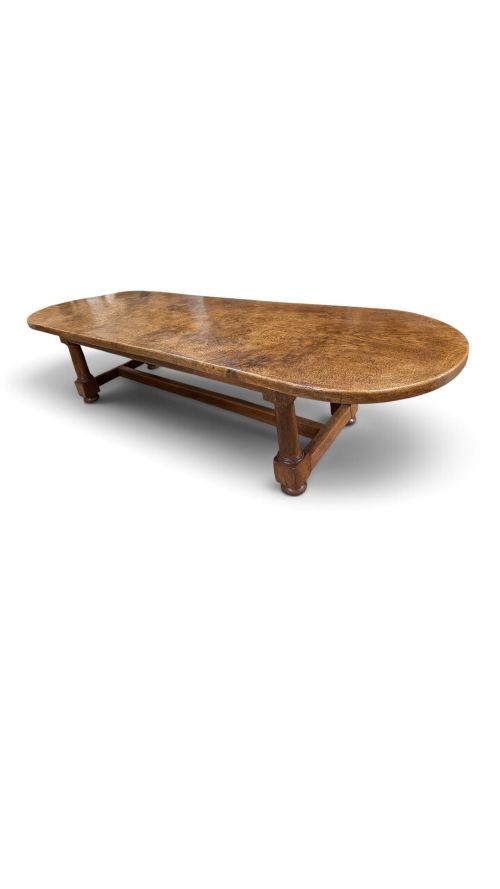
Quality in these domestic pieces rests upon the integrity of the timber selection and the retention of original surfaces. A refectory table fashioned from a single plank of elm or oak commands attention through the grain and the stability of the timber over centuries. Original paint layers, whether Swedish Falu red or blue Victorian pine, elevate a piece when they survive untouched by modern stripping.
Construction depth separates standard utility items from finer vernacular pieces, visible in the weight of the potboards and the crispness of turned spindles on Windsor chairs. The distinction lies between utilitarian workshop replacements and pieces retaining their original hardware, pegged joints, and deep, honest patina earned through active use.
Rushworth's
The Traditional Kitchen Furniture Glossary
- Potboard dresser
- A dresser base featuring a lower open shelf, known as a potboard, used originally for storing pots and pans. This form provides a solid foundation for heavy kitchen utensils.
- Refectory table
- A long, narrow dining table traditionally used in communal dining halls and large farmhouses. These heavy tables often feature stretchers near the floor for added stability.
- Windsor chair
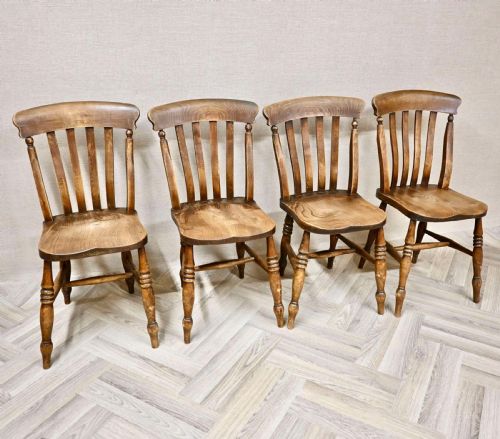
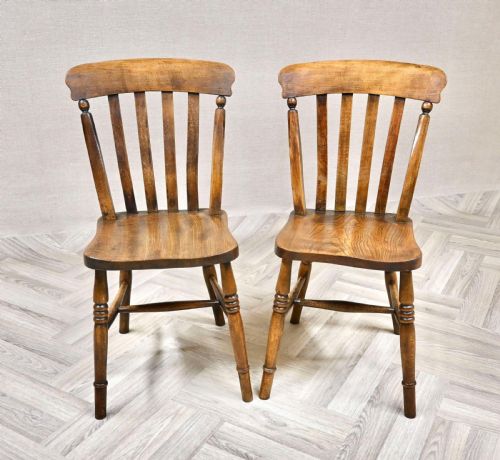
- A wooden chair built with a heavy solid seat into which the legs and back spindles are separately bored and wedged. They utilise combinations of beech, ash, and elm for strength and flexibility.
- Delft rack
- A wall-mounted wooden shelf designed to display plates upright against grooves and protective rails. They keep ceramic tableware visible and accessible in daily use.
- Draw-leaf table
- A table equipped with extension leaves hidden beneath the main top that pull out from either end to expand the surface area. This mechanism allows a compact table to accommodate larger gatherings.
Traditional Kitchen Furniture: Frequently Asked Questions
What is a Welsh dresser?
A Welsh dresser is a traditional kitchen storage unit combining a base cupboard with drawers and an open plate rack fixed on top. These pieces served as the central storage hub for crockery and food preparation in country homes.
Older examples in oak display pegged joints and open potboards beneath, while later pine versions often feature enclosed lower cupboards.
How do I care for antique pine?
Antique pine furniture requires gentle cleaning with mild soap and water, avoiding harsh modern chemical solvents that strip the historic finish. Regular waxing with a traditional beeswax maintains the moisture and deepens the natural patina.
Keep these wooden pieces away from direct heat sources and sudden humidity changes to prevent the timber from splitting.
What is a lath back chair?
A lath back chair is a type of wooden farmhouse seating featuring flat wooden slats, or laths, set into a bentwood hoop or spindle frame. This design offers robust back support for daily kitchen use.
They are typically constructed using durable combinations of beech and elm to withstand heavy domestic labour.
How are refectory tables used today?
Refectory tables function as central dining tables, large desk spaces, or kitchen work surfaces due to their generous proportions and sturdy construction. Their long, narrow profiles suit modern open-plan kitchens and dining rooms.
Pairing them with benches or mismatched Windsor chairs creates an authentic country kitchen aesthetic.