


Traditional Howard Chairs
Traditional howard chairs offer deep-seated English country house comfort, spanning library armchairs, club chairs and chaise longues from the nineteenth century and Edwardian period.
Traditional Howard Chairs
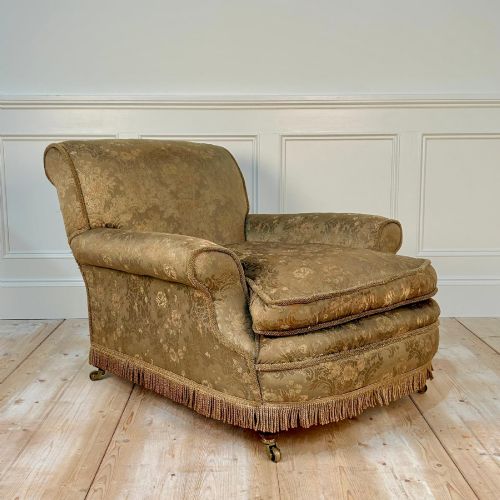
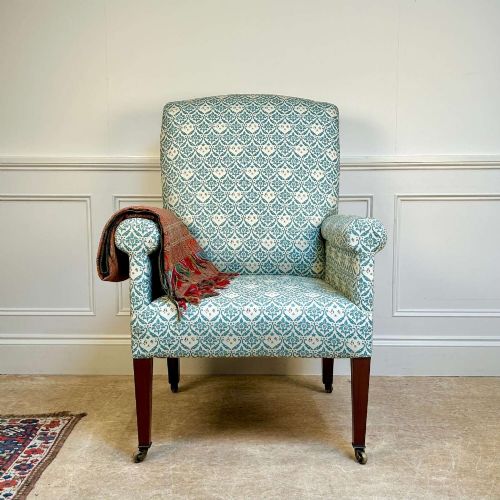
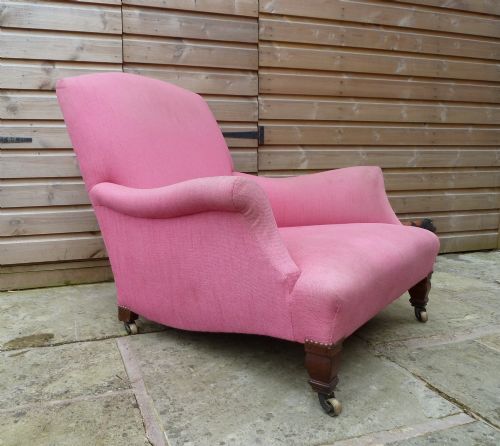
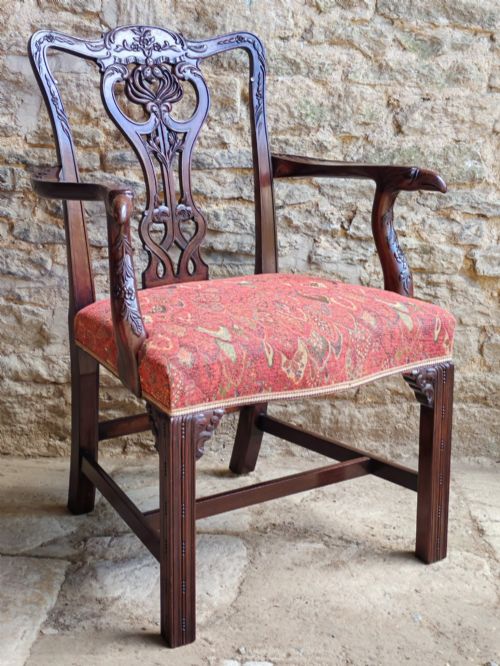
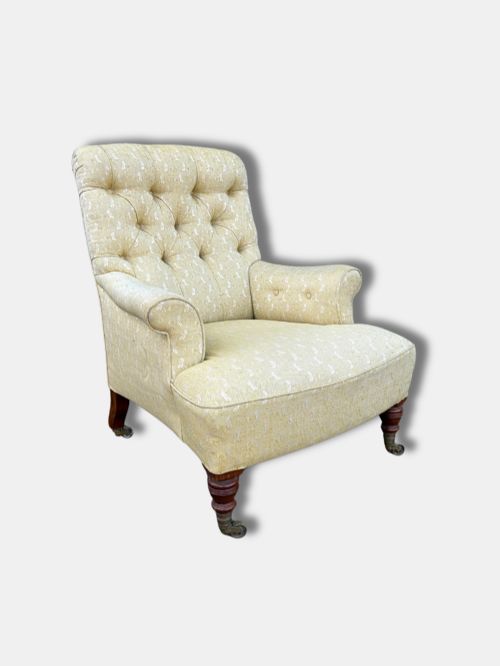
Traditional howard chairs represent the pinnacle of nineteenth-century and Edwardian seating, encompassing armchairs, library chairs, club chairs, and chaise longues designed for deep comfort. Buyers seeking traditional howard chairs encounter pieces ranging from maker-stamped originals to nineteenth-century country house armchairs built in the distinctive low-slung, generous proportioned style.
Dating primarily from the eighteen-fifties through the early twentieth century, these seats reflect the evolution of English domestic comfort. The form prioritises ergonomics through low seats and supportive backs, making them a staple of traditional country house interiors.
Materials and construction
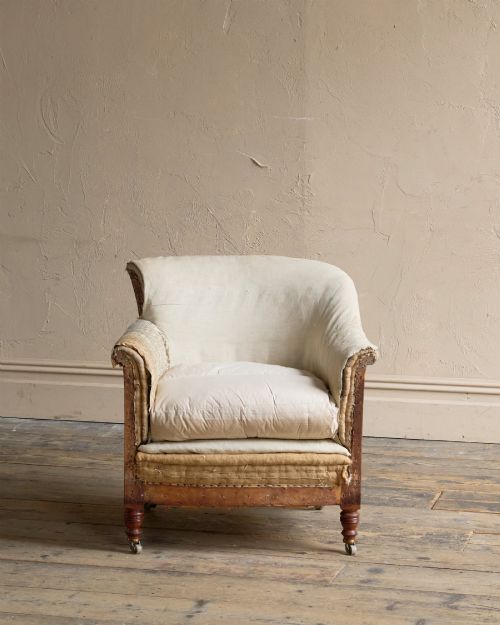
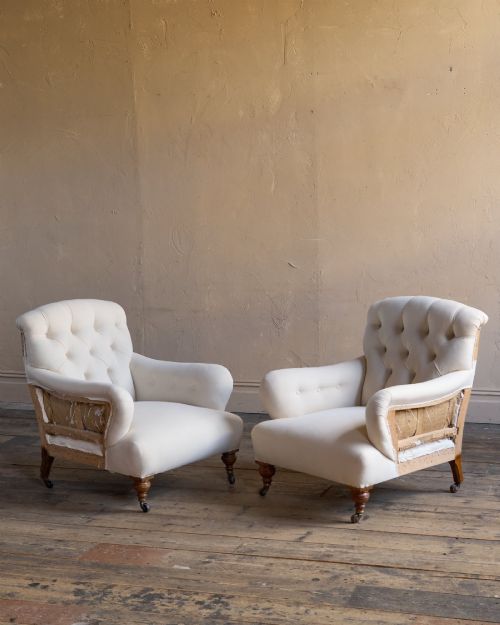
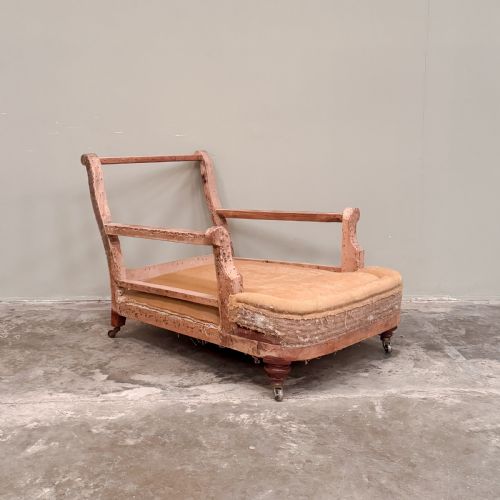
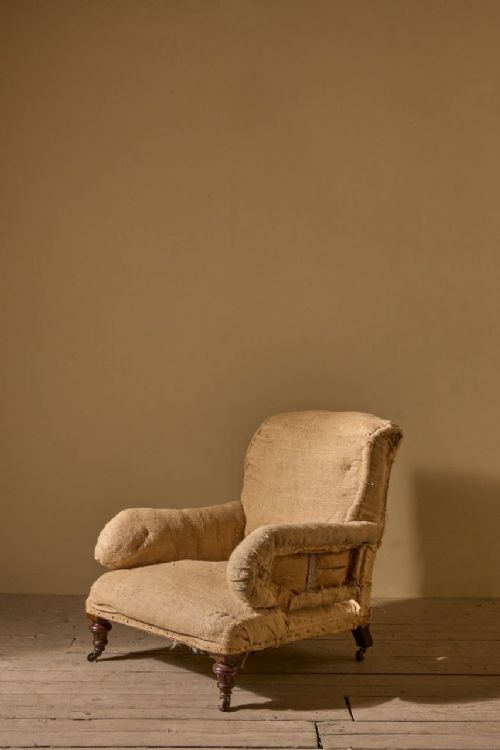
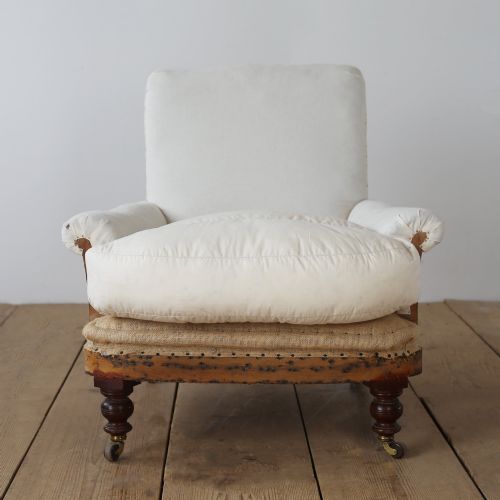
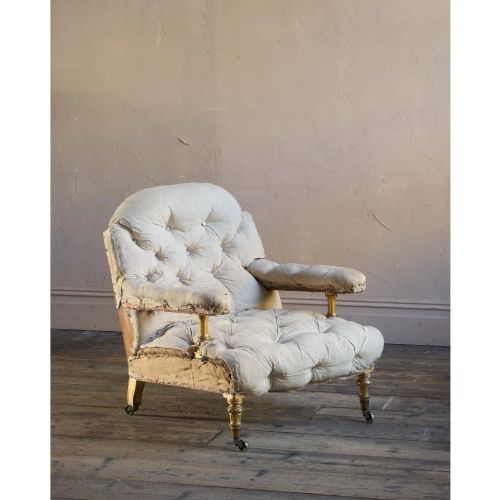
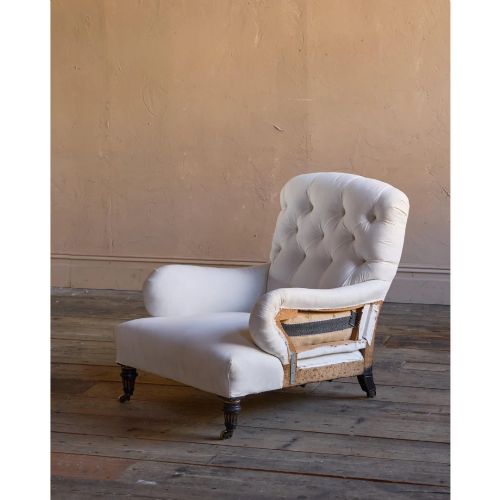
Construction relies upon sturdy timber frames made from mahogany, walnut, and general hardwood timber, providing a resilient internal skeleton. Traditional upholstery techniques utilise hessian, calico, and robust fabric layers over coiled springing systems to achieve the characteristic deep resilience.
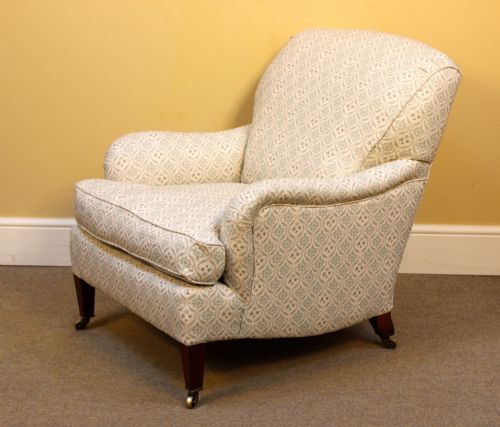
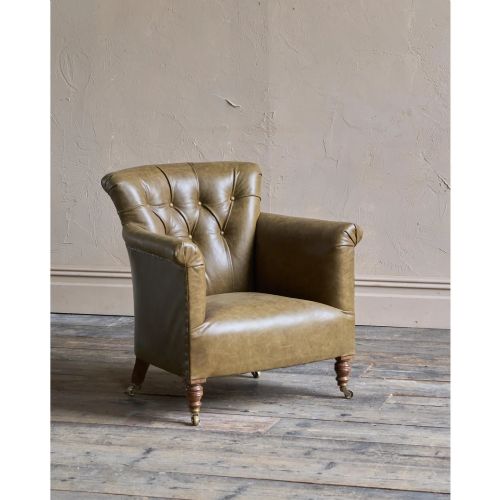
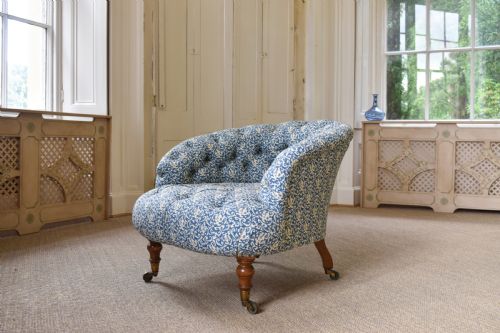
Undercarriages frequently incorporate turned wood or mahogany legs, occasionally fitted with brass castors for mobility, while more elaborate iterations display aesthetic movement legs or claw and ball feet. Leather upholstery in green or ivory appears alongside standard textile coverings, fastened securely to the internal wooden framework.
Traditional Howard Chairs Retail Price Guide 2026
Typical asking prices for traditional howard chairs among the pieces listed under this phrase on Sellingantiques today, from the lower quarter to the upper quarter. They describe what is for sale here now, not the wider market.
The inventory records specific named models including the Bridgewater, Ingleby, Woodstock, and Ennismore.
Judging quality and proportion
Quality rests upon the integrity of the internal frame and the authenticity of the maker's stamp or paper label, which distinguishes documented workshop output from general contemporary interpretations. Original nineteenth-century pieces demonstrate superior joinery and timber selection, using solid mahogany or walnut for structural elements.
Proportion and scale dictate visual success, with superior examples offering generous depth and balanced arm contours that define the classic silhouette. The retention of original upholstery foundations, including traditional hessian and webbing beneath the outer fabric, preserves the intended seating posture and historical integrity.
Howard and Sons·Trollope and Sons
The Traditional Howard Chairs Glossary
- Howard Style
- A design descriptor denoting deep-seated English armchairs with low arms and generous cushioning, originating in the nineteenth century. These pieces replicate the comfort and proportions popularised by the prominent Victorian upholstery firm.
- Bridgewater Armchair
- A specific model of comfortable armchair featuring low, rolled arms and a deep seat base. This form remains one of the most recognisable shapes associated with traditional London workshops.
- Calico
- A plain-woven unbleached cotton textile historically used as the inner upholstery lining beneath top fabrics on better quality seating. It provides a durable foundation layer for traditional stuffing materials.
- Hessian
- A coarse woven fabric made from jute fibres, employed extensively in traditional frame webbing and spring containment. Its strength ensures long-term stability for deep-sprung seating.
- Castor
- A small wheel fitted to the base of furniture legs to permit easy movement across carpets and flooring. Many nineteenth-century library and club chairs utilise brass castors fixed to wooden legs.
Traditional Howard Chairs: Frequently Asked Questions
How do I identify a true maker mark?
Genuine pieces often bear stamped numbers on the back legs, alongside paper labels hidden beneath the upholstery lining or stamped manufacturer details on the brass castors. These physical markings confirm factory origin.
Absence of a stamp does not invalidate a piece, as many high-quality workshop alternatives and regional interpretations were produced in the same aesthetic without direct factory branding.
What defines the classic country house proportion?
Traditional examples feature notably low-set seats paired with wide, deep cushions and low, scrolling arms designed for relaxed lounging. The overall stance is substantial yet understated.
This generous scale requires adequate floor space within a room, typically serving as a central focal point rather than a secondary corner seat.
How should I care for leather upholstery?
Leather-covered variants require regular dusting with a soft, dry cloth and occasional treatment with appropriate conservation balms to prevent drying and cracking. Maintaining stable humidity levels protects the hide.
Avoid placing these seats near direct heat sources or strong sunlight, which can fade green or ivory leather finishes and degrade the underlying timber frame.
Can these chairs suit modern interior spaces?
Their neutral silhouettes and classic proportions allow them to anchor contemporary living rooms or studies alongside minimalist furniture. The emphasis on comfort bridges historical design and modern relaxation.
Pairing a deep club chair or library armchair with clean architectural lines creates a balanced room that highlights the craftsmanship of the nineteenth-century frame.