



Traditional Highchair
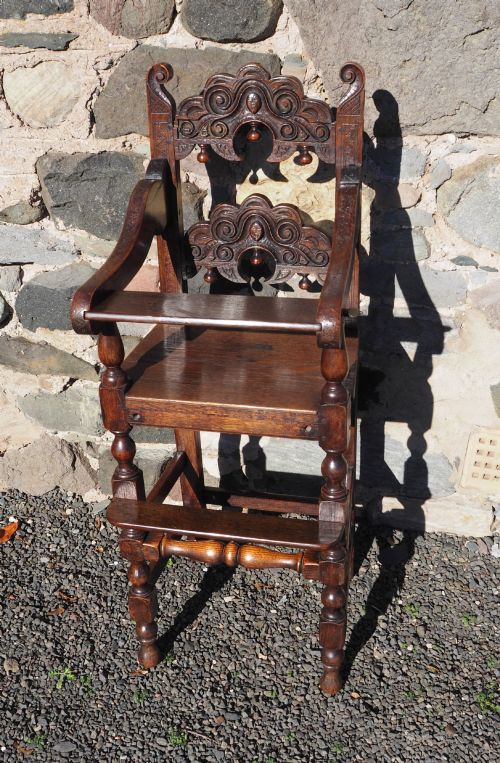
A traditional highchair brings centuries of domestic history into the home, offering sturdy elm and mahogany seating built for the nursery.
Traditional Highchair
A traditional highchair provides elevated seating for young children, taking forms from simple vernacular stools to elaborate armchairs mounted on stands. When you search for a traditional highchair, you encounter utilitarian seating designed to keep a child safe and level with the family table.
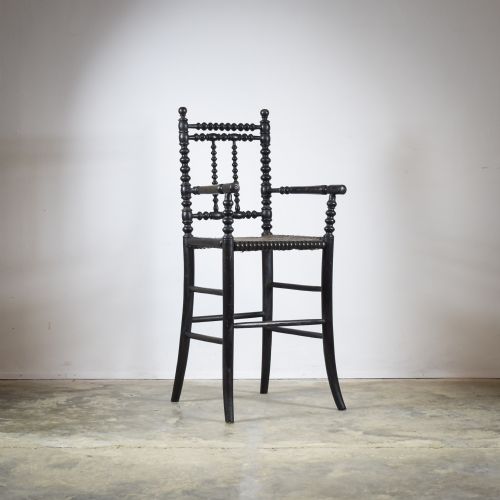
The examples gathered here span the Georgian, Regency, and Victorian periods, alongside continental folk art variations. Elm, mahogany, and ebonised wood dominate the selection, often featuring caned panels or upholstered pads.
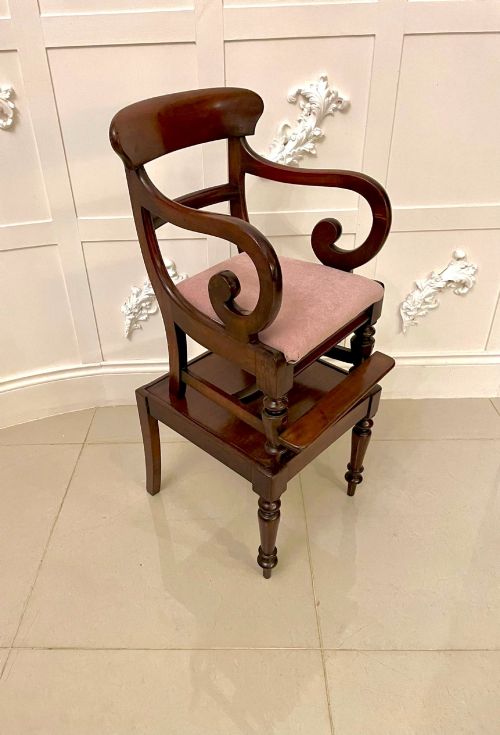
Simpler rustic pieces sit alongside sophisticated William IV mahogany designs with convertible stands. Each piece demonstrates how earlier generations adapted adult furniture scales for domestic child-rearing.
How they were made
Cabinet makers and vernacular joiners utilised solid hardwoods such as mahogany and elm to withstand heavy nursery use. Turned wooden components, including bobbin-turning and spindle supports, provide structural rigidity.
Caning and leather upholstery furnish the seats, while painted surfaces appear on continental folk art pieces. Joinery methods rely on traditional mortise and tenon construction to ensure stability.
Traditional Highchair Retail Price Guide 2026
Typical asking prices for traditional highchair among the pieces listed under this phrase on Sellingantiques today, from the lower quarter to the upper quarter. They describe what is for sale here now, not the wider market.
Several chairs include ingenious convertible stands that transformed a towering nursery seat into a modest armchair for the floor.
What varies in quality
Quality rests in the choice of timber and the sophistication of the joinery rather than mere age. Selected mahogany and finely turned ebonised frames represent the upper tier of craftsmanship.
Vernacular elm and rustic folk art pieces prioritise robust utility over refined cabinet work. The presence of original caning and integrated stands further elevates a piece within its respective style.
The Traditional Highchair Glossary
- Bobbin turned
- A style of turning wood on a lathe to create a series of rounded, bead-like shapes resembling bobbins of thread. This decorative technique appears frequently on 19th-century frames.
- Caning
- Woven rattan or split cane used to form breathable seat panels. It requires skilled hand-weaving around the chair rails.
- Vernacular
- Everyday objects made by local craftsmen following regional traditions rather than formal academic styles. Rustic furniture often falls into this descriptive category.
- Ebonised
- Wood treated with a chemical stain or black finish to imitate expensive ebony. It enjoyed considerable popularity during the Victorian era.
Traditional Highchair: Frequently Asked Questions
How were traditional highchairs used?
These chairs elevated young children to table height for family meals while keeping them safely contained.
Some sophisticated models featured detachable stands, allowing the seat to function at floor level once the child grew older.
How do I date a highchair?
Dating relies on examining the timber species, turning styles, and construction methods characteristic of periods like the Georgian era or the 19th century.
Stylistic markers such as bobbin-turning or painted continental folk art motifs provide further chronological clues.
Are these highchairs safe for modern children?
Antique highchairs were built to historical safety standards and lack modern harnesses or contemporary stability certifications.
Collectors generally acquire them as decorative display pieces or historical artefacts rather than for daily nursery use.
What woods were commonly used?
Cabinet makers utilised dense hardwoods like mahogany for formal Regency and Victorian pieces to ensure durability and a fine finish.
Simpler vernacular items relied on native timbers such as elm, valued for its resistance to splitting under stress.