



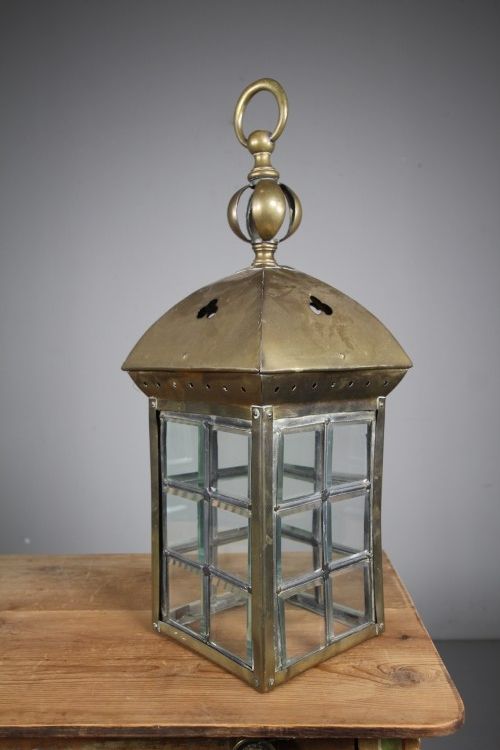
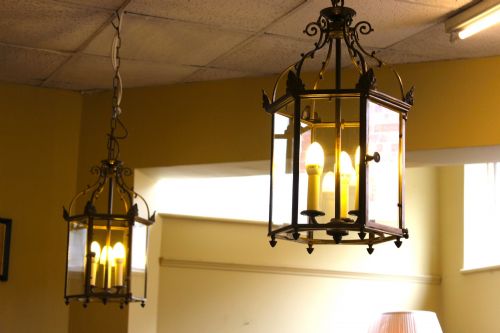
Traditional Hanging Lamp
A traditional hanging lamp brings character and warm illumination to high ceilings, drawing the eye upwards through finely worked metal and glass.
Traditional Hanging Lamp
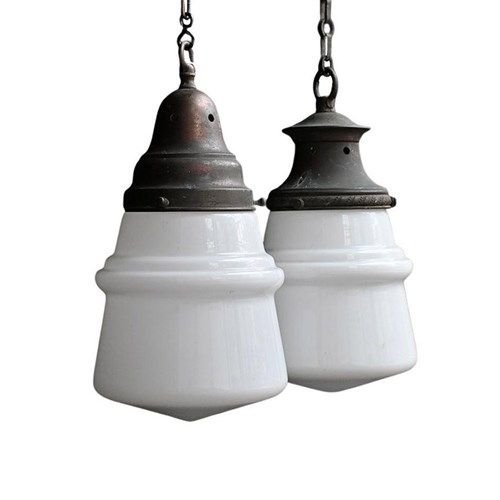
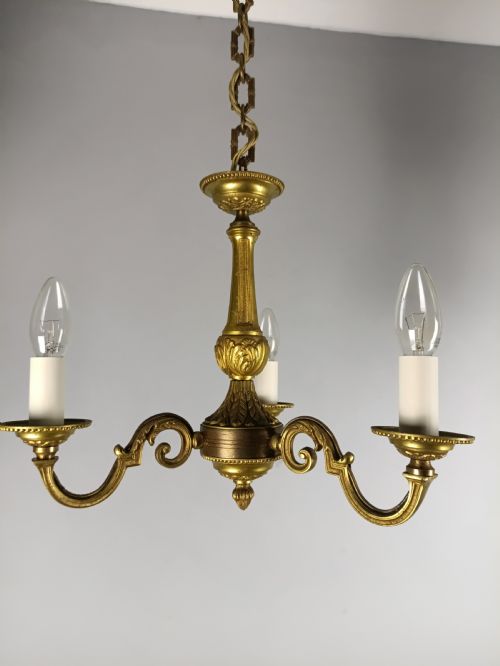
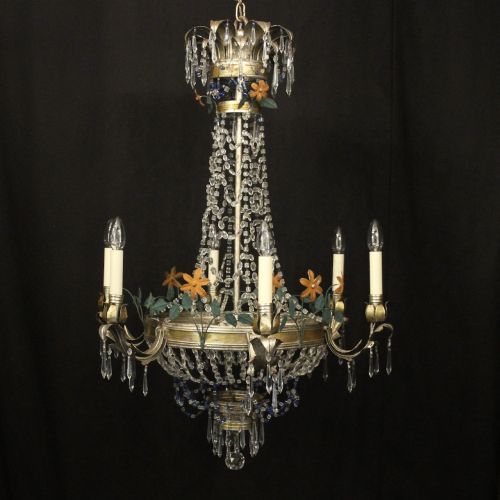
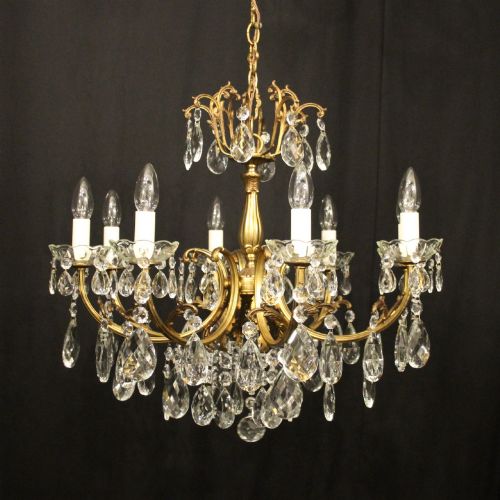
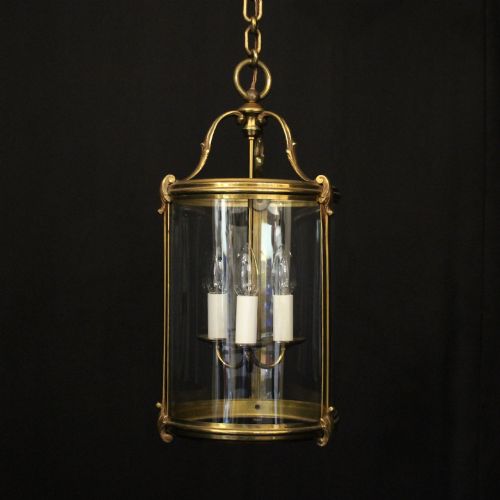
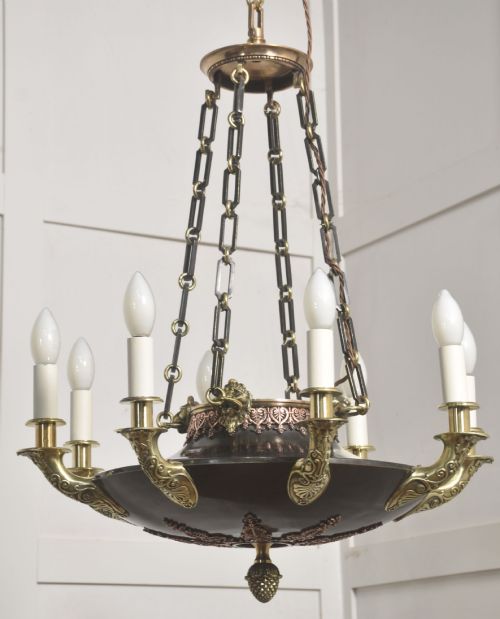
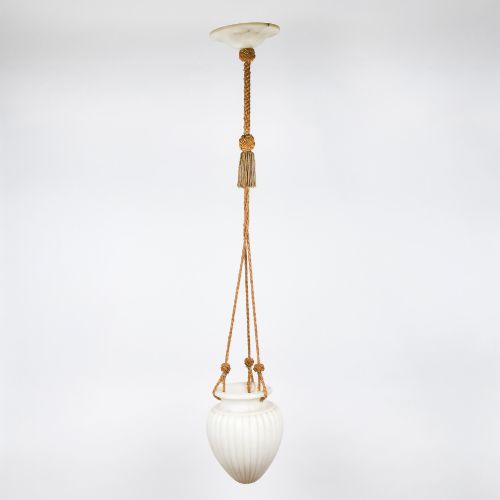
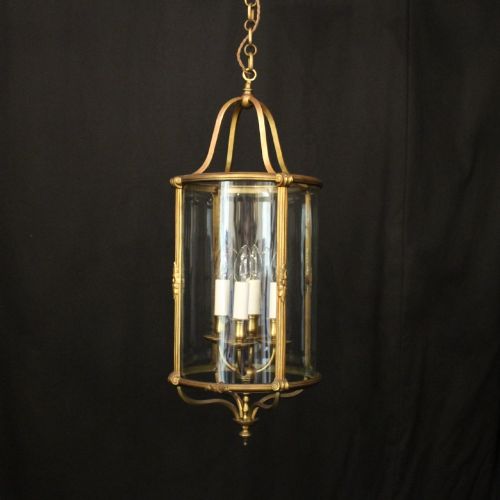
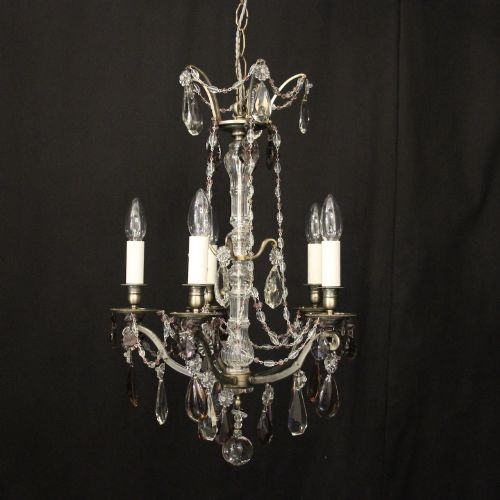
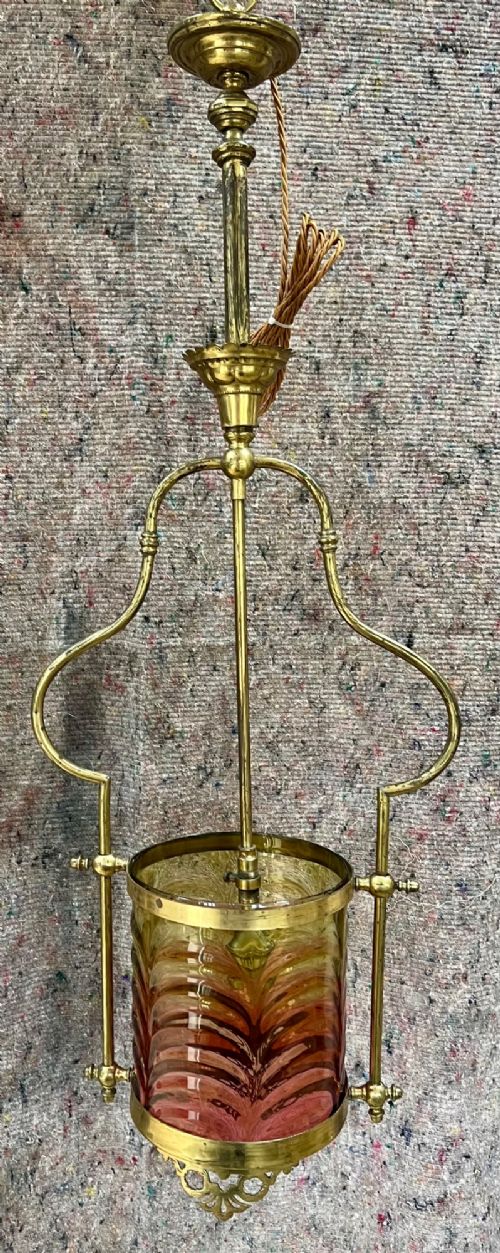
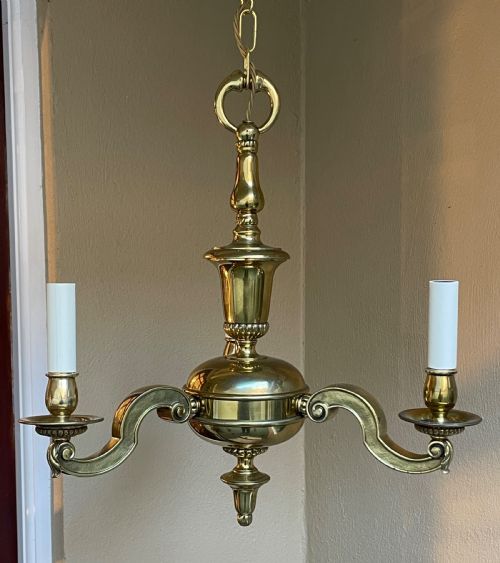
A traditional hanging lamp encompasses a broad array of ceiling-mounted fixtures designed to illuminate rooms from above, spanning multiple decades of domestic lighting evolution. When browsing for a traditional hanging lamp, buyers frequently encounter multi-armed chandeliers, enclosed hall lanterns, and single-bulb pendant lights originating from the Victorian era through the early twentieth century.
The surviving examples reflect diverse aesthetic movements, including French Chateau, Gothic Revival, and Classical Revival styles, alongside simpler Edwardian brass designs. Most options lean towards continental and British craftsmanship, featuring heavy cast metals paired with blown or cut glass elements suited for hallways, stairwells, and principal reception rooms.
Materials and construction
Makers utilised durable base metals such as cast brass, bronze, copper, and wrought iron to form the structural frames and decorative mounts of these fixtures. Gilt finishes and silver gilding frequently coated the bronze or brass components to enhance light reflection within darker interior spaces.
Glass components played an equally vital role, ranging from pressed crystal drops and convex glass panels to opalescent shades and simple white alabaster bowls. Frameworks were assembled using mechanical joints, rivets, and cast decorative elements like acanthus leaf mounts rather than modern adhesives.
Traditional Hanging Lamp Retail Price Guide 2026
Typical asking prices for traditional hanging lamp among the pieces listed under this phrase on Sellingantiques today, from the lower quarter to the upper quarter. They describe what is for sale here now, not the wider market.
One remarkably heavy specimen doubles as a burning censer, proving that Victorian homeowners enjoyed lighting their rooms with a touch of ceremony.
Assessing quality in hanging lights
The distinction between ordinary and superior pieces rests on the weight of the metal and the crispness of the cast detailing. Heavier bronze or brass castings with deeply chiselled leaf work or clean geometric lines indicate a higher grade of manufacture than thin, pressed metal alternatives.
Glass quality separates standard production items from exceptional commissions, observable in the depth of hand-cut facets on crystal prisms or the clarity and thickness of blown lantern panels. Original surface patination and intact hanging mechanisms further distinguish well-preserved examples from heavily altered survivors.
G.E.C
The Traditional Hanging Lamp Glossary
- Chandelier
- A branched decorative ceiling fixture designed to hold multiple light sources. They frequently incorporate crystal drops, gilt bronze mounts, or curved brass arms.
- Gilt bronze
- Bronze metal treated with a thin layer of gold or gold-coloured alloy. It provides a rich, warm metallic lustre that resists tarnishing over decades.
- Acanthus leaf
- A classical ornamentation motif modelled on the foliage of the Mediterranean acanthus plant. It appears frequently as a cast relief detail on nineteenth and twentieth-century brass and bronze mounts.
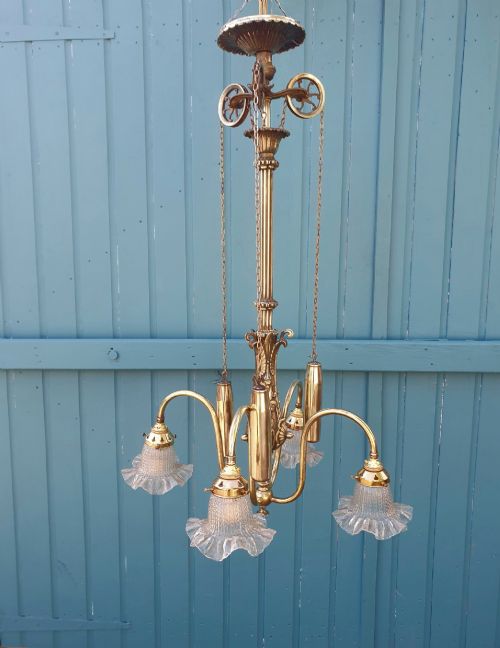
- Rise and fall
- A mechanical counterweight or pulley mechanism allowing the hanging height of a lamp to be adjusted manually. This arrangement was particularly common in domestic settings for dining tables.
Traditional Hanging Lamp: Frequently Asked Questions
Where should I hang a traditional ceiling lantern?
These fixtures suit high-ceilinged entrance halls, stairwells, or long corridors where their enclosed glass panels and metal frames can be viewed from multiple angles. Their vertical proportions direct light downward while providing a strong architectural focal point.
Ensure adequate clearance beneath the fixture for foot traffic, particularly in spaces with standard ceiling heights. Smaller hexagonal or convex variants fit comfortably in compact vestibules without overwhelming the room.
How do I date an antique brass chandelier?
Dating relies on examining the manufacturing techniques, mounting styles, and material composition evident in the frame. Heavier sand-cast brass elements and hand-cut crystal drops typically point towards late nineteenth or early twentieth-century production.
Stylistic cues such as acanthus leaf motifs, neoclassical proportions, or specific attribution marks help narrow the timeline further. Comparing the wiring channels and suspension loops to period installation methods provides additional confirmation.
Can antique hanging lamps use modern electrical wiring?
Most antique fixtures accept modern electrical wiring through standard internal channels, though professional rewiring is recommended to meet contemporary safety standards. Electricians can update old fittings while preserving the original brass or bronze exterior.
Using low-heat LED bulbs shaped to mimic vintage filaments helps protect delicate glass shades and historic materials from thermal damage. This approach maintains the historic visual atmosphere while ensuring reliable daily operation.