




Traditional Hallway Chairs
Traditional hallway chairs bring instant character to an entrance, offering practical seating and striking period timber work for the home.
Traditional Hallway Chairs
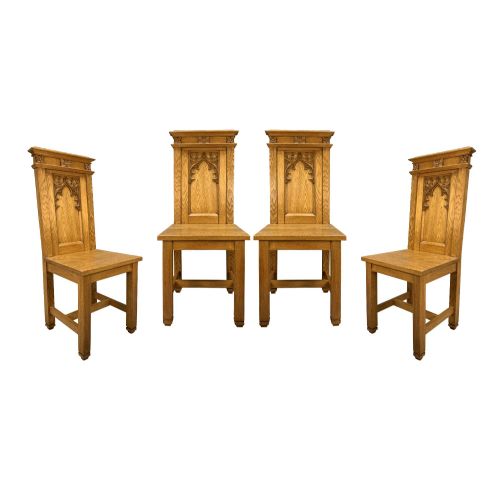
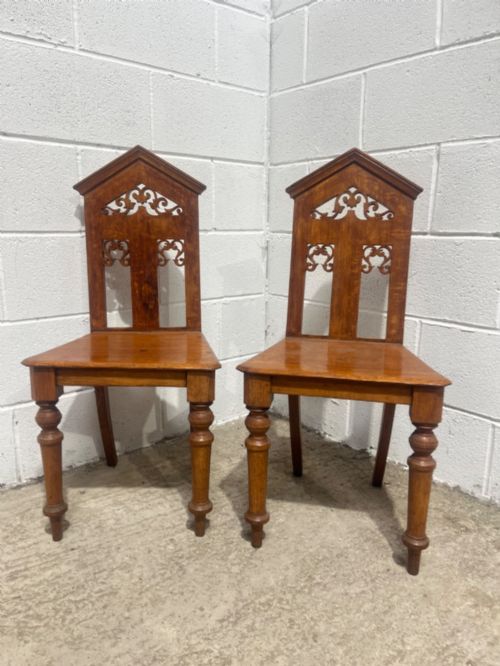
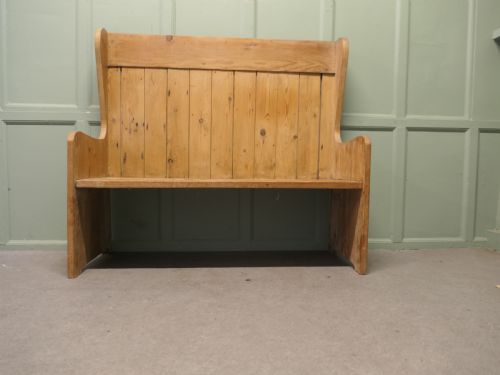
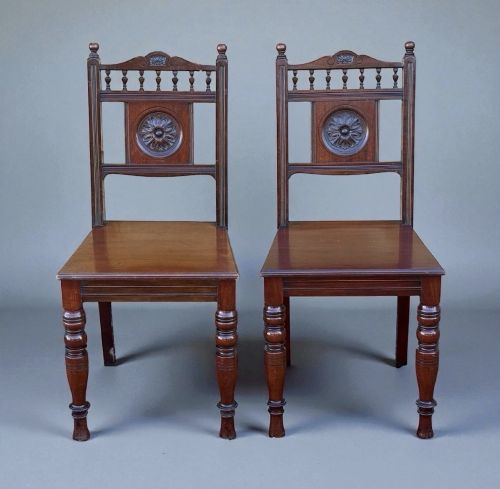
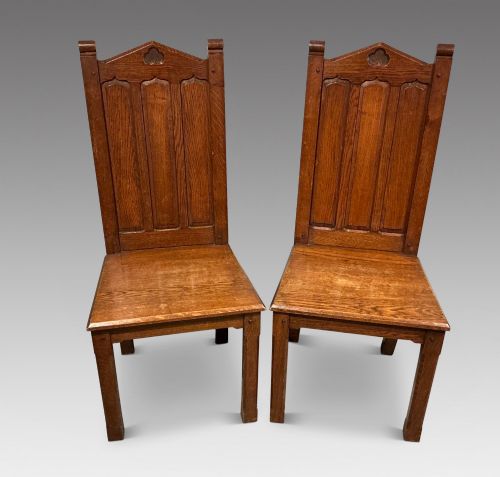
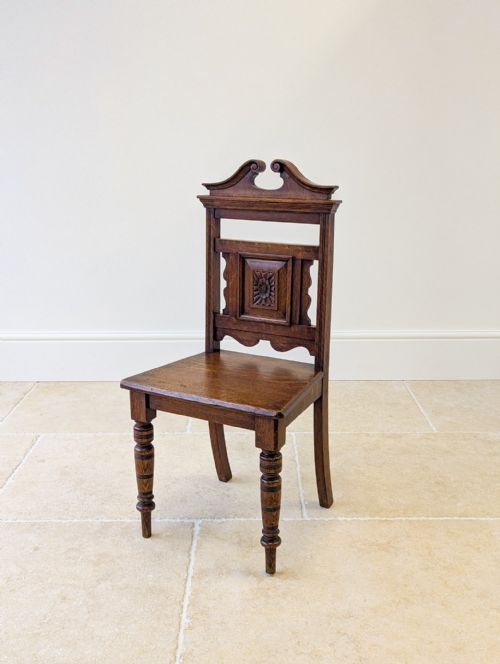
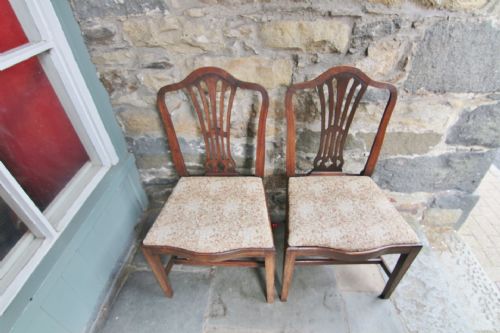
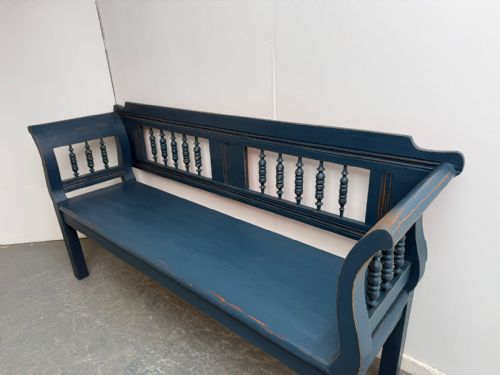
Traditional hallway chairs encompass a varied selection of seating designed specifically for entranceways, passages, and compact spaces. When searching for traditional hallway chairs, buyers encounter sturdy wooden side chairs, settles, benches, and monk benches dating from the eighteenth century through to the early twentieth century. These items were originally made to furnish grand entrance halls or country properties, serving as a formal or practical spot to sit while removing outerwear.
The pieces appearing most frequently on this page include nineteenth-century oak and mahogany hall chairs, often sold in pairs or sets of four. Alongside single wooden chairs, the selection includes pine settles, upholstered window seats, and convertible monk benches featuring lift-up seats and fold-over tops. Origins range across English, Scottish, and continental workshops, reflecting regional preferences in woodwork and revival styles.
What separates the finest pieces
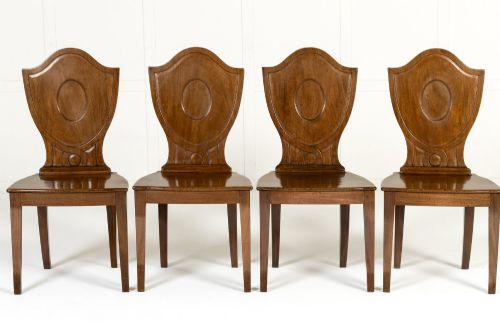
Quality in these seating items rests upon the crispness of the timber carving and the integrity of the original construction. Pieces featuring deep relief carving on shield backs or solid mahogany frames demonstrate a higher standard of craftsmanship than plain utility items. Sets of matching chairs maintain greater desirability and visual harmony compared to single items assembled later.
The preservation of original finishes and authentic surface wear influences the appeal of older woodwork. Items retaining their untouched patination or original paintwork carry more historical integrity than heavily restored examples. The clever multi-function design of a well-made monk bench or box seat also sets superior pieces apart from simpler domestic furniture.
Traditional Hallway Chairs Retail Price Guide 2026
Typical asking prices for traditional hallway chairs among the pieces listed under this phrase on Sellingantiques today, from the lower quarter to the upper quarter. They describe what is for sale here now, not the wider market.
Materials utilised across the available seating include solid oak, mahogany, pine, fabric upholstery, leather, and original painted wood finishes.
Holland and Sons
The Traditional Hallway Chairs Glossary
- Monk bench
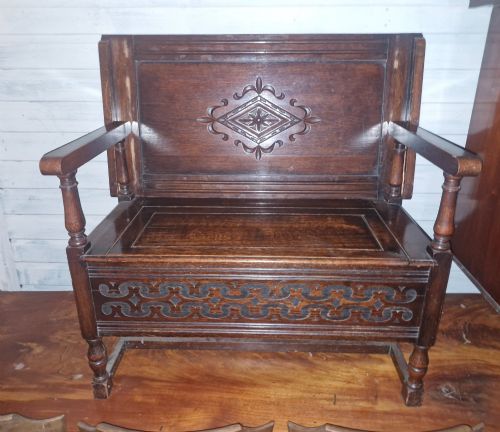
- A multi-functional piece of furniture featuring a hinged top that folds down to form a small table and a lift-up seat providing storage underneath.
- Settle
- A wooden bench with a high back, solid arms, and enclosed storage or a box base designed to block draughts in an entrance hall.
- Shield back
- A chair back designed in the shape of a heraldic shield, popularised during the Georgian and Regency periods and frequently carved from mahogany.
- Porters armchair
- A heavily upholstered enclosed armchair originally designed to keep draughts away from servants stationed at manor house entrances.
- Patination
- The natural sheen and surface ageing acquired by timber and paint over centuries of handling and polishing.
Traditional Hallway Chairs: Frequently Asked Questions
What is a monk bench?
A monk bench is a versatile wooden seat designed with a hinged back that folds down flat to transform the piece into a table. These items typically feature a lift-up lid on the seat box to provide concealed storage inside.
Cabinet makers produced them to serve dual functions in compact hallways or living spaces where floor space was limited.
How do I style a hallway chair?
Traditional hallway chairs work best placed against a plain wall or beside an entryway table where their carved wooden backs can remain visible. They provide a practical spot for putting on shoes while adding architectural interest to an entrance.
Pairing matching chairs on either side of a doorway creates a balanced, formal look suited to period properties.
Are these chairs comfortable for daily use?
Most traditional hall chairs were built primarily for occasional seating rather than long lounging periods, featuring upright wooden backs and solid seats. Upholstered variants and window seats offer a softer sit compared to carved mahogany or oak side chairs.
Adding a small cushion can improve comfort while preserving the antique timber frame.
How do I date an antique hall chair?
Dating relies on examining the timber species, construction joints, and stylistic revival motifs such as Gothic or Jacobean details. Nineteenth-century examples often display machine-assisted precision alongside hand-carved decorative elements, while earlier eighteenth-century pieces show entirely hand-wrought joinery.
Comparing the carving style to known historical periods helps narrow down the decade of production.