



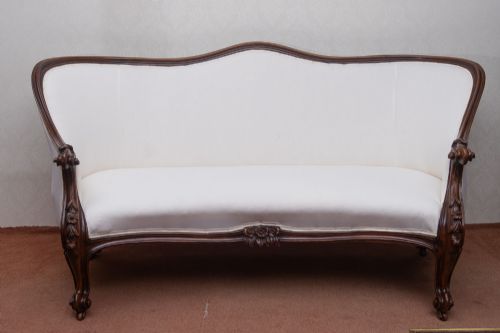


Traditional French Couch
A traditional french couch brings sculptural woodwork and generous upholstery together to anchor a formal interior.
Traditional French Couch
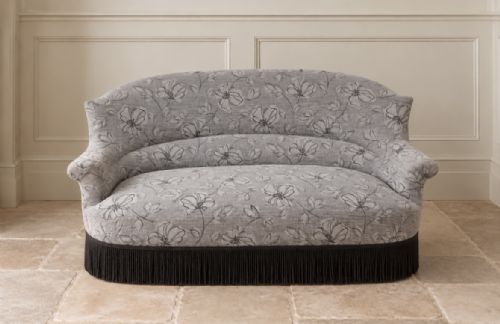
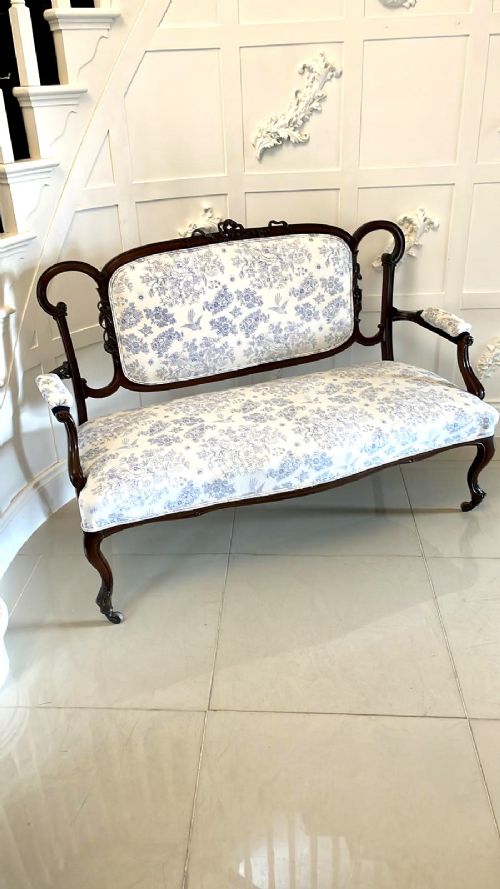
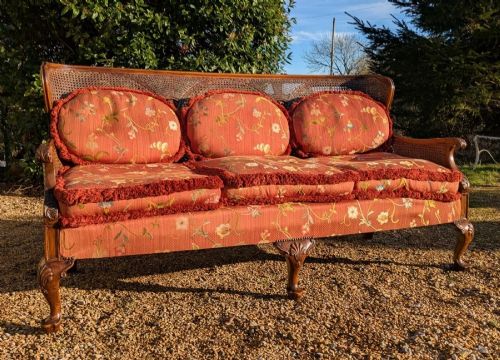
When you search for a traditional french couch, you encounter a selection of nineteenth-century seating forms including canapes, settees, reception salon chaises, and bergere sofas. These pieces draw upon French provincial, French country, and French rococo revival styles alongside Victorian and Georgian revival interpretations.
The objects listed span several decades from the mid-nineteenth century into the early twentieth century, incorporating items dated around eighteen-fifty, eighteen-eighty, and nineteen-hundred. They range from large salon chaises in green velvet to smaller bedroom sofas with blue velvet and tassel trim.
You will also find related soft furnishings such as cushion covers with eighteenth-century Belgian linen backs and feather inners. The primary furniture forms utilise exposed timber frames paired with upholstered seats, backs, and armrests.
How they were made
Makers shaped the structural frames of these couches from dense hardwoods such as mahogany and walnut, applying carved details to the show wood. Frames often feature quality mahogany or carved walnut with exposed wooden rails framing the upholstered elements.
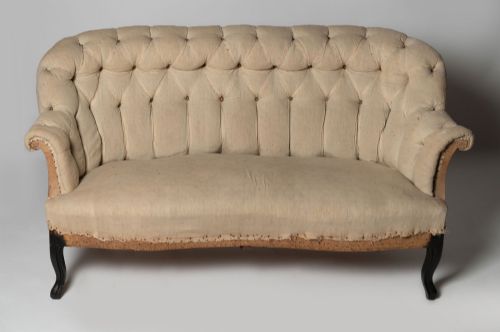
Upholstery techniques involve traditional stuffing methods paired with decorative surface textiles including velvet, linen, and various upholstery fabrics. Detail work includes button-backed upholstery and tassel trims applied to the edges of the fabric.
Traditional French Couch Retail Price Guide 2026
Typical asking prices for traditional french couch among the pieces listed under this phrase on Sellingantiques today, from the lower quarter to the upper quarter. They describe what is for sale here now, not the wider market.
Some nineteenth-century bedroom sofas arrive complete with decorative tassel trims still dangling from their velvet skirts.
What varies in quality
The refinement of the woodwork dictates much of the distinction between pieces, particularly the depth and sharpness of the carving on walnut and mahogany frames. Crisp hand-carved details on a canape or settee separate standard joinery from superior cabinet work.
The choice and execution of the upholstery materials also differentiate pieces, from standard fabric coverings to buttoned velvet and gold-painted surfaces. The integrity of the frame construction and the preservation of original timber patination further define the standing of each couch.
The Traditional French Couch Glossary
- Bergere
- An enclosed upholstered armchair or small sofa featuring exposed wooden sides and a padded seat. The style provides a deep, comfortable seat often accompanied by loose feather cushions.
- Chaise Longue
- An elongated chair meant for reclining, combining the characteristics of a chair and a sofa. Nineteenth-century examples often served in reception salons and bedrooms.
- Rococo Revival
- A nineteenth-century design movement drawing inspiration from the asymmetrical curves and naturalistic ornamentation of the eighteenth-century Rococo period. Furniture in this style exhibits flowing carved wooden motifs.
- Settee
- A medium-length upholstered wooden bench with a back and armrests designed for two or more people. It sits between a single armchair and a full-sized sofa in scale.
Traditional French Couch: Frequently Asked Questions
What is a canape?
A canape is an antique French sofa featuring an exposed wooden frame and upholstered back and seat.
These pieces often display carved woodwork in styles such as French rococo revival.
How do I use a salon chaise?
A reception salon chaise is designed for formal sitting and reclining in larger living spaces.
These larger nineteenth-century items work well as focal points in high-ceilinged rooms.
Are these couches comfortable?
Many examples feature padded upholstery, button-backed designs, and feather cushions for seating support.
Sofas from the Victorian and Edwardian eras prioritised deep upholstery alongside decorative wooden frames.
What woods were used?
Cabinet makers constructed the frames primarily using mahogany and walnut.
These durable timbers allowed for detailed carving along the crest rails and legs.