


Traditional Framed Portrait Art
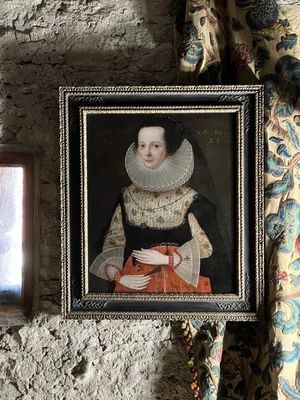
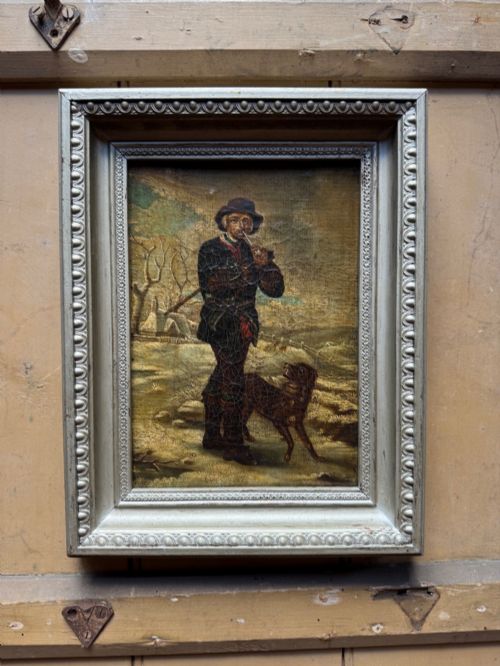
Traditional framed portrait art spans centuries of oil painting and mezzotints, offering a direct encounter with historical sitters and animals.
Traditional Framed Portrait Art
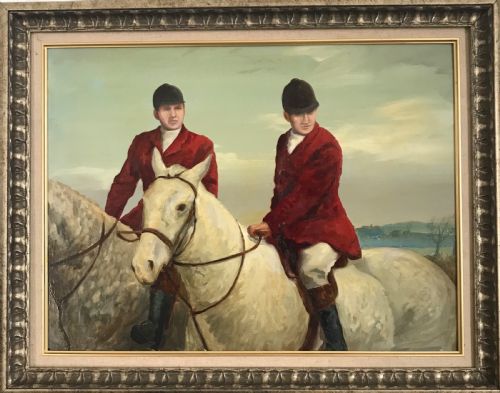
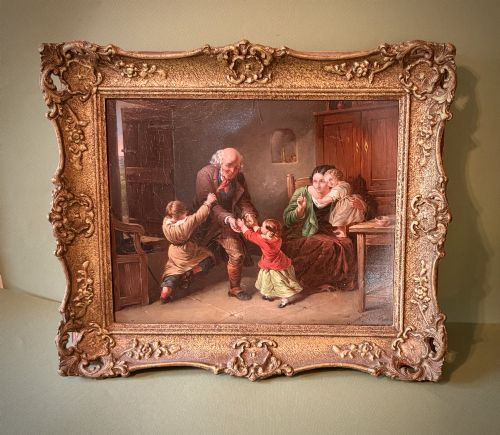
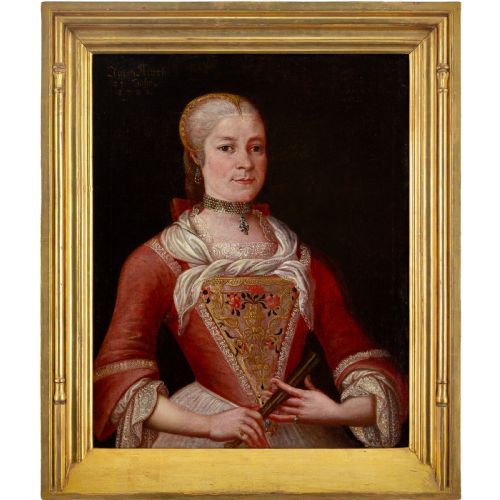
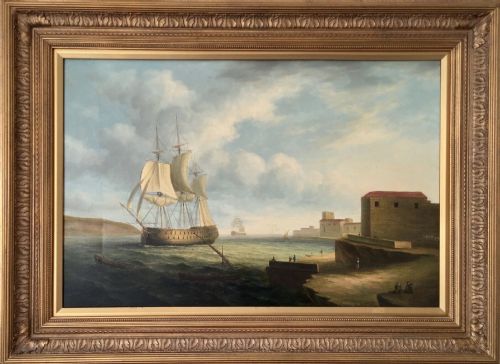
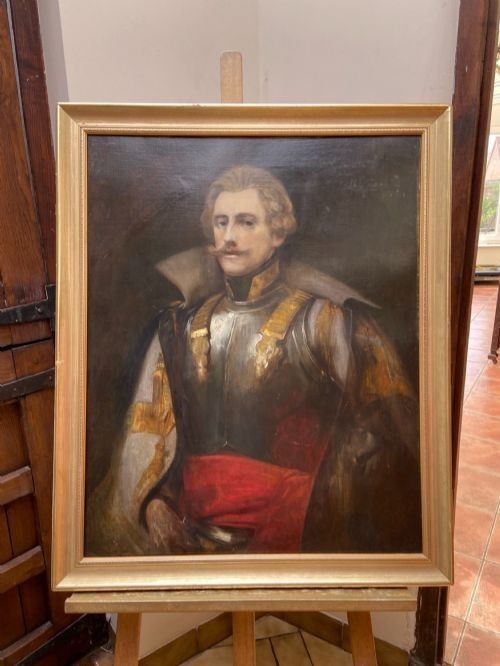
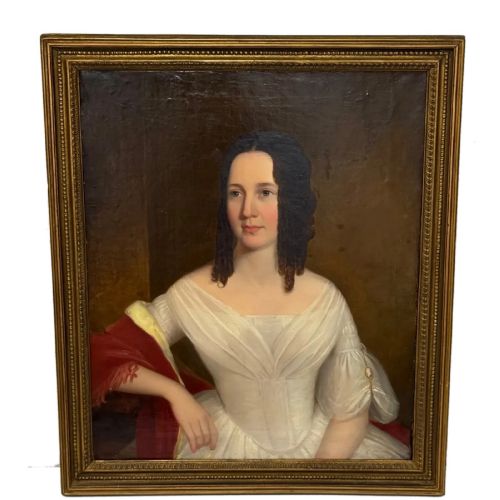
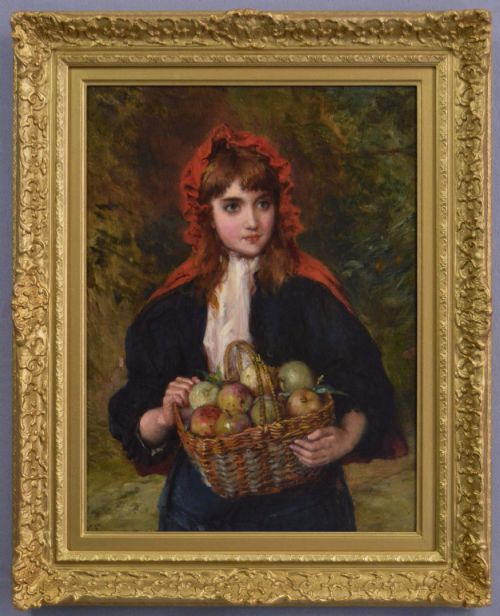
Traditional framed portrait art encompasses historical depictions of individuals, groups, and animals rendered in oils, mezzotints, and prints, often set within period surrounds. When exploring traditional framed portrait art, buyers encounter works ranging from formal 18th-century depictions of nobility to Victorian animal and sporting studies.
The selection on this page draws from eras including the Georgian, Victorian, and Edwardian periods, alongside mid-20th-century copies after earlier masters. Formats vary from intimate oil paintings on panel and canvas to large gallery-scale canvases and detailed print works.
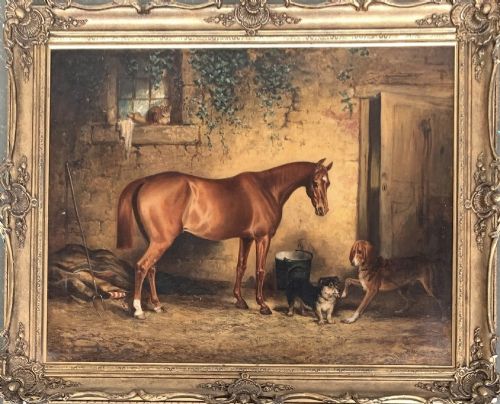
Subjects stretch beyond human sitters to include prized livestock, racing pigeons, and equines captured by specialist artists. These pieces reflect the prevailing aesthetic values and social hierarchies of their respective centuries.
Materials and construction
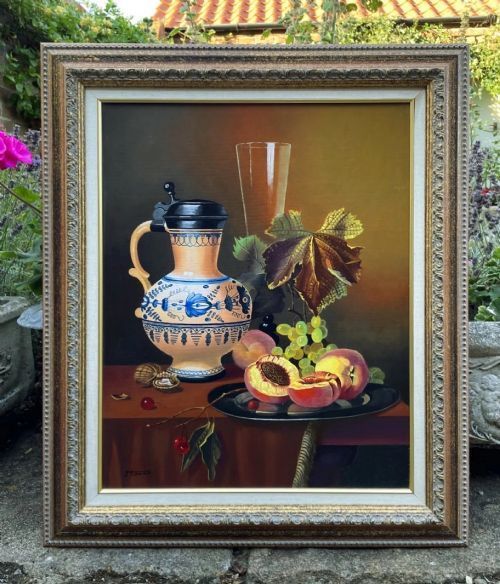
Pigments applied in oil paint onto canvas, wood panel, or board form the foundation of the painted works in this collection. Canvases are frequently stretched over timber frames and housed in decorative giltwood or gilded surrounds finished with gold leaf.
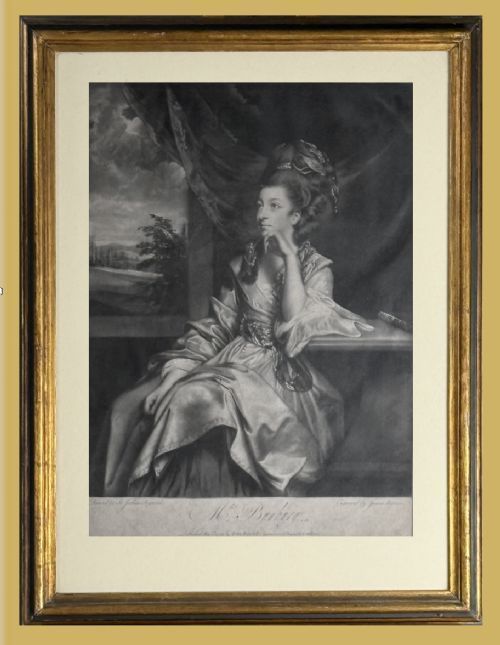
Print formats utilise techniques such as mezzotint on paper, capturing tonal gradations derived from original painted compositions. Glazing protects works on paper, while oil paintings on canvas remain open to the air, held within robust wooden frames.
Racing pigeons and prized shorthorn bulls share wall space here with military officers and noblewomen.
Distinctions in quality
Quality rests upon the fidelity of the draughtsmanship, the handling of light and shadow, and the psychological depth captured in the sitter's expression. Superior examples demonstrate confident brushwork and anatomical precision, whether depicting a human subject or an equine form.
The integrity and period compatibility of the frame contribute significantly to the overall standing of a piece. Original giltwood surrounds that complement the age and scale of the artwork elevate the object above those housed in later or replacement mouldings.
James Watson·Sir Joshua Reynolds·Albert Clark·George Willison
The Traditional Framed Portrait Art Glossary
- Mezzotint
- A printmaking process of the intaglio family where the plate is roughened uniformly to produce rich dark tones. Artists scrape away areas to create lighter highlights, favoured for reproducing oil portraits.
- Giltwood
- Timber, typically carved wood or gesso, coated with gold leaf or metallic powder to create a lustrous golden finish. It is standard for traditional picture frames from the Georgian and Victorian eras.
- Oil on panel
- A painting technique where pigments bound in oil are applied directly to a wooden support rather than fabric canvas. This method was common in earlier centuries and provides a rigid ground.
- Equine portrait
- An artwork dedicated specifically to the depiction of a horse, often recording specific racehorses, hunters, or prize animals. These works flourished during the Victorian sporting art movement.
- Circle of
- A designation used when a work displays the distinct style and hand of a master's workshop or close associates. It indicates production within the cultural milieu of a named artist without being a direct autograph piece.
Traditional Framed Portrait Art: Frequently Asked Questions
How do I date a portrait?
Dating relies primarily on the sitter's costume, hairstyle, and the construction methods of the canvas and frame. Examining the stretcher bars, nails, and pigments provides further physical evidence of age.
Historical documentation or inscriptions on the reverse of the canvas or panel often record the sitter's identity and the year of execution. Comparing stylistic markers with known dated works by the same school narrows the timeline further.
Are these works original paintings?
The inventory includes original oil paintings executed directly by artists on canvas or panel, alongside period mezzotints and printed works. Each listing specifies the exact medium used to create the surface.
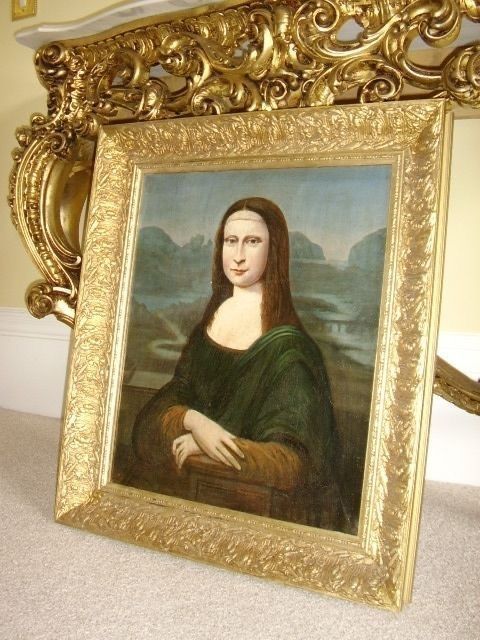
Certain listings also feature later studies or copies after established masters such as Sir Joshua Reynolds or Thomas Gainsborough. Checking the material details in the description clarifies whether a piece is an original primary work or a period reproduction.
How should I hang heavy oil portraits?
Heavy oil portraits in substantial giltwood frames require secure wall fixings anchored directly into masonry studs or solid brickwork. Utilising heavy-duty picture wire and double-hook hanging systems distributes the weight evenly.
Position paintings away from direct sunlight and heat sources to protect the canvas and oil pigments from cracking. Stable indoor humidity levels prevent the wooden panels and stretchers from warping over time.
What does after an artist mean?
The term indicates that the work is a later rendition or copy based upon an original composition by a well-known painter. These pieces were often produced as study exercises or to supply demand for popular imagery.
Such works reflect the enduring influence of master painters across subsequent generations while possessing their own distinct period charm. They offer an accessible entry point into collecting historical portrait styles.