







Traditional Folding Screen
These traditional folding screen pieces divide spaces and guard hearths, offering versatile room division shaped by centuries of craftsmanship.
Traditional Folding Screen
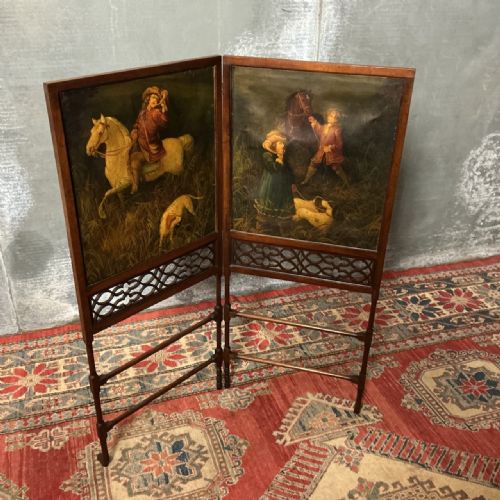
A traditional folding screen serves as a movable partition or a hearth protector, spanning multiple hinged panels that fold together for storage. You will encounter grand room dividers designed for expansive spaces alongside smaller fire screens intended to shield rooms from open flames.
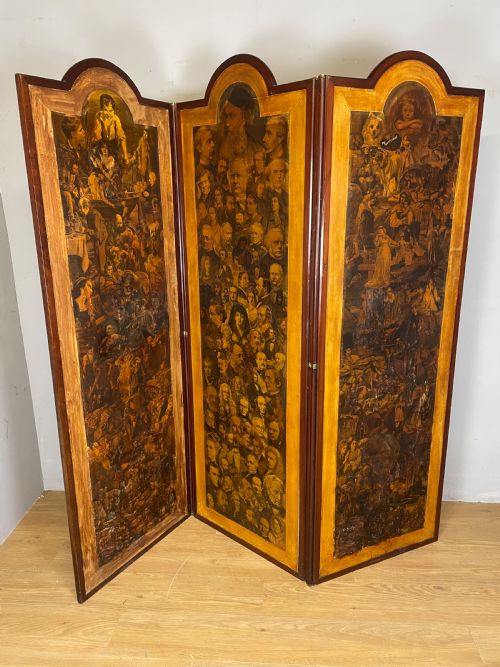
The selections here range from domestic Victorian scrap work and country house decoupage to elaborate Asian lacquer work and Indian fretwork. These pieces originate from various eras including the Georgian period, the Victorian and Edwardian decades, and the early twentieth century.
Room dividers create flexible zones within larger interiors, whilst fire screens manage hearth safety and decorative focal points. The physical scale varies from intimate three-panel arrangements to substantial eight-fold barriers.
Materials and construction
Wood serves as the primary structural frame across many examples, with specific pieces utilising sturdy mahogany and various hardwoods to support multiple hinged panels. Artisans employed detailed fretwork, carving, and joinery to construct stable frameworks capable of repeated folding.
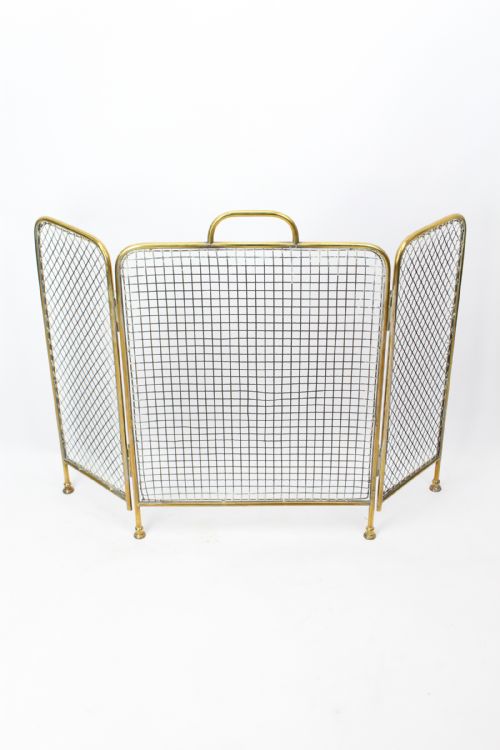
Surface decoration relies on diverse finishing techniques such as rich lacquer, applied gold leaf, and painted oil artworks on canvas. Fire-focused variants incorporate brass and wire mesh to combine metallic durability with protective utility.
Decorative elements often include paper decoupage, fabric tapestry, and scrap work applied directly to the panels. Metal hinges link the individual sections together, allowing each panel to pivot smoothly.
Traditional Folding Screen Retail Price Guide 2026
Typical asking prices for traditional folding screen among the pieces listed under this phrase on Sellingantiques today, from the lower quarter to the upper quarter. They describe what is for sale here now, not the wider market.
Materials recorded across these pieces include mahogany, brass, wire mesh, canvas, and gold leaf.
What separates the tiers
Quality in a traditional folding screen rests upon the integrity of the hinge mechanism and the precision of the panel construction. Superior examples maintain structural alignment across numerous folds without sagging or binding at the joints.
Artistic execution distinguishes standard items from exceptional ones, particularly visible in hand-carved woodwork, detailed lacquer work, and finished oil paintings. The depth of the carving and the resilience of the surface finish dictate the longevity and visual impact of the piece.
The choice of primary material also influences the standard, with dense hardwoods and authentic coromandel lacquer representing significant craftsmanship. Intricate decorative elements like hand-stitched tapestry or layered decoupage demand greater skill than plain painted surfaces.
The Traditional Folding Screen Glossary
- Coromandel lacquer
- A Chinese incised lacquer technique where dark finishes are carved to reveal coloured grounds beneath. This method creates textured surfaces popular on multi-fold room dividers.
- Fretwork
- Ornamental perforated wood or metal carving arranged in geometric or floral patterns. This technique appears on the upper or lower sections of panels for decorative ventilation.
- Scrap work
- A Victorian craft practice involving the application of numerous printed paper scraps onto a backing surface. Screens decorated this way display dense collages of historical imagery.
- Firescreen
- A domestic accessory designed to place in front of a fireplace when not in use. These items block excess heat and sparks or conceal an empty hearth.
- Decoupage
- The art of decorating a surface by applying paper cutouts and sealing them with successive coats of varnish. Country house examples often utilise this method for pictorial narratives.
Traditional Folding Screen: Frequently Asked Questions
How do I use a folding screen in a small room?
Position a multi-fold divider across a corner to create a dedicated reading nook or dressing area without permanent building work. The panels fold flat against the wall when you require an open floor plan.
Choose lighter wooden or painted versions to maintain an airy feel in compact spaces. Taller multi-panel designs draw the eye upward, enhancing the perceived height of the room.
What is the difference between a room divider and a fire screen?
Room dividers consist of multiple tall panels designed to section off parts of a living space or create privacy. They utilise materials like carved wood, lacquer, or fabric panels.
Fire screens are smaller single or multi-panel accessories built to stand directly in front of a fireplace. They frequently incorporate brass, wire mesh, or tapestry inserts to manage hearth safety.
How should I care for lacquered wood panels?
Dust lacquered and polished wood surfaces regularly with a soft, dry cloth to prevent particulate buildup. Avoid placing these pieces in direct sunlight or near active heat sources to protect the finish.
Keep ambient humidity stable within the room to prevent the wood substrate from expanding or contracting. This protects delicate surface decoration and prevents the hinges from straining.
How do I identify a Victorian screen?
Victorian examples often feature heavy brass spark guards, intricate scrap work collages, or dark turned woodwork. The decorative motifs frequently reflect nineteenth-century revival styles and domestic crafts.
Examine the construction methods and hardware to confirm the period. Hand-forged hinges and period-specific joinery help verify nineteenth-century manufacture.