

Traditional Female Oil Painting
Traditional female oil painting depicts women across centuries, offering collectors striking portraits of noblewomen, artists and ladies in oil on canvas.
Traditional Female Oil Painting
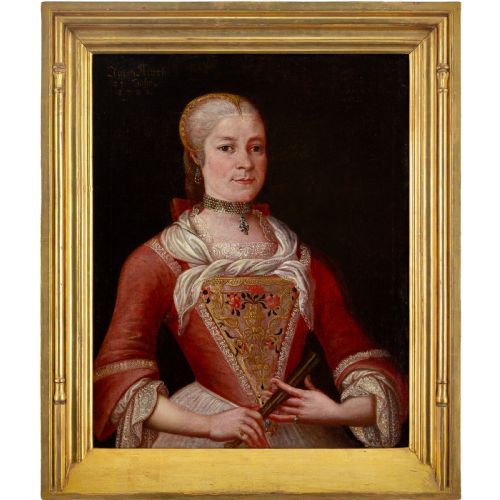
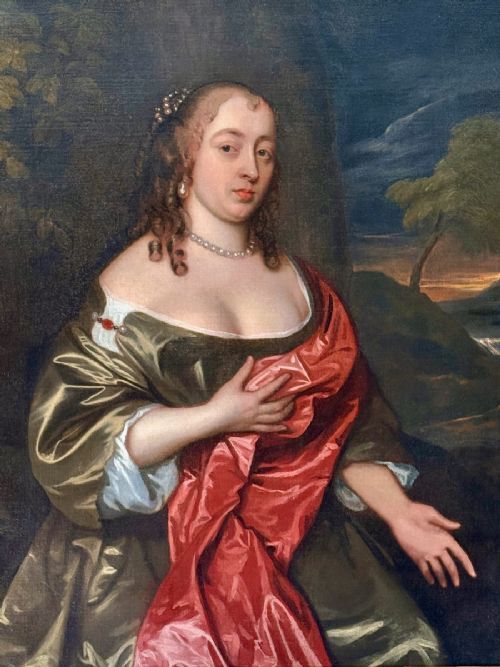
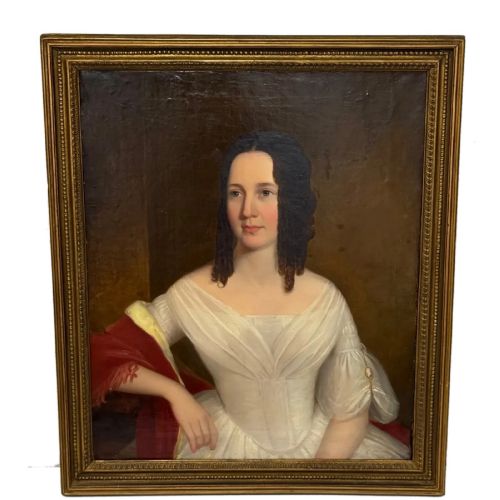
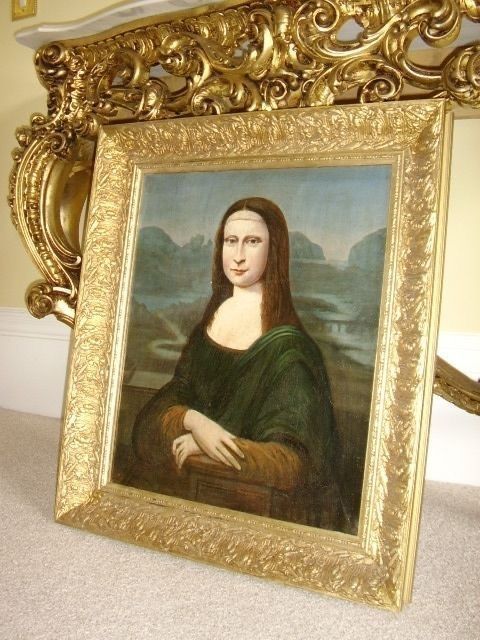
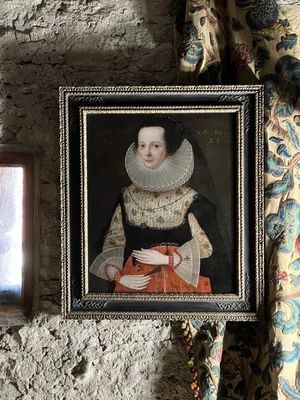
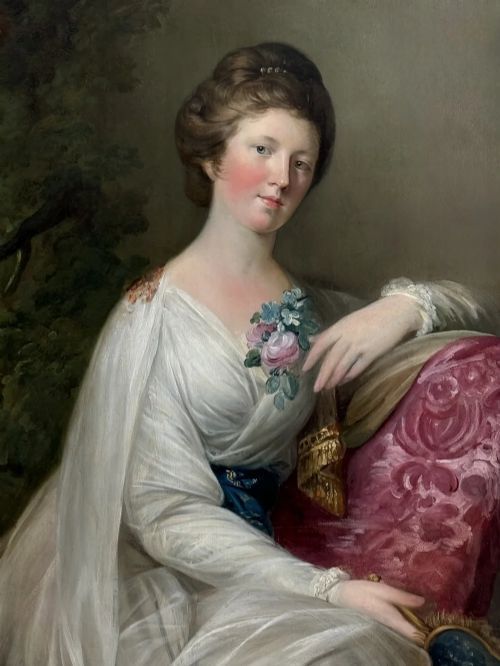
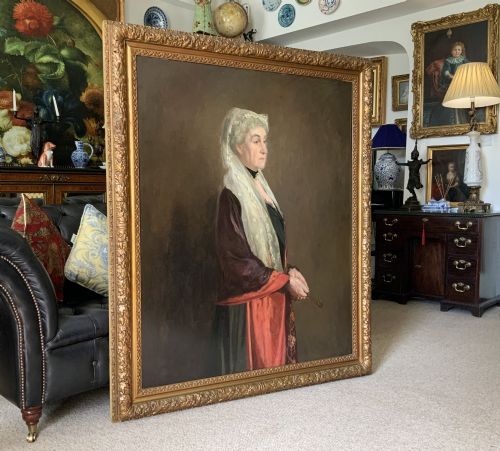
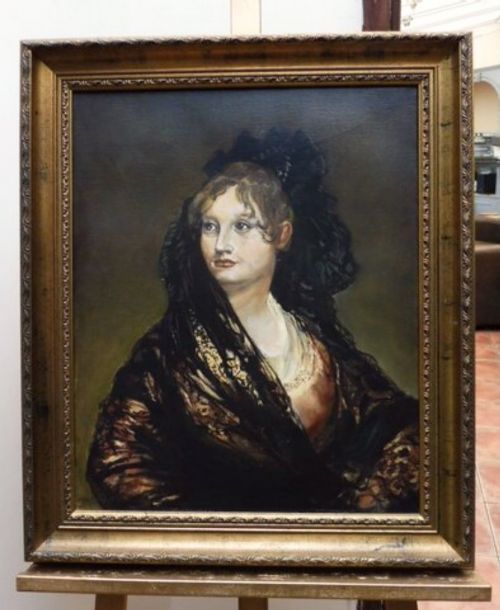
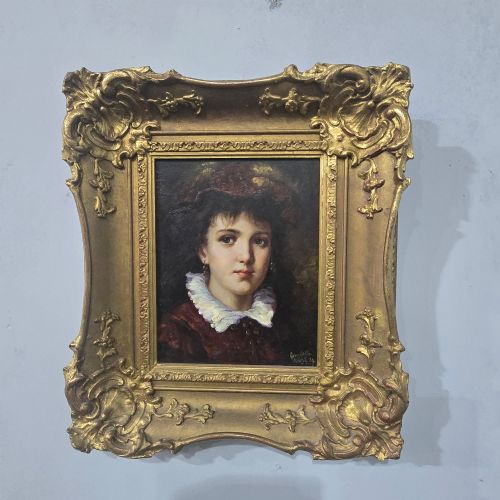
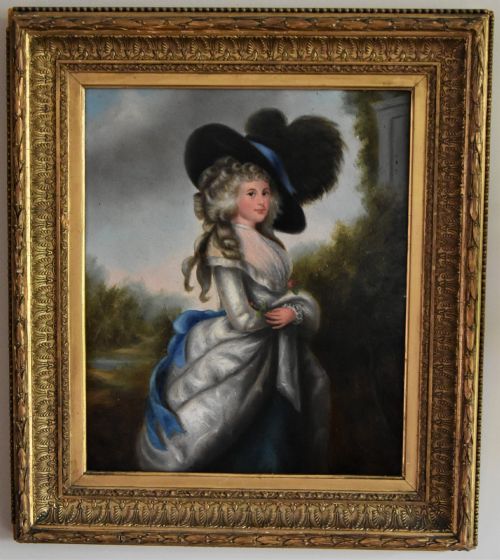
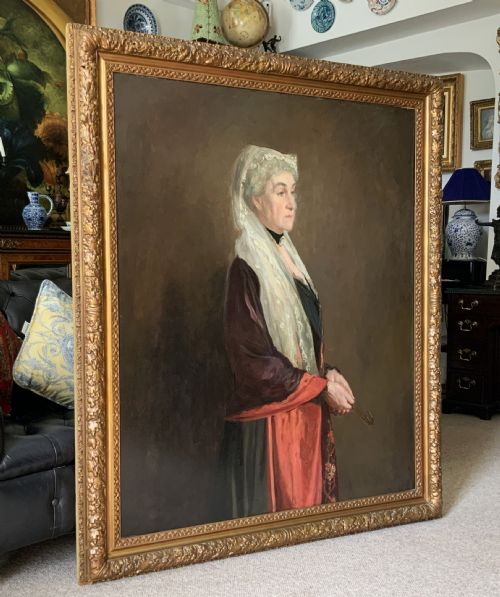
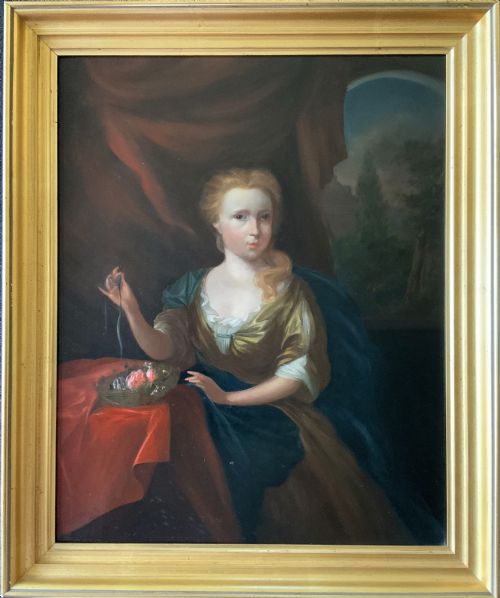
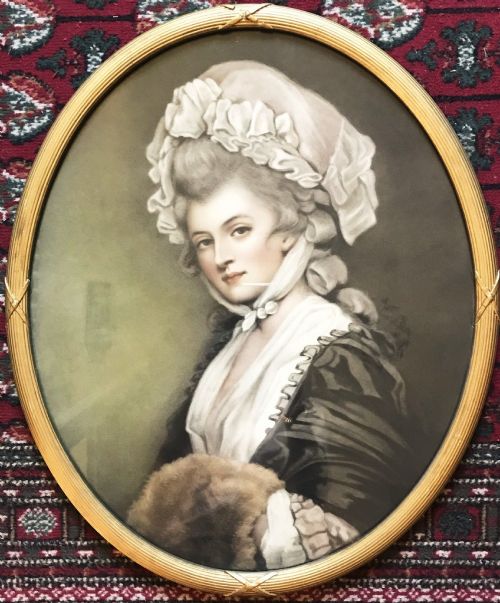
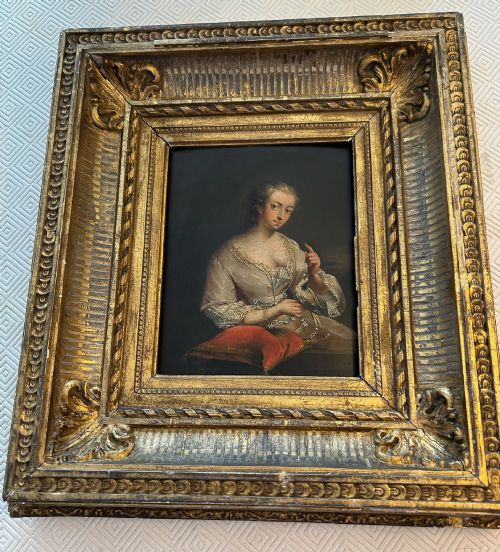
A traditional female oil painting is primarily a portrait, capturing women in formal or informal settings from the seventeenth century through to the mid-twentieth century. These works range from detailed academic studies and copies after master painters to grand depictions of noblewomen and regional sitters.
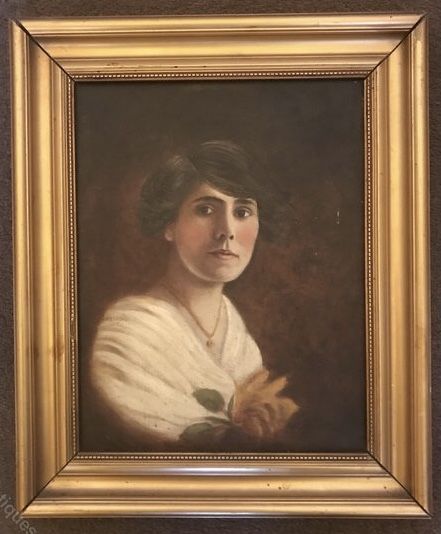
The most common pieces on this page are nineteenth-century canvases, alongside works originating from the eighteenth and early twentieth centuries. Sitters appear in elaborate historic costume, regional dress or domestic scenes holding items such as roses, letters or musical instruments.
Regional schools vary widely, with English, Bavarian, Spanish and Dutch influences appearing across the selection. Portraiture forms the dominant subject, capturing individual likenesses alongside idealised representations of female beauty.
Materials and technique
Artists painted primarily using oil paint applied to woven canvas or wood boards, occasionally employing gesso preparations to seal the support. Canvases are frequently housed in period giltwood frames that complement the depth of the pigments.
Brushwork ranges from tight, academic realism seen in formal commissions to looser, more expressive handling characteristic of nineteenth-century romanticism and later revival styles. Pigments are layered to build flesh tones, fabrics and background landscapes.
Styles represented include Georgian, Victorian, Edwardian, Rococo Revival and multiple phases of nineteenth-century realism.
What defines the quality of a traditional female oil painting
Quality rests upon the skill of the draughtsmanship and the psychological engagement of the sitter's expression, separating competent studio works from masterly character studies. The rendering of textiles, lace and hands reveals the technical capability of the painter.
The preservation of the paint surface and the originality of the frame contribute significantly to the standing of a piece. Works attributed to documented artists or established regional schools carry greater authority than anonymous studio productions.
JOHN HAYLS·GEORGE WILLISON·Jonny Gaston·John Robert Dicksee·Alexander Maclean·August Heinrich Riedell·FERNAND JEAN BARBIER·Sir Thomas Lawrence·William Joseph Carroll·William Oliver·Robert Edward Morrison·Harry Clifford Pilsbury
The Traditional Female Oil Painting Glossary
- Oil on Canvas
- Pigments bound in a drying oil, typically linseed, applied to stretched woven fabric. This combination provides a stable and flexible surface that allows for subtle blending of tones.
- Giltwood
- Wood carved and coated with gold leaf or metallic powder. These frames enhance the visual weight and period context of the painting.
- Gesso
- A plaster mix used to prepare wood panels or canvases for painting. It creates a smooth, absorbent ground for the oil layers.
- Attributed to
- A term used when a work shows the hand of a specific artist but lacks definitive signature or documentation. It reflects expert consensus on origin.
- After
- A descriptor indicating that the work is a painted copy of an earlier, known composition by a master artist. Such pieces often served as study exercises or decorative commissions.
Traditional Female Oil Painting: Frequently Asked Questions
How do I identify the period of a portrait?
Dating relies primarily on the style of the sitter's costume, hair and framing materials. Painters often recorded contemporary fashion with exact precision.
Secondary clues include the weave of the canvas, the construction of the stretcher frame and any inscriptions or labels on the reverse.
What is the difference between canvas and board supports?
Canvas requires stretching over a wooden frame and yields a flexible painting surface with visible textile texture. Board provides a rigid, solid ground that prevents flexing.
Both supports appear across different periods, though wood panels frequently suggest earlier dates or smaller cabinet formats.
How should I care for an antique oil painting?
Keep paintings away from direct sunlight, high humidity and sudden temperature fluctuations to prevent the canvas or wood from warping. Avoid touching the paint surface, as natural oils from skin can damage fragile glazes.
Dust gently with a dry, soft brush when necessary, leaving conservation cleaning to professional restorers.
Why do some portraits depict sitters after earlier artists?
Copying master works was a standard method for training artists and allowed collectors to own representations of famous compositions. These paintings reflect the enduring influence of historic painters across later generations.
Such pieces possess their own artistic merit and historic context distinct from the original.