


Traditional Desk Accessories
Traditional desk accessories are the functional fittings that organise a writing surface, bringing tangible craft and period character to daily correspondence.
Traditional Desk Accessories
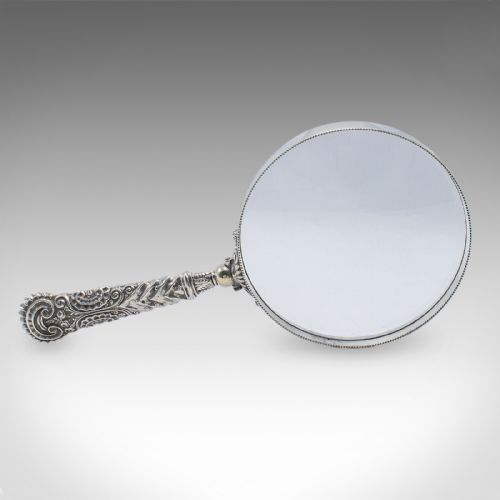
Traditional desk accessories encompass the diverse implements required for writing, reading, and organisation before the digital age. When exploring traditional desk accessories, expect to encounter practical objects such as inkstands, postal scales, bookends, and magnifying glasses designed for nineteenth and early twentieth-century workspaces.
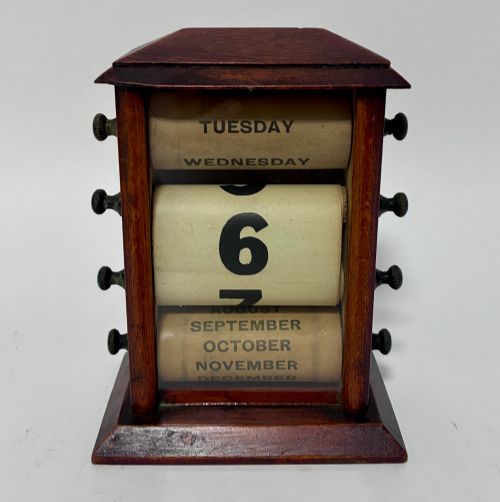
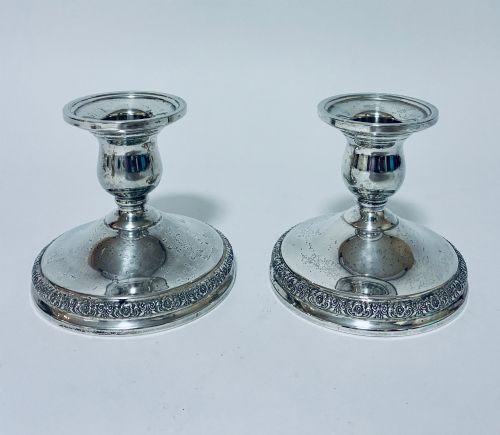
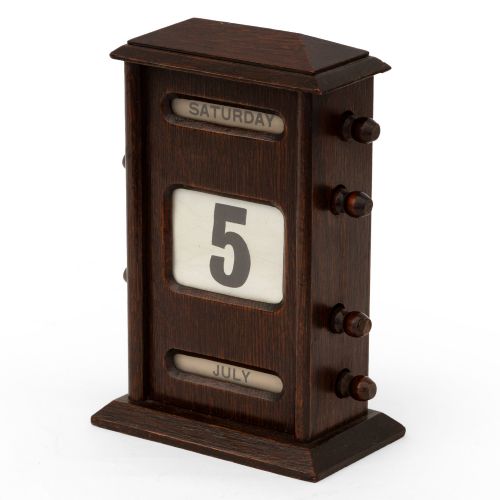
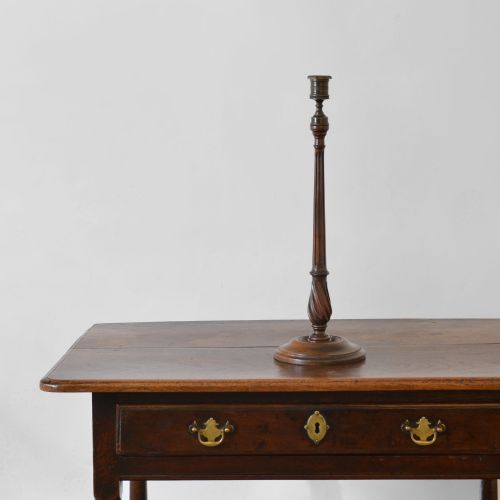
The selection ranges from robust oak and brass desk tidies to delicate cut glass inkwells and carved wooden letter openers. Pieces span multiple periods, from Georgian candlesticks through to Edwardian postal scales and 1920s perpetual calendars, reflecting the evolving needs of the study.
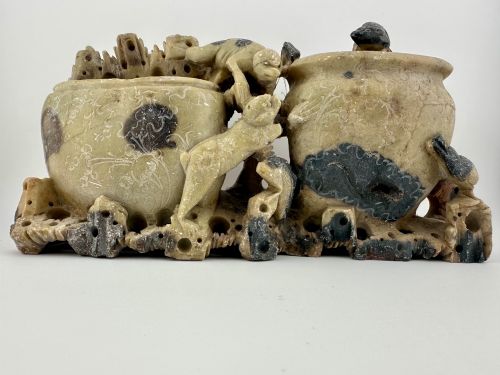
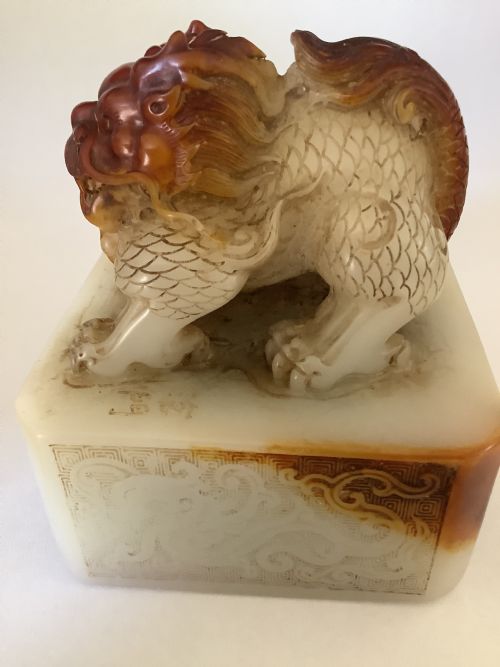
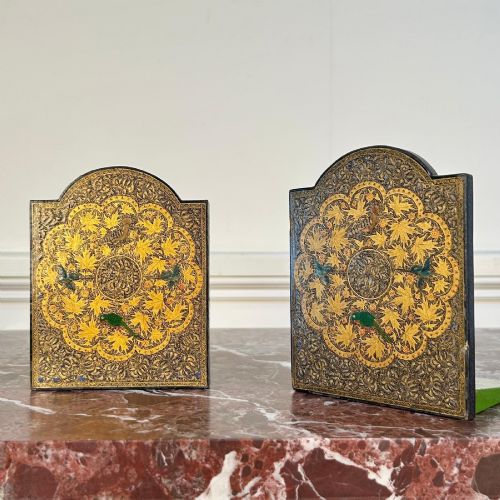
Global influences also emerge within the category, including Chinese soapstone brush washers and Kashmiri bookends alongside domestic European materials. These items served distinct domestic or official functions, turning mundane administrative tasks into ritualised moments of craft appreciation.
Materials and construction
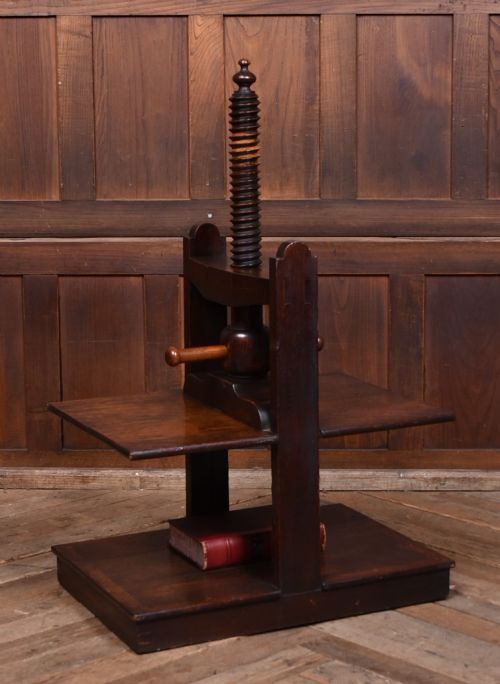
Makers utilised a deliberate selection of dense hardwoods like oak, mahogany, rosewood, and yew to withstand heavy daily handling on the desktop. These timbers were frequently turned, carved, or joined to form stable ink stands, book presses, and letter racks.
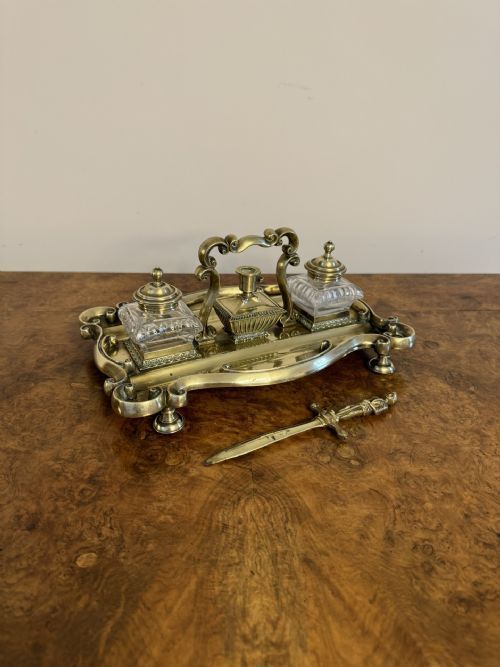
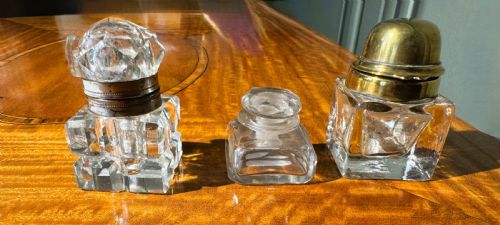
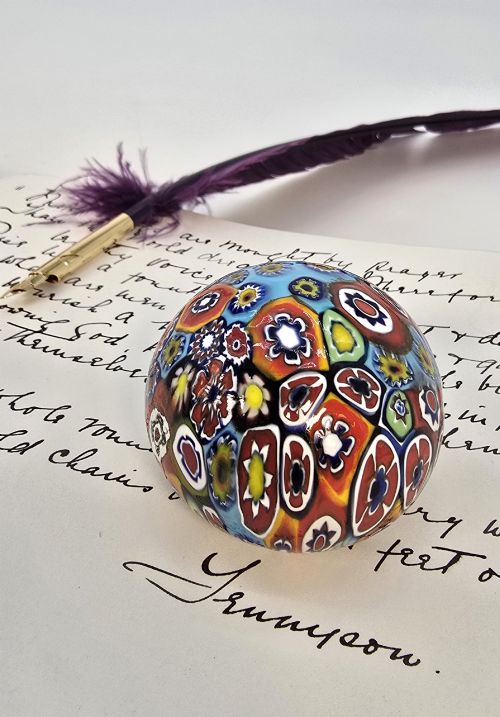
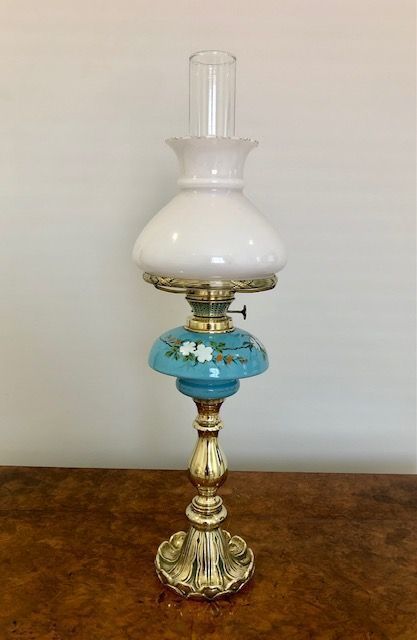
Metalwork played an equally vital structural and decorative role, employing cast brass, silver plate, and specialised alloys for postal scales, desk seals, and oil lamps. Glass and cut glass were shaped into heavy inkwells and paperweights, providing a clean surface that resisted ink corrosion.
Listings feature items from the Georgian period through the 1920s, constructed in oak, mahogany, brass, cut glass, and soapstone.
Distinctions in quality
Quality rests heavily on the crispness of execution, visible in the depth of hand-carved details on soapstone brush pots or Black Forest bears and the precision of fitted metal components on postal scales. Superior pieces maintain their original operating integrity, such as fully working perpetual calendars and accurately balanced letter scales.
Material selection and harmonious combination further elevate a piece, distinguishing standard utilitarian factory output from items constructed with carefully figured timbers, heavy gauge brass, and unclouded glass.
Elkington·P H Vogel & Co.
The Traditional Desk Accessories Glossary
- Inkstand
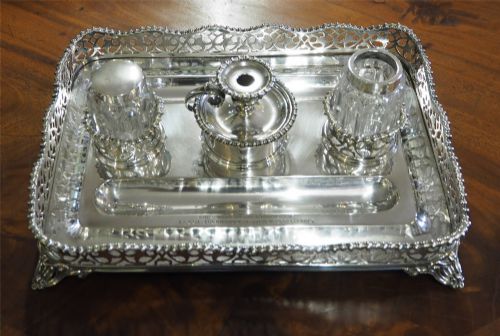
- A fitted tray or stand holding inkwells, pen holders, and sometimes a sander or wafer box. These central desktop pieces kept writing fluids contained and organised.
- Postal scales
- A weighing device featuring a balanced beam and calibrated weights designed to calculate letter postage. They were essential office equipment in the Victorian and Edwardian eras.
- Desk tidy
- A compartmentalised stand or rack used to organise stationery, envelopes, and blotting paper. They kept the working surface clear of loose papers.
- Standish
- An alternative historic term for an inkstand or portable writing set fitted with writing implements. Wealthy households often utilised elaborate silver or bronze examples.
- Soapstone
- A talc-schist mineral easily carved into intricate decorative objects and scholar's desk items. Chinese artisans frequently employed it for brush washers and seals.
- Faience
- Tin-glazed earthenware produced in various European centres, notably Dutch Delft. It provided a glossy white surface suited to painted blue decorative inkstands.
Traditional Desk Accessories: Frequently Asked Questions
How do postal scales work?
Postal scales operate on a weighted lever or beam principle where placing a letter on the platform tilts the indicator against calibrated small brass weights. They determined the correct postage rate before digital metering.
Victorian and Edwardian versions often feature ornate brass framing mounted on polished oak or mahogany bases, combining utility with desk ornamentation.
How do I date an inkwell?
Dating an inkwell involves examining the manufacturing techniques of the glass liner, the alloy of the metal mounts, and the overall style of the housing. Machine-moulded threads differ from hand-cut collars found on earlier pieces.
Styles shifted from heavy Georgian brass and mahogany toward diverse Victorian revival designs, Arts and Crafts oak, and early twentieth-century minimalism.
How should I clean brass desk accessories?
Cleaning antique brass requires gentle dusting and occasionally mild soap and water to preserve any historic surface patina. Aggressive commercial metal polishes strip away age and diminish the character.
Keeping them dry and handling them with clean hands prevents premature tarnishing and maintains the warm metallic glow intended by the maker.