






Traditional Delft Plate
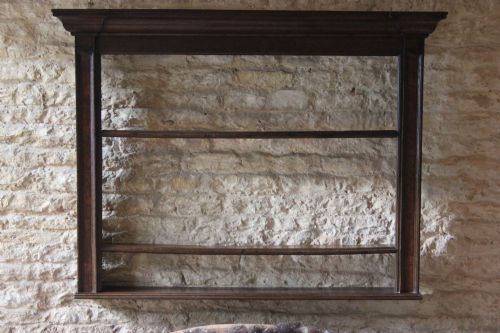
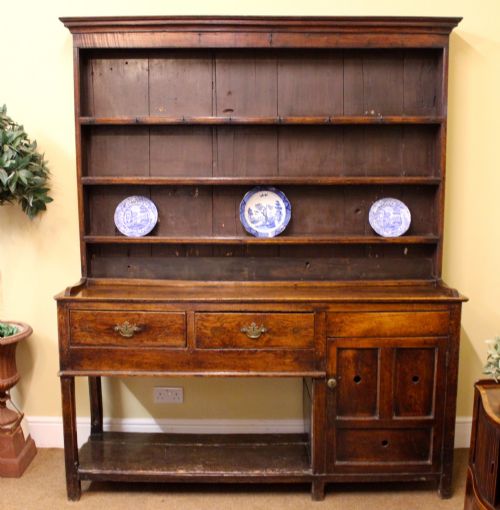
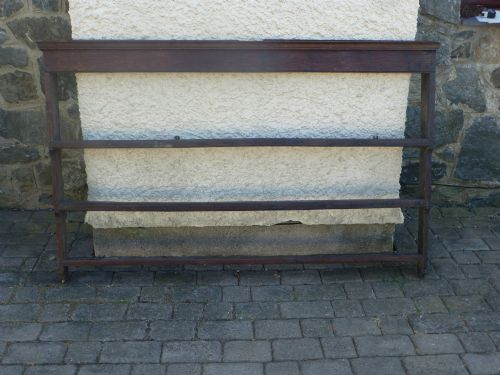
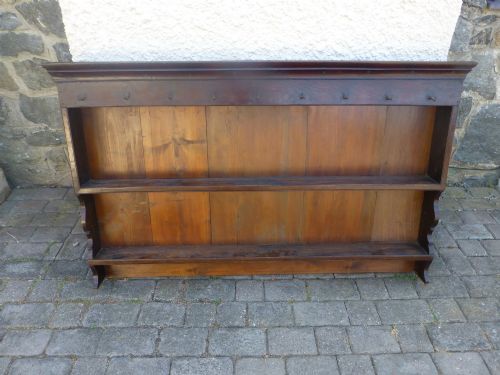
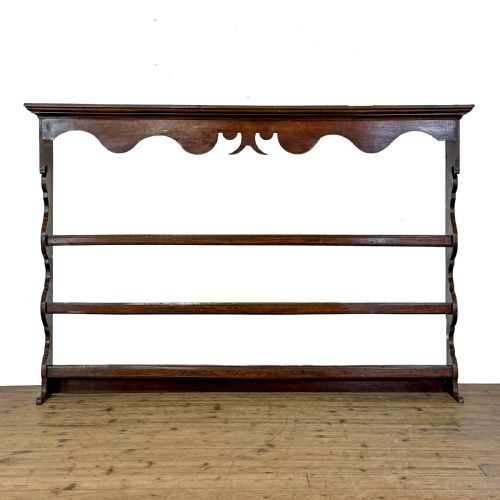
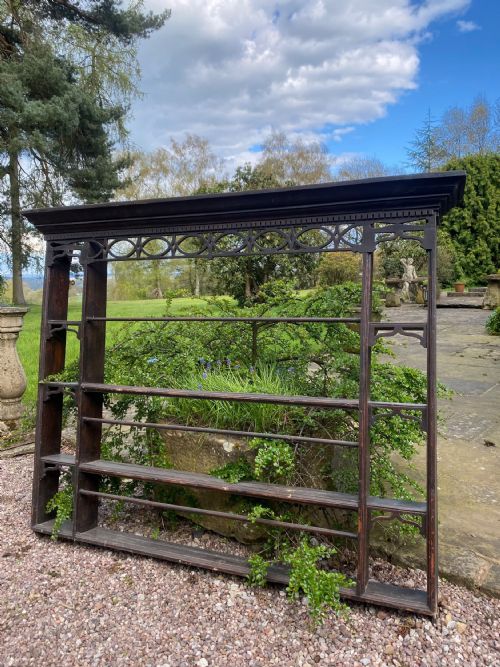
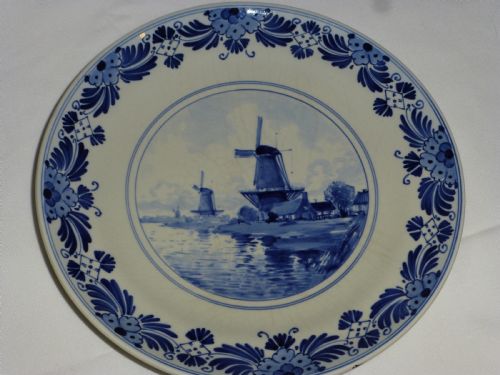
These traditional delft plate pieces are tin-glazed earthenware vessels and oak racks designed to display blue and white ceramics.
Traditional Delft Plate
When you search for a traditional delft plate, you encounter items spanning the eighteenth and nineteenth centuries, including Georgian examples. These pieces combine tin-glazed earthenware plates and chargers with oak wall racks and dressers designed to hold them.
How they were made
The vessels are formed from tin-glazed earthenware, finished with blue and white painted decoration characteristic of eighteenth and nineteenth century production. Earthenware bodies provide the foundational canvas for the tin glaze.
The accompanying furniture is constructed from oak, walnut, and other timbers, frequently incorporating inlay work and traditional joinery. Stained oak and brass elements appear across the racks and dressers.
Traditional Delft Plate Retail Price Guide 2026
Typical asking prices for traditional delft plate among the pieces listed under this phrase on Sellingantiques today, from the lower quarter to the upper quarter. They describe what is for sale here now, not the wider market.
Some oak racks have survived centuries of kitchen steam while keeping their plate-holding grooves remarkably tidy.
What varies in quality
Quality reveals itself in the crispness of the tin glaze painting on the earthenware chargers and plates. Finer examples display precise blue brushwork and stable glaze surfaces.
In the accompanying furniture, quality rests on the selection of timber and the execution of details such as marquetry and structural joinery in the oak racks.
The Traditional Delft Plate Glossary
- Tin-Glazed Earthenware
- Pottery fired with an opaque white glaze containing tin oxide, providing a smooth surface for painted decoration. This technique defines traditional delftware production.
- Dresser Rack
- A wall-mounted or integrated wooden shelving unit designed to display plates and chargers. These pieces are frequently constructed from oak.
- Charger
- A large decorative plate intended for display rather than dining. Eighteenth and nineteenth-century examples often feature blue and white pictorial designs.
- Marquetry
- The art of applying pieces of veneer to a structure to form decorative patterns. This technique appears on certain nineteenth-century racks.
Traditional Delft Plate: Frequently Asked Questions
What is a traditional delft plate?
A traditional delft plate is an earthenware vessel finished with a tin glaze and typically painted in blue and white. These items date primarily from the eighteenth and nineteenth centuries.
They were produced in various styles including Dutch and English interpretations. Many survive alongside the wooden wall racks created to display them.
How were delft plate racks used?
Delft plate racks were mounted on walls or sat atop dressers to showcase decorative ceramics in domestic interiors. The vertical slats and ledges kept chargers upright and visible.
These oak fixtures formed a central part of historic kitchen and dining room storage. They allowed households to display their finest tin-glazed earthenware.
How do I date a delft rack?
Dating an oak delft rack involves examining the timber characteristics, construction methods, and joinery used by the maker. Eighteenth-century examples often feature hand-sawn boards and pegged joints.
Later nineteenth-century pieces may incorporate styles like Gothic Revival or decorative marquetry inlay. Comparing the hardware and wood patination helps clarify the period.
How do I care for tin-glazed earthenware?
Tin-glazed earthenware requires gentle handling due to the ceramic body and the historical nature of the tin glaze. Keep these pieces away from moisture and extreme temperature fluctuations.
Display them securely on stable surfaces or dedicated wall racks. Dust them softly with a dry cloth to preserve the painted blue and white surface.