

Traditional Cut Crystal
Traditional cut crystal brings weight and brilliance to a room, catching the light across decades of glassware and chandeliers.
Traditional Cut Crystal
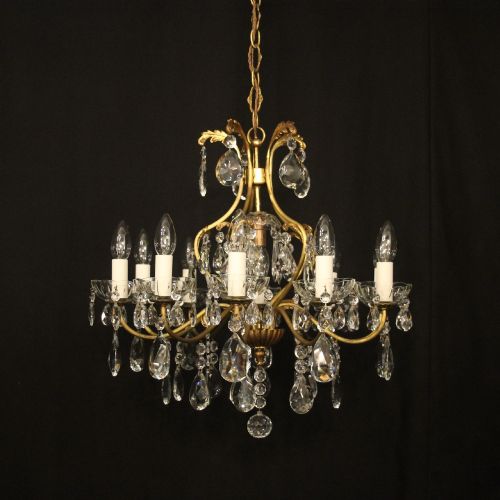
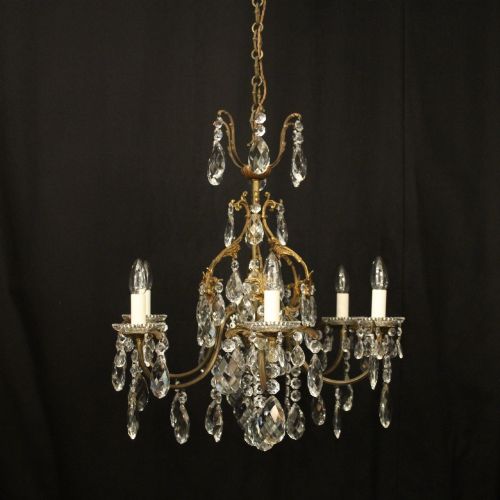
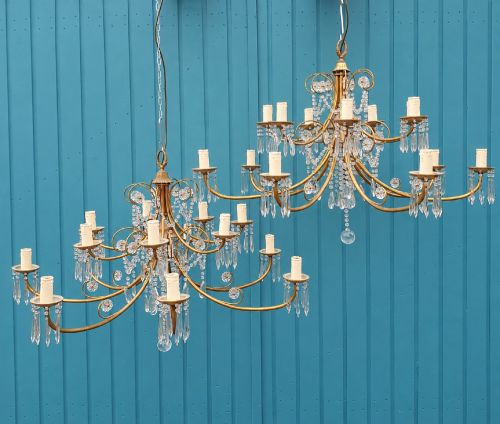
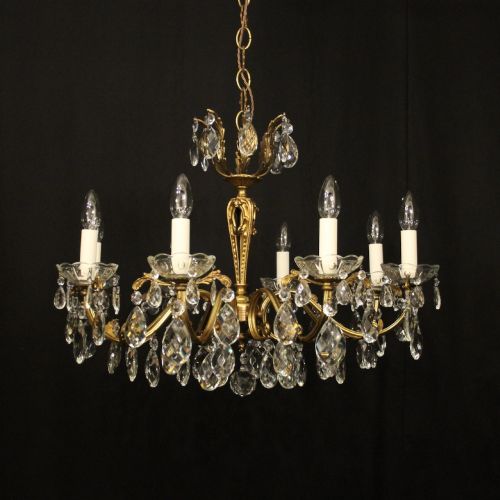
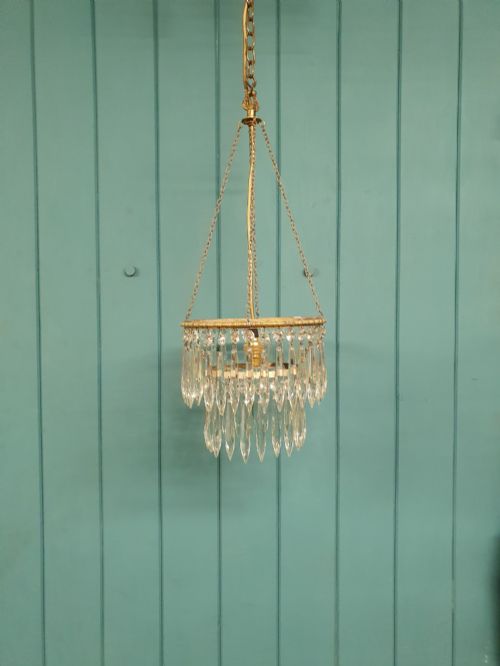
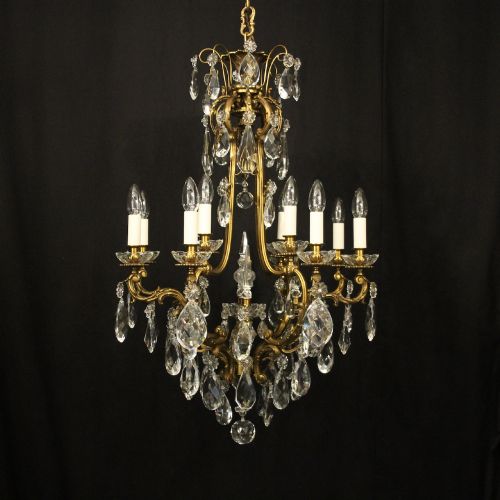
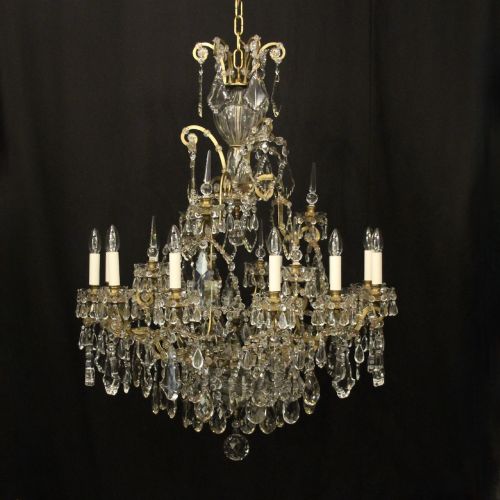
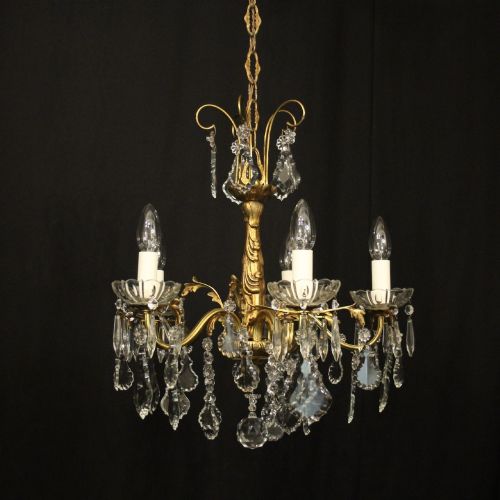
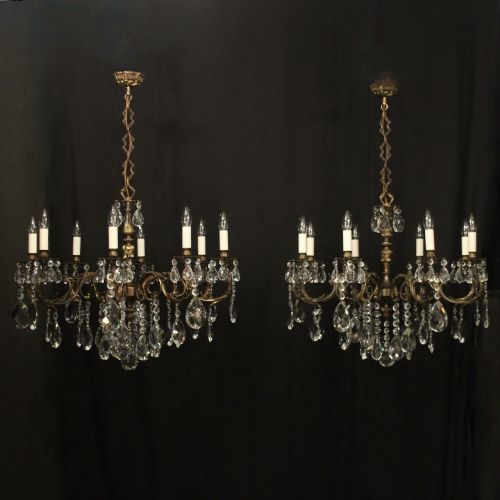
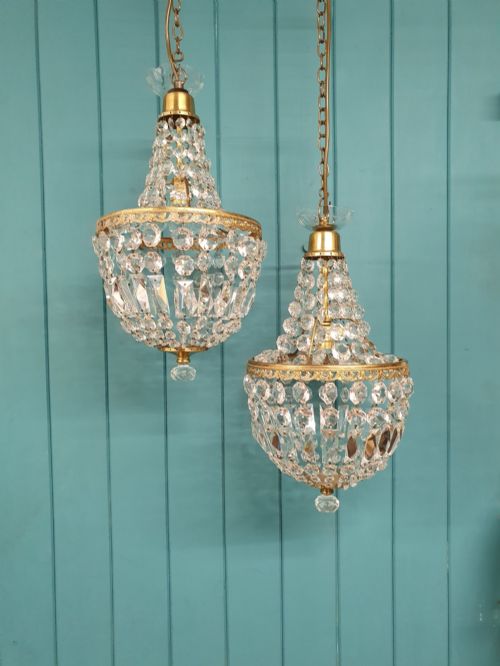
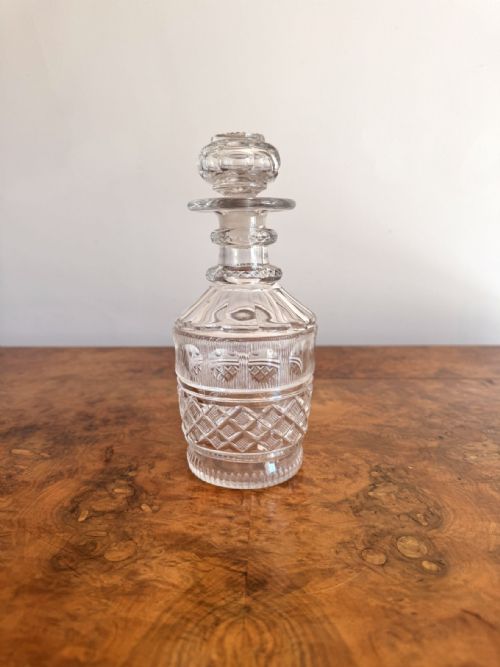
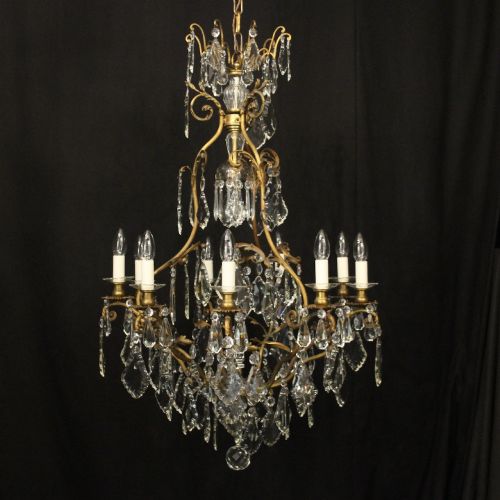
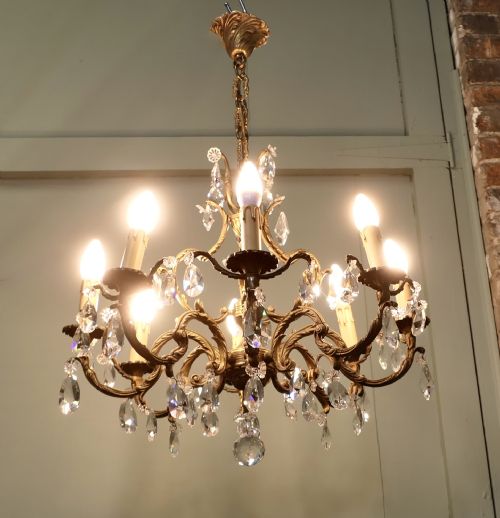
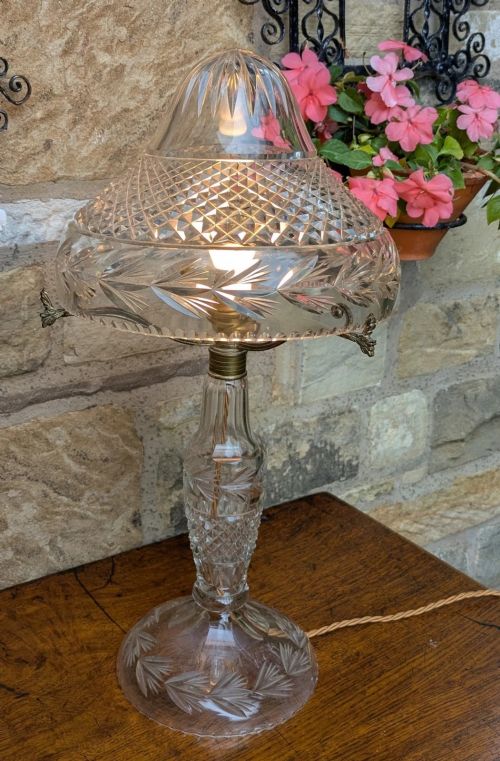
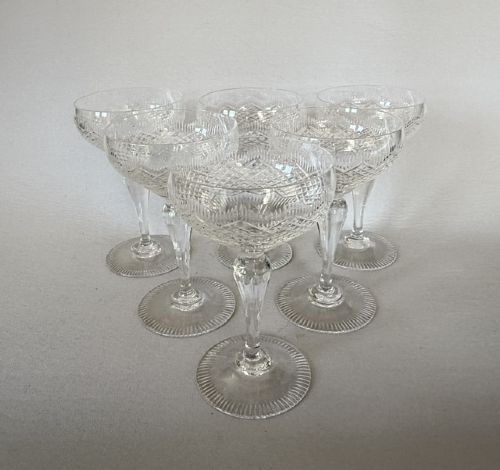
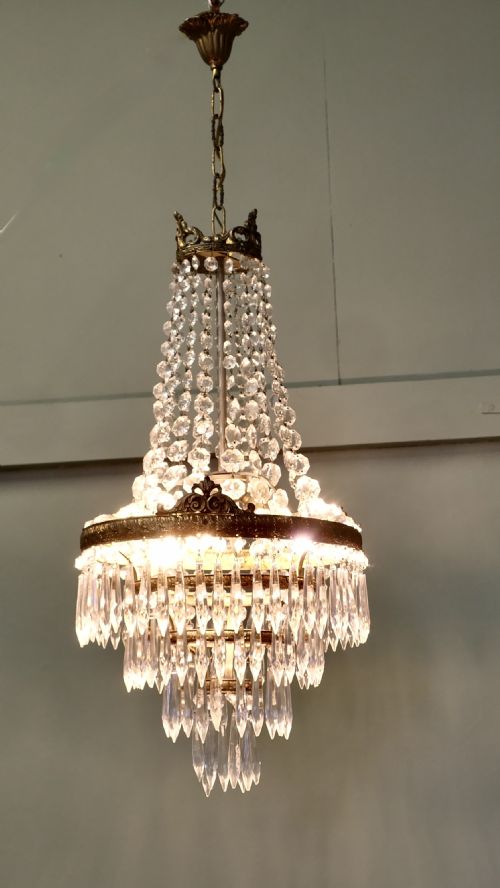
Traditional cut crystal spans substantial lighting and tableware designed to catch and refract light through deep wheel-cut facets. When you search for traditional cut crystal, you encounter everything from elaborate French chandeliers and brass wall lights to Victorian decanters, whisky tumblers, champagne bowls, and table lamps.
The pieces on this page lean heavily towards large lighting fixtures from the early twentieth century and Victorian dining accessories. Chandeliers dominate the heavier metal and glass combinations, while smaller glassware forms provide practical table service originating from the nineteenth and early twentieth centuries.
Materials and construction
These items combine lead crystal, cut glass, and cut crystal with metal frameworks made of brass, gilt bronze, and gilt brass. The glass elements rely on precise wheel-cutting techniques to create facets, flutes, and patterns that distribute light across the room.
Lighting fixtures employ structural metal mounts, chains, and beaded arms to support hanging crystal lustres, drops, and tent formations. Tableware and decanters shape heavy molten material into bowls, stems, and stoppers before the surface polishing and cutting takes place.
Traditional Cut Crystal Retail Price Guide 2026
Typical asking prices for traditional cut crystal among the pieces listed under this phrase on Sellingantiques today, from the lower quarter to the upper quarter. They describe what is for sale here now, not the wider market.
Listings feature lighting from the Victorian, Edwardian, and Art Deco eras, alongside French Empire and Louis Revival styles.
Distinctions in quality
Quality rests upon the crispness of the cutting and the clarity of the material itself. Sharp, deep facets reflect light evenly, whereas softer, rounded edges dull the overall brilliance of a piece.
The structural integrity of the metal framework and the completeness of the hanging lustres dictate the standard of larger lighting. Matched sets of glassware demonstrate superior preservation when individual items maintain uniform thickness and matching patterns.
Stuart Crystal·F. and C. Osler
The Traditional Cut Crystal Glossary
- Cut glass
- Glass decorated by abrasive wheels that grind patterns into the surface. This technique creates sharp facets that scatter ambient light.
- Lead crystal
- Glass containing metallic oxide that increases weight, brilliance, and workability. It allows deeper and more precise cutting than standard glass.
- Plafonnier
- A ceiling-mounted bowl light sitting close to the surface. These fixtures diffuse light downwards through patterned glass or crystal.
- Tantalus
- A locking wooden frame holding decanters securely visible while preventing access without a key. They frequently incorporate inlaid mahogany and brass fittings.
- Lustre
- A hanging pendant of cut crystal suspended from a chandelier or wall light. They swing to amplify the sparkle of the fixture.
Traditional Cut Crystal: Frequently Asked Questions
How do I clean an antique crystal chandelier?
Remove dust gently with a dry microfibre cloth before applying a mild cleaning solution to each crystal drop by hand. Support each pendant carefully to avoid straining the wire or brass pins holding them to the frame.
Keep moisture away from the electrical fittings and metal mounts to prevent tarnishing or corrosion. Allow all components to dry completely before turning the light back on.
How do I date an old decanter?
Examine the base for a pontil mark where the glassblower's rod was snapped off and ground smooth. Hand-cut stoppers and heavy lead composition generally indicate nineteenth or early twentieth-century manufacture.
Compare the neck shape and cutting style against dated examples like Victorian ringed necks or Edwardian bell-shaped profiles.
Are these pieces made of glass or crystal?
The items encompass both standard cut glass and lead crystal depending on the specific object and period. Lead crystal contains additives that increase the refractive index, giving it a heavier feel and brighter sparkle.
Both materials appear frequently across the tableware and lighting fixtures listed on this page.