

Traditional Commode Drawers
Traditional commode drawers are practical storage chests crafted in mahogany, oak, walnut, and pine across several historical periods.
Traditional Commode Drawers
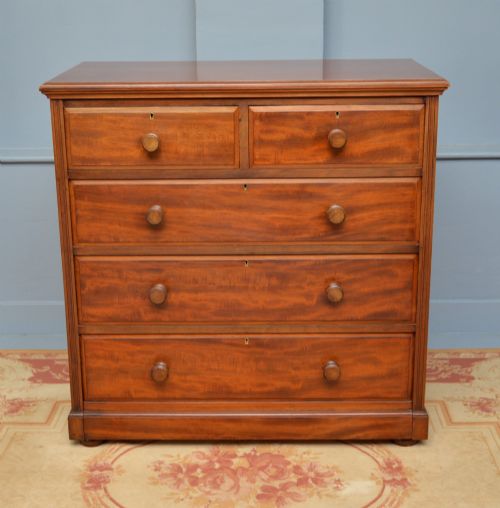
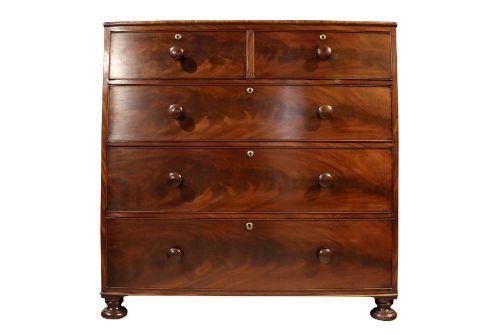
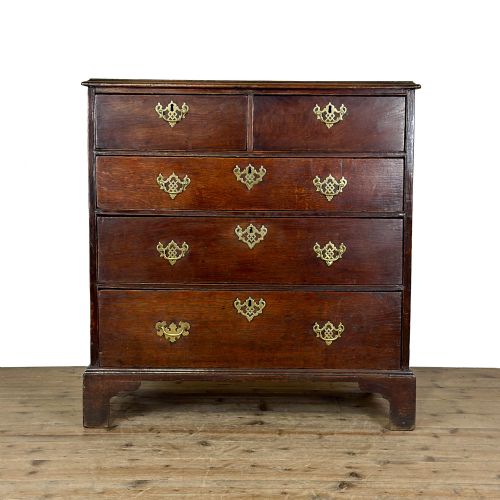
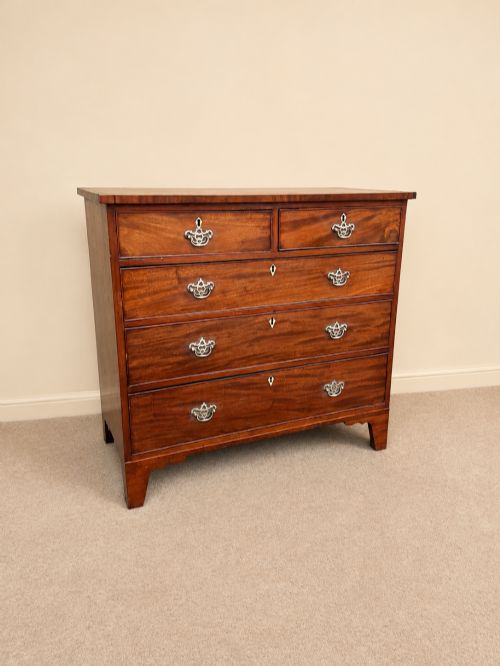
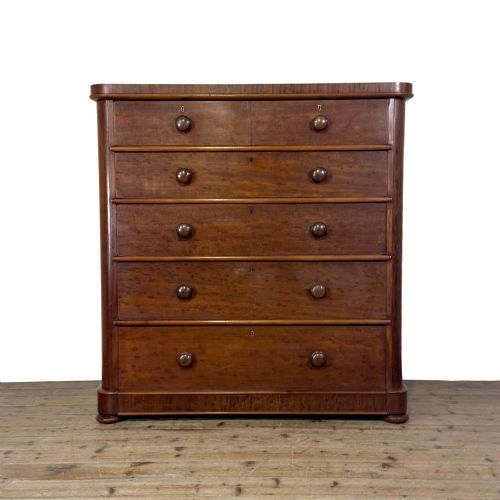
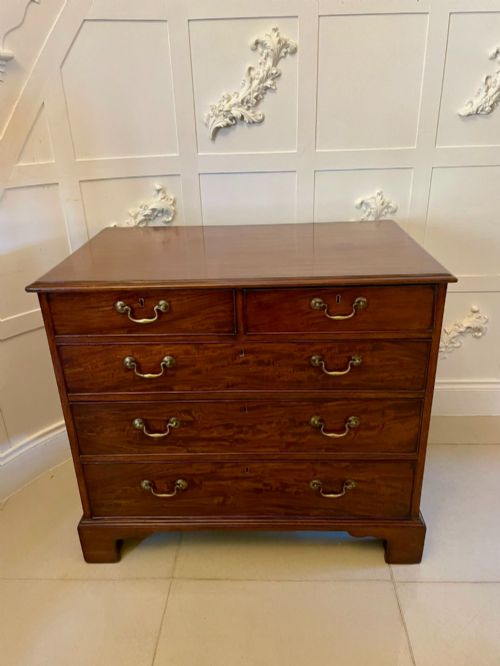
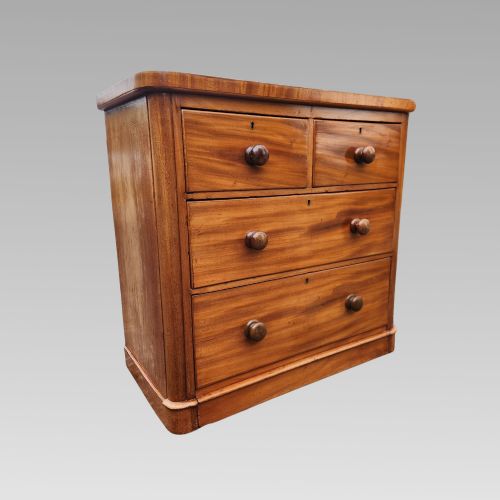
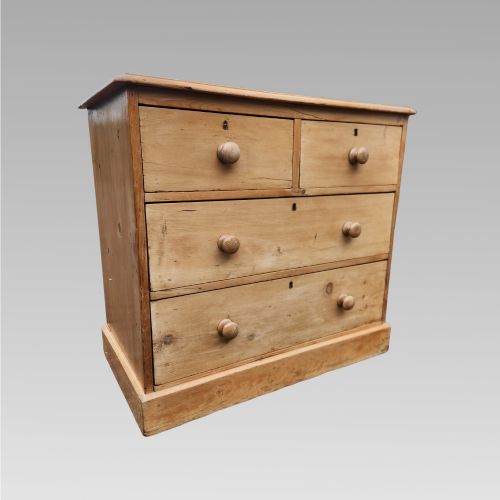
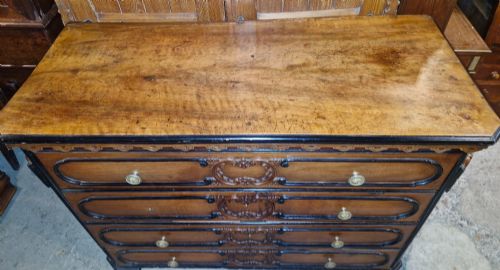
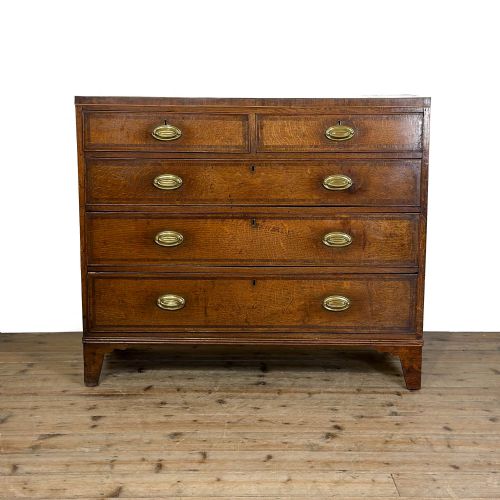
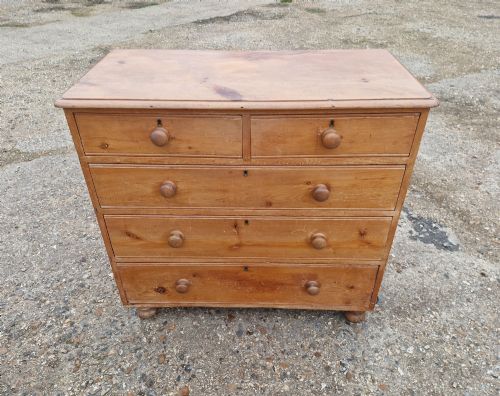
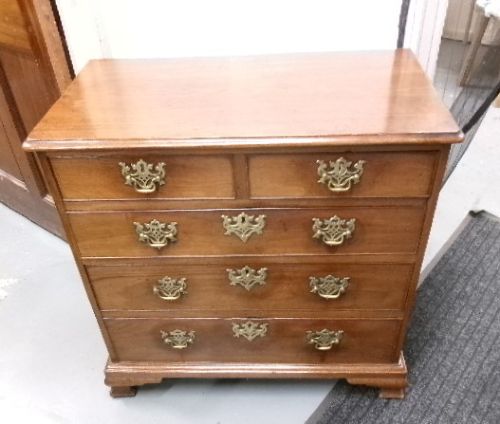
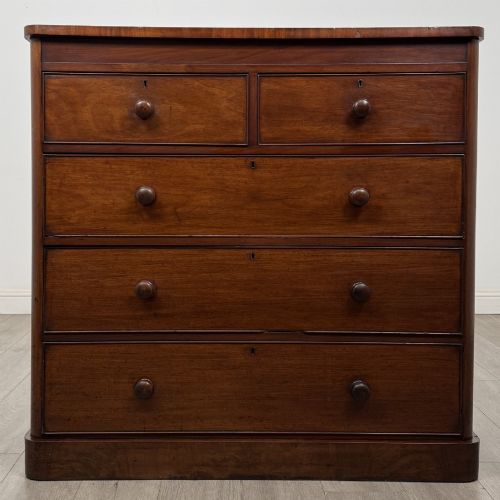
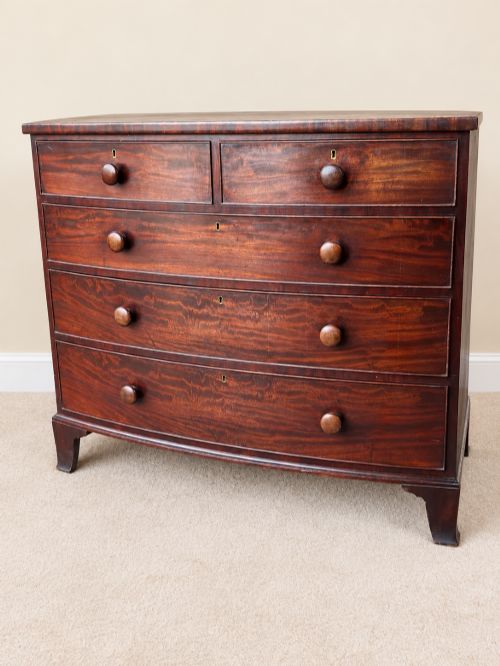
Traditional commode drawers appear primarily as chests of drawers, cabinets, and cupboards spanning from the 18th century through the Georgian, Victorian, and Edwardian eras. These pieces provide functional storage through horizontal drawers arranged in graduating sizes, sometimes featuring bow fronts or serpentine shapes.
The most common examples encountered on this page date from the Georgian and Victorian periods, constructed in richly grained timbers like mahogany and walnut. Buyers select these items for domestic use in bedrooms and living spaces, valuing their solid proportions and historical character.
Materials and Construction
Cabinet makers utilised dense hardwoods such as mahogany, oak, and walnut, often selecting burr walnut or figured veneers for decorative drawer fronts. Pine and ash also appear frequently, particularly in secondary framing and country pieces.
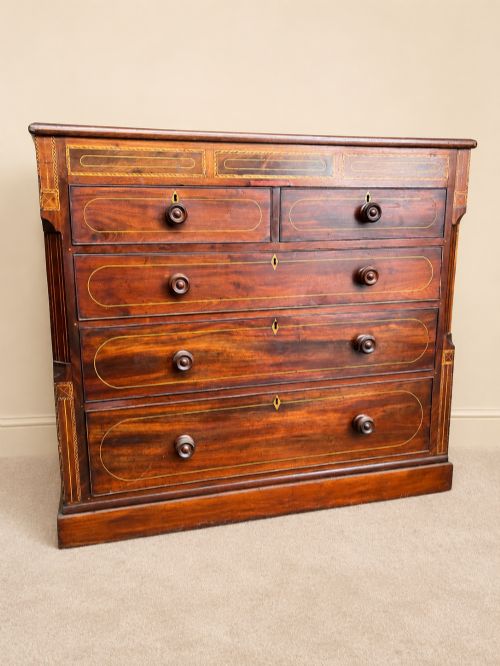
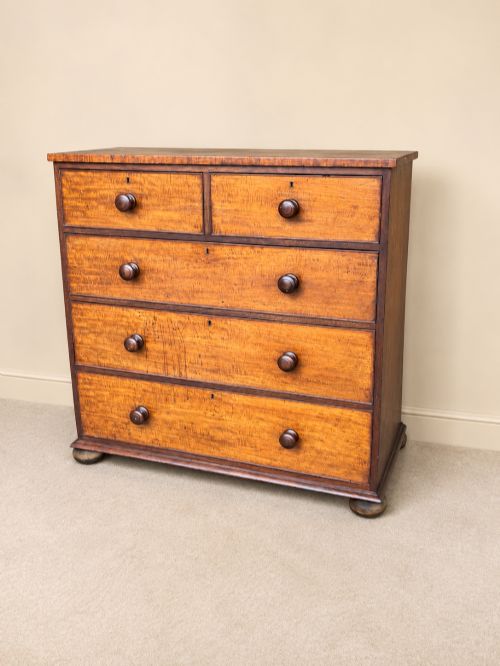
Joinery techniques relied on solid timber construction fitted with brass handles, turned wooden knobs, or bun feet. Surfaces were finished to highlight the natural grain of the wood, occasionally incorporating inlaid details or raised galleries.
Traditional Commode Drawers Retail Price Guide 2026
Typical asking prices for traditional commode drawers among the pieces listed under this phrase on Sellingantiques today, from the lower quarter to the upper quarter. They describe what is for sale here now, not the wider market.
Listings feature items spanning the 18th, 19th, and 20th centuries, including Georgian, Victorian, and Edwardian periods.
Assessing Quality
Quality rests upon the selection of timber figures, such as matching burr walnut veneers across the drawer fronts, and the crisp execution of mouldings and bracket feet. Superior pieces display thoughtful grain continuity and balanced proportions.
The integrity of the original hardware, including brass cup handles or turned wooden knobs, influences the standing of a piece. Finer examples maintain structural soundness in the drawer runners and carcase while preserving their period surface finishes.
The Traditional Commode Drawers Glossary
- Bow front
- A convexly curved front to a chest of drawers that swells outward in the centre.
- Serpentine
- A furniture front characterised by a gentle undulating shape with a convex centre flanked by concave curves.
- Burr walnut
- A prized wood veneer showing intricate, swirling patterns gathered from the knotted growths of walnut trees.
- Bracket feet
- Small, architectural feet supporting the corners of a chest, often shaped in an ogee or simple bracket profile.
- Quarter veneering
- The practice of arranging four matching slices of figured wood veneer symmetrically to create a patterned surface.
Traditional Commode Drawers: Frequently Asked Questions
How do I date a chest of drawers?
Dating relies upon observing the combination of timber, construction methods, and hardware styles. Pieces from the 18th century often display hand-cut dovetails and native oak or mahogany timbers.
Later Victorian and Edwardian examples introduce machine-sawn elements, varied pine secondary woods, and distinct handle designs like brass cup handles or turned wooden knobs.
Where should I place a commode in my home?
Traditional chests of drawers suit bedrooms, hallways, and living rooms as functional storage units. Their solid wooden construction and drawers make them practical for organising clothing and linens.
Placing them out of direct sunlight helps protect antique wood finishes and sensitive veneers from fading over time.
What is the difference between mahogany and walnut pieces?
Mahogany items tend to feature a dense, reddish-brown timber that gained widespread popularity during the Georgian and Victorian eras. This wood accepts crisp carving and maintains strong structural stability.
Walnut pieces often showcase intricate grain patterns, particularly when utilising burr veneers during the Queen Anne and later revival periods.
How do I care for antique wood surfaces?
Maintenance involves dusting with a soft, dry cloth and avoiding modern silicone-based polishes that can build up over time. Applying traditional beeswax occasionally helps nourish old timber.
Keeping pieces away from radiators and damp environments prevents the wood from warping and protects vulnerable veneers.