



Traditional Coat Hooks
Traditional coat hooks combine sturdy wall-mounted storage with period character, offering an authentic way to organise hallways using solid timber and metal hardware.
Traditional Coat Hooks
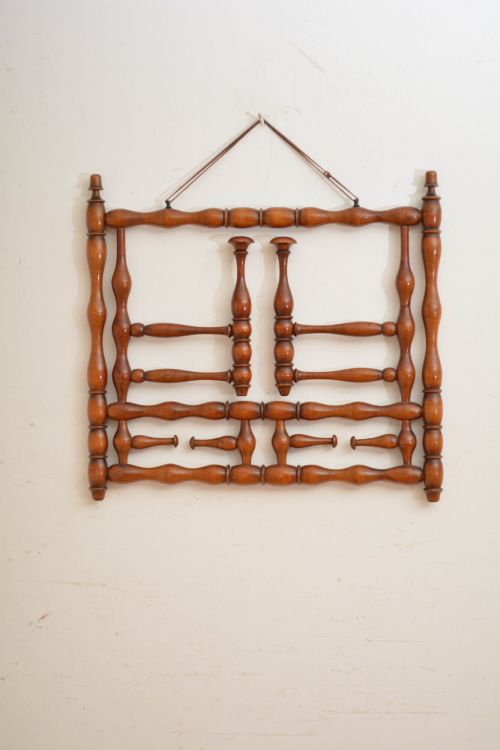
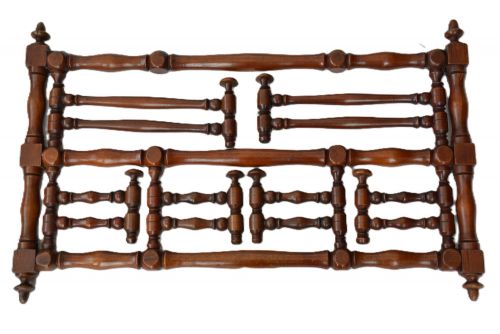
Origins vary from English reception valets to continental kitchen game racks and French bistro fittings. Pieces emerge from periods including the Georgian era, the nineteenth century, and the turn of the twentieth century.
How they were made
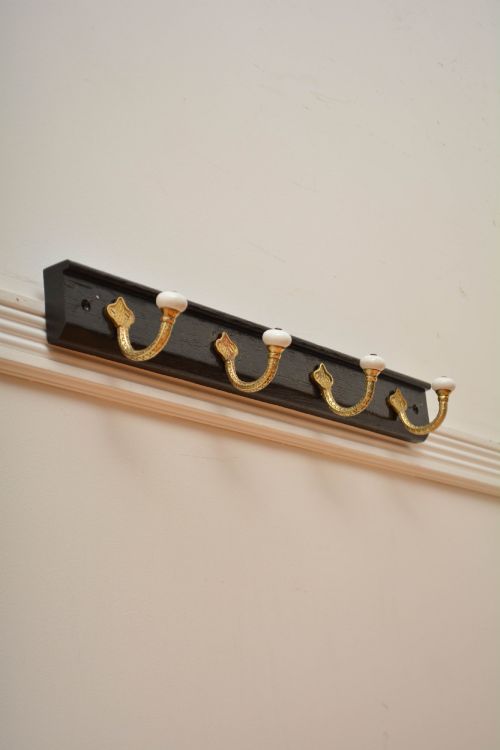
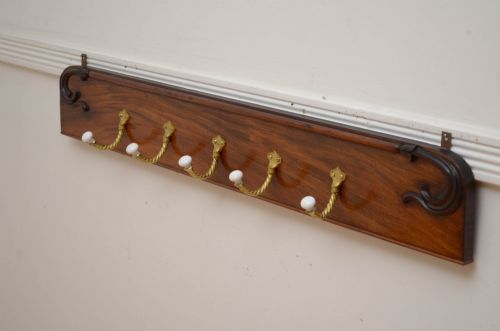
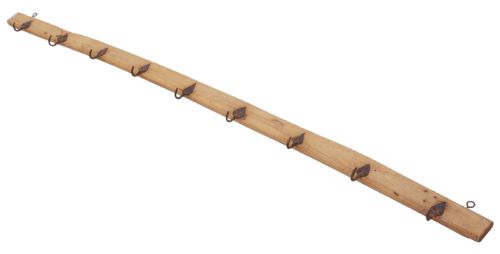
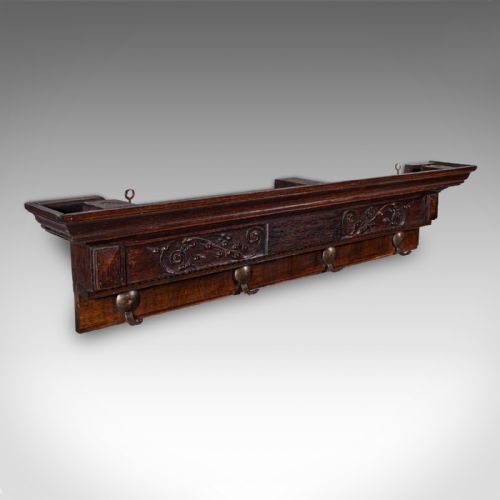
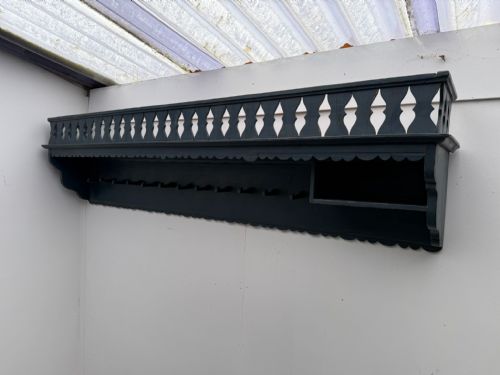
Makers constructed backboards from dense hardwoods like oak and mahogany, alongside softer alternatives such as pine. Timber boards were often shaped, painted, or ebonised to complement domestic interiors.
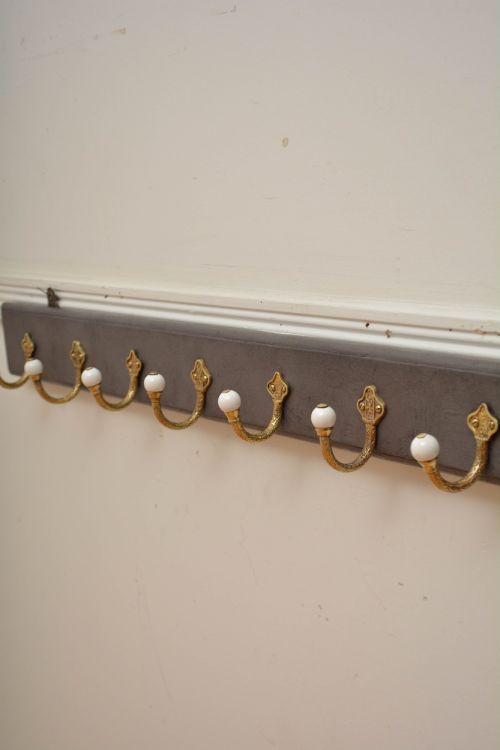
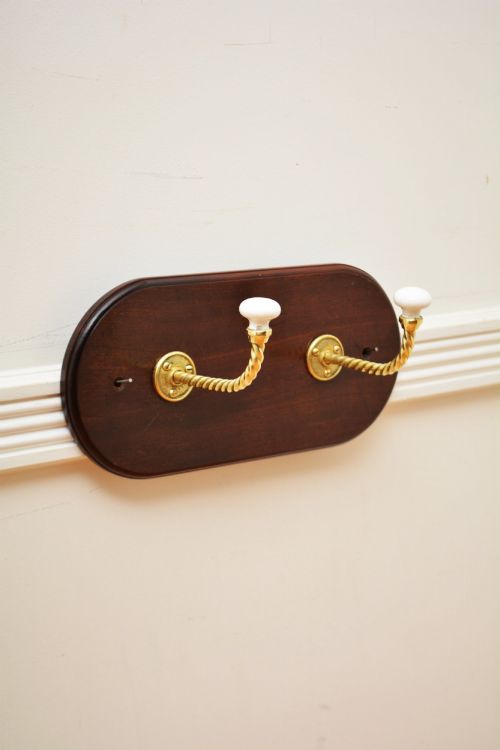
Hooks utilised durable metals, predominantly cast brass and wrought iron, frequently paired with ceramic inserts or shaped as twisted rope designs. Metalwork was secured firmly to wooden rails designed to withstand daily weight.
Traditional Coat Hooks Retail Price Guide 2026
Typical asking prices for traditional coat hooks among the pieces listed under this phrase on Sellingantiques today, from the lower quarter to the upper quarter. They describe what is for sale here now, not the wider market.
Periods represented span Georgian, Victorian, Edwardian, and the turn of the twentieth century.
What varies in quality
Quality rests in the integrity of the materials and the execution of the hardware. Solid oak and mahogany backboards matched with heavy cast brass and ceramic hooks represent superior construction compared to simpler utility alternatives.
Refinement in the timber joinery and original painted finishes distinguish finer pieces. The retention of matching original hooks rather than later replacements elevates the overall character.
The Traditional Coat Hooks Glossary
- Backboard
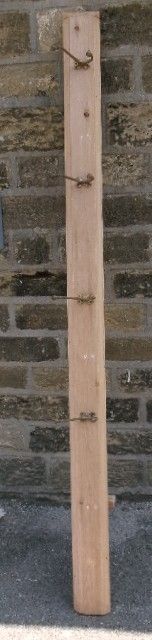
- The horizontal or vertical timber length that secures the hooks to the wall. This wooden mount distributes the weight of garments evenly.
- Ebonised
- Wood treated with a finish to imitate ebony. This dark staining technique appears frequently on nineteenth-century pieces.
- Cloakroom rack
- A compact wall-mounted rail designed for visitors' garments. These typically feature multiple closely spaced hooks.
- Hat stand
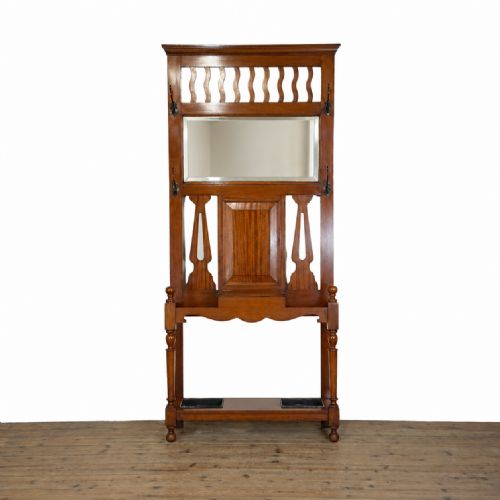
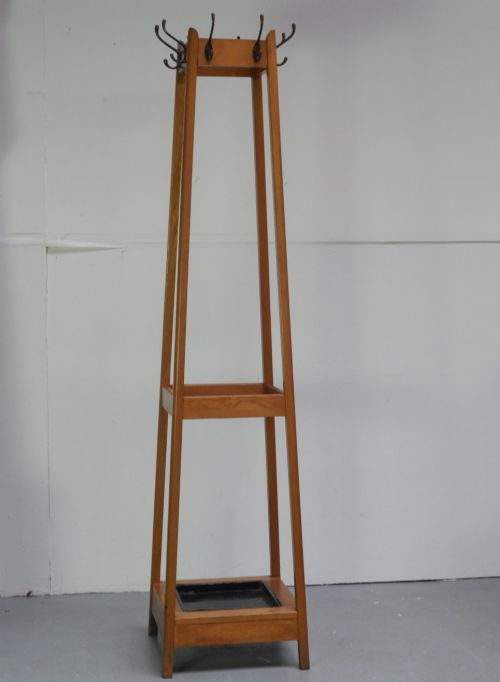
- A freestanding or wall-mounted piece incorporating high brackets for headwear alongside standard coat hooks. Many include integrated umbrella storage.
Traditional Coat Hooks: Frequently Asked Questions
How do I mount a wooden coat rack securely?
Wall-mounted racks require fixings suited to the weight of solid timber and heavy winter garments. Locate structural wall studs or utilise appropriate wall anchors for stability.
Ensure the backboard is screwed directly into firm support to prevent the screws from pulling away under daily loads.
Are these hooks strong enough for heavy coats?
Period brass and iron hooks attached to solid oak or mahogany backboards provide substantial load-bearing strength. They were originally built for heavy woollen overcoats and damp cloaks.
Verify that the backboard timber remains sound around the screw placements before hanging heavy items.
How do I distinguish Victorian from Edwardian racks?
Victorian pieces often feature heavier timbers, ebonised finishes, and decorative brass combined with ceramic elements. They lean towards formal, substantial designs.
Edwardian examples tend to display lighter pine or oak construction with simpler lines, reflecting a shift towards brighter domestic spaces.
Can I use these in a modern hallway?
Traditional racks integrate easily into contemporary interiors by adding warmth and practical storage. The contrast of aged wood and metal suits modern minimalist or rustic hallways alike.
Check the overall length and hook spacing to ensure the piece fits the intended wall space.