

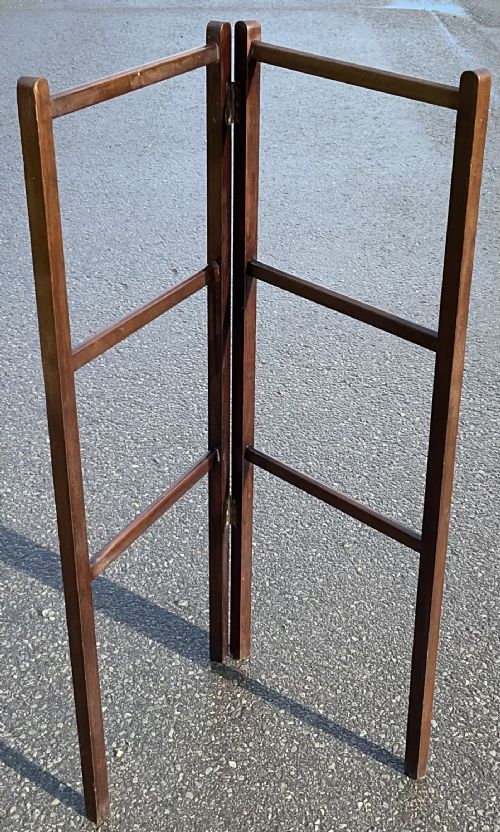


Traditional Clothes Horse
A traditional clothes horse offers practical utility, serving as a dependable standing frame for airing laundry or draping garments.
Traditional Clothes Horse
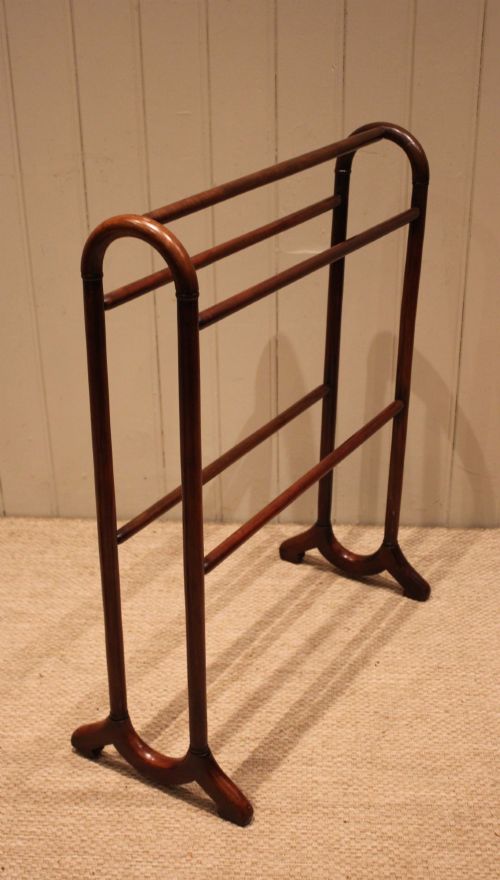
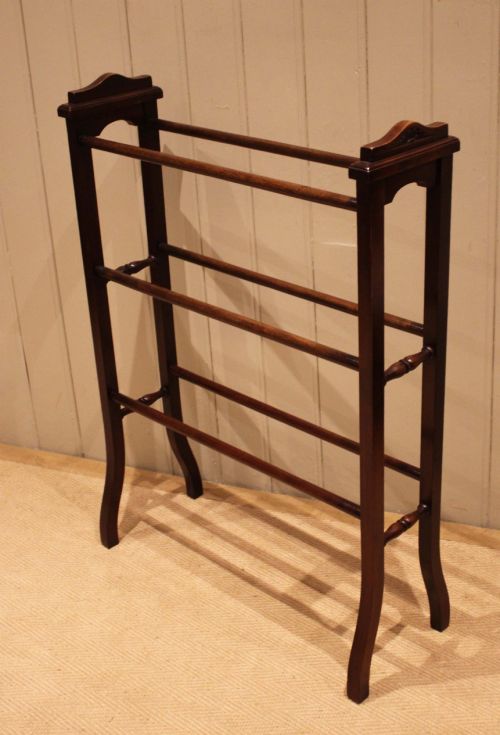
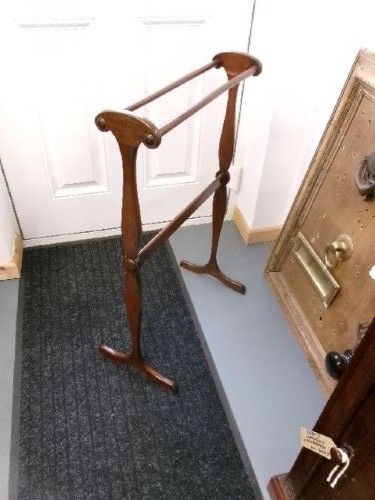
A traditional clothes horse, often listed as a towel rail or clothes rack, provides a sturdy freestanding structure designed for domestic drying and airing. These pieces range from compact variants to large standing items equipped with multiple rails.
The selections encountered here span several distinct periods including Regency, Victorian, Edwardian, and the late nineteenth century. Pieces appear in forms such as folding towel rails, five bar stands, and robe stands.
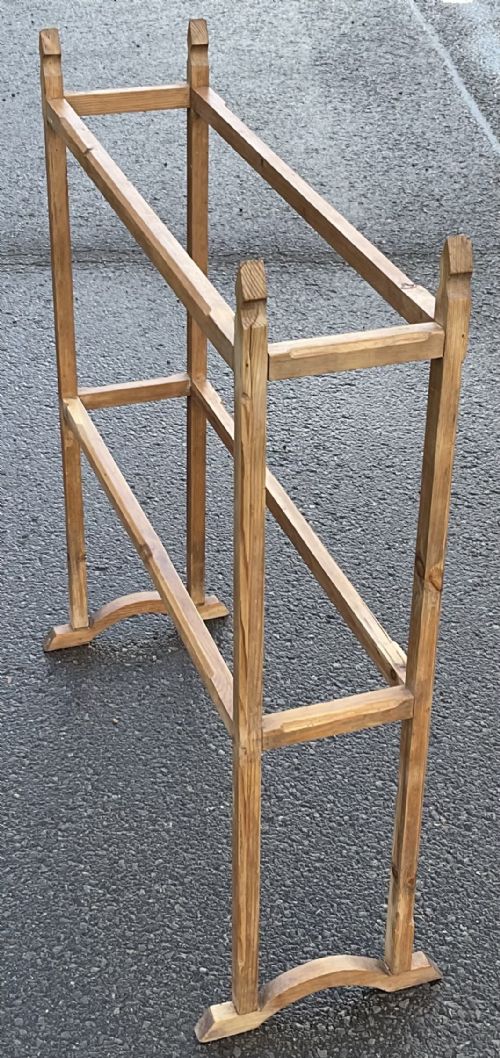
Origins include nineteenth century English workshops alongside Qing Dynasty examples. Common formats include mahogany frames and pine standing rails suited for everyday utility.
Materials and construction methods
Construction relies heavily on timbers such as mahogany and pine, shaped into standing frames and folding rails. Selected examples utilise elm, boxwood, and brass fittings to support the structure.
Surface treatments range from natural wood finishes to black ebonised wood and lacquered wood surfaces. Inlaid details and silhouette shaping appear on specific nineteenth century English and Regency pieces.
Traditional Clothes Horse Retail Price Guide 2026
Typical asking prices for traditional clothes horse among the pieces listed under this phrase on Sellingantiques today, from the lower quarter to the upper quarter. They describe what is for sale here now, not the wider market.
Listings feature woods such as mahogany, pine, elm, boxwood, ebonised wood, and lacquered wood across Victorian, Edwardian, and Regency periods.
Quality differences in construction
Variations in quality stem from the choice of timber and the complexity of the frame design, distinguishing simple pine utility items from finely turned mahogany stands. Superior items often incorporate multiple rails, robust joints, and decorative inlays.
Scale and proportion influence the presence of a piece, with larger standing rails and grander lacquered robe stands offering a more substantial visual impact than smaller domestic towel rails.
Gillows
The Traditional Clothes Horse Glossary
- Clothes horse
- A freestanding wooden frame used for hanging and drying garments or textiles. These pieces function as movable drying racks within domestic spaces.
- Towel rail
- A frame featuring one or more horizontal bars designed for holding towels or clothes. Variants include folding designs and large standing rails.
- Robe stand
- A substantial standing rack intended for hanging robes or garments. These larger scaled pieces often feature lacquered finishes.
- Ebonised wood
- Timber treated with a dark finish to imitate expensive ebony. This dark surface treatment appears on late nineteenth century stands.
- Inlaid mahogany
- Mahogany timber decorated with contrasting wood insertions. Edwardian examples frequently incorporate this decorative technique into the rails.
Traditional Clothes Horse: Frequently Asked Questions
What is a traditional clothes horse used for?
A traditional clothes horse serves as a freestanding frame for drying laundry and airing garments within the home. These items provide an alternative to modern drying appliances.
Historically, these pieces stood near hearths or in utility rooms to warm and dry textiles efficiently. Today, they remain practical for gentle textile care and display.
How do I identify a Victorian clothes horse?
Victorian examples typically feature robust mahogany or decorated pine construction, often dating from the mid to late nineteenth century. These pieces emphasise solid utility and straightforward standing frames.
Examining the timber type and construction joints helps determine the period. Victorian pieces frequently display heavier proportions compared to lighter Edwardian designs.
Where should I place a standing towel rail?
Standing towel rails fit well in bathrooms, bedrooms, or utility spaces where textiles require accessible storage or drying space. Their freestanding nature allows for easy repositioning.
Ensure the room has adequate ventilation if used primarily for damp laundry. Folding variants also allow for compact storage when not in active use.
What materials are common in antique clothes racks?
Antique clothes racks and towel rails predominantly utilise mahogany and pine, occasionally incorporating brass details. Ebonised wood and lacquered finishes also appear on specific pieces.
Pine items usually represent simpler domestic utility, whereas mahogany and inlaid variations reflect more formal nineteenth and early twentieth century furnishings.