



Traditional Clothes Airer
A traditional clothes airer is a practical piece of period furniture designed to dry laundry efficiently while adding warmth to a room.
Traditional Clothes Airer
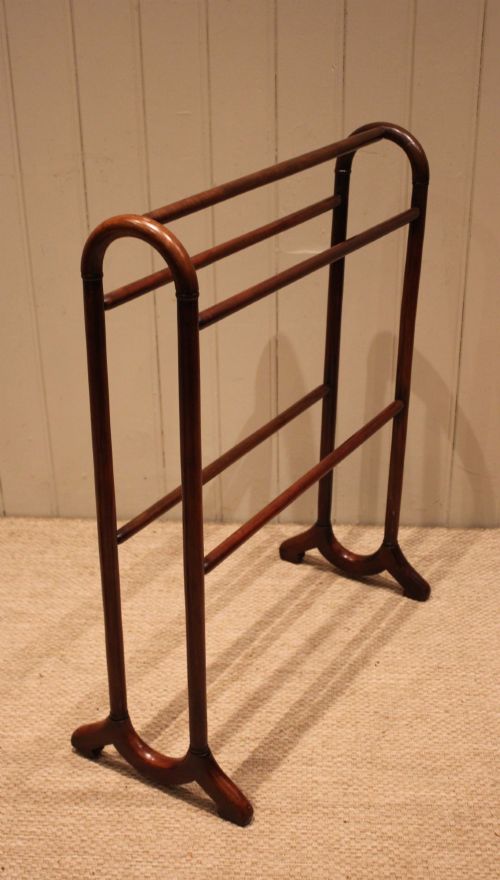
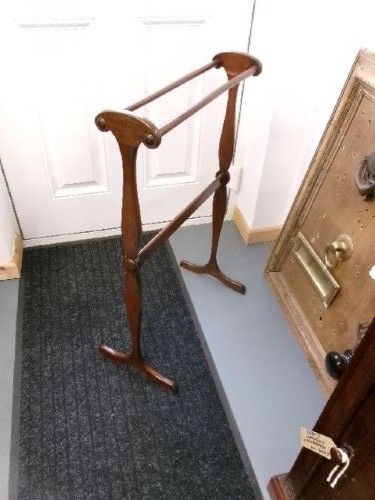
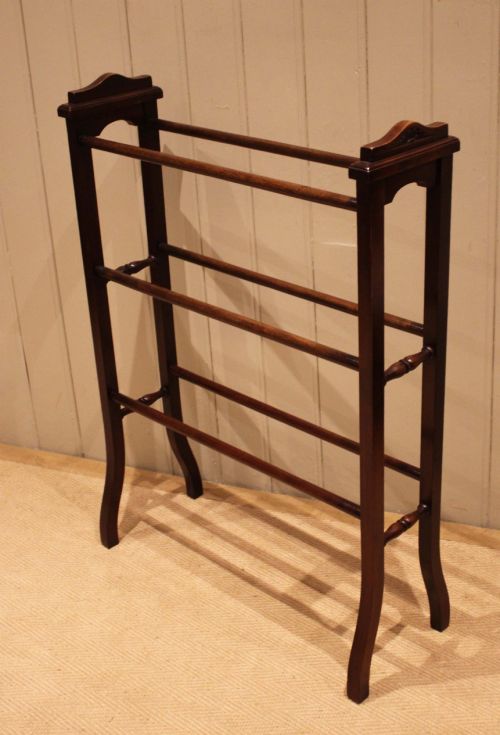
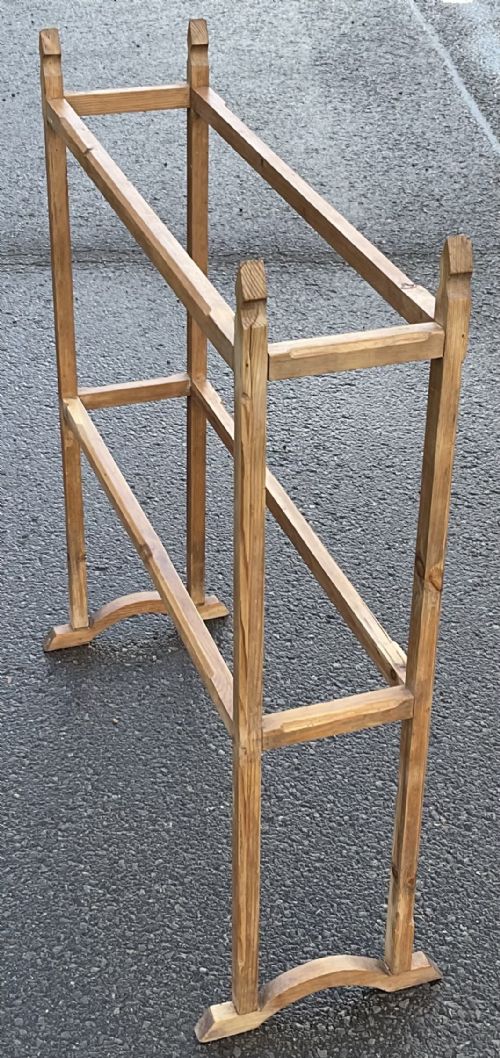
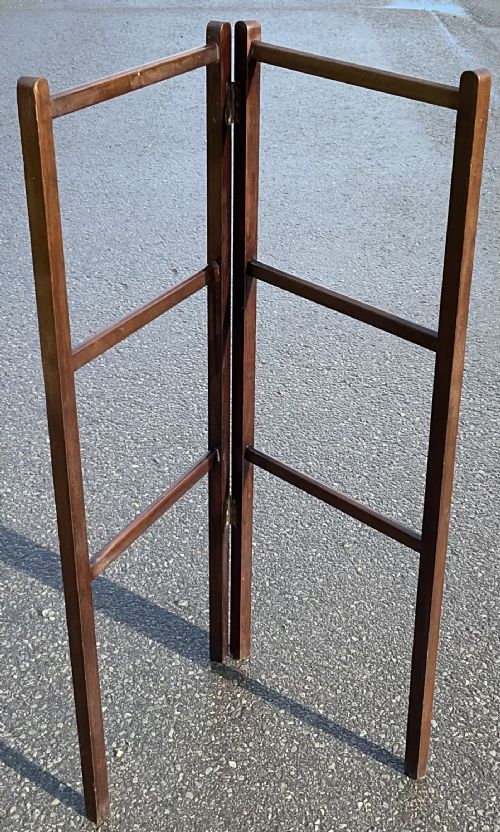
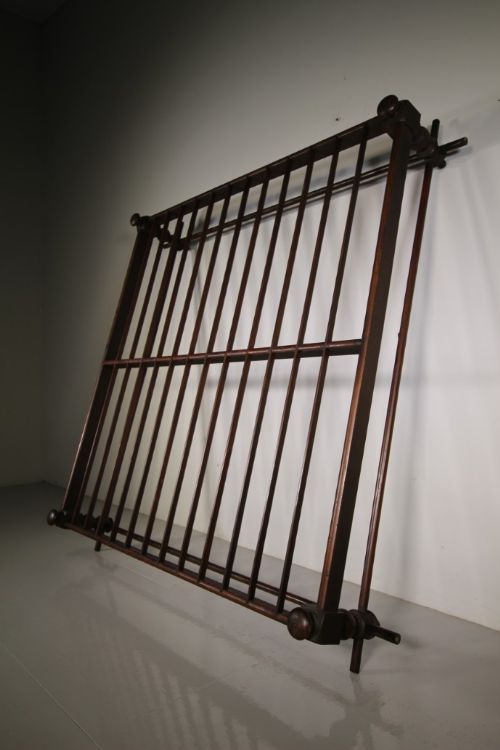
When searching for a traditional clothes airer, you are looking at functional Victorian, Edwardian, and Regency wooden stands designed for drying laundry and textiles. The pieces on this page appear primarily as standing towel rails, folding rails, kitchen racks, and nursery fenders equipped with integrated hanging rails.
You are most likely to meet Edwardian and Victorian standing towel rails made from mahogany or pine, often featuring multiple horizontal bars for hanging garments. These practical items reflect the domestic routines of nineteenth and early twentieth century homes.
Kitchen hanging racks and nursery fenders with built-in airers also emerge within these listings, offering alternative domestic forms for airing clothes near a heat source. Each version demonstrates how utility and woodwork were combined in period British households.
How they were made
Joinery for these pieces relies on solid timbers such as mahogany, pine, and oak, chosen for their durability and grain. Craftsmen constructed standing frames and folding hinges to withstand the daily weight of damp textiles.
Surface treatments range from natural polished mahogany and waxed pine to ebonised wood finishes. Decorative touches sometimes include boxwood inlay or brass fittings, depending on whether the item was intended for the nursery or the principal dressing rooms.
Traditional Clothes Airer Retail Price Guide 2026
Typical asking prices for traditional clothes airer among the pieces listed under this phrase on Sellingantiques today, from the lower quarter to the upper quarter. They describe what is for sale here now, not the wider market.
Listings feature woods including mahogany, pine, oak, and ebonised wood across Victorian, Edwardian, and Regency periods.
What varies in quality
The distinction between standard utility items and finer examples lies in the selection of timber and the sophistication of the joinery. Mahogany pieces with inlaid details or robust turning show a higher degree of workshop attention than basic pine laundry stands.
Proportion and stability define the upper end of the range, where generous proportions and balanced folding mechanisms ensure the structure remains sturdy under a full load of laundry. The integrity of the original joints and the preservation of the timber surface determine the enduring merit of each piece.
Gillows
The Traditional Clothes Airer Glossary
- Ebonised wood
- Timber treated with a dark stain or finish to imitate ebony. This technique was popular in the late nineteenth century for creating a sleek, dark appearance on furniture.
- Standing towel rail
- A freestanding wooden frame with horizontal bars designed for holding and drying laundry or towels. These items can be static or constructed with folding hinges.
- Nursery fender
- A protective metal guard placed around an open hearth to keep children safe from fire. Some period examples incorporate an upper clothes rail for drying garments near the warmth.
- Kitchen hanging rack
- A ceiling-mounted or wall-fixed wooden frame used historically in British kitchens to dry clothes and store provisions in the rising heat of the room.
- Boxwood inlay
- A decorative technique where small pieces of pale boxwood are inserted into recesses in a darker wood surface to create contrasting geometric or floral patterns.
Traditional Clothes Airer: Frequently Asked Questions
How did people use a traditional clothes airer?
These pieces were placed near kitchen ranges or open fires to dry laundry indoors before the invention of automated tumble dryers. Families also utilised them in bedrooms and nurseries to air garments and towels.
Over time, their portability allowed households to move them around rooms depending on where the heat was concentrated. They served as an essential part of the daily domestic routine.
Are these airers still strong enough for daily laundry?
Most standing rails and racks remain structurally robust and capable of supporting everyday garments and household linens. The solid timber construction ensures they handle standard domestic use well.
Gentle care and sensible loading will keep the joints secure. They function just as effectively for drying clothes today as they did in the nineteenth century.
How do I tell Victorian airers from Edwardian ones?
Victorian examples often feature heavier proportions, denser mahogany timbers, and simpler turned supports. They tend to reflect a robust approach to utility furniture.
Edwardian pieces frequently display lighter frames, pine constructions with decorative paint finishes, or subtle inlay work. The overall aesthetic shifts toward a more refined domestic elegance.
Where should I place an airer in my home?
A standing towel rail or folding airer fits naturally into a utility room, bathroom, or bedroom as both a decorative and functional item. Their warm wood tones complement traditional and contemporary interiors alike.
You can use them to drape textiles, display quilts, or simply add character to an empty corner. Their slim profiles make them adaptable to spaces of various sizes.