


Traditional Chinese Wood Carving
Traditional chinese wood carving brings heavy rosewood furniture and detailed figural sculptures into a room with distinct historical presence.
Traditional Chinese Wood Carving
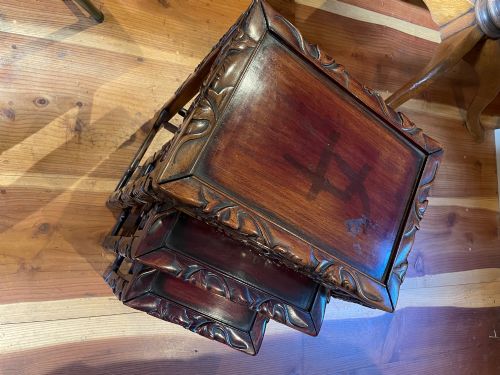
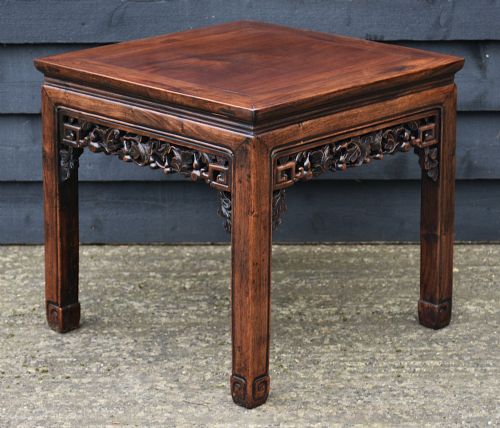
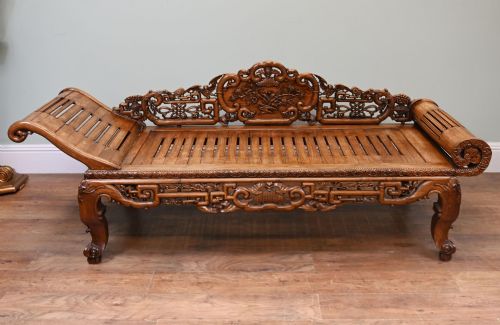
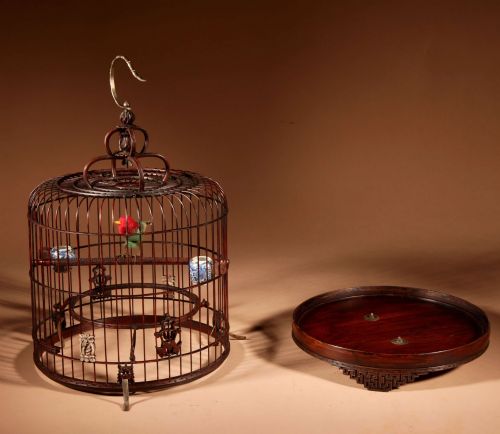
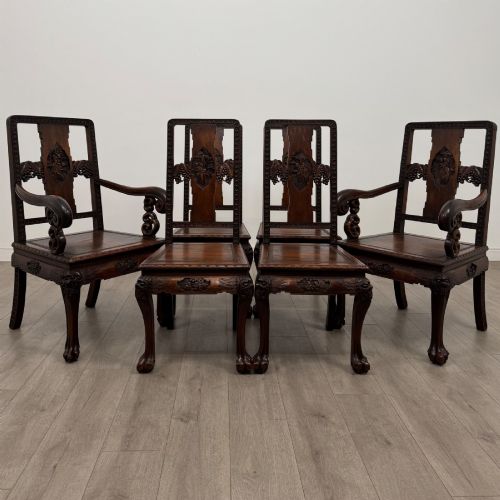
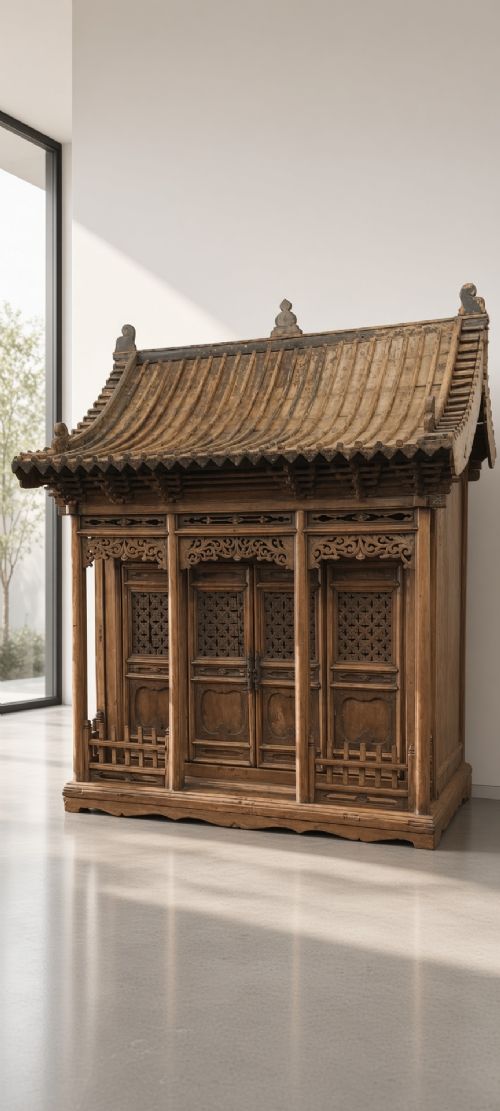
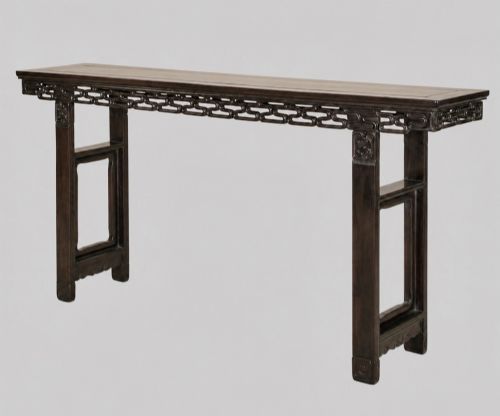
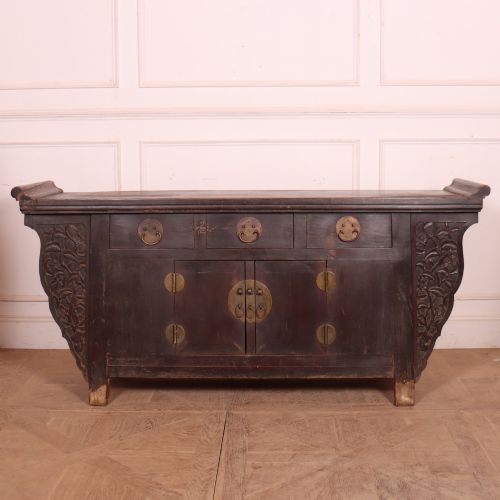
Traditional chinese wood carving encompasses large seating furniture, low tables, storage chests, and figural sculptures originating primarily from the nineteenth century and the Qing dynasty. Buyers encounter functional household items such as opium benches, altar tables, armchairs, and nests of four tables alongside decorative items like bird cages and shrines.
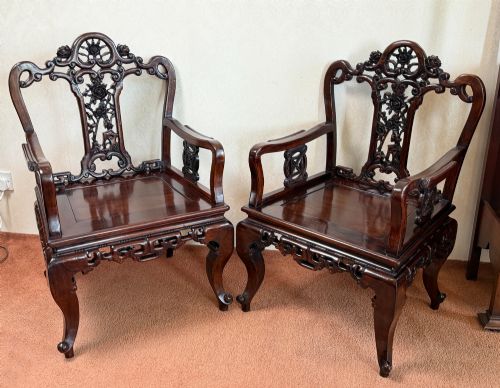
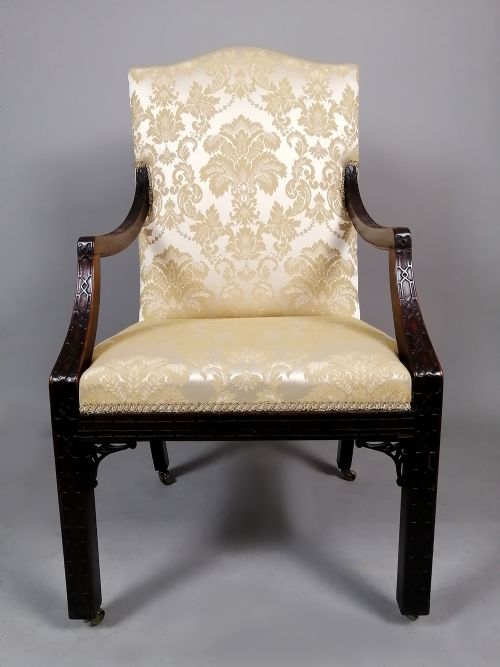
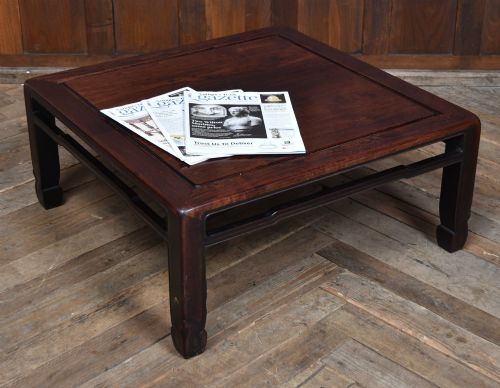
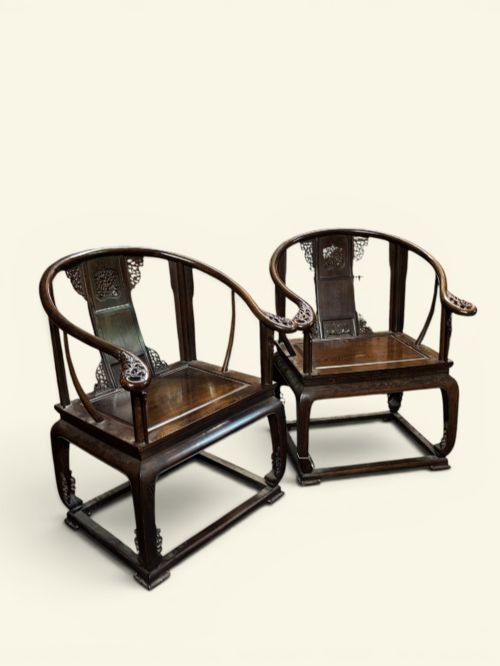
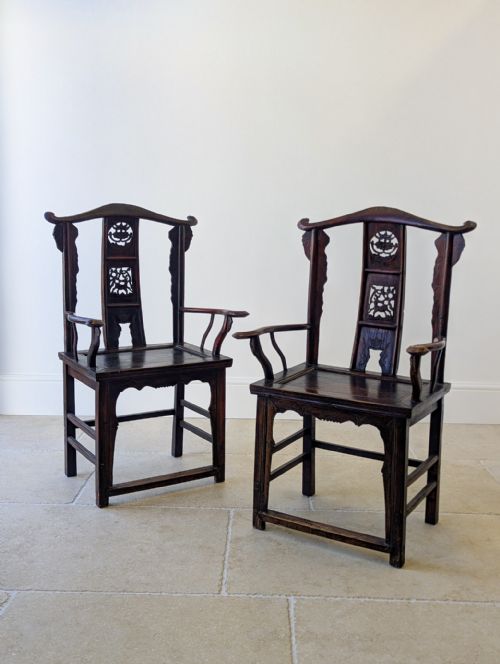
The selections span distinct seating forms including horseshoe-back armchairs, yoke-back armchairs, and lamp hanger chairs executed in dense hardwoods. Alongside seating, low tables and coffee tables dominate the offerings, frequently showing carved relief work typical of nineteenth-century production and export workshops.
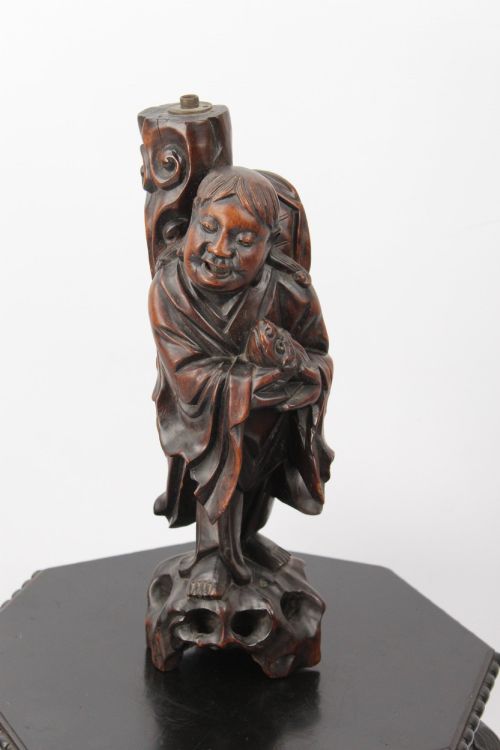
Figural work appears in representations of deities, Daoist immortals, scholars, and daily life scenes carved in hardwood or camphorwood. Shrine elements and floor-standing screens further demonstrate the range of decorative woodworking produced during the Qing period and into the early twentieth century.
Materials and Technique
Maker workshops utilised dense regional timbers including rosewood, hongmu, padouk, and elm to provide the structural weight required for intricate joinery. These heavy woods allowed carvers to execute deep relief scenes without compromising the integrity of chair frames, table aprons, and cabinet panels.
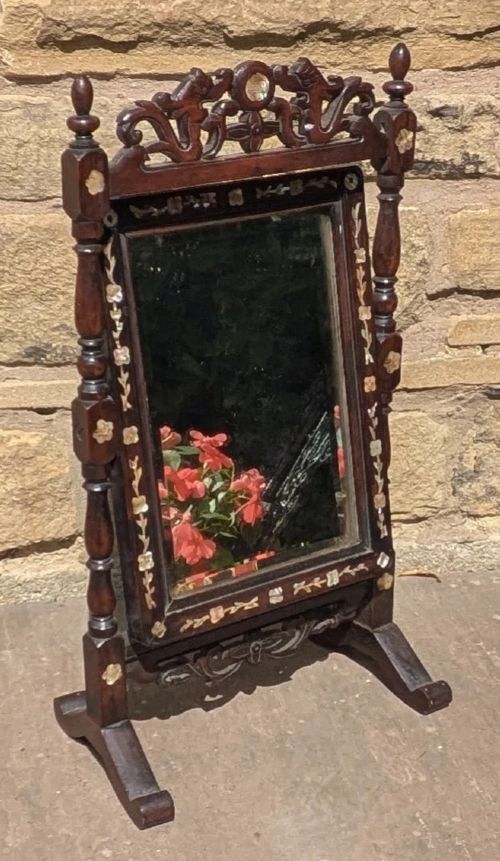
Surface treatments incorporate red lacquer, gold leaf, and mother of pearl inlay applied to hardwood and elm structures. Carving techniques range from shallow incised linework on small figures to deeply undercut foliage and figural panels on altar tables and chests.
Traditional Chinese Wood Carving Retail Price Guide 2026
Typical asking prices for traditional chinese wood carving among the pieces listed under this phrase on Sellingantiques today, from the lower quarter to the upper quarter. They describe what is for sale here now, not the wider market.
Listings feature eighteenth-century shrines alongside nineteenth-century rosewood low tables and twentieth-century camphorwood trunks.
Distinctions in Execution
The depth and crispness of the chisel work define the visual strength of a carving, separating flat mechanical patterns from lively figures with defined drapery and expression. Grain selection also dictates the visual appeal, as dense rosewood and hongmu exhibit deep natural colouration that plain elm lacks.
Structural integrity relies on traditional joinery methods that allow dense timbers to move naturally without splitting major panels or loosening chair frames. Pieces retaining original lacquer, gilding, or inlay hold greater visual coherence than those stripped or overly restored in later periods.
The Traditional Chinese Wood Carving Glossary
- Qing Dynasty
- The final imperial dynasty of China, lasting from 1644 until 1912. Much of the carved hardwood furniture and figural sculpture originates from the late years of this period.
- Hongmu
- A translation meaning red wood, used to describe dense tropical hardwoods prized in Chinese furniture making. This material takes a fine polish and supports intricate carving.
- Yoke-back armchair
- A traditional seating form featuring a crestrail that curves upwards at the ends resembling an ox yoke. These chairs often incorporate carved central splats.
- Altar table
- A long, narrow table traditionally placed against a wall for ceremonial displays. Surviving examples feature carved aprons and flange ends.
- Opium bench
- A low rectangular seating form designed for reclining. These pieces frequently display carved side panels and robust hardwood frames.
Traditional Chinese Wood Carving: Frequently Asked Questions
How do I care for antique hardwood furniture?
Maintain stable humidity levels in the room to prevent dense tropical woods from splitting or shrinking over seasonal changes. Avoid placing pieces near direct heat sources or in harsh sunlight that might fade traditional lacquer finishes.
Dust regularly with a soft dry cloth rather than applying silicone-based polishes or oils. Let the natural patina develop on the wood surface over time.
Were these items made for export?
Chinese furniture and carvings were produced both for domestic use within official and merchant households and for Western export markets. Export pieces often combined traditional forms with decorative elements tailored to European tastes.
Workshop production spanned local domestic requirements and international trade, resulting in diverse decorative styles across the nineteenth century.
How are figures and deities identified?
Carved figures often represent Daoist immortals, scholars, or Buddhist lions based on traditional iconography and attributes held in the hands. Deities like Liu Hai are recognised by specific attendant creatures such as three-legged toads.
Garment styles, headwear, and facial expressions provide clues to the social status or mythical identity of the carved subject.