




Traditional China Vitrine
A traditional china vitrine holds treasured porcelain behind glass, combining timber frames with glazed doors to protect and display domestic collections.
Traditional China Vitrine
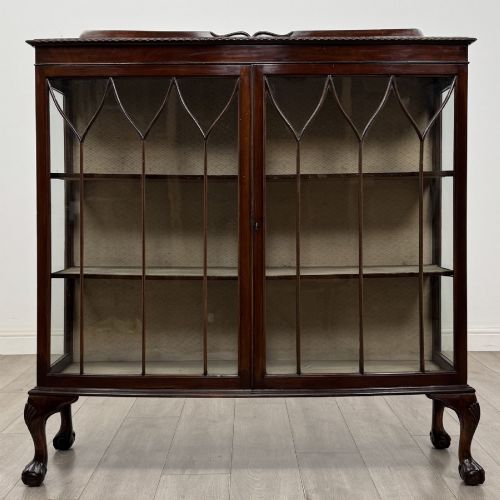
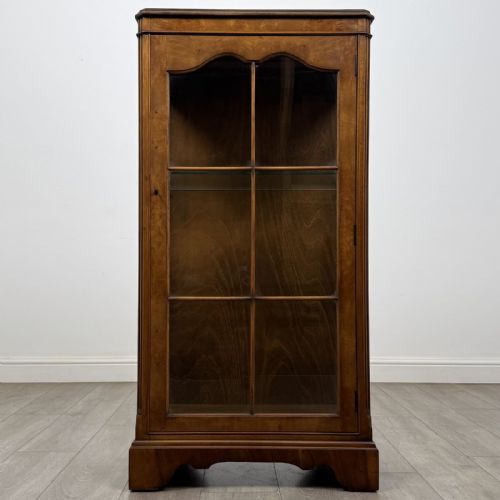
A traditional china vitrine serves primarily as a refined storage cabinet for displaying prized ceramics and glassware. Pieces appearing on this page span several distinct eras, notably the Edwardian period, the nineteenth century, and the nineteen-twenties or thirties.
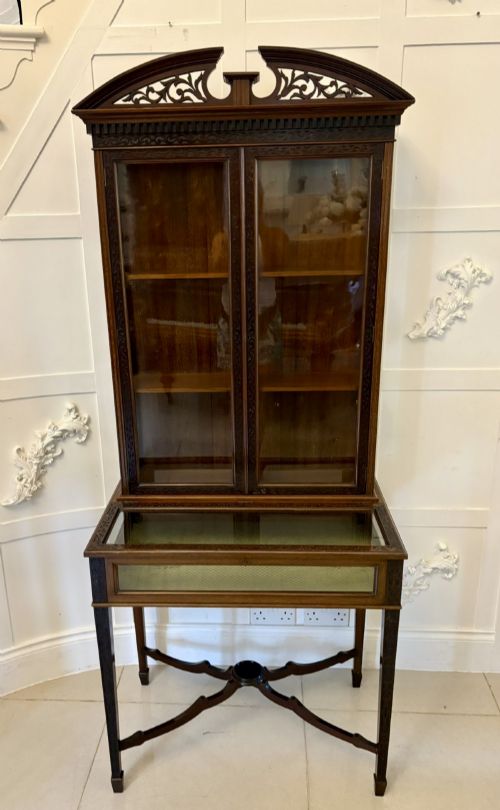
The physical forms include standard display cabinets, specialised china cabinets, bookcases, corner cabinets, and bijouterie display cabinets. Stylistic influences draw heavily from earlier aesthetics such as Jacobean Revival, Queen Anne Style, Tudor Revival, and Dutch Marquetry.
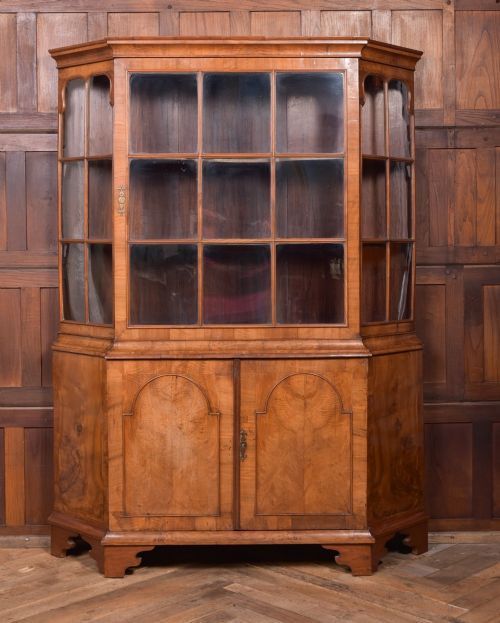
Buyers encounter varied timber constructions ranging from substantial oak and mahogany to highly figured walnut and burr walnut. Many examples incorporate glazed panels, leaded glass, or painted finishes to showcase the interior contents effectively.
How they were made
Cabinet makers utilised dense hardwoods including mahogany, oak, walnut, and burr walnut to build durable foundational structures. Timber selection depended greatly on the prevailing style, with figured veneers frequently applied to prominent exterior surfaces.
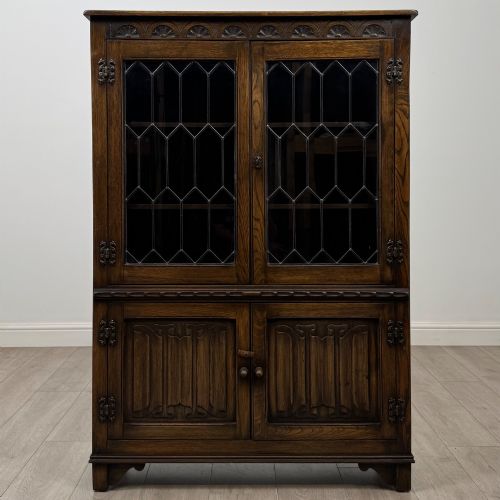
Glazing techniques required careful integration of glass panes held securely by timber framing, lead cames, or brass fittings. Specialised details such as carved panels, linenfold motifs, and inlaid marquetry decorated the exterior frameworks.
Traditional China Vitrine Retail Price Guide 2026
Typical asking prices for traditional china vitrine among the pieces listed under this phrase on Sellingantiques today, from the lower quarter to the upper quarter. They describe what is for sale here now, not the wider market.
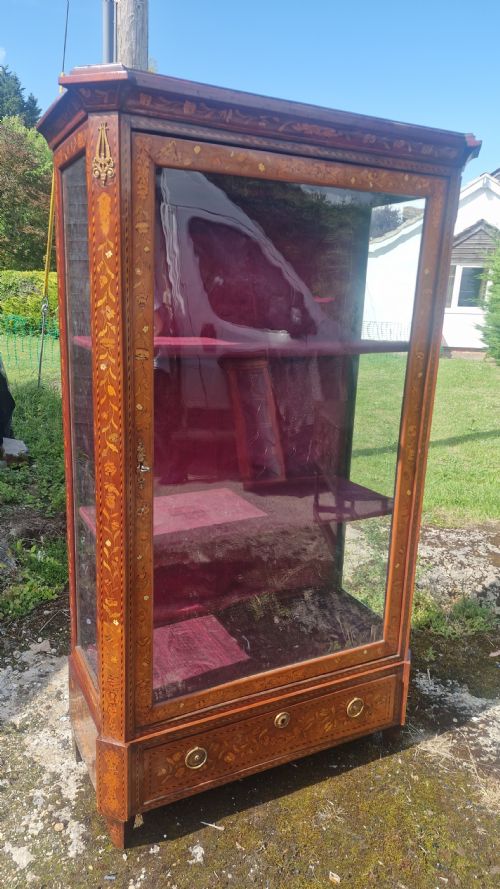
Some nineteenth-century Dutch vitrines sport painted surfaces that stubbornly refuse to reveal what kind of wood hides underneath the paint.
What varies in quality
The standard of timber preparation and veneer selection marks a clear division across the range. Cabinets featuring highly figured burr walnut or intricate Dutch marquetry reflect superior craftsmanship compared to plain timber carcases.
The finesse of surface enrichment, including hand-carved panels, balanced proportions, and careful patination of the wood, elevates finer pieces. Structural execution in the joinery and the quality of the glass and metal components determine the overall integrity of the construction.
The Traditional China Vitrine Glossary
- Vitrine
- A glass-fronted cabinet designed specifically for displaying fine objects or porcelain. These freestanding pieces often feature glazed sides to maximise light penetration.
- Burr walnut
- A prized timber harvested from the warted growths of walnut trees, yielding complex, swirling grain patterns. Cabinet makers prized this wood for high-status furniture facades.
- Linenfold
- A style of wood carving that mimics the appearance of folded vertical folds of fabric. This decorative relief work frequently adorns panels on early twentieth-century oak furniture.
- Leaded glass
- Small panes of glass held together by strips of lead to form intricate geometric or decorative window patterns. This technique frequently appears on Edwardian display doors.
- Bijouterie cabinet
- A specialised display case with a glass top and upper viewing area intended for small valuables. These items typically rest on slender legs or stands.
- Marquetry
- The art of applying thin decorative veneers in wood to form pictorial or geometric patterns. Dutch examples often display elaborate floral motifs across the entire cabinet front.
Traditional China Vitrine: Frequently Asked Questions
What is a traditional china vitrine?
A traditional china vitrine is a dedicated display piece designed to protect and exhibit fine ceramics, glassware, and decorative objects behind glass panels.
These cabinets combine structural timber frames with transparent doors and sides, allowing light to illuminate the collections housed safely inside.
How do I style a vitrine?
Styling a vitrine involves arranging your collection by height, colour, and material to create visual balance behind the glass doors.
Leaving adequate space between individual pieces prevents overcrowding and lets the craftsmanship of both the cabinet and its contents stand out.
Where should I place a display cabinet?
Display cabinets suit principal reception rooms, dining areas, or hallways where natural light can enhance the glass panels.
Avoid positioning timber furniture in direct sunlight or near heat sources to protect the wood and veneer from drying out or fading over time.
How do I identify Edwardian cabinets?
Edwardian display cabinets often feature lighter timbers like oak or inlaid mahogany, frequently incorporating leaded glass doors or linenfold panels.
These pieces lean towards refined revival styles while maintaining practical proportions suited for Edwardian domestic interiors.