



Traditional Childs Chair
A traditional childs chair brings centuries of domestic history into a room, offering small-scale craftsmanship that mirrors full-size antique seating.
Traditional Childs Chair
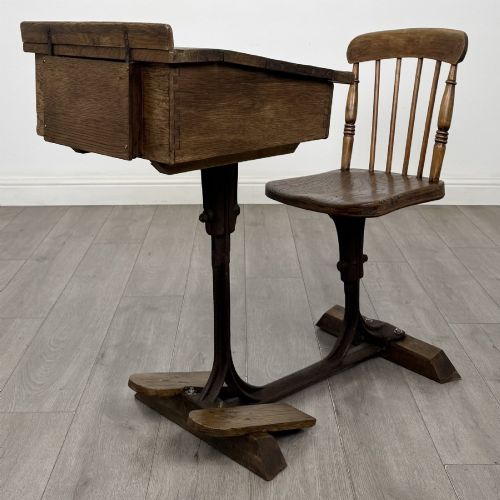
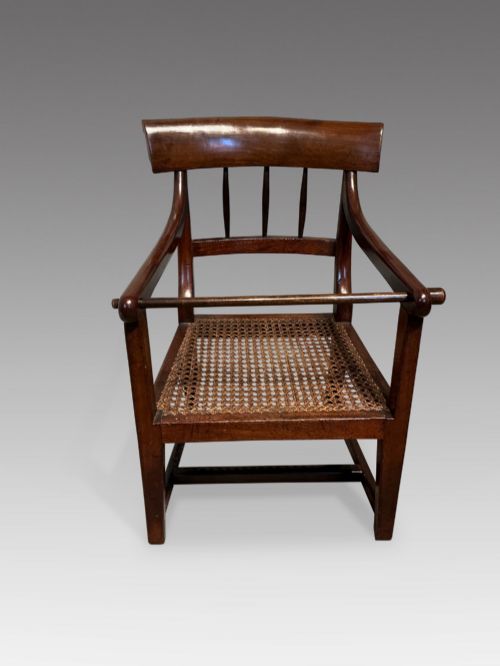
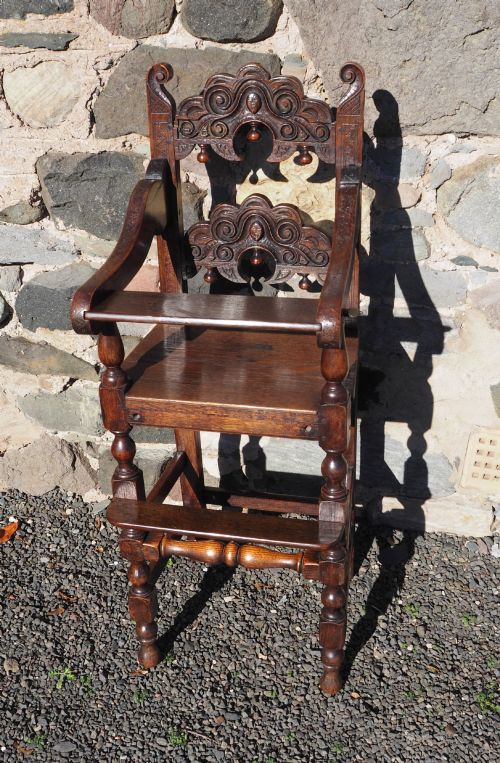
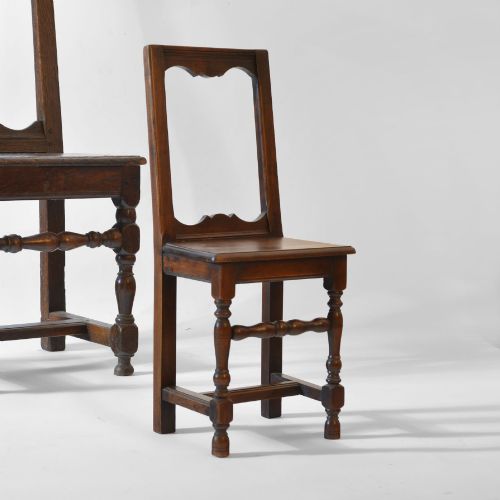
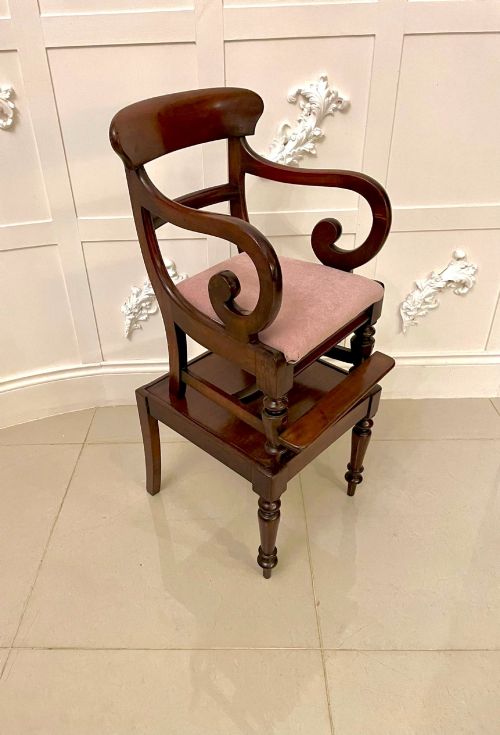
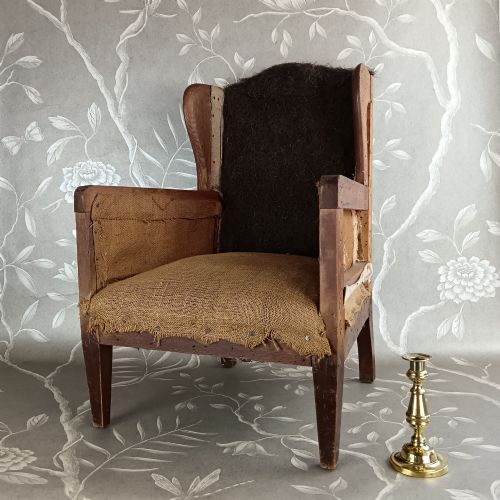
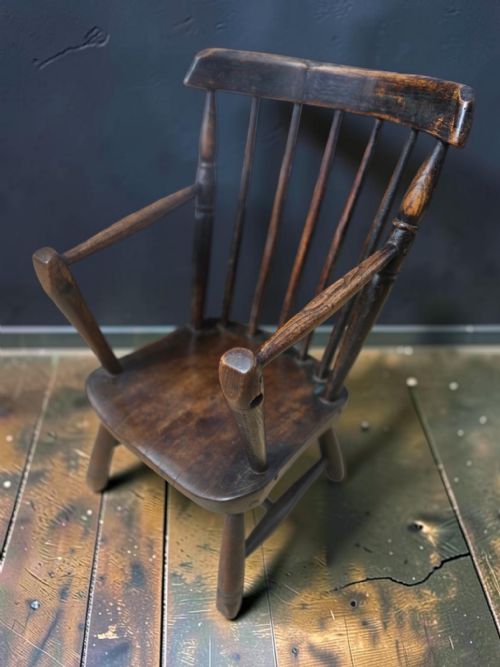
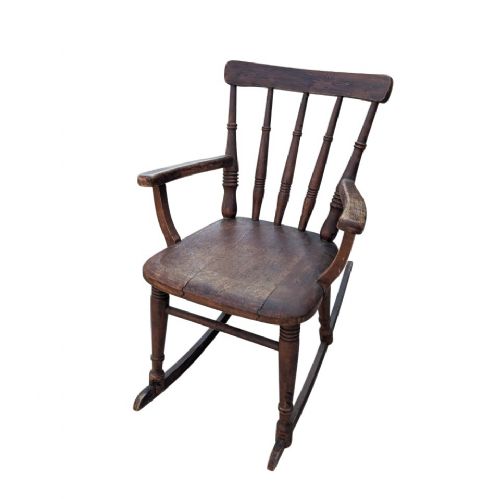
When you search for a traditional childs chair, you encounter a remarkably diverse range of miniature seating spanning from the Georgian and Regency eras through the Victorian period and into the early twentieth century. These pieces include Windsor chairs, high chairs, rocking chairs, armchairs, and ladderbacks designed specifically for younger members of the household.
The versions most commonly met on this page originate from English country vernacular traditions alongside formal styles, executed in forms such as stickbacks, wingbacks, and potty chairs. Makers of these scaled-down seats applied the same joinery and turning techniques found in adult furniture, resulting in sturdy pieces built for genuine daily use.
Object types vary widely between low seating for toddlers, rocking versions for quiet hours, and elevated high chairs intended for dining. Each surviving example demonstrates how domestic life was arranged around children in past centuries, reflecting the changing social attitudes towards raising the young.
How they were made
Cabinet makers and rural joiners utilised native timbers such as elm, oak, mahogany, ash, beech, and yew wood, often combining two different woods within a single frame for structural strength. Elm and ash provided tough seats and bent spindles, while mahogany and oak served formal urban commissions.
Construction methods relied on traditional joinery including mortise and tenon joints, steam-bent hoops, and Windsor spindle work where turned legs and uprights wedge directly into a solid wooden seat. Caning, rush, and bergere woven panels provided flexible seating surfaces in lighter frames.
Surface finishes range from simple waxed fruitwood and polished mahogany to ebonised treatments and folk art painted decorations. Each material choice dictated the character of the chair, balancing the need for lightness with the robust durability required for nursery use.
Traditional Childs Chair Retail Price Guide 2026
Typical asking prices for traditional childs chair among the pieces listed under this phrase on Sellingantiques today, from the lower quarter to the upper quarter. They describe what is for sale here now, not the wider market.
Materials recorded across the inventory include elm, oak, mahogany, ash, cane, rush, pine, beech, fruitwood, and yew wood.
What varies in quality
The distinction between ordinary utility seating and superior examples lies in the ambition of the design and the purity of the timber selection. Chairs featuring rarer woods such as yew or highly figured mahogany, combined with sophisticated Windsor stickback construction or bobbin turning, represent the upper tier of craftsmanship.
Proportion and balance heavily influence the desirability of a piece, as master makers maintained strict architectural harmony when scaling down adult forms for children. Altered heights, replacement undercarriages, or mismatched components diminish the integrity of an antique, whereas untouched surfaces and original seat pads preserve historical value.
The Traditional Childs Chair Glossary
- Windsor chair
- A wooden chair built with a solid saddle-shaped seat into which the legs and back spindles are separately bored and wedged. This form appears frequently in country vernacular pieces.
- Ladderback
- A chair back constructed with horizontal slats or rails between two upright posts. These are often fitted with rush seats.
- Potty chair
- A specialised enclosed chair featuring a lower aperture or boxed seat designed to accommodate a chamber pot. They date predominantly from the Georgian period.
- Stickback
- A seating form utilising plain turned wooden rods or spindles to form the backrest. It is closely related to Windsor construction.
- Bergere
- A type of upholstered wooden armchair featuring woven cane panels on the back and sides. It is common in Victorian examples.
Traditional Childs Chair: Frequently Asked Questions
Were these chairs meant for everyday use?
Historical evidence indicates that these miniature seats served active domestic roles in nurseries, parlours, and dining rooms. Families relied on them to seat children securely during meals and family gatherings.
Despite their small size, they were constructed using durable joinery techniques capable of withstanding robust daily treatment by children.
How do I date a traditional childs chair?
Dating relies on identifying the prevailing style of the period, such as Georgian cabriole legs, Regency sweeping lines, or Victorian bobbin turnings. Wood choice also offers clues, with native fruitwoods and elm pointing to earlier country workshops.
Examining construction marks, tool traces, and the wear patterns on the seat helps confirm the age of the piece.
How should I display an antique childs chair?
These pieces integrate easily into modern interiors as standalone decorative accents or paired beside larger antique armchairs. Their compact scale makes them ideal for hallways, bedrooms, or living room corners.
Placements should avoid direct sunlight and rapid temperature fluctuations to protect historical wood finishes and natural cane work.