
Traditional Chest
A traditional chest grounds a room with centuries of solid timber utility, offering honest storage through drawers, coffers, and blanket boxes.
Traditional Chest
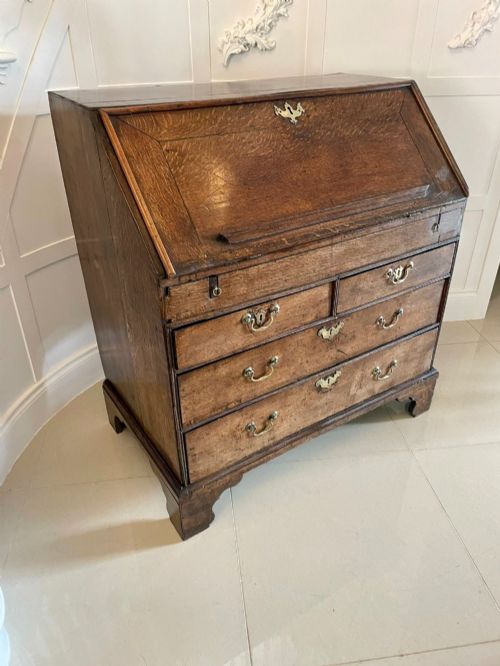
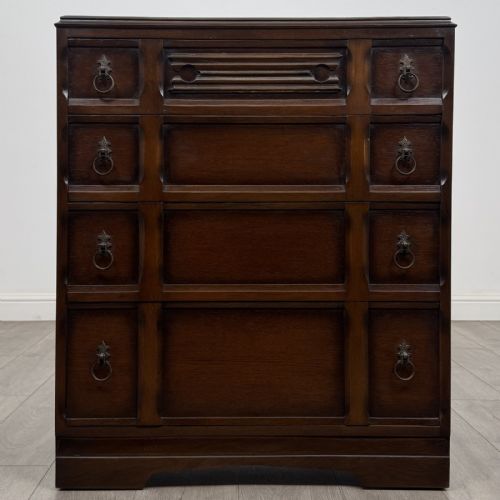
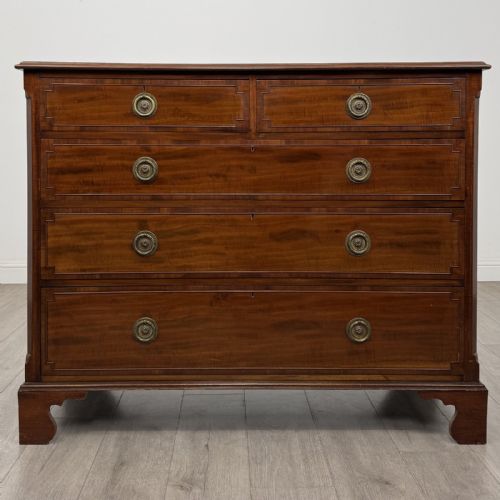
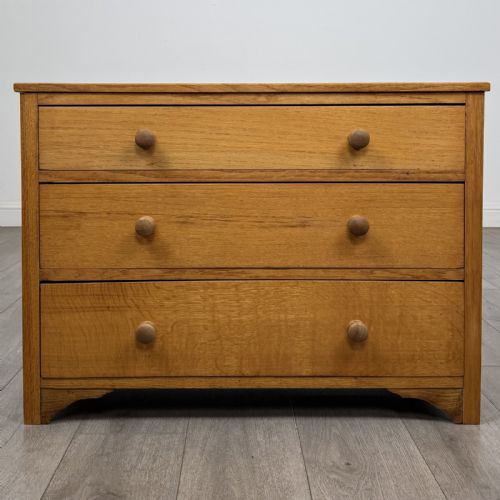
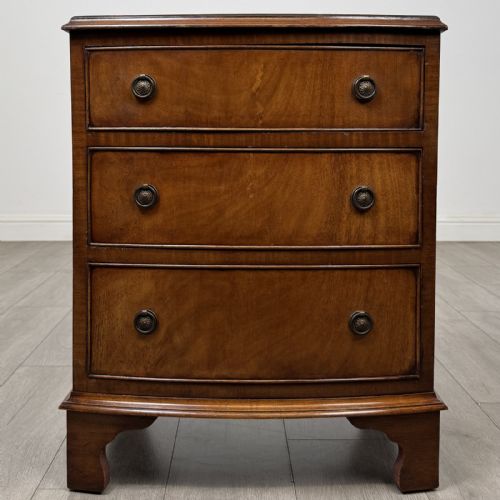
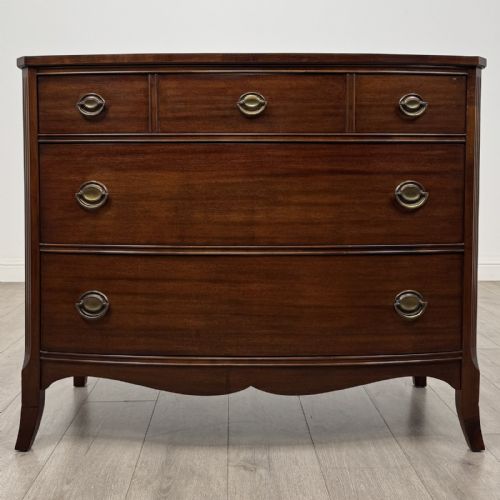
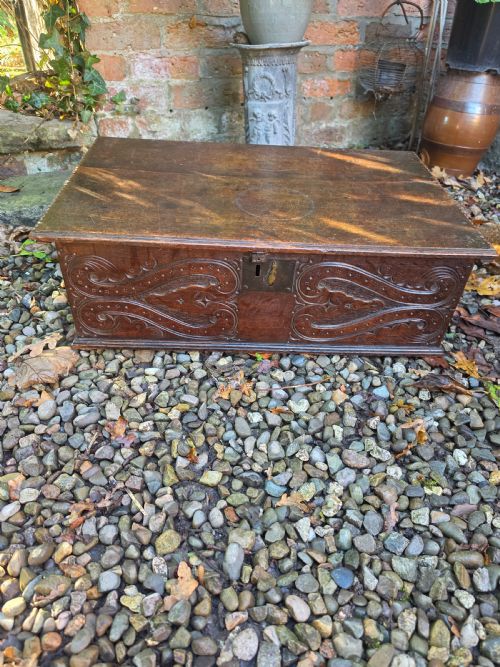
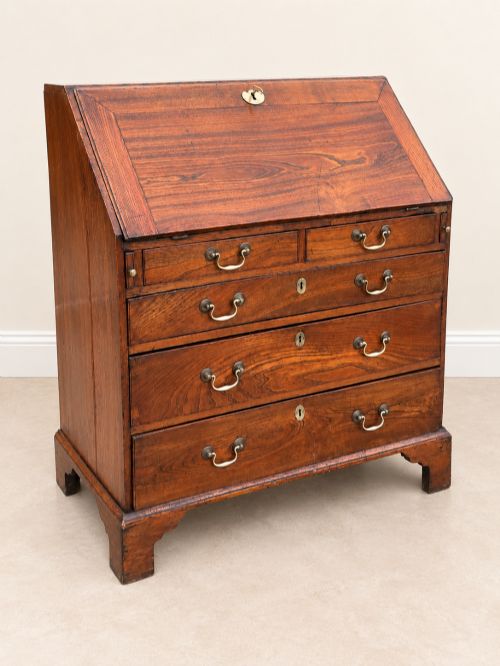
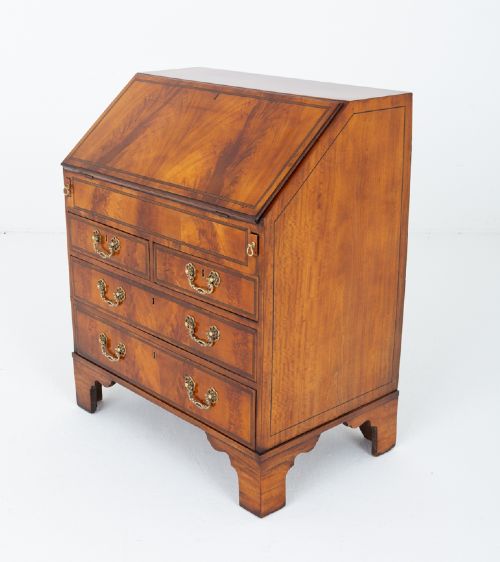
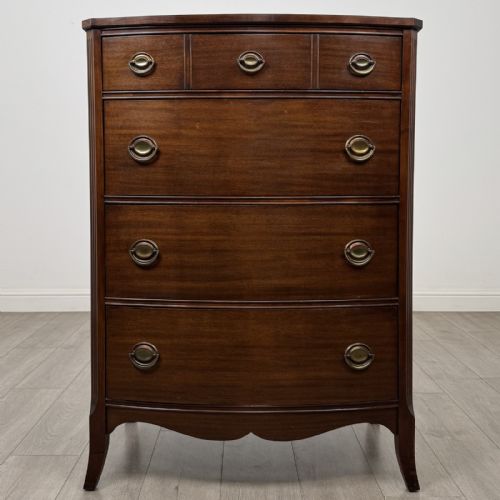
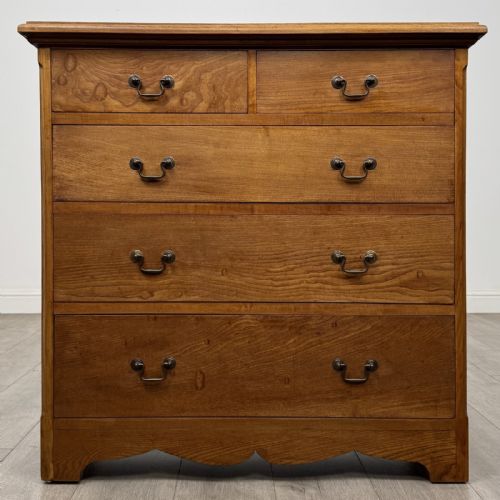
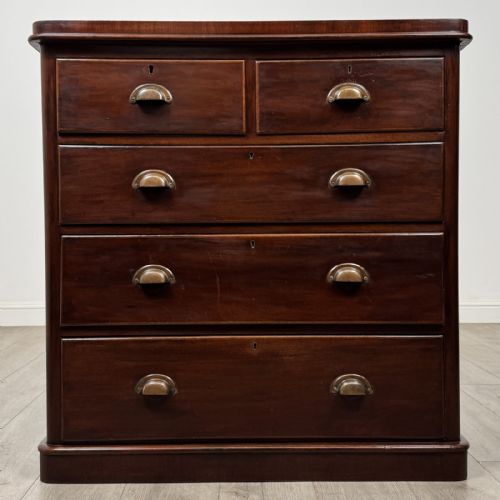
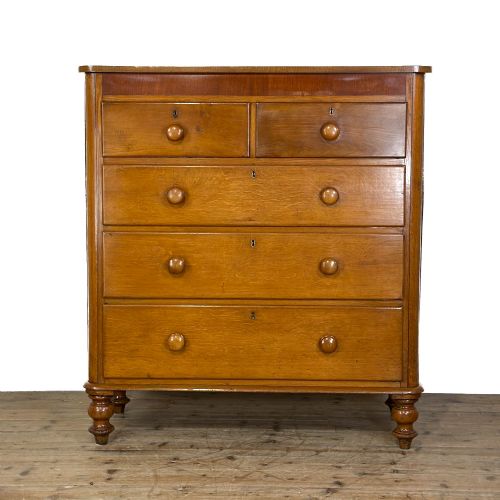
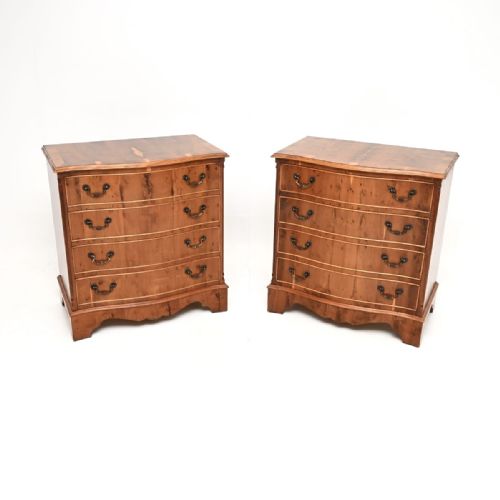
A traditional chest encompasses multiple storage forms spanning centuries, with chests of drawers, blanket boxes, and oak coffers dominating the selection. Buyers regularly encounter Georgian mahogany pieces alongside sturdy Victorian oak and pine examples.
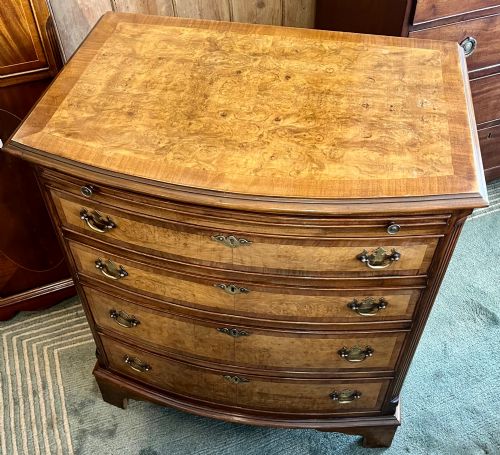
Early periods bring joined oak coffers and sword chests, while later centuries favour bow-front chests of drawers and satinwood or walnut writing bureaux. The forms range from lift-top blanket boxes to tall chests on chests with multiple graduated drawers.
Quality variations across periods
Superior examples display crisp timber figure, tight dovetail joints, and original brass hardware, whereas lower quality pieces suffer from loose carcases or mismatched replacement feet. The choice of primary timber, such as solid mahogany or burr walnut against stained birch or plain pine, dictates the tier of the piece.
Proportion and surface preservation separate ordinary items from finer specimens, particularly in bow-front and chest on chest configurations where balanced drawer scaling matters. Original keys and clean interior drawer linings elevate the overall standard.
Listings feature timbers including oak, mahogany, walnut, pine, elm, and ash across periods spanning the 17th to the 20th century.
The Traditional Chest Glossary
- Bow-front
- A convex curved front profile typical of many mahogany and walnut chests from the Georgian and later periods.
- Coffer
- A heavy wooden chest with a hinged lid, traditionally used for storing valuables, textiles, or documents in early homes.
- Dovetail
- An interlocking joint used to connect drawer sides to drawer fronts, prized for its strength and longevity in cabinetmaking.
- Linenfold
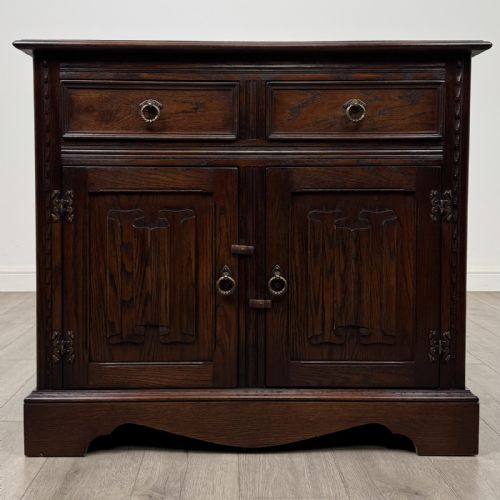
- A style of carved wooden panelling resembling folded vertical linen, seen frequently on oak cupboards and boxes.
- Mule chest
- A storage chest featuring one or more drawers beneath the main lifting compartment, bridging the design between a coffer and a chest of drawers.
Traditional Chest: Frequently Asked Questions
Where should I place a traditional chest?
These pieces suit entrance halls, bedrooms, and living spaces where practical storage meets structural presence. Their flat tops also function well for displaying lamps or decorative objects.
Ensure placement avoids direct heat sources to protect older timbers and veneers from drying out over time.
How do I care for antique timber?
Dust regularly with a dry cloth and apply a quality beeswax periodically to nourish the wood surface. Avoid modern silicone sprays that build up and attract dirt.
Keep humidity levels stable in the room to prevent timber warping or cracking across older panels.
Can I use a blanket box for daily storage?
Lift-top boxes and blanket chests handle heavy textiles, blankets, and bulky items with ease. Their deep interiors swallow clutter while keeping contents accessible.
Ensure items stored inside are clean and dry to protect both the contents and the historic interior timber.
How do I distinguish oak from mahogany pieces?
Oak displays prominent grain marks and medullary rays, often appearing in earlier 17th and 18th-century pieces. It carries a heavy, robust character.
Mahogany offers a smoother, finer reddish-brown grain that became the standard for formal Georgian and Victorian cabinetmaking.