
Traditional Ceiling Lighting Fixture
These traditional ceiling lighting fixtures bring authentic period presence and layered overhead illumination to a room, ranging from grand French chandeliers to practical hall lanterns.
Traditional Ceiling Lighting Fixture
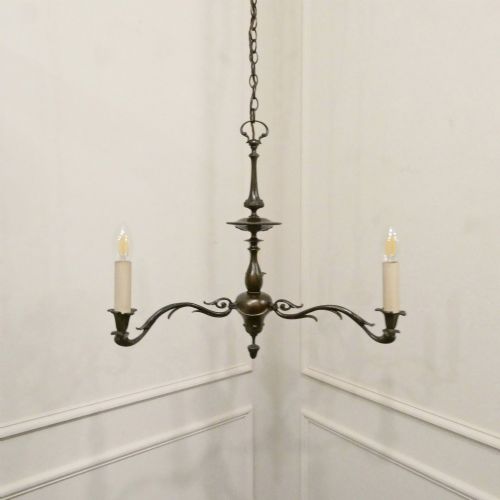
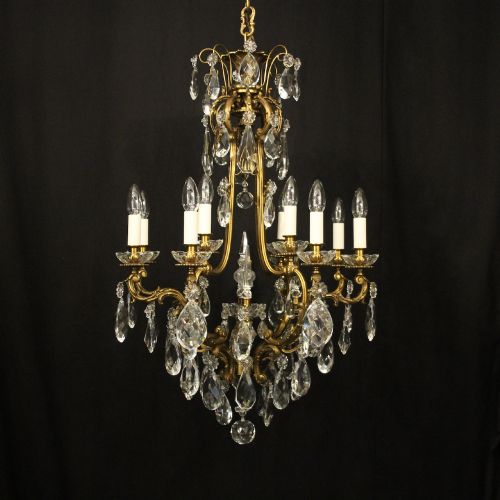
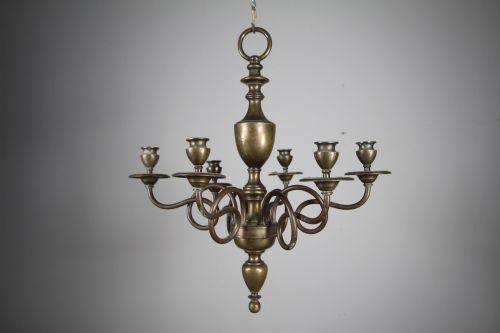
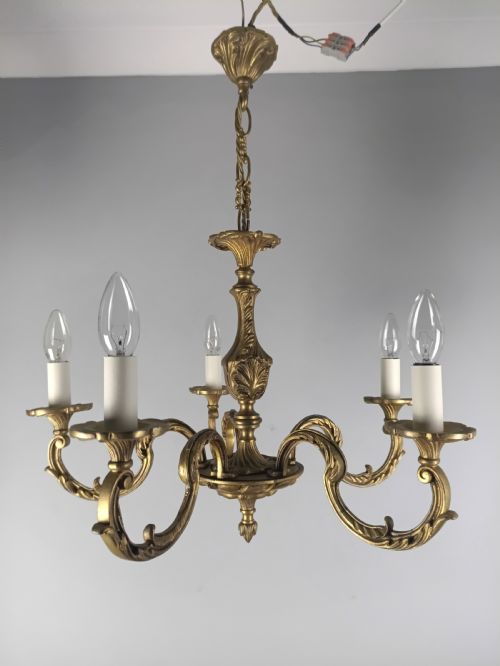
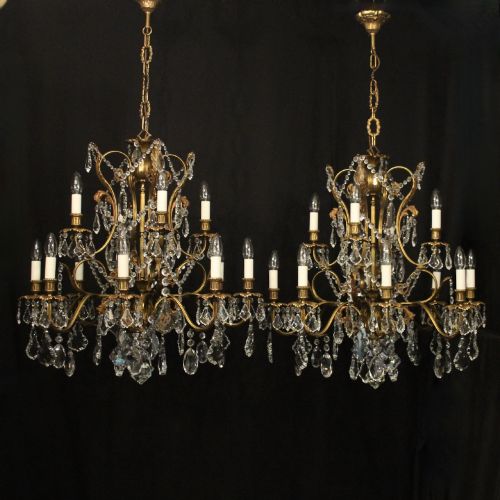
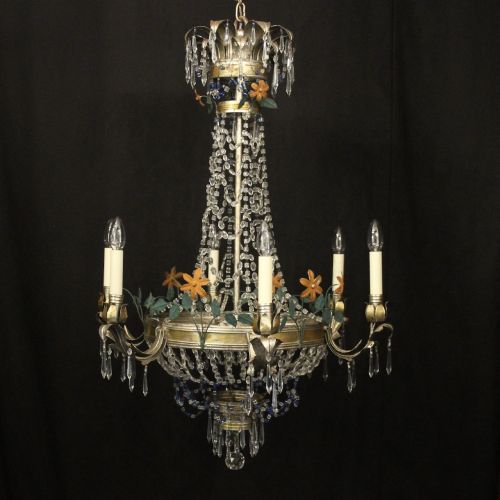
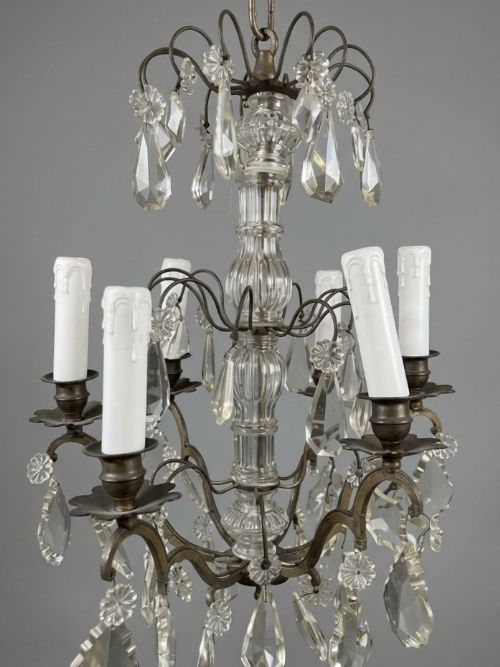
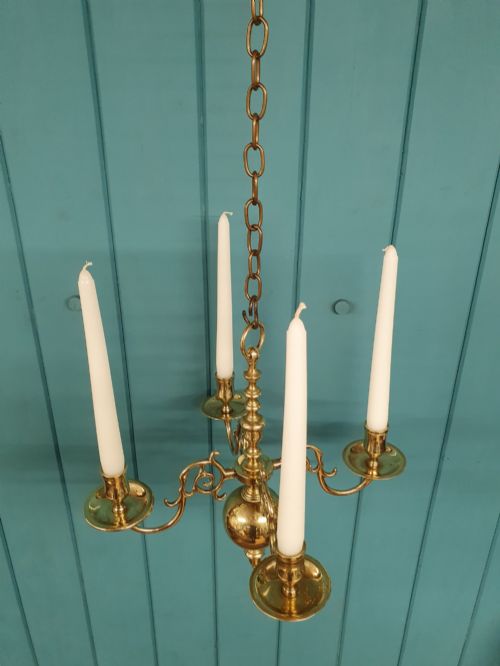
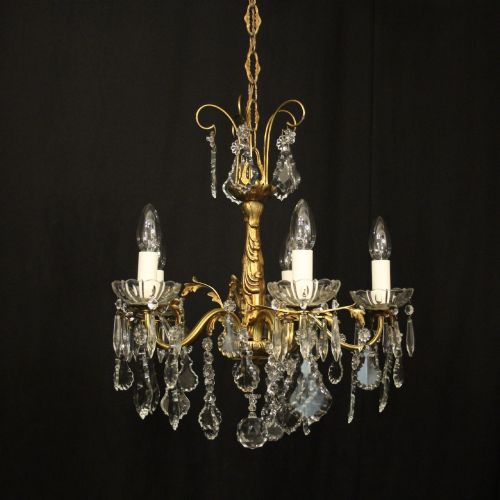
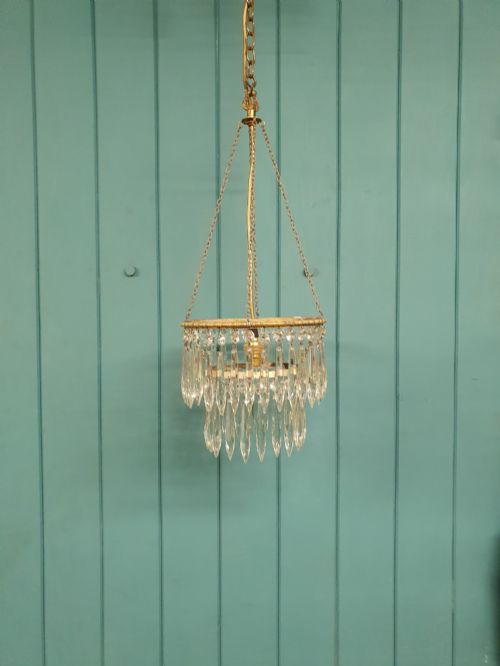
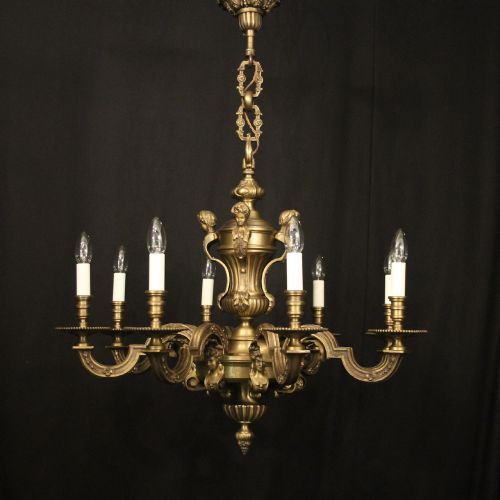
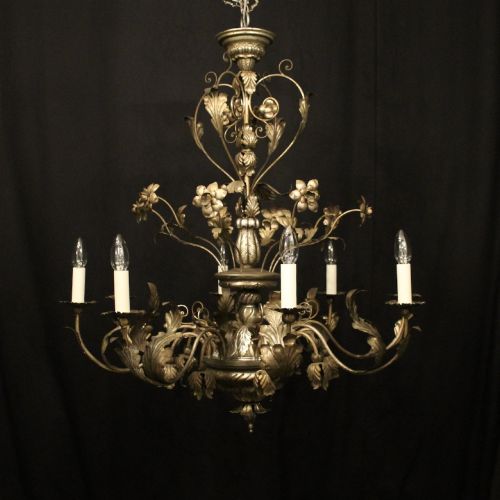
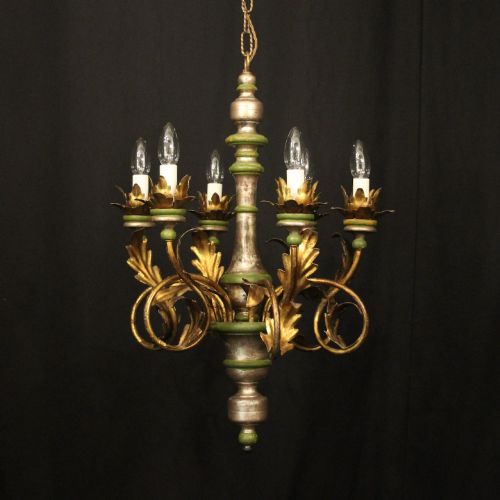
A traditional ceiling lighting fixture encompasses a variety of forms designed to illuminate interiors from above, including multi-armed chandeliers, hall lanterns, and flush plafonnier lights. When exploring these options, a buyer encounters pieces originating across the nineteenth and early twentieth centuries, spanning Edwardian, Victorian, and Empire Revival styles.
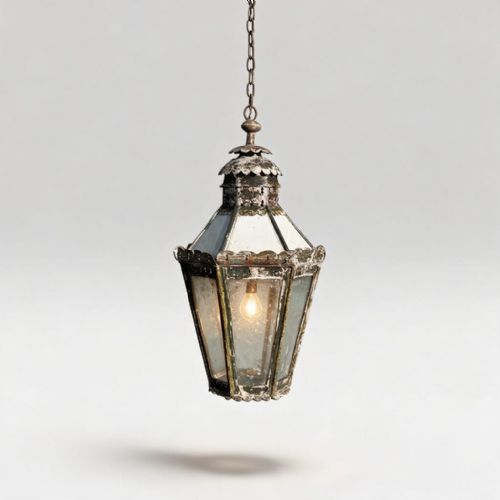
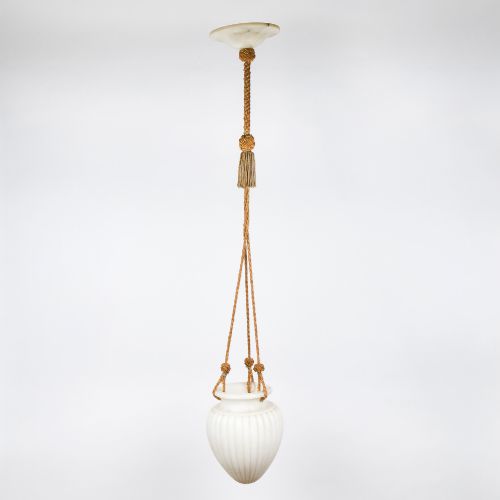
Hanging lanterns provide alternative solutions for narrow spaces such as hallways, utilising enclosed glass panels and convex shapes. Each type reflects the architectural requirements of its original period, balancing functional illumination with decorative impact.
Materials and construction
Manufacturers built these traditional ceiling lighting fixtures using durable metals such as brass, copper, bronze, and gilt bronze, often applying gilding or silver plating to enhance the surface appearance. Cast brass and wrought elements form the structural framework that supports multiple light branches.
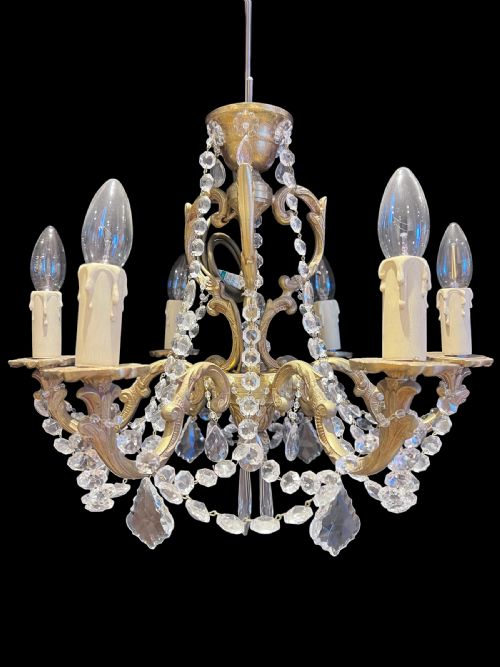
Glass and crystal components play a central role, utilising cut glass, crystal lustres, white alabaster, and moonstone shades to diffuse and refract the light. Elements like coloured crystals and crystal drops decorate the metal frames, suspended delicately to catch the illumination from the bulbs or candles.
The selection spans pieces from the 1850s, 1860s, Edwardian period, 1900, 1910, 1920, and 1930.
Craftsmanship and detail
The quality of a traditional ceiling lighting fixture depends heavily on the precision of the metalwork casting and the clarity of the glass or crystal components. Finer examples display crisper chasing on bronze and gilt brass, alongside hand-cut crystal drops that produce superior light refraction.
Proportion and structural integrity distinguish the finer pieces from simpler utilitarian items, particularly in the balance of multi-arm chandeliers and the secure mounting of heavy glass bowls. The integration of decorative elements like gesso, giltwood, or polychrome finishes reveals the level of artisan skill invested in the creation.
The Traditional Ceiling Lighting Fixture Glossary
- Chandelier
- A branched ornamental light fixture suspended from the ceiling. These pieces hold multiple lights and often feature crystal drops or lustres.
- Plafonnier
- A shallow bowl-shaped ceiling light mounted directly to or very close to the ceiling surface. They frequently utilise cut glass or frosted moonstone.
- Lustre
- A cut crystal pendant or hanging prism suspended from a chandelier. They are designed to catch and scatter light across the room.
- Gilt Bronze
- Bronze metal coated with a thin layer of gold or gold-coloured alloy. This technique provides a durable, lustrous finish that resists tarnish.
- Hall Lantern
- An enclosed hanging light fixture designed specifically for entranceways and corridors. They often feature brass frames with convex glass panels.
Traditional Ceiling Lighting Fixture: Frequently Asked Questions
How do I hang a heavy chandelier safely?
Hanging a heavy metal and crystal fixture requires securing the weight directly to a ceiling joist or structural nogging using a rated hook and junction box. Standard ceiling plaster cannot support the substantial weight of cast bronze or multi-arm designs.
Professional installation by an electrician ensures the wiring and hanging chains are properly load-tested and safely connected to the mains supply.
What is the difference between a chandelier and a plafonnier?
A chandelier suspends downward on a chain or rod with multiple protruding branches designed to hold individual lights. They typically incorporate hanging crystals and decorative metal arms.
A plafonnier sits flush or semi-flush against the ceiling surface, using a single domed or bowl-shaped glass shade to cover the internal bulb fittings.
How do I clean a crystal chandelier?
Cleaning requires a specialised non-drip spray solution applied directly to the crystals while placing absorbent towels beneath the fixture to catch drips. Individual glass drops can also be gently wiped by hand using a lint-free cloth.
Power must be switched off completely at the mains before beginning any cleaning process to avoid electrical hazards.
Where should a hall lantern be hung?
Hall lanterns suit entranceways, stairwells, and narrow corridors where overhead illumination is needed without taking up horizontal space. Their enclosed design protects the light source from drafts in high-traffic areas.
Height placement should allow adequate clearance for walking underneath, typically maintaining a minimum distance from the floor depending on the ceiling height.