
Traditional Canvas Art
Traditional canvas art brings centuries of oil paint, portraiture and pastoral landscapes directly onto woven cloth.
Traditional Canvas Art
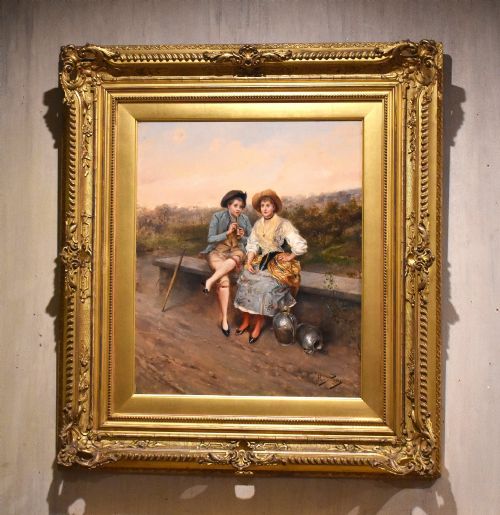
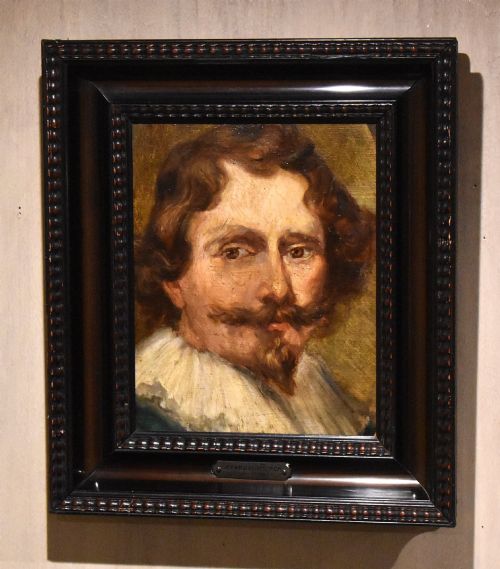
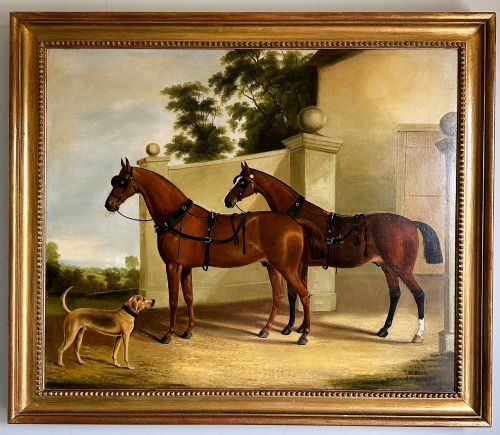
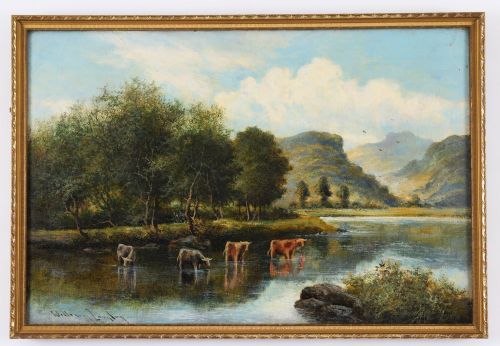
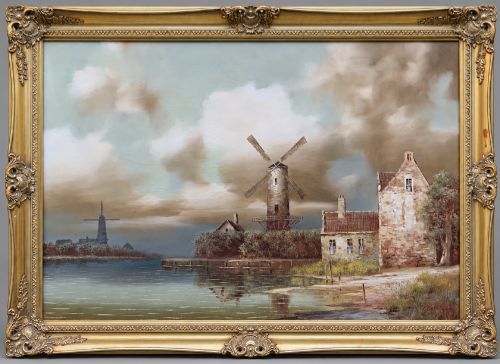
Traditional canvas art comprises oil paintings executed on woven fabric supports, ranging from intimate portraits to large pastoral landscapes. When seeking traditional canvas art, buyers encounter works spanning the eighteenth, nineteenth and twentieth centuries, created within British, Dutch and European schools.
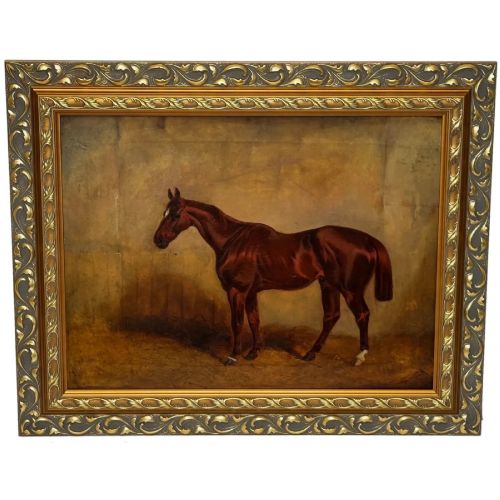
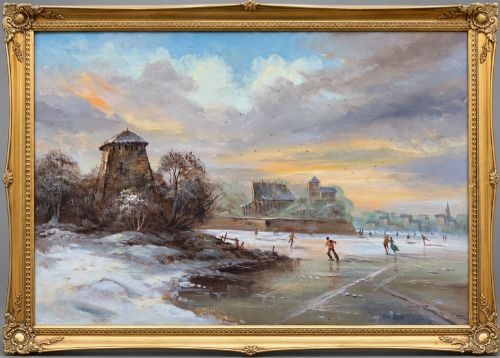
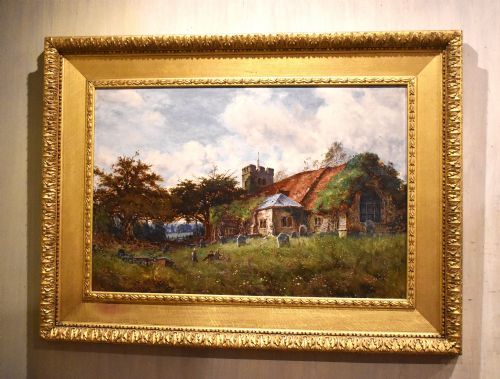
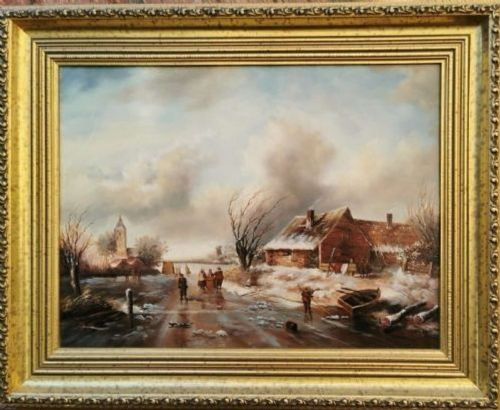
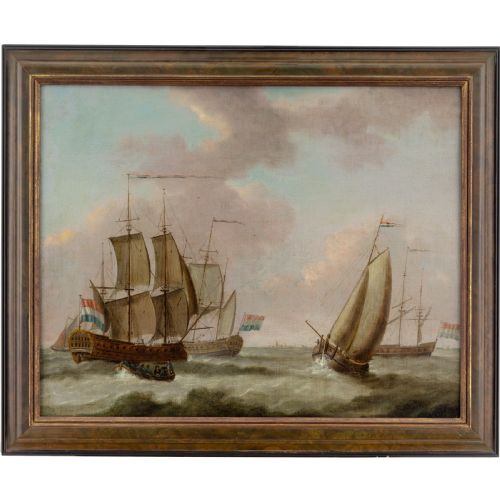
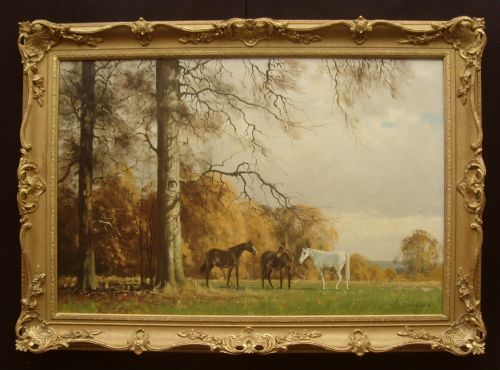
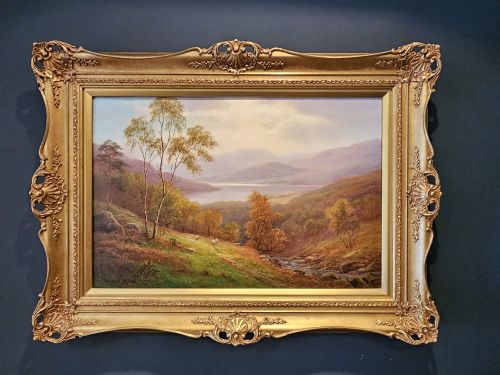
The subjects depicted on these canvases encompass rural harvest scenes, maritime shipping, sporting horses and formal portraiture. Many pieces reflect specific regional traditions, such as Dutch winter landscapes or Victorian river views.
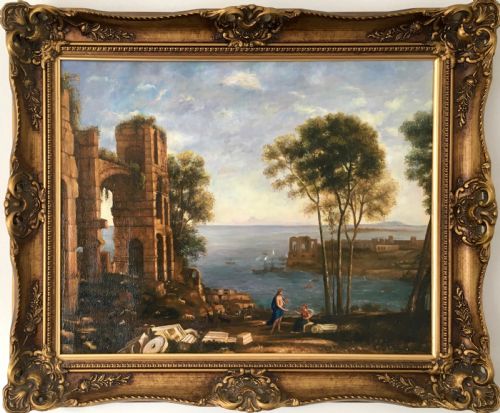
Dated examples stretch from the Georgian era through Victorian realism to mid-twentieth-century interpretations. The predominant survivals are oil paintings on stretched canvas, frequently housed in period giltwood frames.
Distinctions in Quality
Quality rests in the handling of brushwork and the confidence of composition, separating accomplished academic execution from formulaic studio production. Masterful treatment of light, anatomical precision in figures or animals, and atmospheric depth distinguish superior canvases.
The integrity of the original canvas support and the preservation of the pigment layer influence a work's standing. Finer examples retain their original stretchers and harmoniously matched giltwood frames, maintaining the intended visual unity.
Listings feature works from the 18th, 19th and 20th centuries, executed in oil on canvas with wood and giltwood frames.
William Mellor·William Manners·Margaret Sarah Carpenter·Edmund Bristow·John Hayls
The Traditional Canvas Art Glossary
- Canvas
- A heavy woven fabric, usually linen or cotton, used as a support for oil paintings. It provides a textured ground that interacts with the applied pigments.
- Giltwood
- Wood carved and coated with gold leaf or gold paint. This material is standard for traditional picture frames enclosing oil paintings.
- Oil Paint
- A slow-drying medium consisting of pigments suspended in a drying oil, typically linseed oil. This medium allows for smooth blending and rich tonal gradations.
- Stretcher
- A wooden framework upon which the canvas is stretched tight before painting. Original stretchers help confirm the period integrity of an artwork.
- Dutch School
- A collective term for painters active in the Netherlands during various centuries. Works from this tradition frequently concentrate on landscapes, maritime scenes and floral still lifes.
Traditional Canvas Art: Frequently Asked Questions
How do I identify a canvas painting's age?
Age is determined by examining the canvas weave, the stretcher construction, and the type of pigments used. Stylistic markers and framing details also offer reliable chronological clues.
Secondary indicators include inscriptions on the reverse, artist signatures, and historical labels attached to the wooden frame.
Where should I hang a large oil painting?
Large oil paintings require stable wall spaces away from direct sunlight and excessive moisture fluctuations. Positioning them on principal walls allows adequate viewing distance for expansive compositions.
Ensure the wall structure can support the combined weight of the canvas and its heavy giltwood frame.
What subjects are most common in these works?
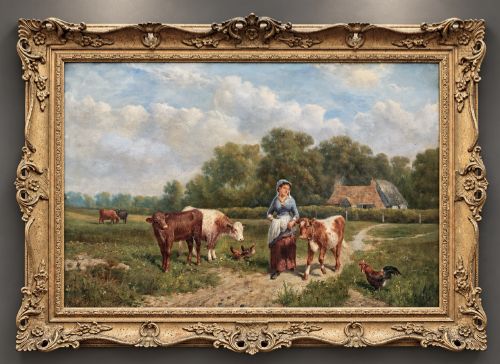
Rural landscapes, pastoral scenes with cattle, and maritime views dominate the available inventory. Equestrian subjects and formal human portraits also appear frequently across the periods.
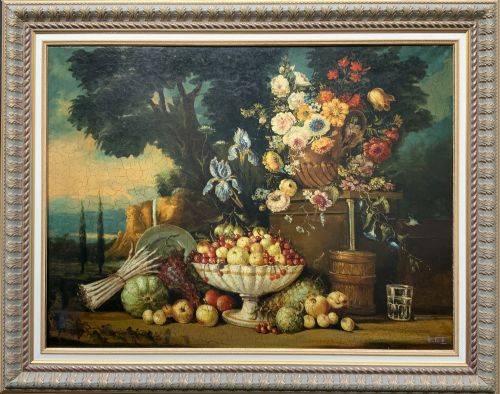
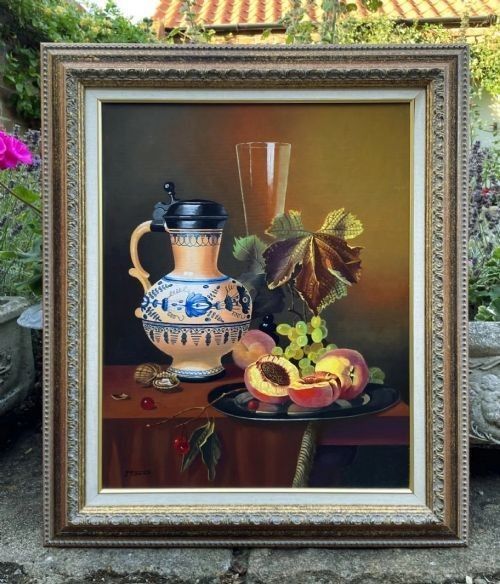
Still lifes featuring fruit and floral arrangements represent another established genre within the selection.
How do I care for an antique oil painting?
Maintenance involves keeping the canvas in a room with stable temperature and humidity levels. Dust should be removed gently from the surface using a soft, dry brush.
Avoid using water or chemical solvents on the paint layer, and consult a professional conservator for deep cleaning.