






Traditional Cane Rack
A traditional cane rack keeps hallways tidy, bringing handsome wood and gleaming metal to the organisation of walking aids and umbrellas.
Traditional Cane Rack
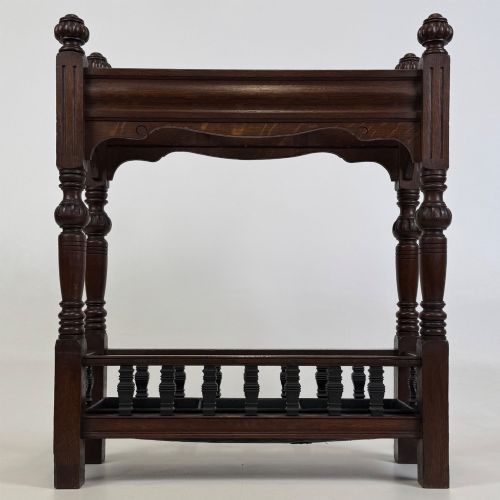
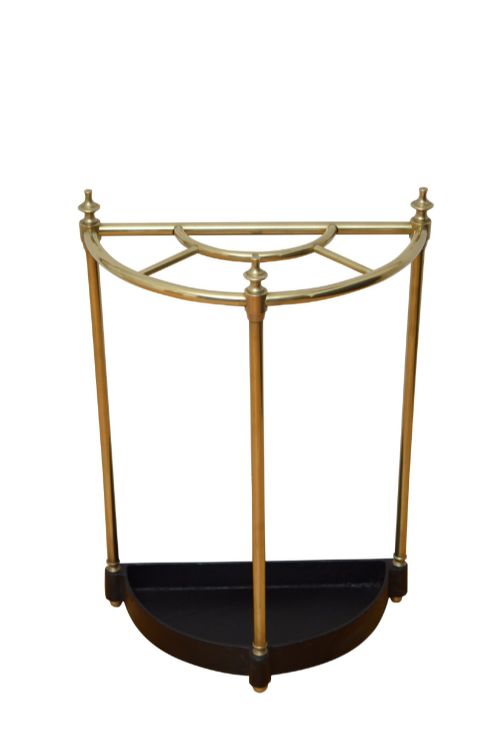
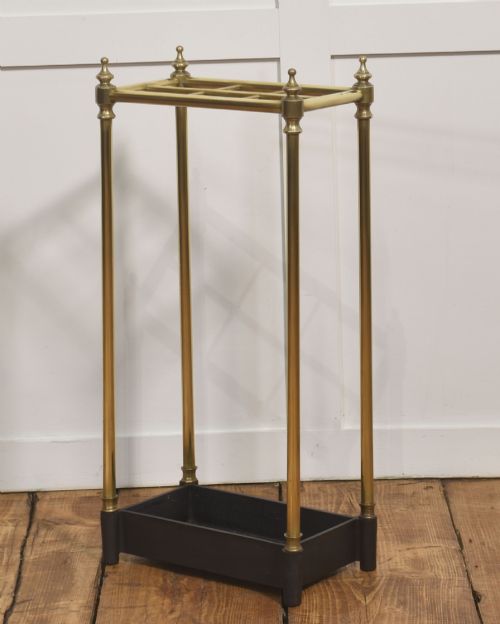
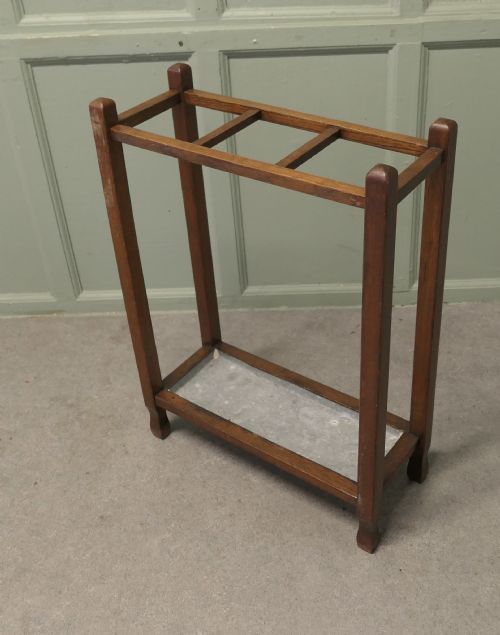
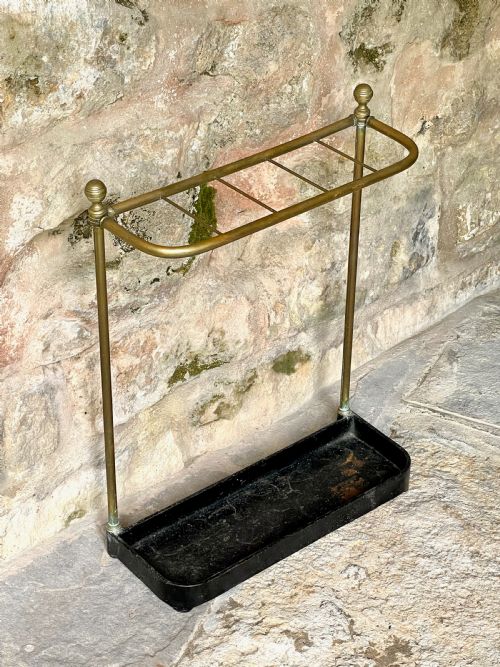
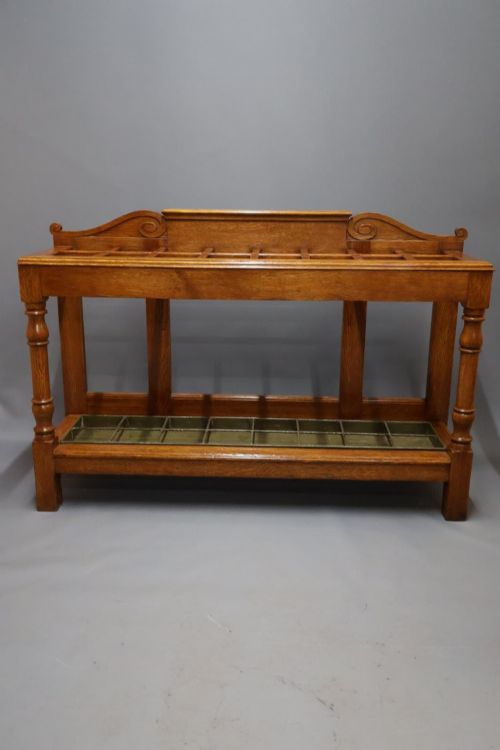
A traditional cane rack functions primarily as an umbrella stand, stick stand or hallway display rack for walking canes and country house walking sticks. The pieces seen here span the Victorian, Edwardian and Arts and Crafts periods, reaching from the late nineteenth century into the 1920s and 1930s.
Makers designed these stands for the practical demands of British country houses and town residences alike. Buyers meet everything from cast iron and brass iterations to golden oak and walnut hallway furnishings.
Materials and construction methods
Cabinetmakers utilised solid timbers such as oak, walnut and mahogany to build the structural frames of these hall stands. Carpenters often shaped golden oak in the robust manner associated with the Arts and Crafts movement.
Foundries supplied heavy metal components including cast iron, brass and zinc. Brass rails, uprights and drip trays added durability and a polished accent to wooden frames.
Traditional Cane Rack Retail Price Guide 2026
Typical asking prices for traditional cane rack among the pieces listed under this phrase on Sellingantiques today, from the lower quarter to the upper quarter. They describe what is for sale here now, not the wider market.
One unexpected listing abandons walking sticks entirely to categorise itself firmly under fishing goods.
Factors determining quality
Excellence in a traditional cane rack rests on the selection of timber and the integrity of the metal fittings. Heavier gauge brass and deeply figured walnut or oak denote superior craftsmanship.
The presence of original drip trays and stable cast iron bases separates finer examples from altered or incomplete pieces.
Falkirk Foundry
The Traditional Cane Rack Glossary
- Demi-lune
- A half-moon shape used for furniture designed to fit flush against a hallway wall. This curved form conserves floor space in narrow entryways.
- Drip tray
- A shallow metal pan placed at the base of a stand to catch water from wet umbrellas. These trays are typically fashioned from brass, zinc or cast iron.
- Arts and Crafts
- A design movement valuing handcraftsmanship and simple vernacular forms over mass production. Pieces from this style often feature exposed construction and honest materials.
- Hall stand
- A piece of furniture placed in an entrance hall to accommodate outdoor wear, hats and walking sticks. These items greet visitors upon arrival.
Traditional Cane Rack: Frequently Asked Questions
Where should I place a cane rack?
These stands belong in a hallway or boot room near the primary entrance of a home. Their original purpose was to receive damp umbrellas and walking sticks as visitors stepped indoors.
Positioning one against a wall keeps walkways clear while adding period character to an entryway.
How do I clean brass parts?
Brass elements benefit from gentle dusting and occasional cleaning with a mild, non-abrasive metal polish. Care should be taken to avoid getting cleaning agents onto surrounding wood.
Preserving the natural patina often appeals to collectors who value age-related warmth over a bright shine.
Can these hold modern umbrellas?
Standard umbrella compartments accommodate most contemporary folding and straight umbrellas alongside traditional walking sticks. The generous apertures designed for Victorian walking canes easily admit modern handles.
Checking the internal dimensions ensures a comfortable fit for oversized golf umbrellas.
How do I date a wooden stand?
Dating relies upon examining construction details, timber selection and stylistic markers such as Arts and Crafts carving or Edwardian proportions. Victorian examples frequently display heavier mouldings and darker walnut or oak.
Comparing hardware styles and joint construction provides further clues to the decade of manufacture.