
Traditional Brown Cabinet
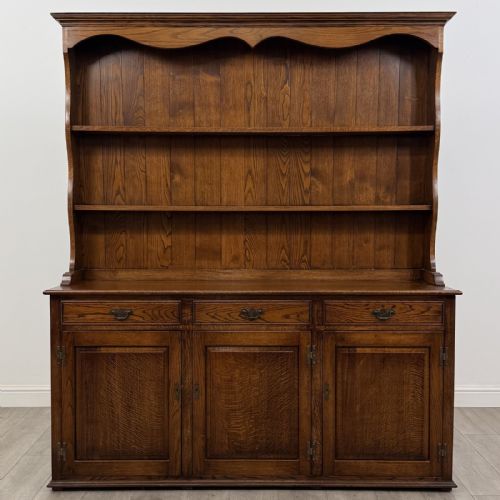
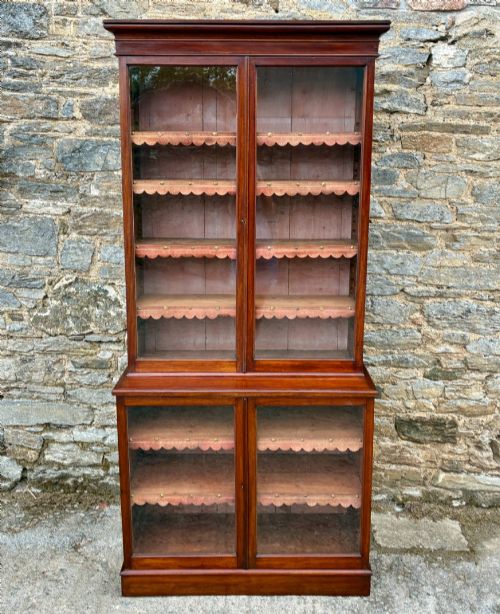
A traditional brown cabinet brings warmth and practical storage, spanning robust oak sideboards and refined mahogany bookcases.
Traditional Brown Cabinet
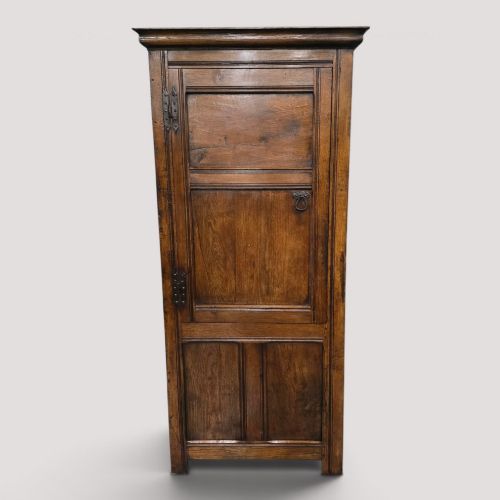
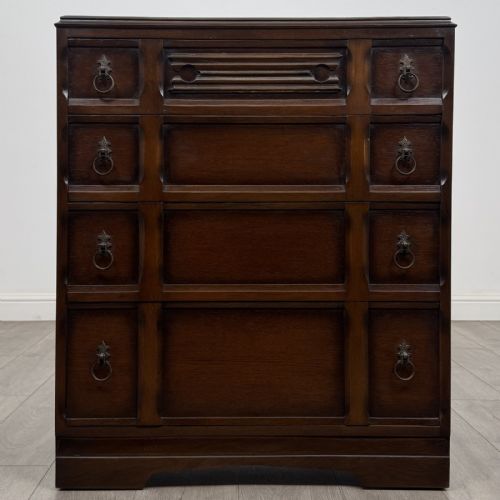
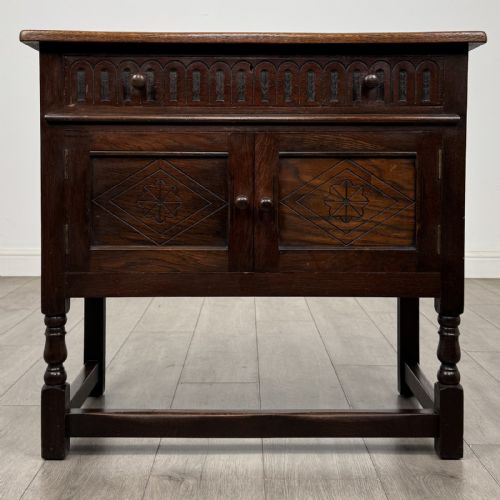
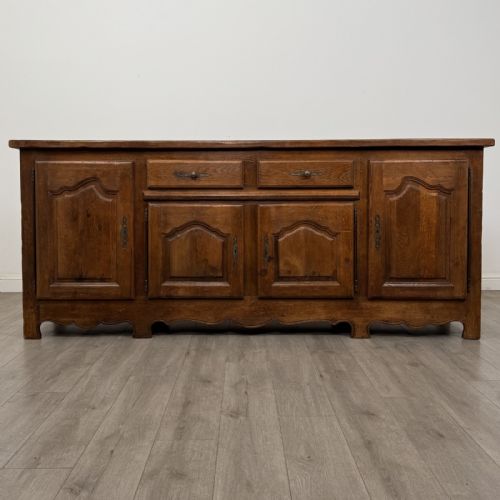
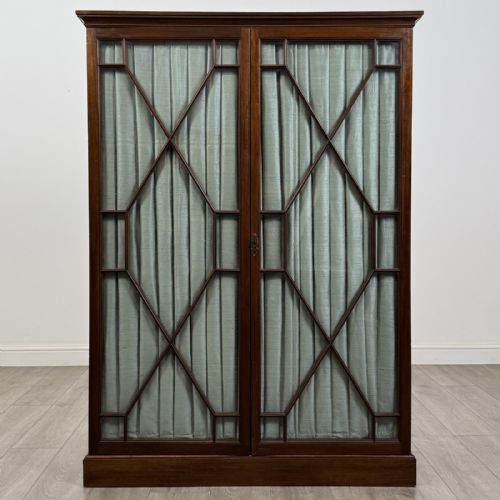
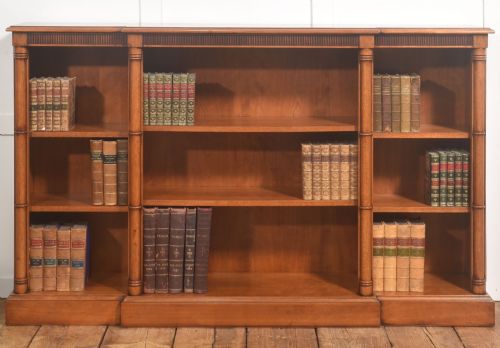
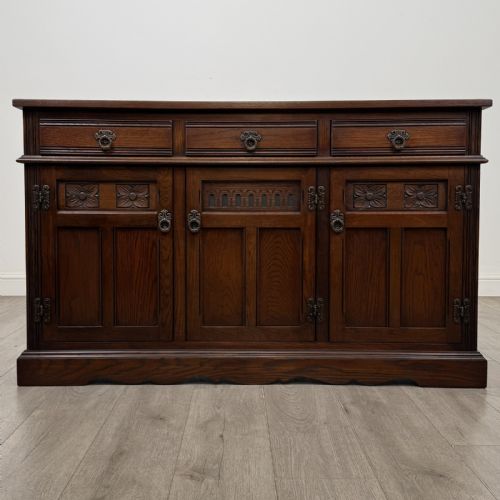
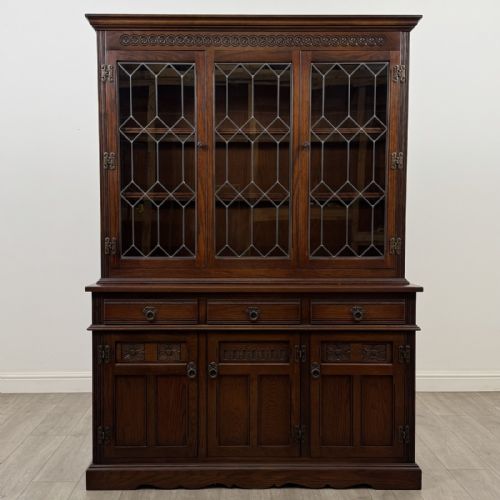
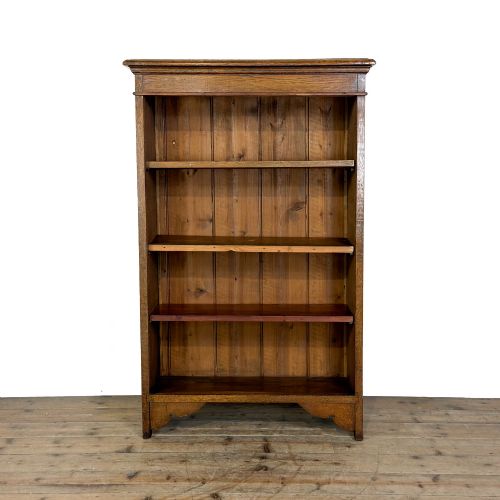
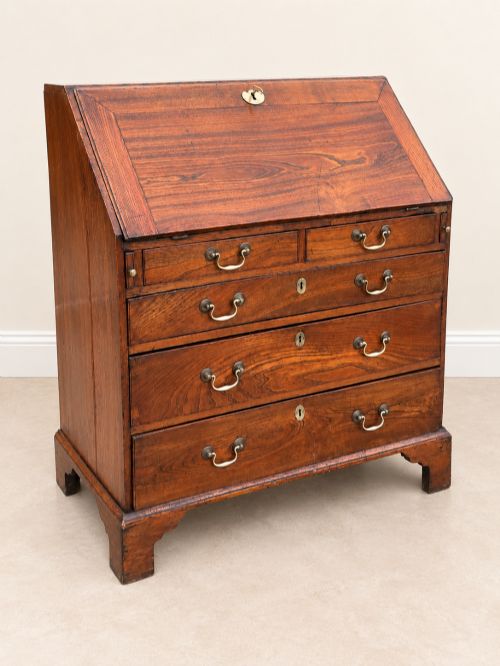
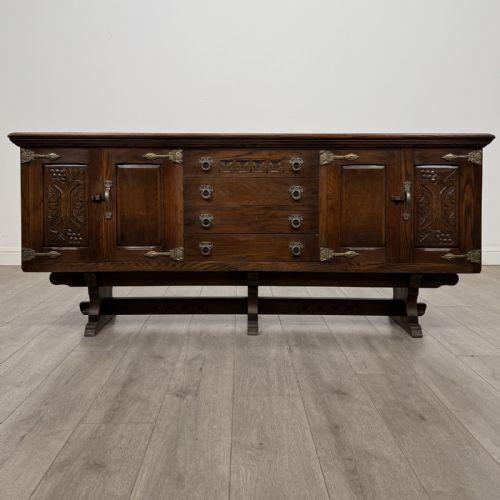
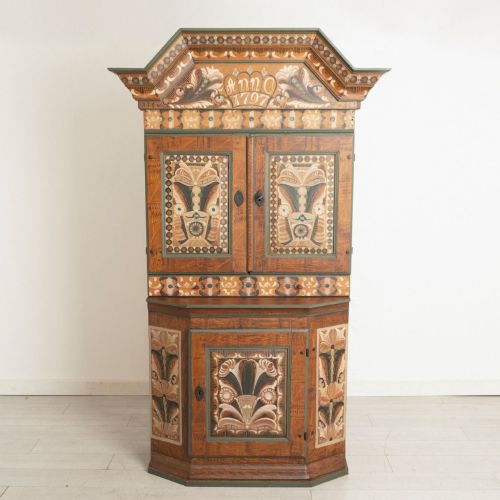
A traditional brown cabinet covers a broad span of storage furniture, most frequently appearing here as oak food cupboards, sideboards, and display cabinets from the 18th century, Victorian, Edwardian, and Georgian periods. Buyers searching for a traditional brown cabinet seek pieces that offer functional utility alongside deep wood tones and historical character.
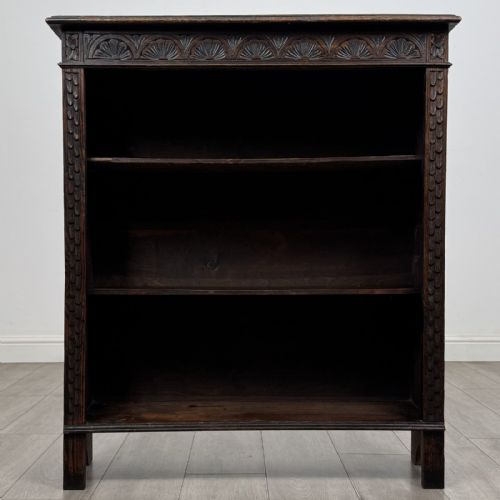
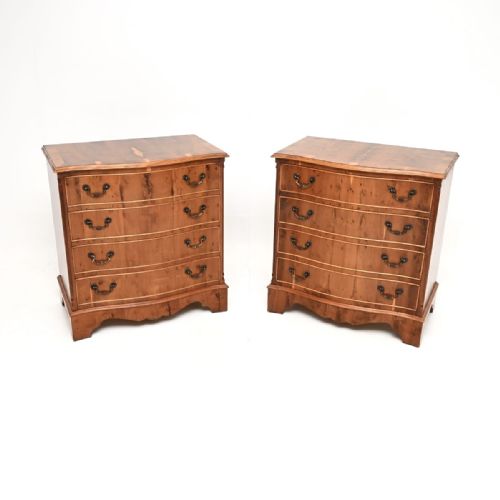
The selection ranges from large oak dressers and bureau bookcases to compact bedside cabinets and chests of drawers. Oak and mahogany dominate the offerings, built in styles stretching from English country and Jacobean revival to formal George III designs.
How they were made
Cabinet makers relied primarily on solid timbers such as oak, mahogany, walnut, and pine, frequently enhanced with burr walnut or yew wood veneers to create rich surface patterns. Structural integrity relied on traditional joinery, often supported by stretcher bases, bracket feet, and dentil cornices.
Hardware and glazing played a functional and decorative role, featuring brass handles, glazed or leaded glass doors, and carved detailing. Interiors often incorporated adjustable shelves, fitted drawers, and raised galleries to suit domestic storage needs.
School libraries and provincial farmhouses contributed sturdy oak cupboards and dressers to keep company with grand Georgian bureau bookcases.
What varies in quality
Quality in these brown cabinets rests on the selection of timber and the precision of the construction. Superior examples utilise finely figured burr walnut, rich pollard oak, or choice mahogany, paired with crisp hand-carved detailing and well-fitted internal drawers.
Proportion and architectural detailing set finer pieces apart, such as dentil cornices, harmonious bow fronts, and intact period hardware like original brass handles and working keys. Lesser examples show simpler construction in pine or plain oak with minimal detailing.
The Traditional Brown Cabinet Glossary
- Breakfront
- A piece of furniture where the central section projects forward from the flanking sections. This configuration is frequently seen on larger bookcases and sideboards.
- Dentil cornice
- A decorative horizontal moulding featuring a repeating series of small rectangular blocks. It commonly tops formal wardrobes and tall bookcases.
- Bureau bookcase
- A dual-purpose piece combining a sloping desk flap that opens for writing with shelving above for books. These often feature internal pigeon holes and small drawers.
- Bow front
- A convex, curved front elevation that swells outward from the corners. This profile is typical of finer Georgian and Regency storage pieces.
- Stretcher base
- A system of horizontal or diagonal braces connecting the lower legs of a cabinet for added stability. They are characteristic of sturdier oak and country pieces.
Traditional Brown Cabinet: Frequently Asked Questions
What periods do these brown cabinets come from?
The listings span several centuries, starting from the 18th century and moving through the Georgian, Victorian, and Edwardian eras. You will also find pieces produced in the early 20th century up through the 1930s.
Each period brought distinct construction methods and design styles, ranging from rustic 18th-century oak cupboards to refined George III mahogany corner cabinets.
Which woods are most common?
Oak and mahogany appear most frequently across the selection, providing the foundational brown tones for the majority of the cabinets, sideboards, and bookcases.
Walnut, pine, elm, and yew wood also feature in various pieces, sometimes decorated with burr veneers or rosewood crossbanding for added visual texture.
Are these cabinets suitable for modern homes?
These brown cabinets offer practical storage solutions like adjustable shelves, deep drawers, and spacious cupboards that adapt readily to contemporary living spaces.
From compact bedside cabinets to large breakfront bookcases and sideboards, they provide functional utility while adding historical character and rich wood tones to a room.