




Traditional Brass Door Furniture
Traditional brass door furniture brings tactile weight and period character to an entrance, turning a simple threshold into a considered design choice.
Traditional Brass Door Furniture
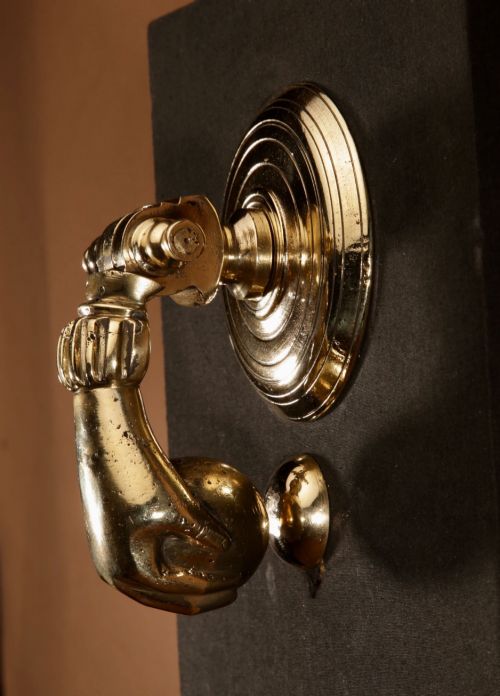
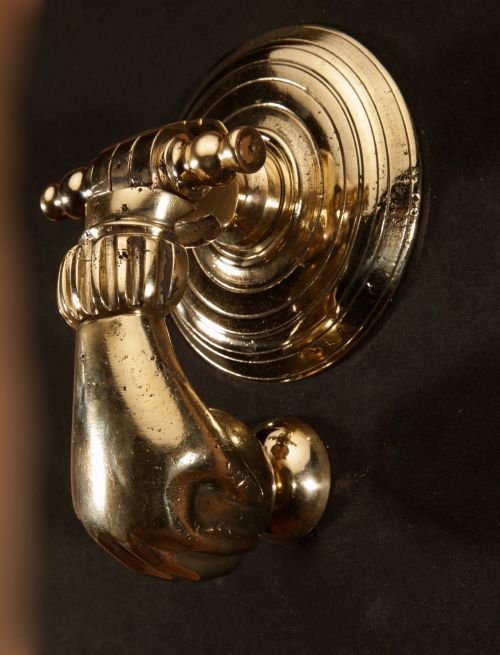
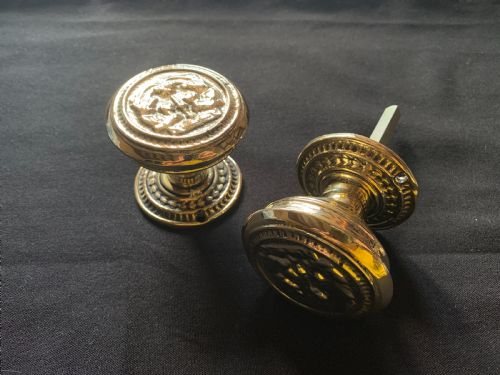
Traditional brass door furniture encompasses functional hardware such as centre door knobs, knockers, pull handles, finger plates, and letter boxes designed to outfit period entrances. Buyers searching for traditional brass door furniture will frequently encounter Victorian pieces, alongside examples from the Georgian, Regency, and Edwardian eras. These items range from simple utilitarian fittings to decorative cast designs shaped like hands or textured with geometric patterns.
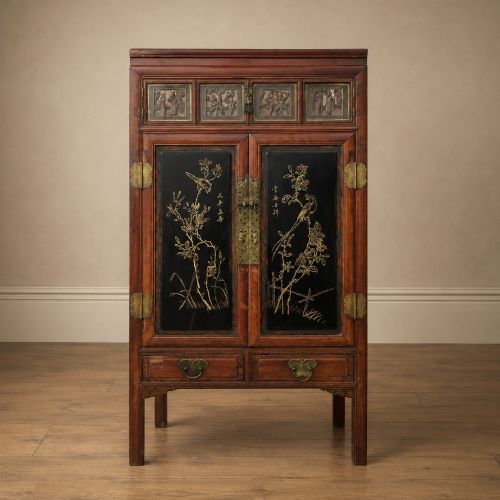
The selection on this page leans heavily toward Victorian brass centre door knobs and door knockers, alongside Georgian and Regency variants. Materials extend beyond pure brass to include bronze, wood combinations, and occasional iron or steel components. Alongside dedicated door hardware, the material record also touches upon wider cabinet furnishings and larger lacquered storage pieces.
Forms vary from standard round and octagonal profiles to distinct beehive turns, oval shapes, and complete door knocker plates. Whether outfitting an interior room or a grand front entrance, these fittings provide the solid metalwork typical of nineteenth-century domestic architecture. Each piece reflects the functional requirements of historical doorways while offering enduring decorative appeal.
How it was made
The physical objects rely on durable casting and machining techniques suited to heavy daily use. Solid brass and bronze provide the primary structural foundation, shaped through casting methods that allow for crisp detail work like the ribbed texture of beehive knobs or the intricate fingers of hand-shaped knockers.
Secondary materials such as wood and lacquer appear in specific pairings, notably on mixed-material door knobs and related cabinet pieces. Metal components are finished to highlight the natural qualities of brass and bronze, providing the substantial heft characteristic of period hardware.
Listings span the Georgian, Victorian, Regency, and Edwardian periods, featuring solid brass, bronze, and wood materials.
What varies in quality
Quality in these items is visible in the crispness of the casting and the density of the metal used. Finer examples show sharp definition in decorative elements, such as the fingers on hand knockers or the distinct ridges of beehive turning, whereas lesser pieces can appear softer or more worn in their detailing.
The choice of materials also dictates the overall grade, with solid cast brass and heavy bronze providing superior durability compared to lighter composite assemblies. Original mechanisms and matching components further elevate a piece, separating utilitarian replacements from fully intact period hardware.
The Traditional Brass Door Furniture Glossary
- Centre door knob
- A large door knob mounted centrally on the front door rather than near the latch, primarily used for pulling the door closed.
- Beehive knob
- A door knob characterised by distinct concentric stepped rings resembling a traditional skep beehive, popular during the Victorian period.
- Finger plate
- A flat vertical metal plate mounted behind a door handle or latch to protect the surrounding wood from hand marks and wear.
- Door knocker
- A hinged metal device attached to the exterior of a door for visitors to strike against a matching striking plate.
- Neoclassical
- A style drawing inspiration from the classical art and architecture of ancient Greece and Rome, emphasising symmetry and restraint.
Traditional Brass Door Furniture: Frequently Asked Questions
How do I install vintage brass door furniture?
Vintage hardware often requires careful alignment with existing screw holes or mortises to preserve the integrity of older doors. Using appropriate hand tools prevents stripping the original brass screws typically found with these pieces.
Ensure that moving parts, such as spindles and latches, align smoothly before final tightening to guarantee proper daily function without putting undue stress on the metal.
Are these door knobs suitable for modern doors?
Many traditional brass door knobs and fittings can be adapted to modern standard door preparations with minor adjustments to the spindle or backplate. Measuring the thickness of your door and the backset distance is essential before fitting nineteenth-century hardware.
While the visual impact is distinct, professional fitting may be required to bridge the gap between historical dimensions and contemporary joinery standards.
What is the difference between Victorian and Georgian door hardware?
Georgian door furniture generally favours clean, classical proportions influenced by Palladian architecture and symmetry. Victorian pieces tend to be heavier and more varied, embracing eclectic styles from Gothic revival to ornate floral and beehive patterns.
Examining the casting style and decorative motifs usually reveals the distinct design priorities of each specific era.
How should I clean antique brass door furniture?
Cleaning should be minimal to preserve the natural patination built up over decades or centuries of handling. A soft dry cloth removes dust, while mild soapy water can clear away stubborn grime without stripping the aged surface.
Harsh metal polishes and abrasive pads should be avoided entirely, as they strip away the historical character and diminish the visual depth of the brass.