
Traditional Bookshelf
A traditional bookshelf brings timeless timber and open storage to your room, holding volumes within reach.
Traditional Bookshelf
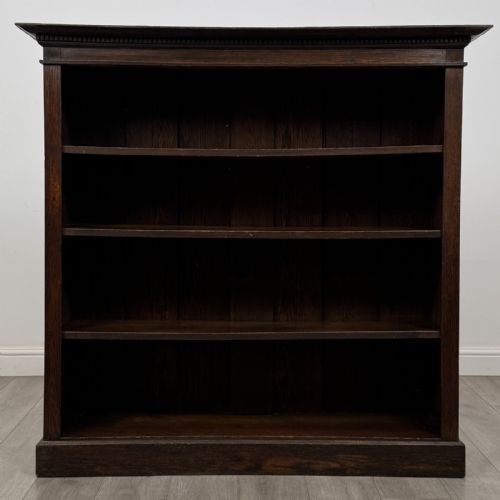
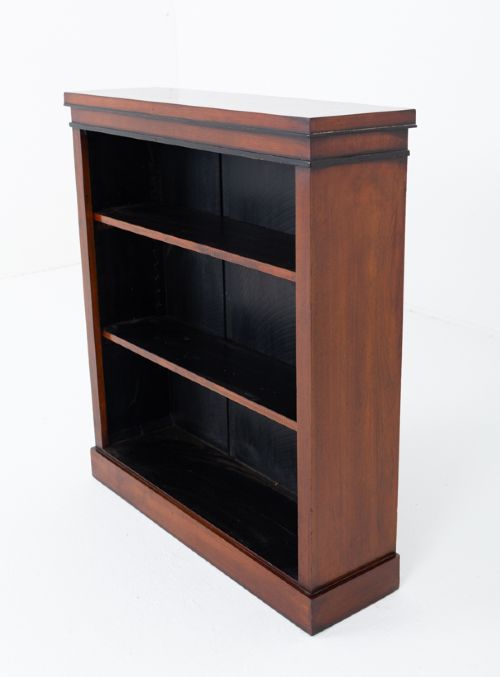
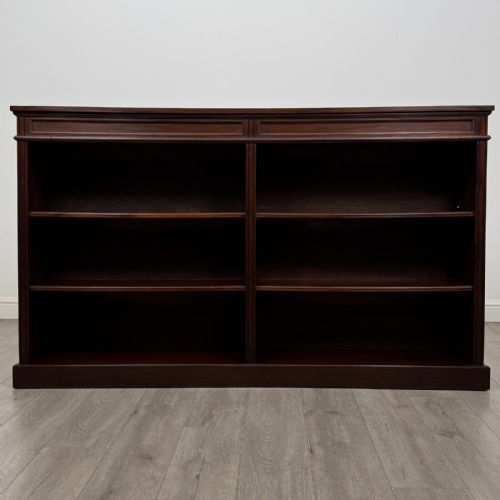
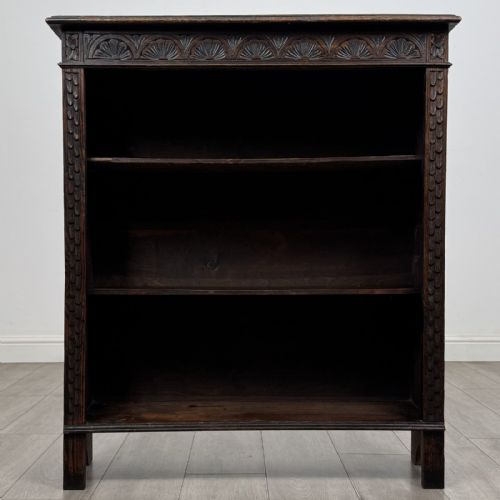
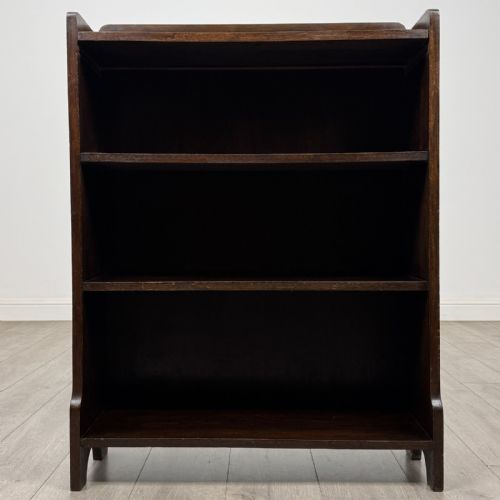
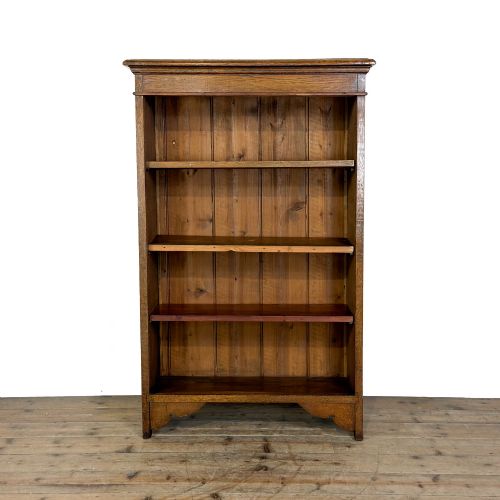
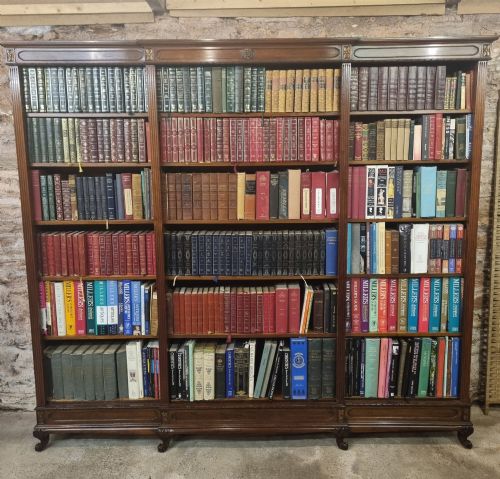
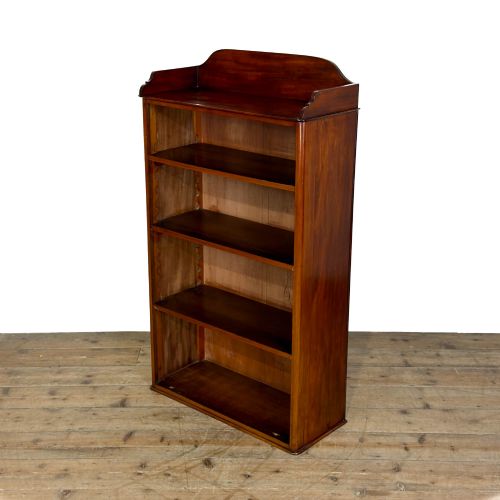
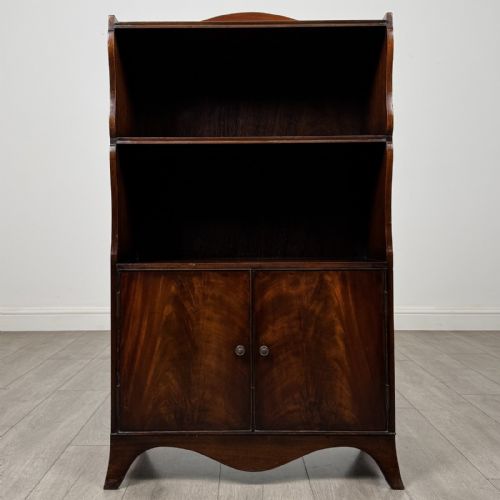
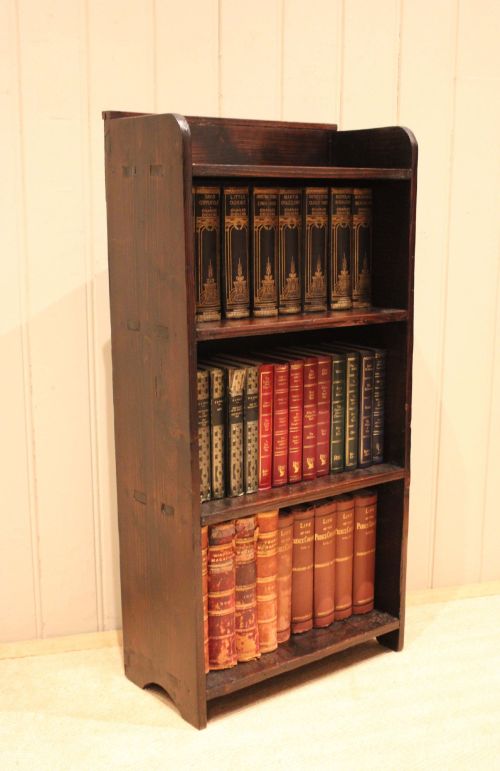
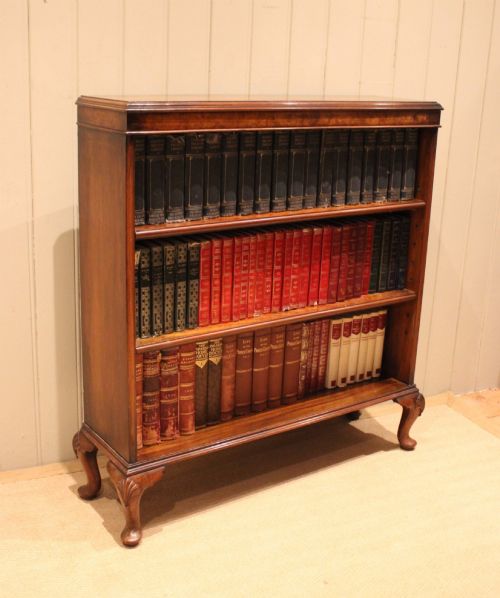
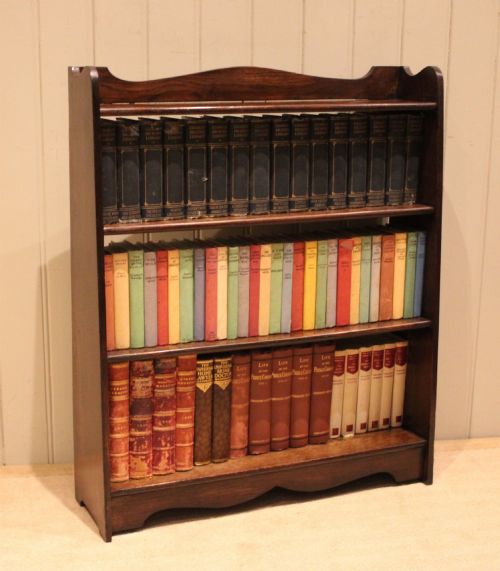
A traditional bookshelf spans open mahogany and oak configurations originating from the Victorian and Edwardian eras. These pieces range from small rustic items to large library bookcases built with plinth bases or raised galleries.
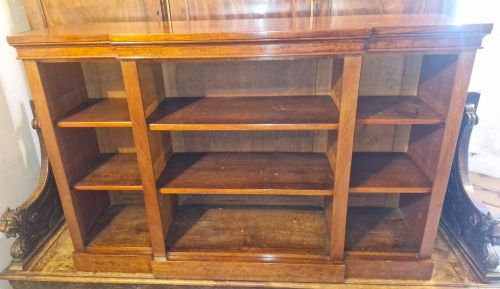
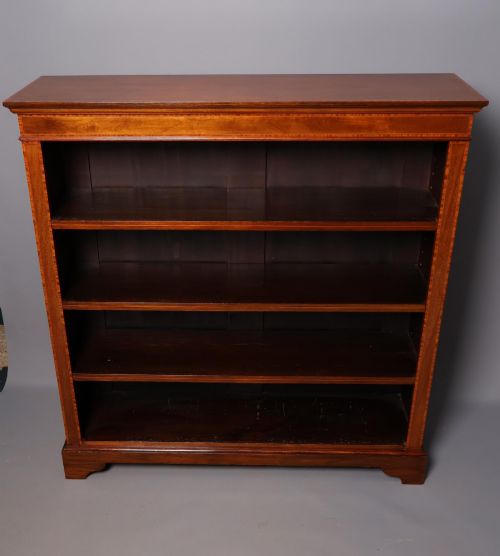
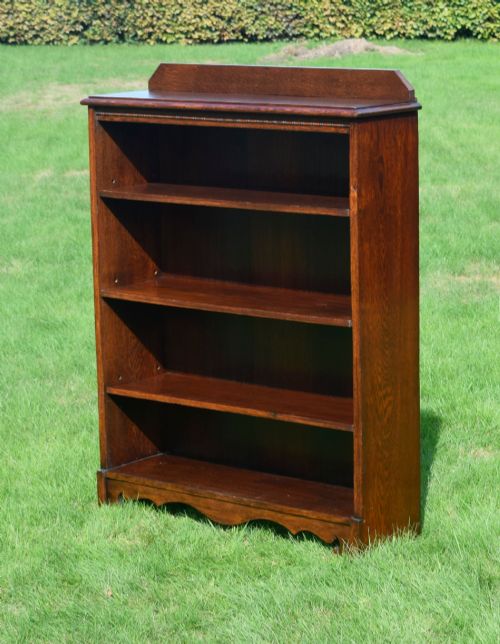
You will frequently encounter open front bookcases made of oak or mahogany, often featuring adjustable shelves for practical storage. Edwardian examples dominate the selection, bringing proportion and simple display space to domestic interiors.
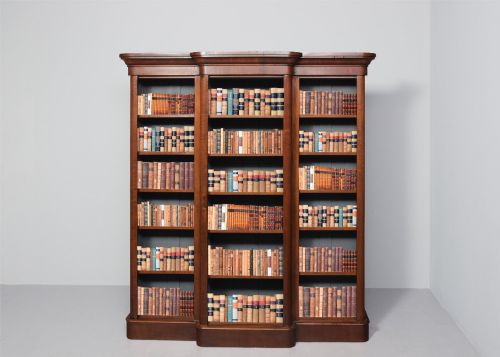
The assortment includes specialised forms like breakfront units, narrow wall shelves, and angled designs in walnut and pine. Each piece serves to organise books while anchoring a room with period character.
Materials and construction
Carpenters utilised solid timber such as oak, mahogany, walnut, and pine to construct these storage items, frequently applying flame mahogany veneer or burr walnut for decorative grain. Brass hardware appears on selected fittings.
Construction methods relied on sturdy plinth bases, beaded edges, and carved galleries to finish the tops of open shelving units. Adjustable shelf mechanisms were integrated into Victorian and Edwardian bookcases to accommodate varying book heights.
Bookshelf backs sometimes retain faint pencil markings left by nineteenth-century carpenters counting board widths.
Quality variations
Superior examples distinguish themselves through the selection of timber, such as figured flame mahogany or rich burr walnut, matched with clean joinery and balanced proportions. Finer pieces often incorporate considered details like carved galleries or graduated adjustable shelving.
Ercol
The Traditional Bookshelf Glossary
- Breakfront
- A piece of furniture where the central section projects forward from the flanking wings. This architectural layout creates depth and visual interest in larger library bookcases.
- Plinth base
- The heavy solid support or platform upon which a bookcase rests directly on the floor. It grounds the vertical timber structure.
- Raised gallery
- A low decorative rail or border running along the top edge of a cabinet or bookshelf. It prevents items placed on top from sliding off.
- Adjustable shelves
- Internal boards supported by movable pegs or tracks that allow the user to alter vertical shelf spacing. This system accommodates books of different sizes.
- Flame mahogany veneer
- A thin slice of wood cut from a mahogany log where the grain resembles flickering flames. Cabinetmakers applied this to visible surfaces for decorative effect.
Traditional Bookshelf: Frequently Asked Questions
How do I date a traditional bookshelf?
Dating relies on identifying timber choices, construction techniques, and stylistic markers typical of periods like the Victorian era or Edwardian years. Oak and mahogany usage shifted alongside changing interior tastes through the nineteenth and early twentieth centuries.
Examining internal fixings, shelf support systems, and backboards provides further clues to age. Simpler rustic items often contrast with refined breakfront designs from the same overarching period.
Are shelves usually adjustable?
Many period bookcases feature adjustable shelving systems that use wooden tracks or peg holes. This flexibility allowed owners to store volumes of varying heights.
Fixed shelves also appear in smaller or more utilitarian pine and oak versions. Checking the interior sides reveals the presence of adjustment mechanisms.
Where should I place a mahogany bookcase?
Mahogany bookcases suit studies, living rooms, and hallways where their rich reddish-brown timber adds warmth. Placing them away from direct sunlight and heat sources protects the polished wood and veneer.
Ensuring adequate floor space allows larger breakfront or plinth-based models to sit flush and secure. Smaller slim variants fit neatly into alcoves or narrower wall spaces.