
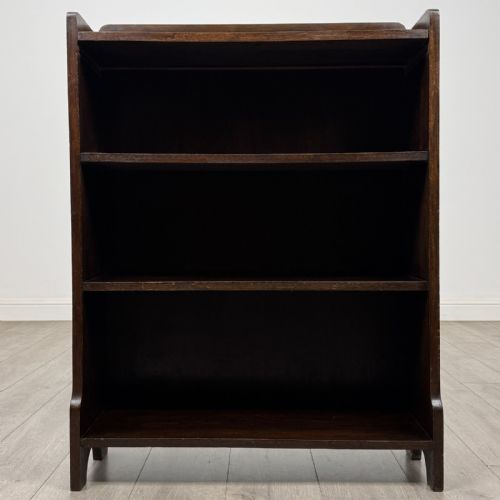
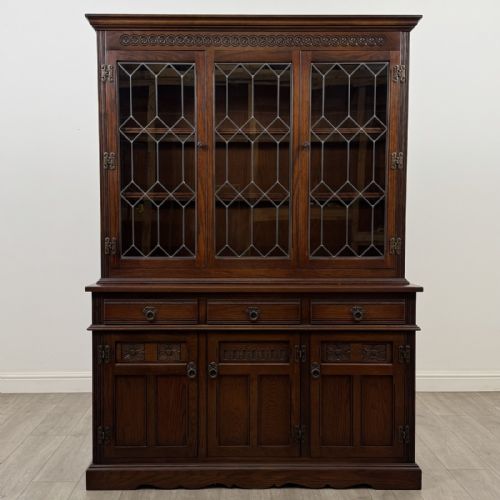
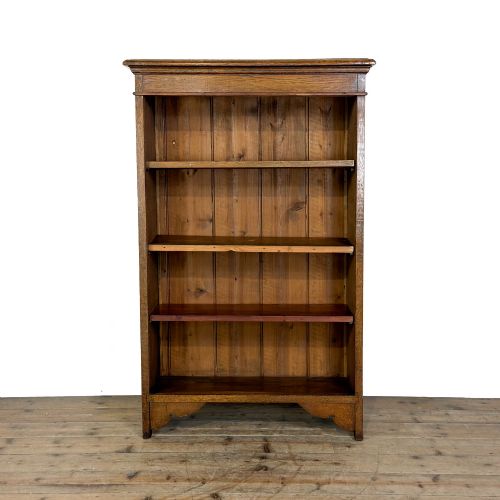
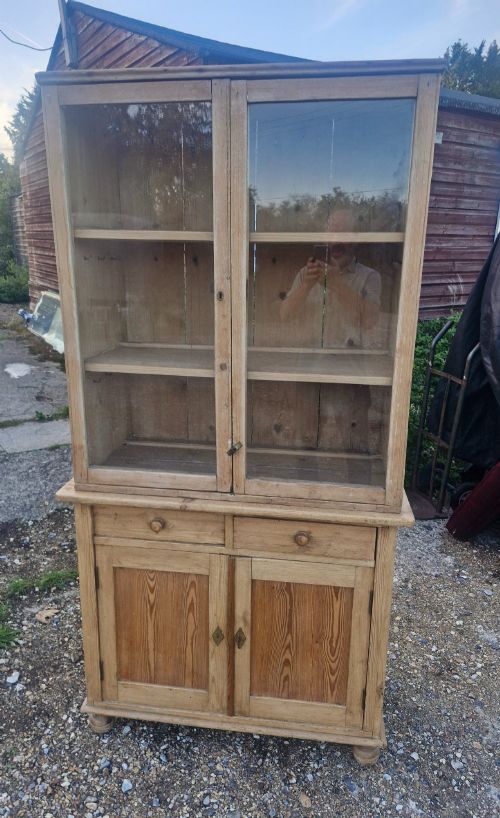
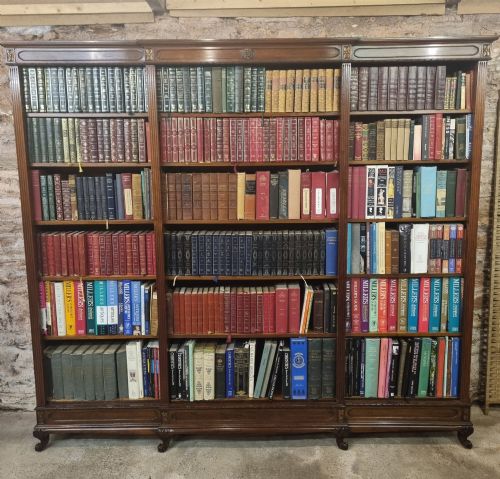
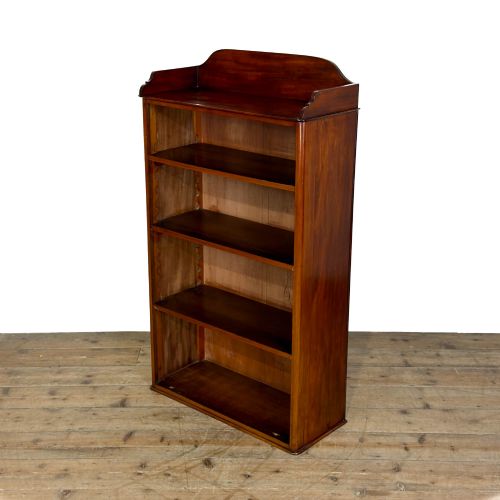
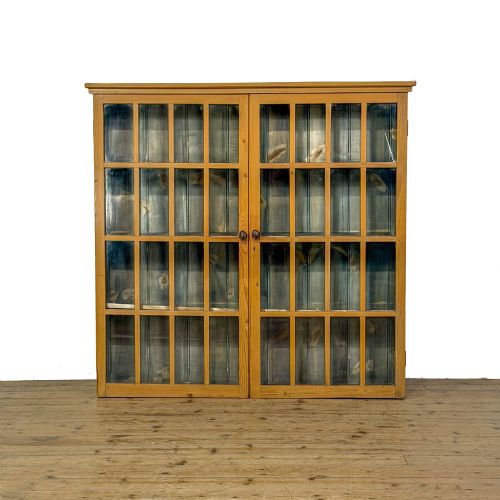
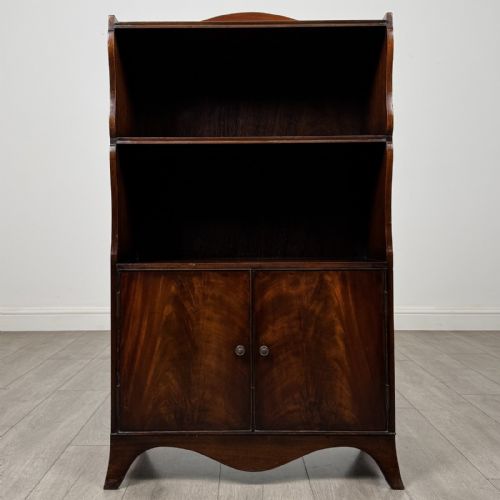
Traditional Bookcase
A traditional bookcase brings architectural depth and quiet utility to a room, housing volumes behind glazed timber doors or upon open shelves.
Traditional Bookcase
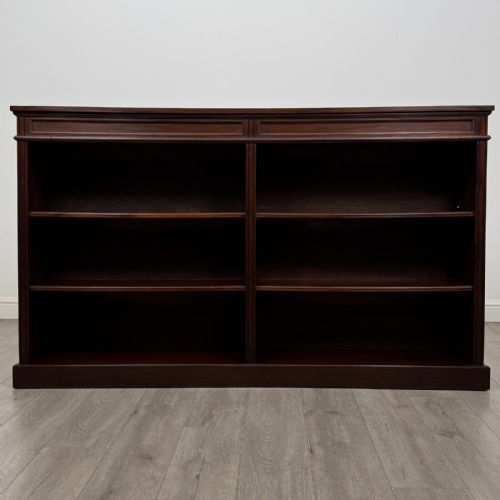
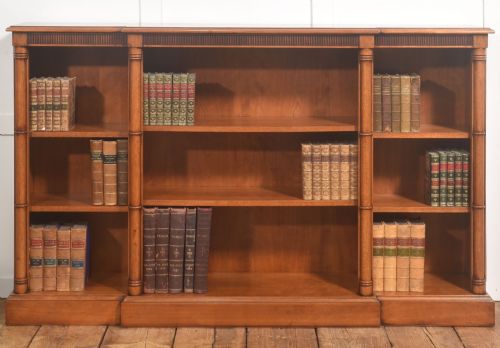
A traditional bookcase satisfies the desire for functional storage built with classic cabinetry methods. When buyers search for a traditional bookcase, they encounter forms that range from simple open pine shelves to large mahogany breakfronts and bureau bookcases.
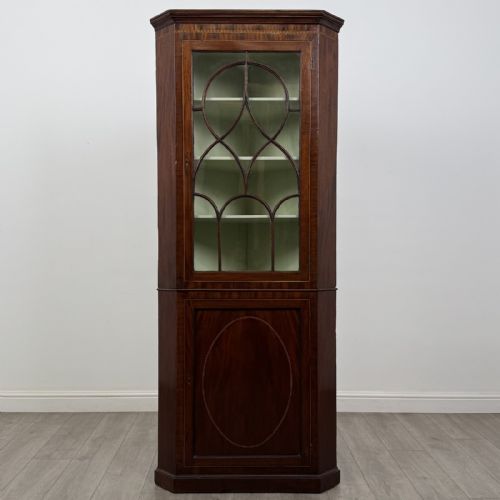
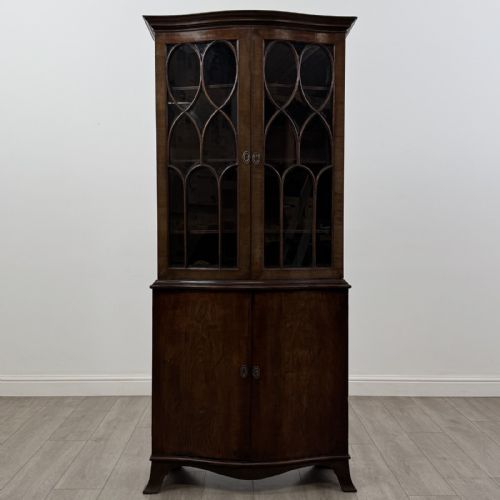
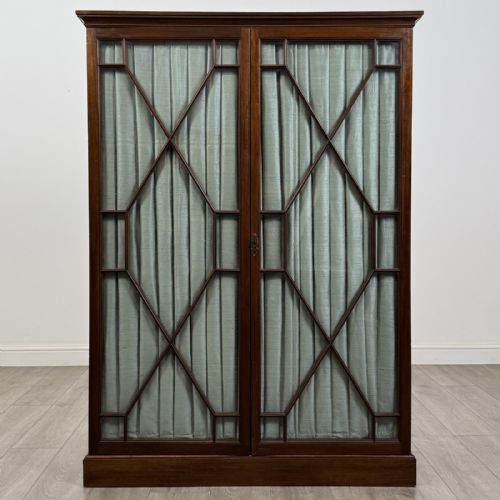
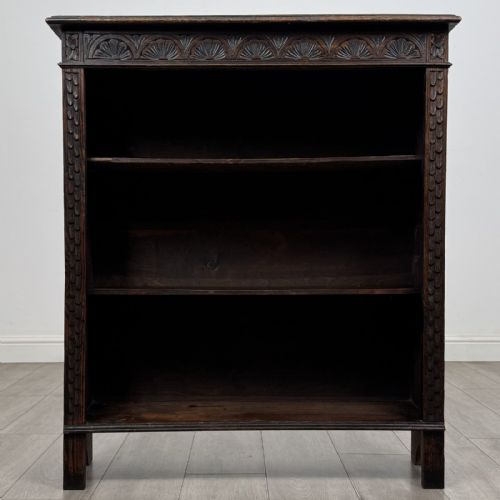
The most common pieces on this page are Edwardian and Victorian examples in oak and mahogany. These include open shelf variants, glazed display cabinets, and corner cupboards intended for domestic libraries and studies.
Materials and Construction
Timbers such as oak, mahogany, walnut, and pine form the primary structure of these pieces. Cabinetmakers selected these hardwoods and softwoods for their grain and structural stability.
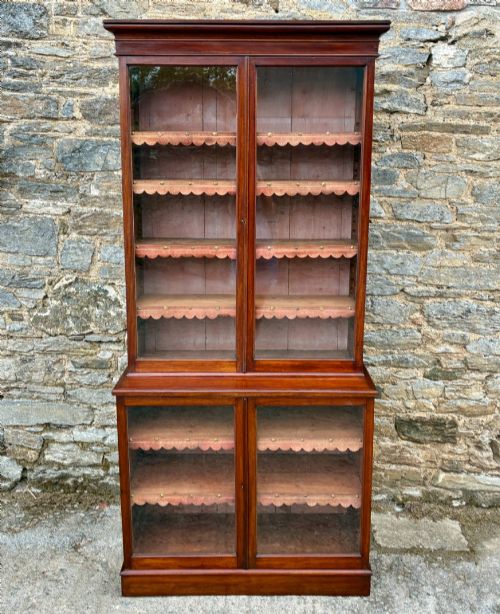
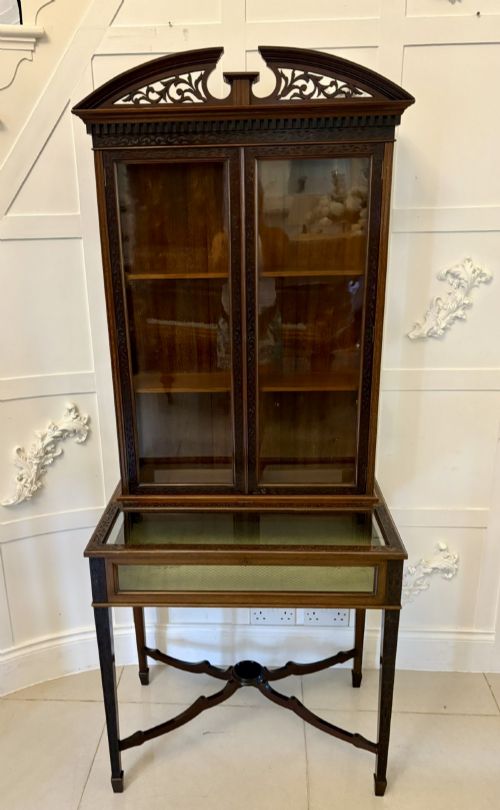
Glazing takes the form of glass panes secured with wooden glazing bars, lead cames, or astragal moulding. Brass handles, hinges, and hardware provide functional accents across cabinet doors and drop-front desks.
Listings feature oak, mahogany, walnut, and pine across Victorian, Edwardian, and nineteenth-century periods.
Judging Quality
Quality rests upon the selection of timber and the precision of the joinery rather than ornate decoration alone. Pieces constructed with solid mahogany or quarter-sawn oak display superior structural integrity over decades of use.
Finer examples feature thoughtful proportions, clean lines, and integrated elements like adjustable shelves, carved panels, or raised galleries. The clarity of the glass and the weight of the brass fittings further distinguish standard utility items from superior cabinet work.
Hille
The Traditional Bookcase Glossary
- Breakfront
- A piece of furniture where the central section projects forward from the flanking wings. This architectural arrangement creates shadow and depth across large bookcases.
- Astragal Glazing
- Narrow wooden mouldings that divide a glass windowpane into smaller segments within a door frame. This technique is typical of finer Georgian and Victorian display cabinets.
- Bureau Bookcase
- A combination form featuring a sloping drop-front desk compartment below open shelves or glazed cabinet doors. It serves both writing and storage functions.
- Canted Corners
- Vertical corners that are bevelled or angled off rather than squared at ninety degrees. This subtle detail softens the silhouette of upright bookcases.
Traditional Bookcase: Frequently Asked Questions
How do I date an oak bookcase?
Dating relies on architectural styling, hardware, and construction methods. Edwardian and Victorian pieces often show machine-sawn timber elements alongside hand-finished details.
Examining drawer linings, backboards, and brass handles reveals the manufacturing era. Oak items from the early twentieth century frequently incorporate revival motifs like Jacobean carving.
Are the shelves adjustable?
Many traditional bookcases feature movable shelves supported by wooden ratchets, metal pegs, or internal vertical slots. This flexibility accommodates volumes of varying heights.
Fixed shelves do appear in simpler farmhouse or rustic pieces. Checking the interior uprights reveals whether the shelving height can be altered.
How do I care for antique wood?
Maintaining antique mahogany, oak, or walnut involves keeping pieces away from direct heat sources and sudden humidity changes. Natural wax finishes benefit from occasional gentle application and soft buffing.
Avoiding harsh chemical cleaners preserves the historic patina of the timber. Regular dusting with a dry lint-free cloth protects the polish.