



Traditional Bench Frame
These traditional bench frame pieces offer sturdy seating foundations that anchor a room with period character.
Traditional Bench Frame
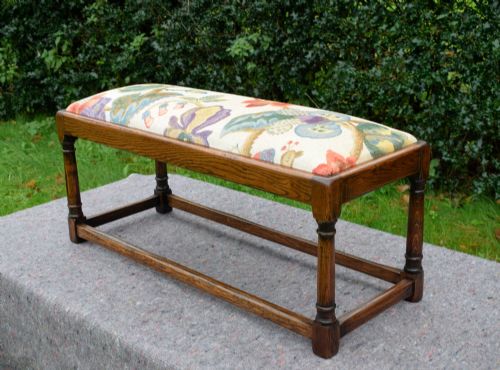
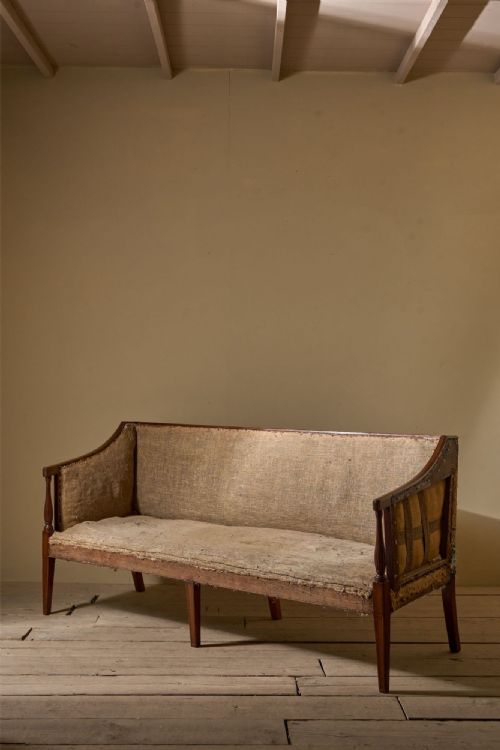
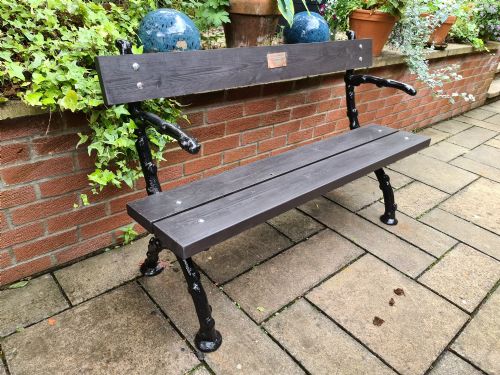
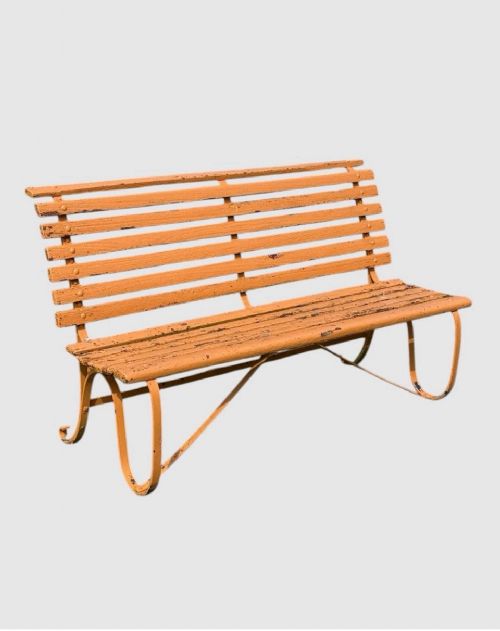
When you search for traditional bench frame, you encounter a variety of timber seating carcases and structural supports designed for upholstery or long forms. These pieces span centuries of cabinet making, ranging from nineteenth century mahogany frames to robust cast iron garden seats.
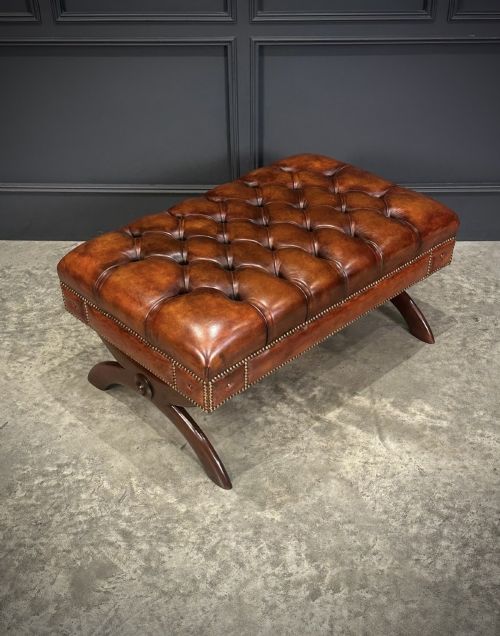
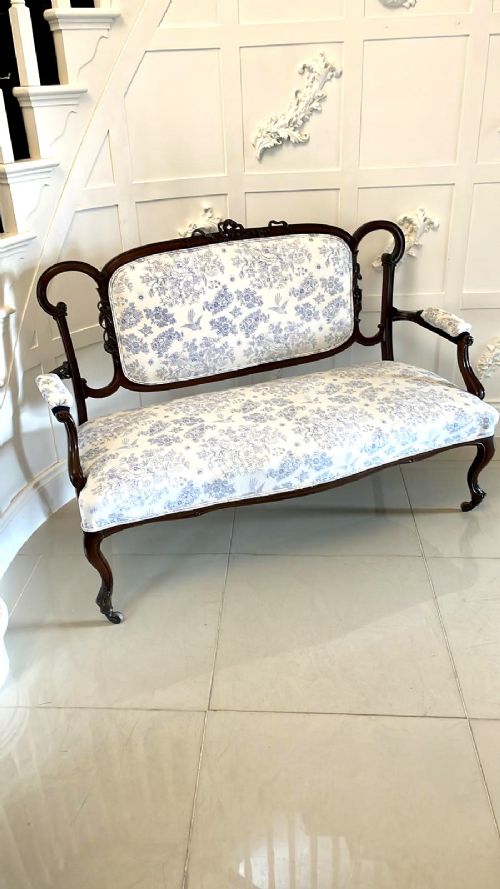
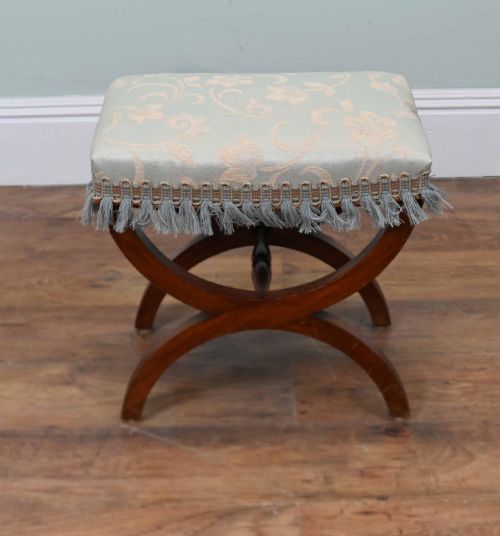
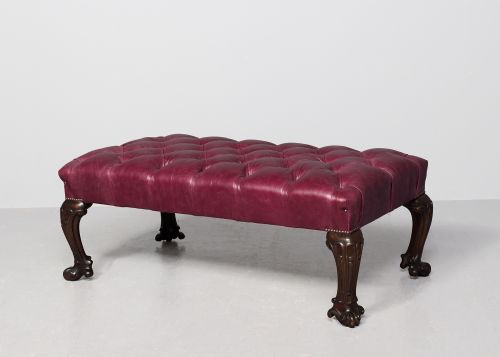
The selection here includes long footstools, window seats, settees and garden benches. Many originate from the nineteenth century or draw inspiration from earlier Georgian, Regency and Queen Anne styles.
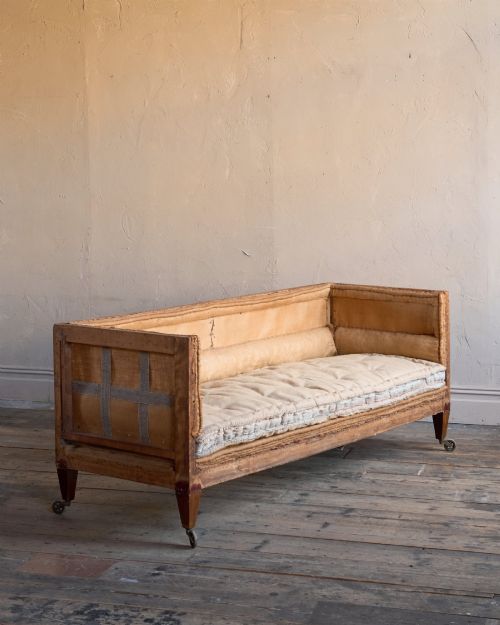
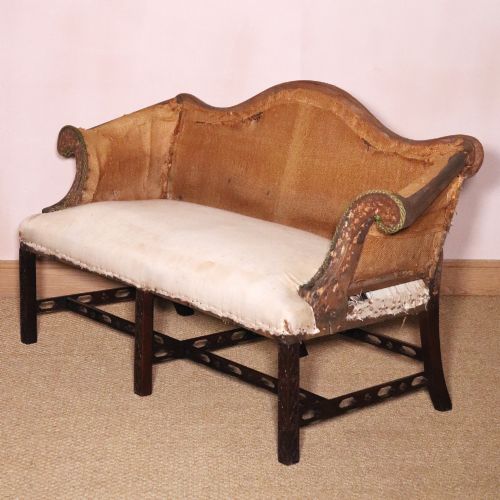
You find open wooden frames awaiting upholstery alongside fully realised settees and benches. Mahogany predominates among the wood choices, often shaped into specific revival styles like Chippendale or Regency.
Materials and construction methods
Cabinet makers utilised dense hardwoods, chiefly mahogany, walnut, oak and elm, to build these structural carcases. Joinery relies on traditional methods to ensure the frame bears weight securely over generations.
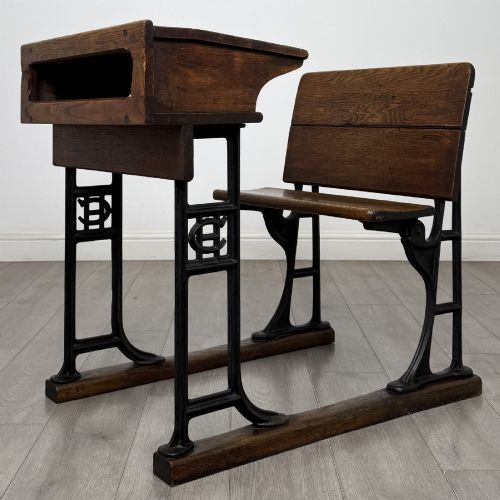
Metal components appear where function demands, such as cast iron for outdoor garden benches and brass for specific fittings. Upholstery supports range from webbing and hessian to traditional stuffing beneath leather, damask or kilim coverings.
Traditional Bench Frame Retail Price Guide 2026
Typical asking prices for traditional bench frame among the pieces listed under this phrase on Sellingantiques today, from the lower quarter to the upper quarter. They describe what is for sale here now, not the wider market.
Some nineteenth century frames spent decades supporting dusty feet before finally earning a polite retirement in the parlour.
Distinguishing quality in frames
Quality rests upon the crispness of the timber carving and the integrity of the underlying joinery. Superior examples display carefully selected grain patterns and robust structural timber that remains firm and true.
The degree of hand shaping on legs, rails and arm supports dictates the aesthetic distinction of the piece. Finer frames show meticulous attention to proportion and finish, whether left as bare polished wood or prepared for fine textiles.
The Traditional Bench Frame Glossary
- Chippendale style
- A design aesthetic reflecting eighteenth century English furniture design, known for carved mahogany and elegant cabriole or straight legs.
- Regency style
- A classical revival style drawing on ancient Roman and Greek forms, frequently featuring fluted legs and dark timbers.
- Kilim
- A flatwoven textile used historically for durable upholstery coverings on footstools and benches.
- Giltwood
- Timber treated with gold leaf or gold paint to create a decorative metallic surface on formal seating frames.
- Hessian
- A coarse woven fabric utilised as a traditional foundation layer beneath upholstery stuffing.
Traditional Bench Frame: Frequently Asked Questions
How do I date a wooden bench frame?
Examine the timber species, tool marks and construction joints to determine the period of manufacture. Earlier pieces often display hand sawn marks and traditional peg joinery.
Compare the stylistic motifs, such as cabriole legs or fluting, against known design periods like Regency or Queen Anne to narrow down the decade.
Can I use an antique frame outdoors?
Only frames specifically constructed as garden benches using cast iron and weather-resistant timber are suitable for external use. Indoor furniture frames will degrade rapidly if exposed to moisture.
Keep wooden window seats and indoor benches within climate-controlled environments to protect the historic glue and joinery.
What is a frame for upholstery?
A frame for upholstery is an exposed wooden carcase sold without its final fabric cover or internal padding. This allows you to choose textiles that match your interior scheme.
Inspect the webbing and foundation strapping to ensure the structural base can support new springs and padding.
How do I maintain mahogany frames?
Dust the timber regularly with a soft, dry cloth to prevent the buildup of abrasive particles. Avoid placing wooden frames near direct heat sources to prevent the timber from splitting.
Apply traditional beeswax periodically to nourish the surface and maintain the natural lustre of the mahogany.