







Traditional Asian Table Lamps
Traditional Asian table lamps bring historic ceramic and metalwork into domestic lighting, offering rich decorative detail from nineteenth-century workshops.
Traditional Asian Table Lamps
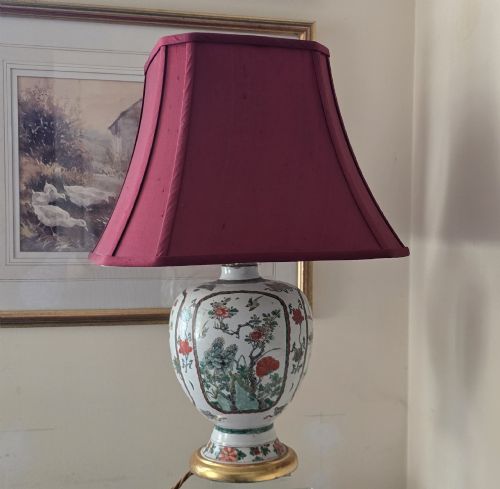
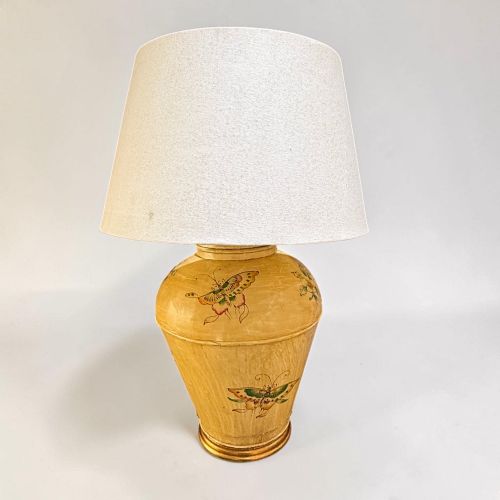
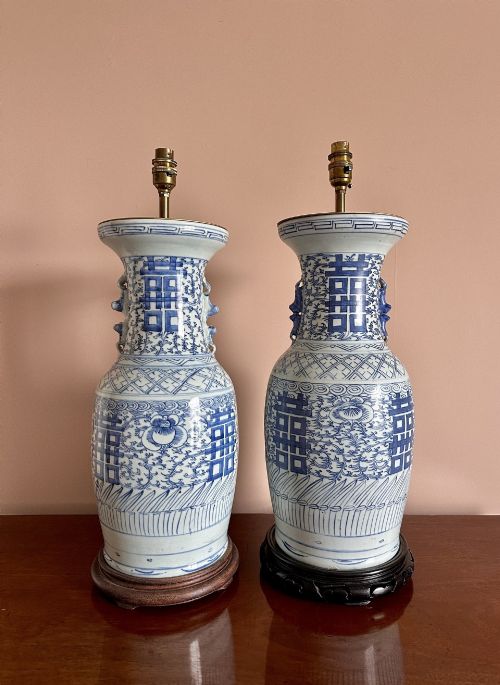
Traditional Asian table lamps combine centuries-old Far Eastern craftsmanship with functional domestic illumination. Buyers seeking traditional asian table lamps encounter repurposed vessels and figures originating from Chinese and Japanese decorative traditions.
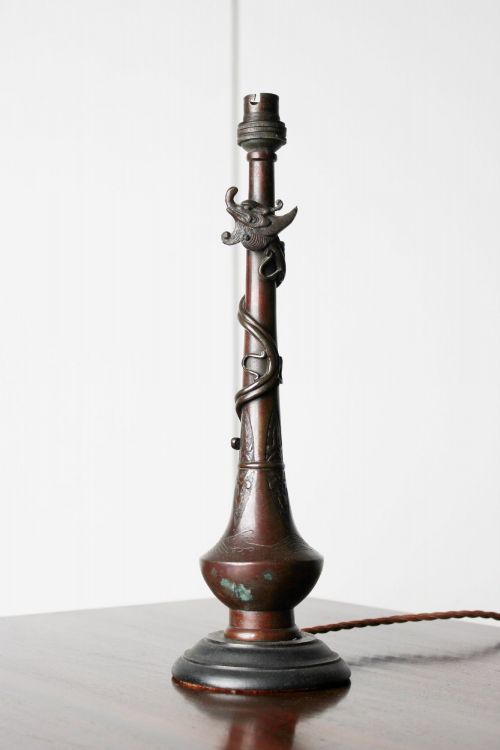
The pieces appearing most frequently on this page include converted porcelain vases, cloisonné vessels, and bronze sculptures. These range from nineteenth-century Satsuma and Imari ceramics to Edwardian bronze work and carved hardwood bases.
Origins stretch across the Qing Dynasty and the Japanese Meiji period, alongside later colonial interpretations such as Chinoiserie and Chinese Export pieces. Alongside actual lamps, the selection includes related stands and side tables utilised for display.
How they were made
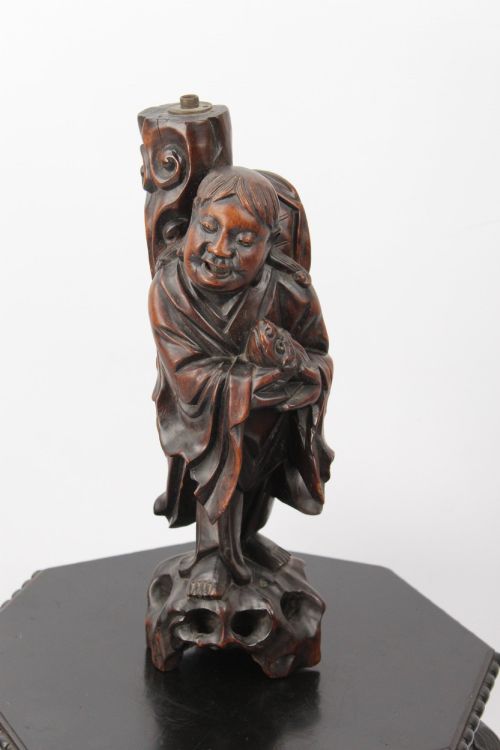
Materials span heavy hardwoods like elm and various exotic timbers alongside cast bronze and beaten brass. Ceramic elements rely on porcelain bodies finished with hand-painted glazes, celadon washes, or intricate enamel work.
Techniques combine traditional Asian pottery and metal casting methods with later electrical adaptation. Artisans employed cloisonné wire inlay, detailed carving in hardwood, and elaborate polychrome decoration on porcelain surfaces.
Traditional Asian Table Lamps Retail Price Guide 2026
Typical asking prices for traditional asian table lamps among the pieces listed under this phrase on Sellingantiques today, from the lower quarter to the upper quarter. They describe what is for sale here now, not the wider market.
An elephant once served as a lamp base, bearing witness to Meiji period craftsmanship.
What varies in quality
Quality rests upon the fineness of the original hand-painting and the integrity of the material body. Superior ceramic pieces display crisp underglaze cobalt or precise enamel layering, while lesser examples show softer outlines or later commercial reproduction.
Construction methods also dictate standard, particularly in carved wooden stands and bronze mountings. Heavier gauge metalwork and tightly joined hardwood furniture represent superior workshops compared to lighter, purely decorative items.
The Traditional Asian Table Lamps Glossary
- Cloisonné
- Enamelling technique where thin metal strips form compartments on a metallic base. These compartments are filled with coloured paste and fired.
- Satsuma
- Japanese earthenware pottery featuring a crackle-glaze ivory body decorated with polychrome enamels and gilt. It gained significant popularity during the Meiji period.
- Imari
- Japanese porcelain style featuring underglaze blue and overglaze red, green, and gold decoration. Production centred on the town of Arita from the seventeenth century onward.
- Celadon
- Ceramic glaze producing a pale grey-green hue resembling jade. The effect results from iron oxide interacting within a reduction kiln.
- Meiji Period
- Japanese historical era lasting from 1868 to 1912. This period marked extensive modernisation alongside the export of traditional decorative arts.
Traditional Asian Table Lamps: Frequently Asked Questions
Are these lamps originally electrified?
Most pieces began life as vases, jars, or decorative sculptures rather than lighting fixtures. They were subsequently adapted for electrical use during the nineteenth or twentieth centuries.
Buyers should examine the wiring method to determine whether the conversion preserves the original ceramic or metal body without causing structural damage.
How do I identify Satsuma porcelain?
Satsuma wares typically feature a distinctive cream-coloured earthenware body covered in a fine network of transparent crackled glaze. They are heavily decorated with detailed enamel scenes and raised gilt highlights.
Most examples found on lamps date from the Meiji period or early twentieth century, reflecting the strong export market of the time.
What is the difference between Arita and Imari?
Arita refers to the Japanese town and surrounding region where porcelain production originated in the seventeenth century. Imari was simply the port from which these distinctively decorated blue, red, and gold ceramics were shipped to Europe.
Consequently, many collectors use the terms interchangeably when describing eighteenth-century porcelain vase lamps.
How should I clean a cloisonne lamp base?
Cloisonné surfaces require gentle dusting with a soft, dry brush to prevent dirt from settling within the fine wire partitions. Avoid harsh chemical cleaners or abrasive cloths that might damage the delicate enamel work or tarnish the brass wire.
Periodic professional inspection of the electrical fittings ensures safe domestic use alongside the preservation of the antique body.