

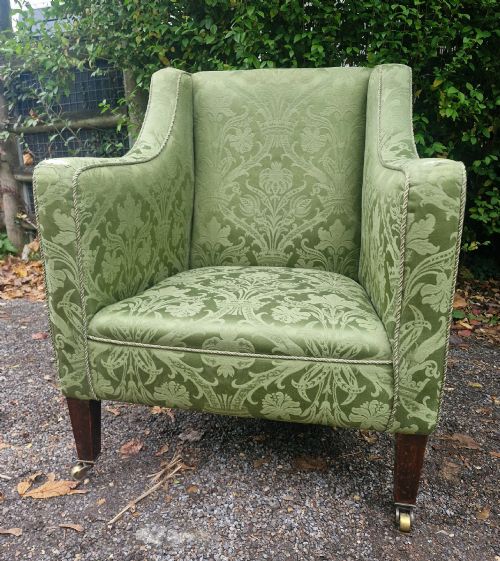
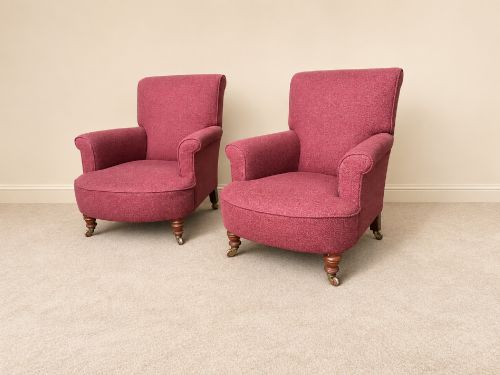
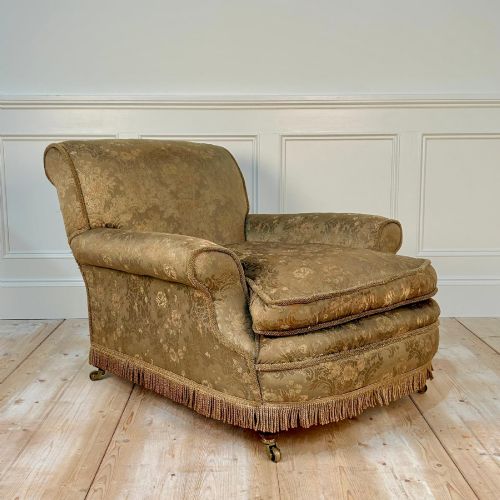
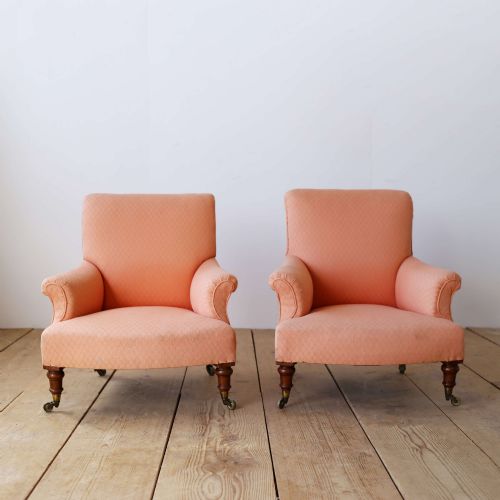
Traditional Armchair with Castors
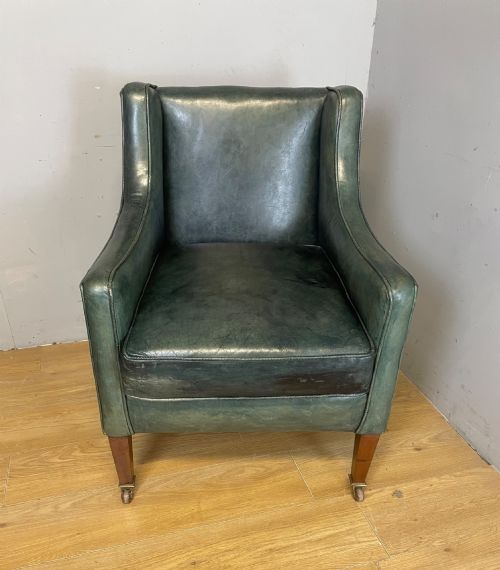
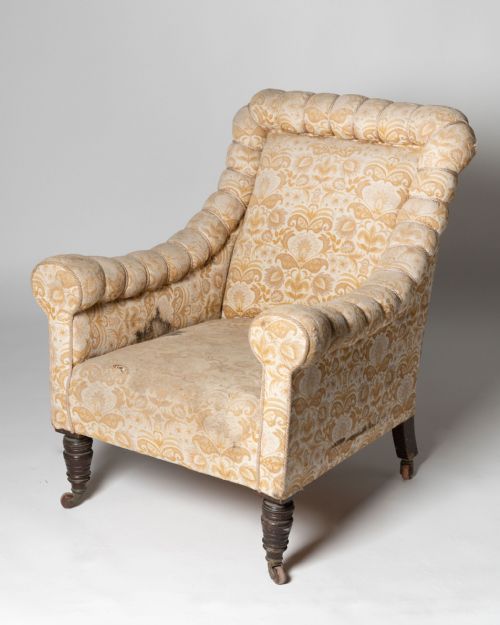
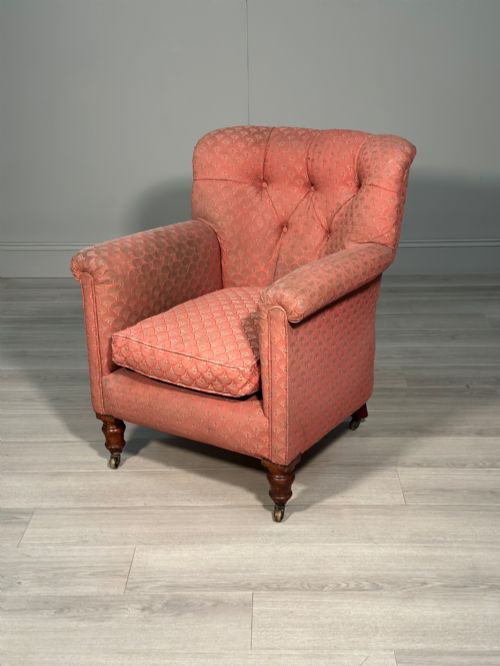
A traditional armchair with castors offers sturdy seating upon rolling feet, bringing period character and easy movement to a study or drawing room.
Traditional Armchair with Castors
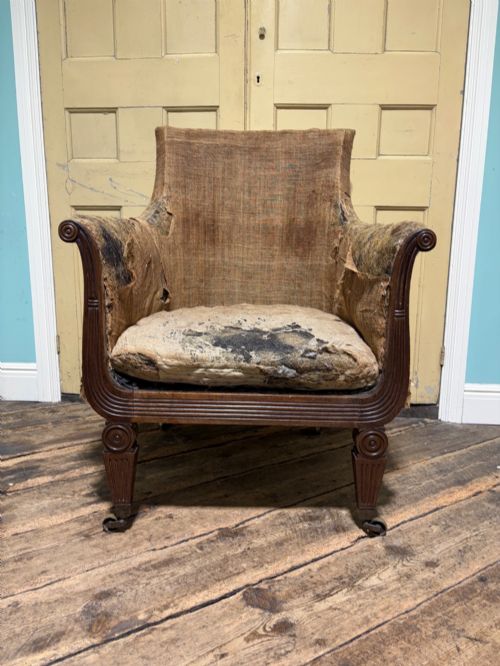
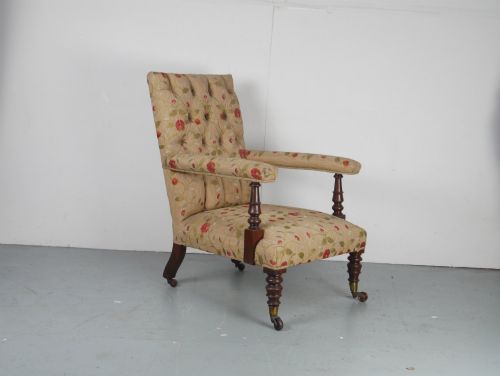
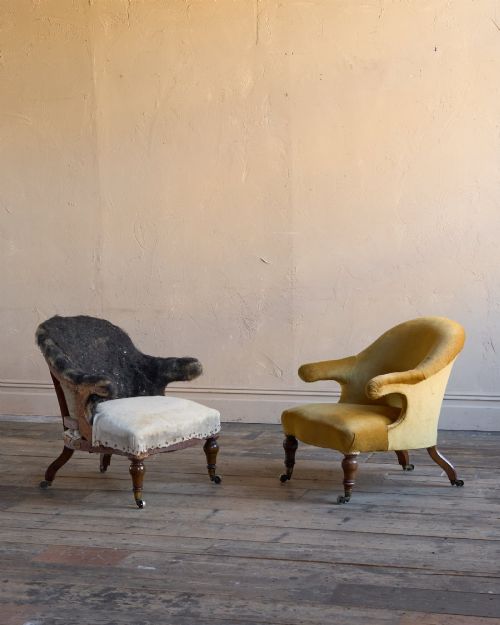
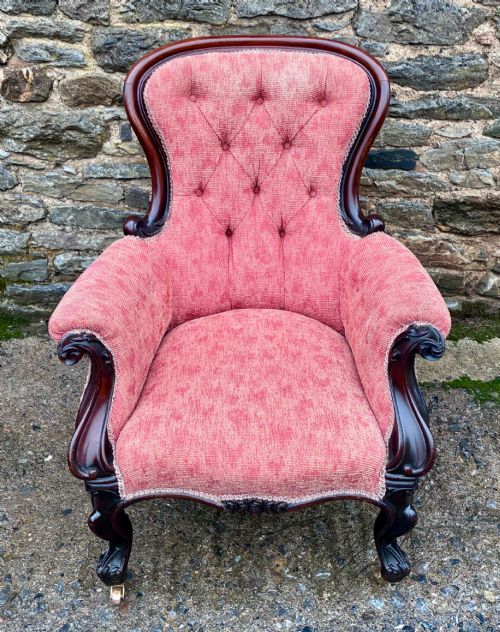
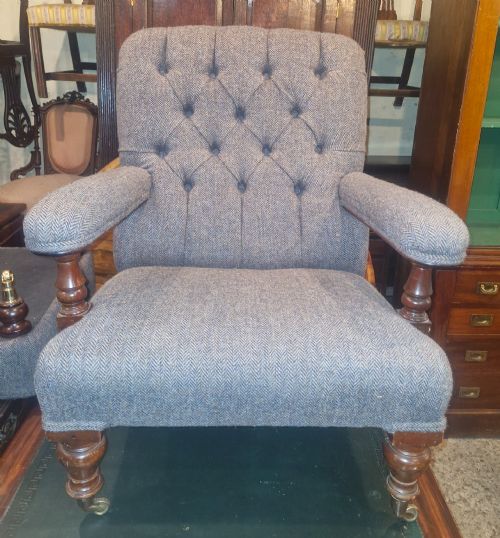
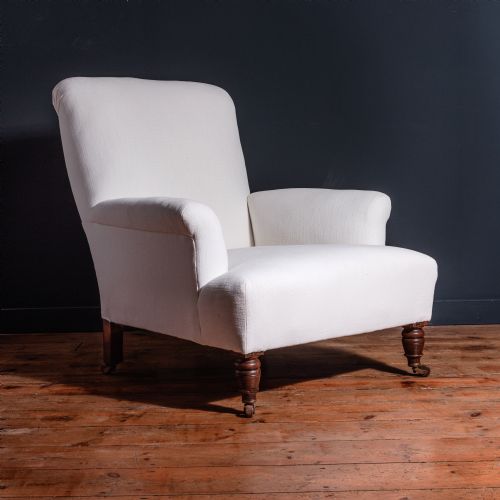
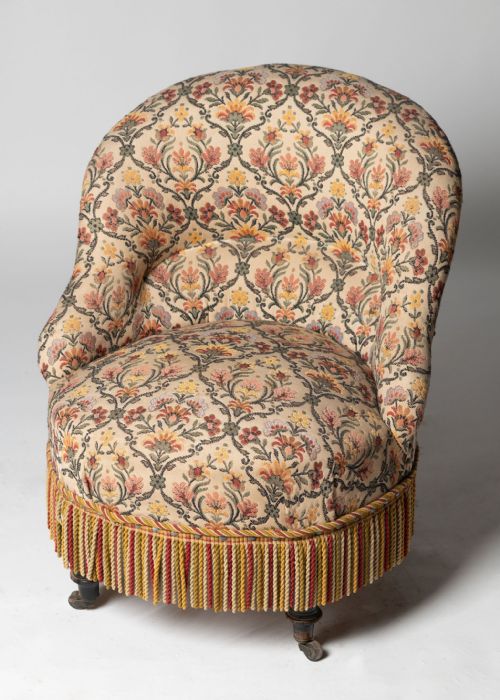
When you search for a traditional armchair with castors, you encounter robust seating forms spanning the Victorian, Edwardian, and Regency periods. The selection includes library chairs, desk chairs, slipper chairs, and deep-seated club chairs designed for comfort.
Most examples date from the nineteenth century into the early twentieth century. You frequently meet styles associated with English country houses, featuring low profiles and generous proportions.
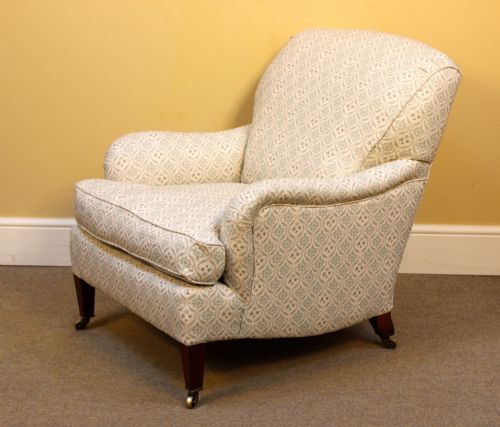
Makers such as Howard & Sons, J.Mills, and Maple & Co appear among the listings alongside unassigned vernacular pieces. These armchairs typically combine wooden frames with upholstered bodies raised on small rolling supports.
Materials and Construction
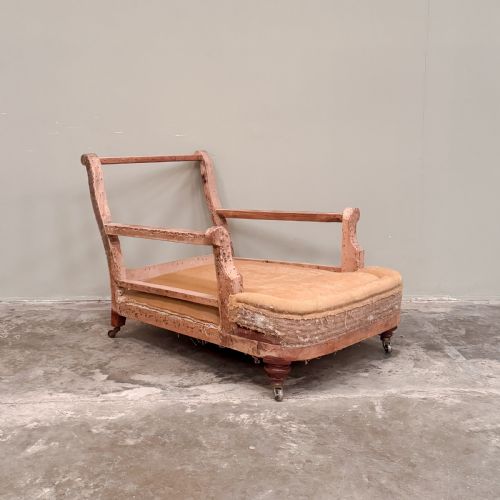
Frames rely on timbers such as mahogany, oak, and general hardwood to provide a rigid structural skeleton. These wooden supports often show turned, tapered, or inlaid details on the exposed legs and arms.
Upholstery materials range from leather and velvet to Hessian, fabric, and kilim coverings. Button-backed padding and deep springs define the cushioning methods used in the Victorian and Edwardian eras.
Castors made of brass are fitted to the base of the legs to allow smooth repositioning of heavy upholstered seats. These metal fittings anchor the corners and provide the mobility central to these designs.
Traditional Armchair with Castors Retail Price Guide 2026
Typical asking prices for traditional armchair with castors among the pieces listed under this phrase on Sellingantiques today, from the lower quarter to the upper quarter. They describe what is for sale here now, not the wider market.
Listings feature mahogany, oak, and timber frames paired with brass castors across the 19th Century, Edwardian, and Regency periods.
Quality and Distinction
The sophistication of the timber work and the integrity of the internal upholstery distinguish finer examples. Superior pieces display carefully figured mahogany frames and robust maker stamps on the internal webbing or castors.
Proportion and comfort separate workshop-produced seating from standard vernacular furniture. Chairs that retain their original castors and undisturbed padding carry greater authenticity.
Howard & Sons·J.Mills·Maple & Co
The Traditional Armchair with Castors Glossary
- Castor
- A small wheel mounted on a swivel assembly attached to the bottom of a furniture leg. It allows the heavy chair to roll across floors with minimal effort.
- Bergere
- An enclosed upholstered armchair with exposed wooden framing around the back and arms. The sides are frequently filled with cane or fabric work.
- Library Chair
- A sturdy armchair designed for reading rooms, often featuring upholstered arms and a low back. Regency and Victorian examples frequently utilise mahogany frames.
- Slipper Chair
- A low-seated bedroom chair without arms, designed to make putting on footwear easier. They appear in nineteenth-century selections with button-backed upholstery.
- Kilim
- A flatwoven textile used historically for carpets and wall hangings. Certain Victorian armchairs utilise these patterned rugs as an alternative to standard velvet or leather upholstery.
Traditional Armchair with Castors: Frequently Asked Questions
How do I identify a Howard style armchair?
Howard style armchairs are characterised by deep, sprung seats, low arms, and squat wooden legs fitted with brass castors. They often bear specific maker stamps on the back legs or castors.
Original pieces from the firm feature specific webbing and construction techniques that set them apart from later reproductions.
Are castors on these chairs always original?
Castors on nineteenth-century seating are frequently replaced over decades of use due to wear on the small brass wheels. Examining the screw holes and wood grain around the fitting helps determine if they belong to the original build.
Original brass fittings usually show patination consistent with the age of the wooden frame.
What is the difference between a club chair and a library chair?
Club chairs generally offer lower, deeper seating upholstered fully in leather or heavy fabric for relaxed lounging. Library chairs often incorporate more exposed mahogany woodwork and a firmer posture suited for reading at a desk or table.
Both forms utilise the castor-mounted base for mobility in domestic rooms.
How should I care for leather upholstery on an antique chair?
Antique leather requires gentle cleaning with specialised balms to prevent the material from drying and cracking over time. Avoiding direct sunlight and excessive heat preserves the natural finish of Victorian and Edwardian hides.
Regular dusting keeps abrasive particles from wearing into the folds of button-backed padding.