





Timber Book Display
These timber book display pieces bring warmth and structure to a room, offering sturdy shelves and cabinets designed to organise and exhibit your volumes.
Timber Book Display
When you search for timber book display, you encounter a range of functional furniture designed to hold and present books within domestic spaces. The selection spans utilitarian open shelving units alongside more formal glazed cabinets intended to protect prized volumes from dust.
The pieces on this page originate from periods including the Victorian and Edwardian eras, with examples stretching back to the nineteenth century. Common forms encompass open bookcases with adjustable shelves, breakfront designs, and specialised items such as music stands and side cabinets.
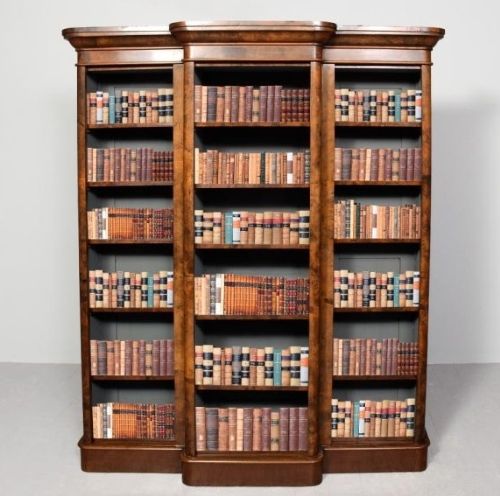
You are most likely to meet mahogany, oak, and walnut bookcases that reflect traditional British cabinet-making. These items range from compact oak shelves suitable for small proportions to substantial three-section breakfront bookcases constructed for larger libraries.
Materials and construction
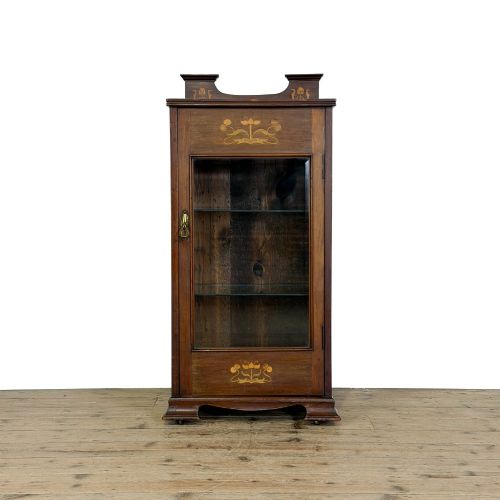
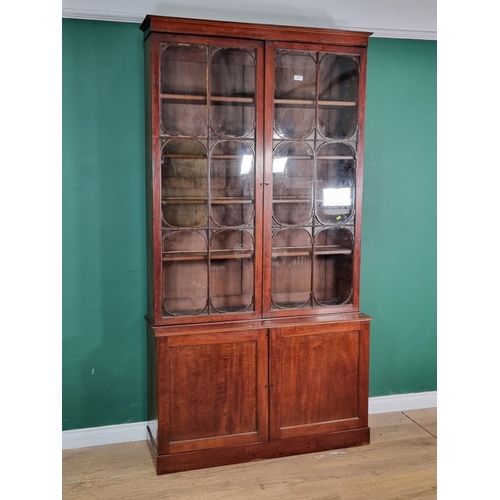
Makers constructed these bookcases using dense hardwoods such as mahogany, oak, walnut, and elm, often applying burr walnut veneer for decorative grain patterns. Selected pieces incorporate glass doors, brass fittings, and detailed wood inlay to enhance their visual appeal.
Joinery techniques focus on practicality and load-bearing strength, utilising adjustable shelves supported within sturdy upright carcasses. Carved ornamentation appears on specific library pieces, whilst simpler open bookshelves rely on clean lines and sound timber selection.
Timber Book Display Retail Price Guide 2026
Typical asking prices for timber book display among the pieces listed under this phrase on Sellingantiques today, from the lower quarter to the upper quarter. They describe what is for sale here now, not the wider market.
Assessing quality
Quality rests upon the selection of timber figures, such as burr walnut or figured mahogany, and the precision of the cabinet-making. Pieces featuring thoughtful proportions, refined carving, and well-executed breakfront configurations sit at the upper end of the range.
Functional details like smoothly operating adjustable shelving mechanisms and substantial brass hardware distinguish finer library furniture from simpler utilitarian items. The integrity of the timber joints and the depth of the finish determine how well a piece holds its presence in an interior.
Gillows
The Timber Book Display Glossary
- Breakfront
- A cabinet or bookcase whose central section projects forward from the flanking sections. This configuration creates visual depth and architectural interest in larger room settings.
- Open bookcase
- A shelving unit without doors, designed for easy access to books. These pieces often incorporate adjustable shelves to accommodate volumes of varying heights.
- Gonçalo Alves
- A dense exotic hardwood sometimes utilised in nineteenth-century furniture for its rich, variegated grain. It provides a striking contrast to more traditional domestic timbers.
- Waterfall bookshelves
- Shelving units constructed with stepped shelves that recede in depth from bottom to top. This design offers a distinct profile associated with the Edwardian period.
Timber Book Display: Frequently Asked Questions
How do I choose the right size?
Measure your available wall space and consider the height of your book collection before selecting a piece. Compact oak shelves suit smaller rooms, whereas breakfront bookcases require more substantial wall space.
Keep in mind that open bookcases with adjustable shelves offer flexibility if your book formats vary significantly in height.
Are these bookcases suitable for modern homes?
These timber pieces integrate well into contemporary interiors by adding natural texture and practical storage. Their traditional forms create a grounding focal point in a modern room.
Ensure the timber tone complements your existing furniture to achieve a cohesive look throughout the space.
How do I care for antique timber?
Maintain your bookcase by keeping it away from direct sunlight and sudden temperature fluctuations to prevent the wood from drying out. Dust regularly with a soft cloth and occasionally apply appropriate wax polish.
Avoid placing damp items directly onto the wooden surfaces to preserve the original finish.
How do I date a Victorian bookcase?
Examine the timber, construction methods, and hardware style to determine the approximate period of manufacture. Mid-Victorian pieces often display rich walnut veneers and formal proportions, whilst later examples may reflect Edwardian lightness.
Drawer construction and screw types also provide helpful clues regarding the decade in which the piece was built.