

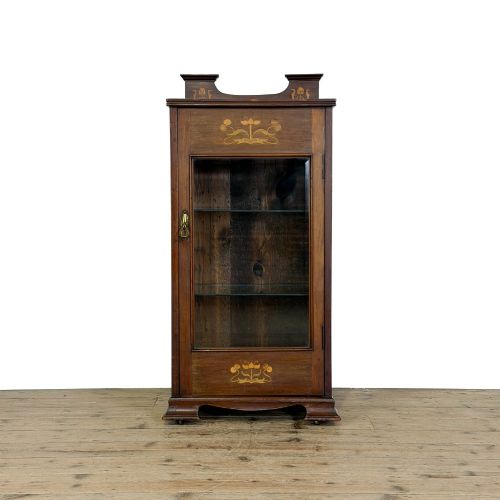
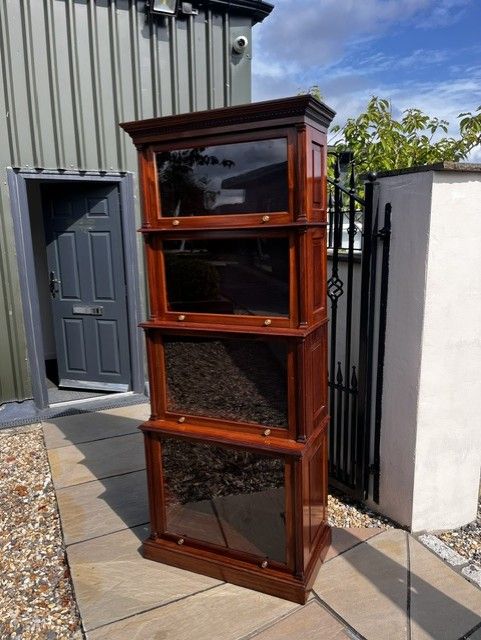

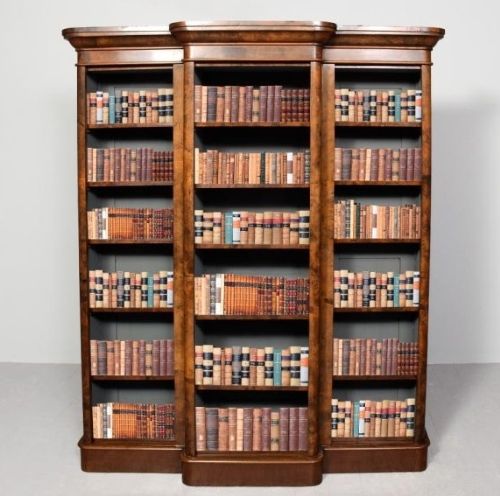


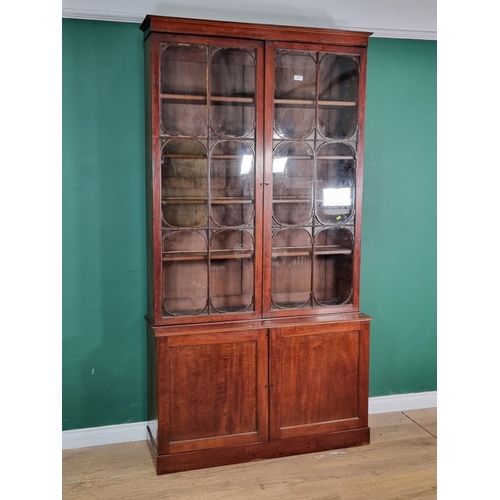


Timber Book Cabinet
These timber book cabinet pieces range from Edwardian breakfronts to Victorian mahogany designs, offering practical storage and period character for the home.
Timber Book Cabinet
A timber book cabinet provides functional shelving and display space for libraries and studies, drawing on centuries of cabinet-making traditions. When searching for a timber book cabinet, buyers encounter various forms including open bookcases, stacking Barristers models, and glazed display furniture.
The pieces on this page span several distinct eras, featuring 19th Century, Victorian, Mid-Victorian, Edwardian, and 1920s examples. Makers of these items utilised traditional formats such as breakfront bookcases and side cabinets to house growing collections of literature.
Originating primarily from English workshops, these items reflect the domestic tastes of their respective periods through differing scales and proportions. From neat open bookcases to impressive library bookcases, each piece serves the dual purpose of organising texts and displaying decorative objects.
How they were made
Construction relies heavily on traditional timber selection, with solid mahogany, elm, and rosewood forming the primary structural carcasses. Cabinet-makers also applied walnut veneer and burr walnut to create decorative surfaces on doors and friezes.
Glazing and brass hardware frequently complement the woodwork, particularly on enclosed cabinets and stacking barrister designs. Carved details appear on specific pieces, demonstrating hand-finishing techniques executed by period artisans.
Timber Book Cabinet Retail Price Guide 2026
Typical asking prices for timber book cabinet among the pieces listed under this phrase on Sellingantiques today, from the lower quarter to the upper quarter. They describe what is for sale here now, not the wider market.
Listings feature mahogany, walnut, burr walnut, rosewood, elm, glass, and brass across Victorian, Edwardian, and 1920s periods.
What varies in quality
The distinction between standard and superior pieces rests on the choice of timber and the sophistication of the cabinet-making. Finer examples incorporate figured veneers like burr walnut or dense solid mahogany, alongside purposeful carving.
Proportion and functionality also separate categories, evident in adjustable shelving systems and well-executed breakfront configurations. Maker attribution, such as work associated with Gillows, elevates the standing of a piece through documented craftsmanship.
Gillows
The Timber Book Cabinet Glossary
- Breakfront
- A piece of furniture where the central section projects forward from the flanking sections. This architectural arrangement creates depth and visual interest in large library bookcases.
- Burr walnut
- Timber taken from a growth on the walnut tree, prized for its swirling, highly figured grain patterns. Cabinet-makers used it as a veneer on prominent surfaces.
- Barrister bookcase
- A modular bookcase featuring glass-fronted stacking sections that lift and slide open. This design protects volumes while allowing units to be reconfigured.
- Open bookcase
- A shelving unit without doors, designed for easy access to frequently read volumes. These pieces often feature adjustable shelves supported by wooden pegs or metal tracks.
Timber Book Cabinet: Frequently Asked Questions
What is a timber book cabinet?
A timber book cabinet is a wooden piece of furniture designed for storing and displaying books, featuring shelves and sometimes glass doors or drawers.
These items range from open Victorian shelves to enclosed Edwardian breakfronts and stacking barrister designs.
How do I date a timber book cabinet?
Dating relies on identifying period styles, construction methods, and timber choices typical of the nineteenth or early twentieth centuries.
Specific design cues, such as Art Nouveau motifs or Mid-Victorian proportions, help narrow down the decade of manufacture.
Are shelves usually adjustable?
Many period bookcases feature adjustable shelving supported by traditional wooden or metal systems to accommodate varying book heights.
Some simpler or older examples retain fixed shelves built directly into the cabinet carcass.
How do I care for a wood bookcase?
Maintaining these pieces involves keeping them away from direct sunlight and sudden temperature changes to protect the timber and veneer.
Regular dusting with a dry cloth and occasional application of appropriate furniture wax preserves the finish.