





Tiered Wall Shelf
These tiered wall shelf designs combine useful display space with compact timber joinery, offering practical storage that suits period and traditional interiors alike.
Tiered Wall Shelf
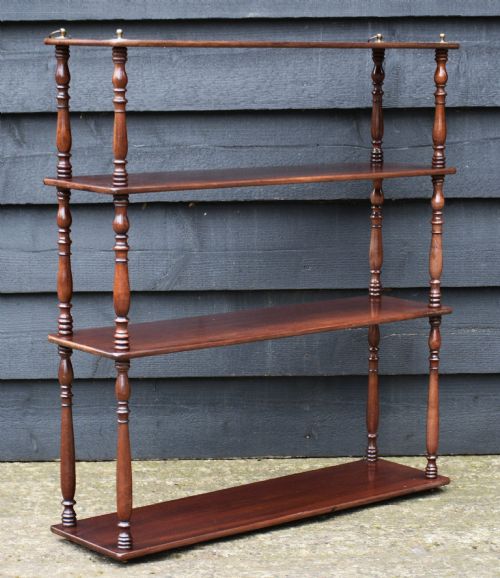
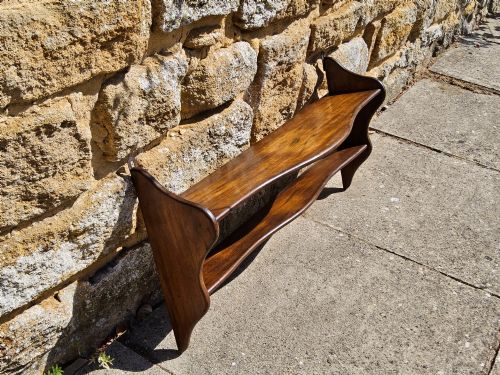
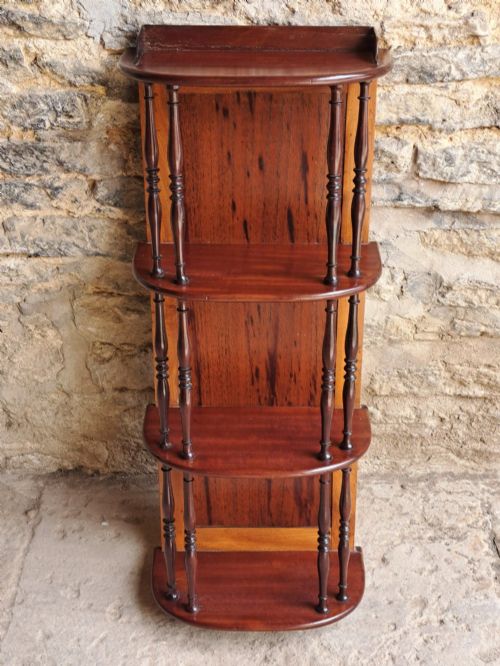
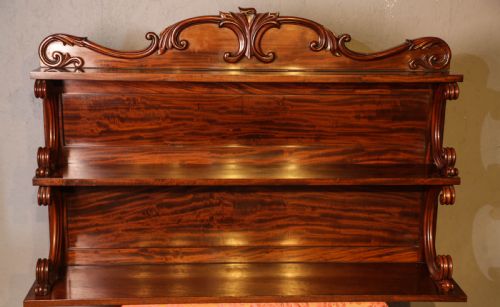
A tiered wall shelf provides open display space using graduated ledges mounted directly to the room's vertical structure. Buyers seeking a tiered wall shelf most frequently encounter mahogany examples dating from the nineteenth century, featuring multiple levels supported by shaped sides or uprights.
The selection ranges across distinct historical periods, incorporating Georgian and Regency forms alongside Victorian, Edwardian, and French regional variations. Objects take the form of hanging shelves, wall brackets, bookcases, and etageres designed to hold books or small decorative items.
Wood selection varies widely across these forms, encompassing walnut, satin birch, cherry wood, rosewood, and amboyna alongside standard mahogany. Certain pieces incorporate specialised details like brass galleries, mirrored backings, or fretwork inspired by Chippendale designs.
Materials and construction
Timbers such as mahogany, walnut, and satin birch provide the foundational structure for these hanging units, joined using traditional cabinet-making techniques appropriate to each period. Dense hardwoods allow for slender uprights and shelves capable of supporting books and ornaments without sagging.
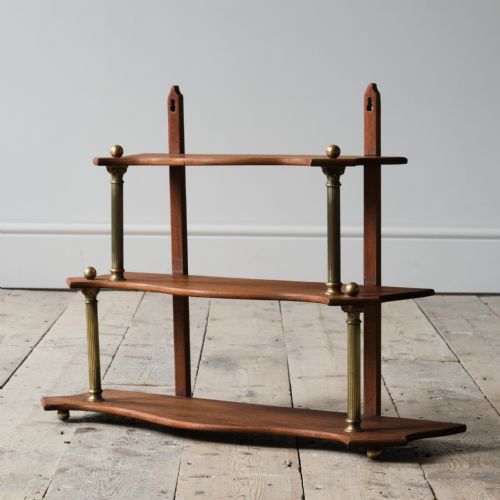
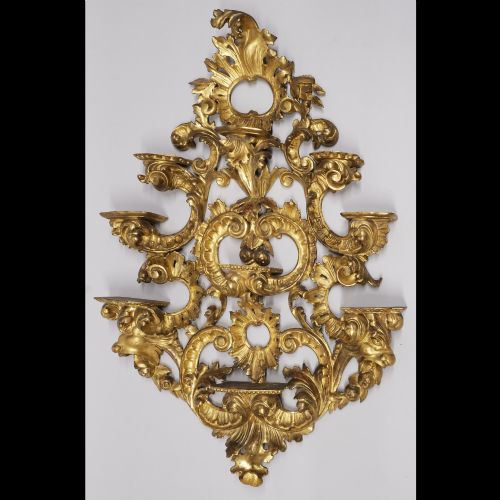
Metal components like brass rods, galleries, and hanging brackets add structural support and decorative contrast to the timber surfaces. Giltwood and gesso finishes appear on more ornate display shelves, providing reflective gilded enrichment to carved wooden frames.
Tiered Wall Shelf Retail Price Guide 2026
Typical asking prices for tiered wall shelf among the pieces listed under this phrase on Sellingantiques today, from the lower quarter to the upper quarter. They describe what is for sale here now, not the wider market.
Object forms include standard wall shelves, etageres, display cabinets, and portable bookshelves fitted with brass galleries and mirrored panels.
Markers of quality
Superior examples demonstrate meticulous timber selection, using well-figured mahogany, walnut, or satin birch with balanced grain patterns across the tiers and backboards. Finer pieces also display crisp hand-carving, delicate fretwork, and well-fitted joints rather than mechanical assembly.
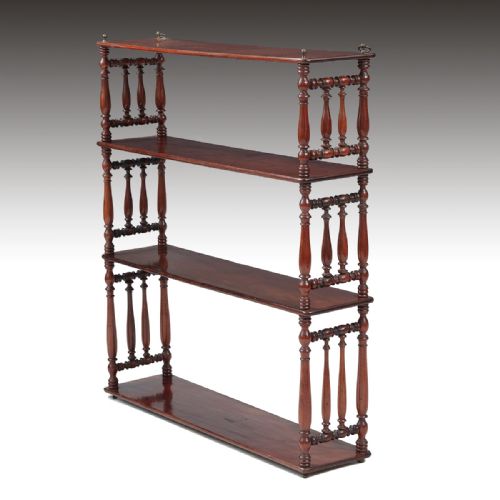
The integration of secondary materials elevates a piece, such as substantial brass galleries, turned bobbin supports, or original mirrored glass within carved giltwood frames. Proportion and structural integrity determine how successfully a multi-tiered unit meets the wall.
The Tiered Wall Shelf Glossary
- Etagere
- A piece of furniture consisting of a set of open shelves for displaying small objects. These tiered units can be floor-standing or adapted for wall hanging.
- Gesso
- A plaster-like material applied to wood surfaces as a base for gilding or painting. It allows craftsmen to carve intricate relief decoration onto display brackets and frames.
- Bobbin shelves
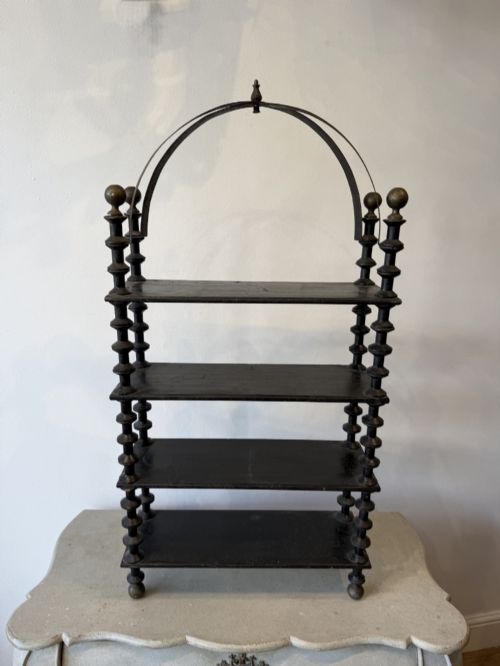
- Shelving units supported by turned columns resembling wooden bobbins or spools. This decorative turning style is frequently seen on French nineteenth-century pieces.
- Brass gallery
- A low metal railing fitted around the edge of a shelf to keep items from sliding off. They appear on practical ship's shelves and refined domestic cabinets alike.
- Fretwork
- Ornamental design created by cutting patterns through thin boards of wood. Chippendale style wall shelves often utilise this technique along their side supports.
Tiered Wall Shelf: Frequently Asked Questions
How do I hang a heavy wall shelf safely?
These shelves require secure fixing into wall studs or solid masonry using appropriate screw brackets matching the weight of the timber. Professional installation ensures the mounting points distribute the load safely.
Historical hanging loops or rear brackets must be inspected to confirm they remain structurally sound before mounting any heavy items like books onto the tiers.
What periods do these wall shelves cover?
The available pieces span from the late eighteenth century through the Georgian and Regency eras into the Victorian and Edwardian periods. Each era brings distinct stylistic preferences, from restrained Georgian mahogany to ornate Victorian giltwood.
Nineteenth-century examples form the largest group, showing considerable variety in regional French and British cabinet-making traditions.
Are these shelves suitable for heavy books?
Many smaller nineteenth-century designs function well as portable bookshelves or display ledges for lighter volumes and ceramics. Robust mahogany or oak constructions handle heavier loads when securely fastened.
Checking the depth of the tiers and the strength of the vertical supports helps determine whether a specific shelf suits book storage.
How do I clean antique polished wood?
Maintenance requires gentle dusting with a dry lint-free cloth to protect the aged polish and timber patina. Wax can be applied sparingly to nourish hardwoods like mahogany and walnut.
Harsh chemical cleaners or excess moisture must be avoided, as they damage historic finishes and delicate brass or giltwood components.