




Tiered Hanging Lamp
These tiered hanging lamp fixtures bring extraordinary presence to a room, offering striking illumination through layered metalwork and glass drops.
Tiered Hanging Lamp
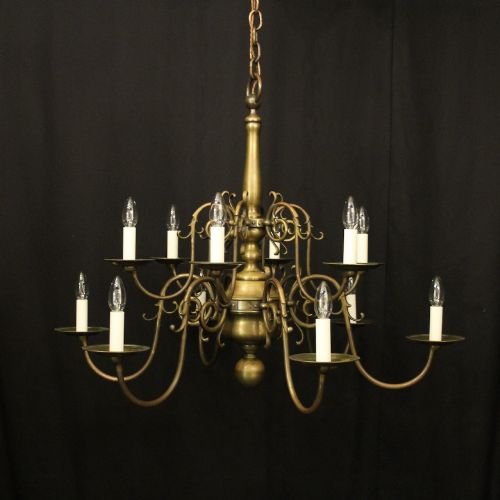
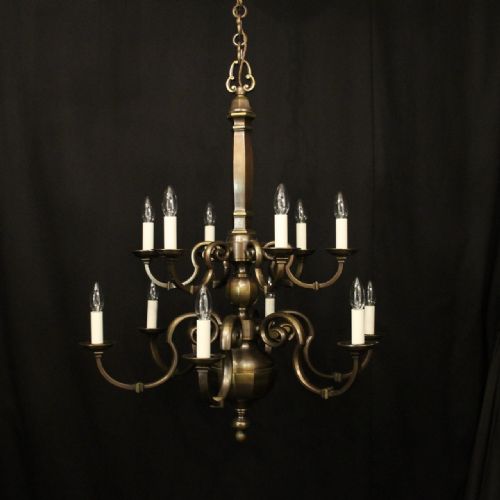
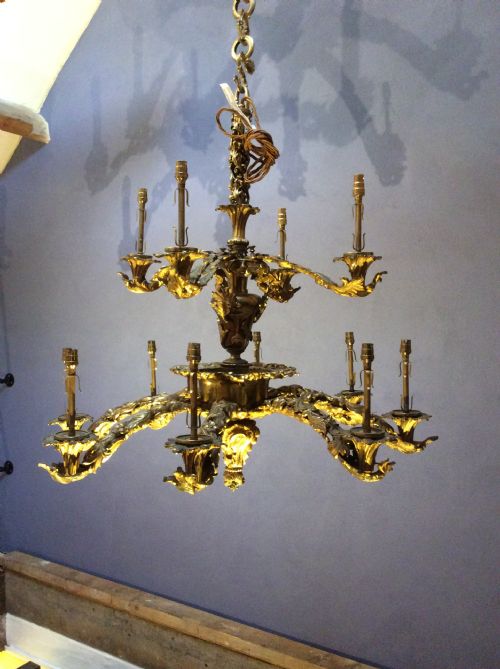
When you search for a tiered hanging lamp, you are examining multi-tiered chandeliers that range from compact spike designs to grand forty-one light ballroom centerpieces. These pieces draw from styles such as French Rococo Revival, Dutch Baroque, Regency, and Mid-Century Modern.
The most common forms you will encounter on this page span the Edwardian period, the 1920s, and the 1930s, alongside examples stretching back to the nineteenth century. They originate across English, French, and Italian workshops, utilising multiple tiers to distribute light effectively.
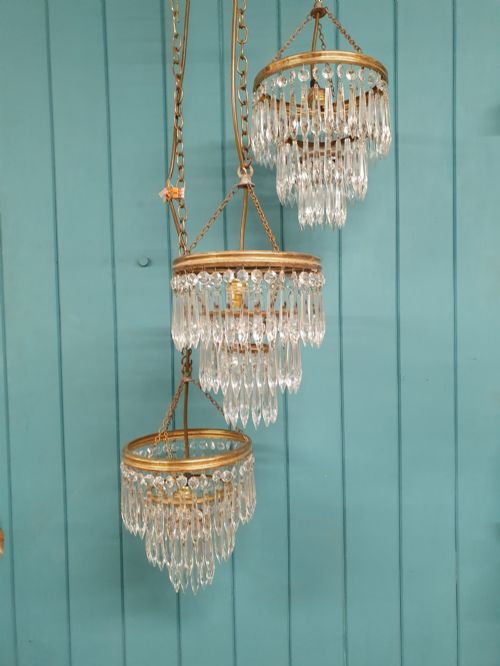
Smaller examples include eight-inch spike chandeliers and ten-inch swag chandeliers, while larger iterations encompass extensive cut glass tent and bag configurations. Each variation offers a distinct vertical arrangement suited to different ceiling heights and proportions.
Materials and construction
Makers constructed these frames predominantly from brass, gilt brass, copper, bronze, and gilt metal, providing robust structural support for complex multi-tiered designs. These metals were cast, shaped, and polished to create ornate armatures and branching arms.
Glass elements such as crystal, cut glass, and crystal glass drops were suspended from the metal frames to catch and refract light. The combination of heavy bronze or brass with delicate glass droplets defines the physical substance of these fixtures.
Tiered Hanging Lamp Retail Price Guide 2026
Typical asking prices for tiered hanging lamp among the pieces listed under this phrase on Sellingantiques today, from the lower quarter to the upper quarter. They describe what is for sale here now, not the wider market.
One Edwardian specimen packs forty-one lights into a ballroom fixture, proving that subtlety was entirely optional.
Judging quality and execution
Quality reveals itself in the crispness of the metal casting and the precision of the glass cutting, where finer examples display sharper detail and deeper facets. The harmony between the metal armature and the suspended drops dictates the overall visual balance.
The complexity of the tier structure and the integrity of the original fixings distinguish standard production from exceptional examples. Superior pieces maintain uniform patination across the metal components and retain matching glass elements throughout every tier.
The Tiered Hanging Lamp Glossary
- Spike chandelier
- A vertical lighting fixture featuring a central stem that tapers to a terminal point, often hung with multiple tiers of drops.
- Tent and bag chandelier
- A traditional lighting form where strings of glass beads form an upper tent shape above a gathered bag of drops below.
- Gilt brass
- A brass base metal treated with a thin layer of gold or gilt finish to enhance its decorative brilliance and colour.
- Swag chandelier
- A hanging light fixture characterised by draped garlands of glass beads or chain links suspended between structural points.
Tiered Hanging Lamp: Frequently Asked Questions
What rooms suit a tiered hanging lamp?
These multi-tiered fixtures work well in spaces with sufficient vertical clearance, such as entrance halls, dining rooms, and high-ceilinged reception rooms.
Smaller spike or swag configurations fit into more intimate settings, while forty-one light ballroom pieces require substantial architectural proportions.
How do I hang a heavy chandelier?
Hanging these fixtures requires securing them directly to ceiling joists or using appropriate structural fixings rated for the combined weight of metal and glass.
Professional electrical installation is essential to support the weight safely and manage the wiring across multiple branches.
How do I clean a crystal chandelier?
Cleaning involves wiping individual glass drops and metal components with a specialist solution while the fixture remains supported in place.
Taking down removable drops allows for gentle washing and drying before reattachment to the frame.
How do I date an antique chandelier?
Dating relies on examining the casting techniques, fixing methods, and material composition characteristic of periods like the Edwardian era or the 1920s.
Stylistic markers such as Regency or Rococo Revival details provide further clues regarding the manufacturing era.