

Tiered Crystal Light Fixture
A tiered crystal light fixture brings cascading brilliance and formal elegance to a high ceiling, delivering unmatched atmosphere.
Tiered Crystal Light Fixture
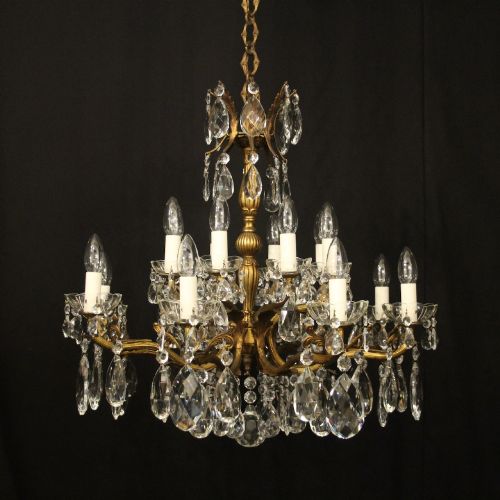
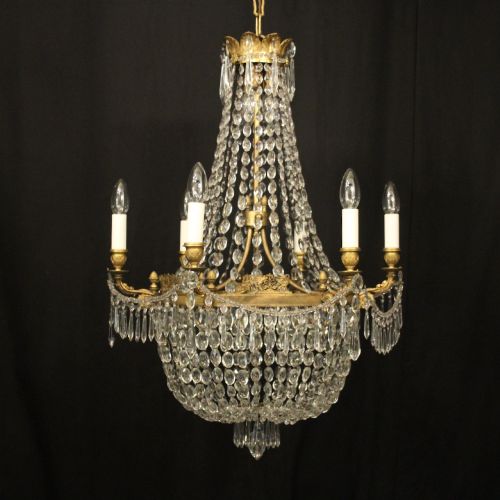
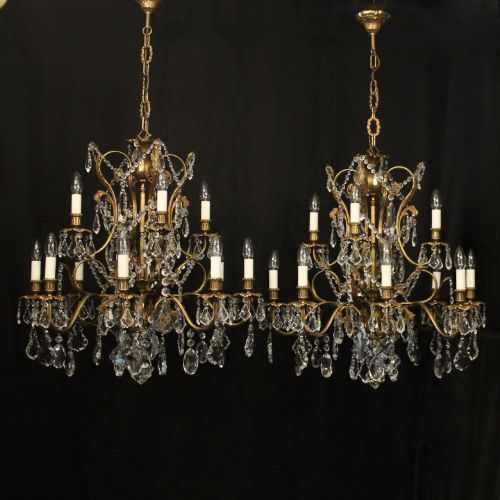
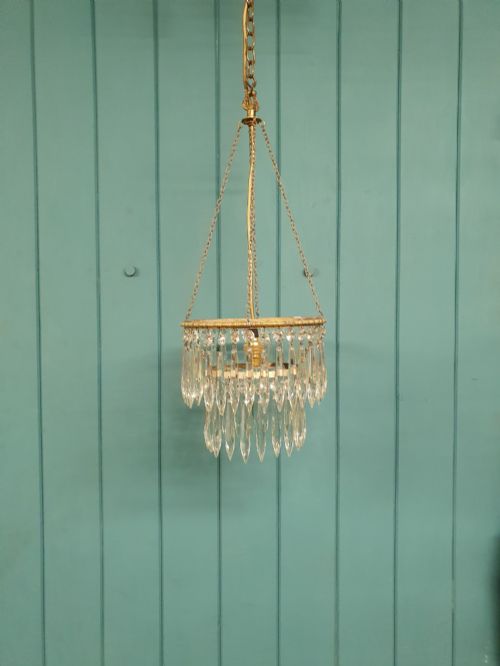
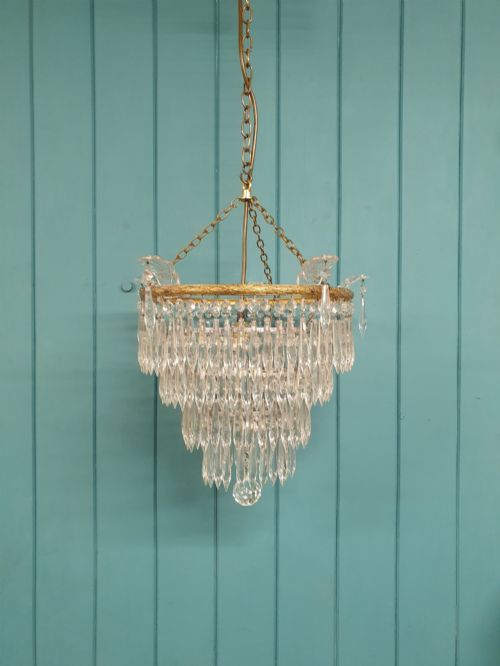
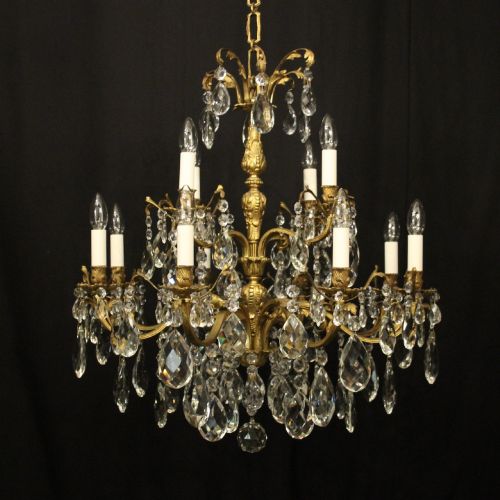
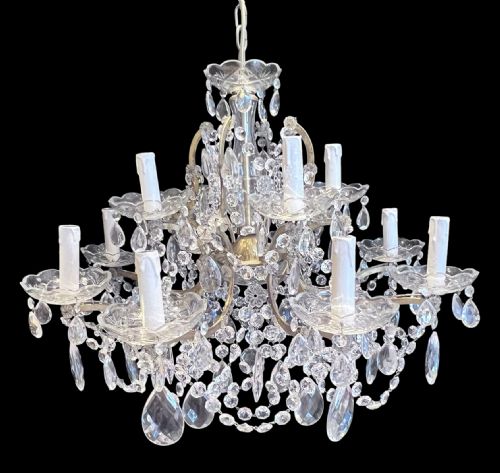
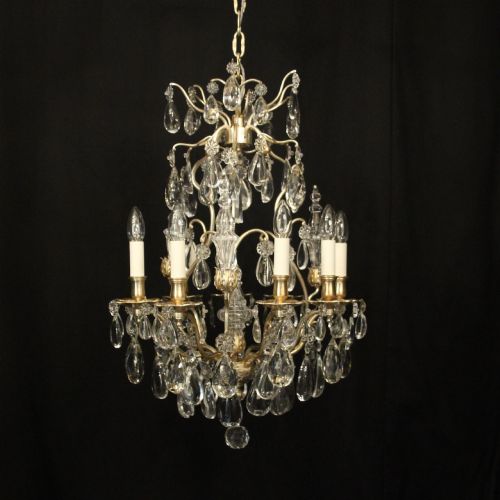
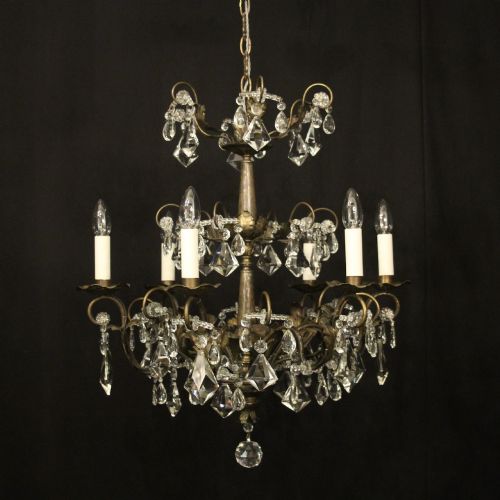
When you search for a tiered crystal light fixture, you encounter overhead illumination built in successive descending levels designed to hold multiple lamps and reflect light through glass components. These fittings appear frequently in forms such as chandeliers, ceiling lights, and pendant lights originating from periods spanning the nineteenth century through the early decades of the twentieth century.
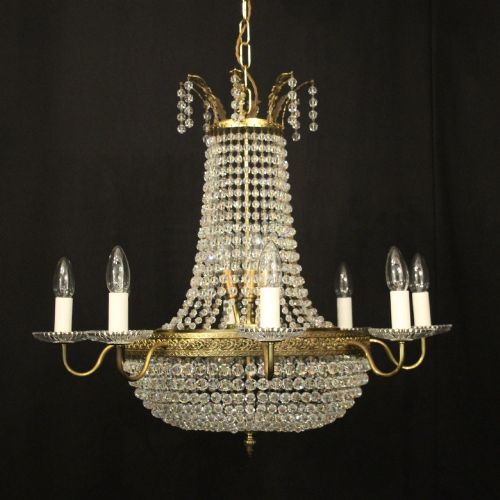
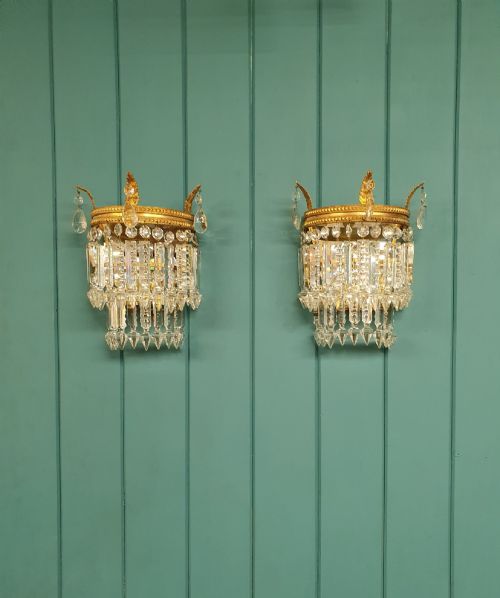
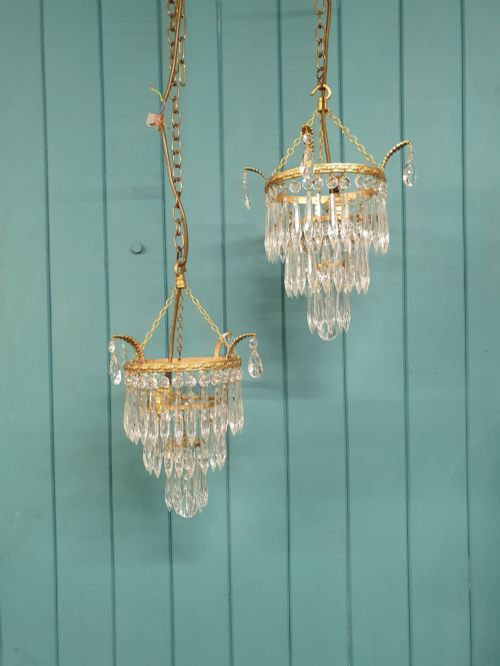
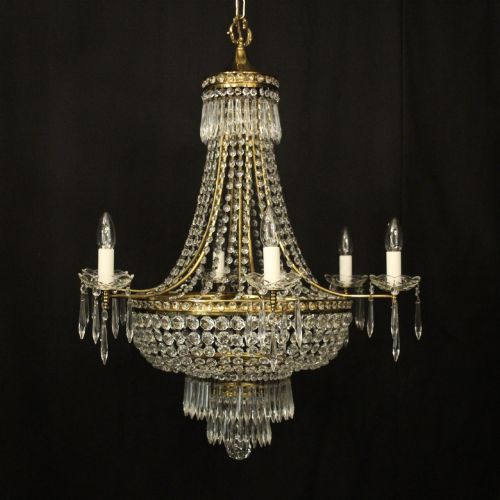
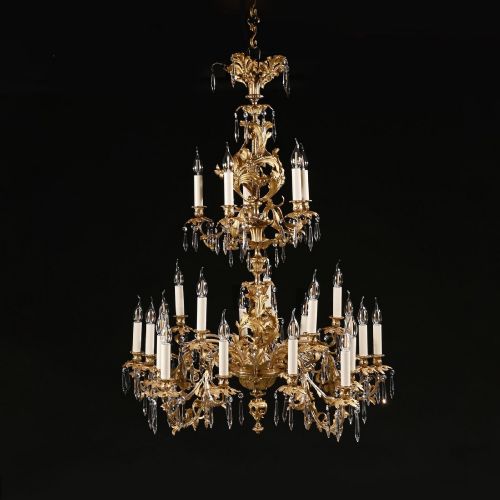
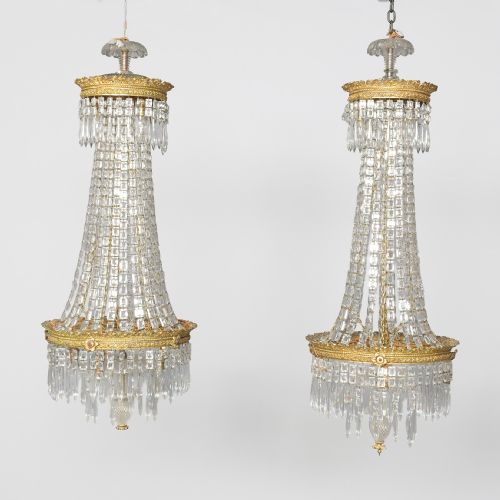
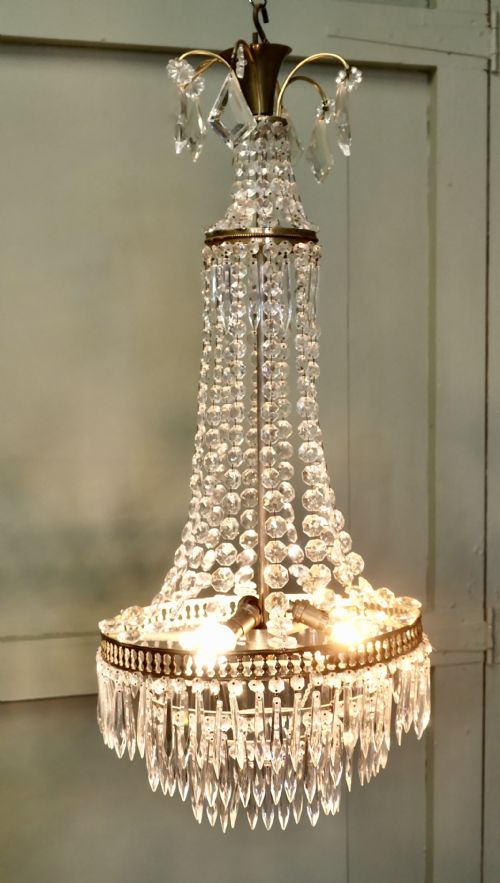
The selections you meet here lean heavily into French Empire, Edwardian, and Art Deco designs, often constructed with multiple tiers, tents, and waterfalls of glass drops. Italian Florentine and Venetian examples also feature prominently, bringing polychrome finishes and branched forms to the category.
Makers and manufacturers from across England, France, Italy, Sweden, and Bohemia contributed to this heritage, producing multi-light configurations ranging from compact single-light plafonieres to massive ballroom installations carrying over forty lights.
How they were made
Makers structured these fixtures using robust metal frameworks cast from brass, bronze, and gilt or silvered metal to support the heavy weight of the glass elements. Frames often incorporate intricate metal arms, rings, and bands that hold the tiered arrangements securely in place.
Pendants, beads, and cascading drops consist of cut glass and crystal glass shaped by hand or mould to maximise light refraction. These glass components attach to the metal frame via wire pins or chains, forming the characteristic tent, waterfall, and bag silhouettes.
Tiered Crystal Light Fixture Retail Price Guide 2026
Typical asking prices for tiered crystal light fixture among the pieces listed under this phrase on Sellingantiques today, from the lower quarter to the upper quarter. They describe what is for sale here now, not the wider market.
Materials across these listings combine brass, bronze, and gilt metal frames with cut crystal, glass drops, and beaded arms.
What varies in quality
The grade of a fixture rests heavily upon the purity and cutting of the crystal components, where sharp facets and clear glass produce superior prismatic effects compared to softer, moulded glass alternatives. Metalwork quality also dictates distinction, with heavy cast bronze and detailed chasing outperforming simpler pressed metal frames.
Proportion and structural complexity separate standard pieces from exceptional examples, as seen in multi-tiered designs with integrated beaded arms and substantial branch counts that require advanced engineering to balance.
The Tiered Crystal Light Fixture Glossary
- Tent and waterfall
- A configuration where an upper conical section of glass strings drops down to a wider cascading tier of crystals. This traditional silhouette directs light downward across multiple levels.
- Plafoniere
- A ceiling light mounted flush or very close to the ceiling surface rather than suspended on a long chain. These fixtures suit rooms with lower clearance.
- Electrolier
- A light fitting originally designed or subsequently converted to run on electricity rather than candles or gas. The term often applies to grander multi-branch installations.
- Cut glass
- Glass shaped by abrasive wheels to create flat facets that catch and scatter light. Higher quality pieces feature deep, sharp cuts.
- Gilded metal
- Metal treated with a thin layer of gold leaf or gilt paint to give a rich metallic finish. This technique highlights the decorative bronze or brass framework.
Tiered Crystal Light Fixture: Frequently Asked Questions
How do I hang a heavy tiered fixture?
These assemblies carry substantial weight due to the combination of cast metal frames and dense crystal drops. Secure installation requires anchoring directly into ceiling joists using rated structural hooks.
Professional electrical installation ensures the wiring can support the voltage demands of multi-bulb configurations safely.
What rooms suit a multi-tiered chandelier?
Grand spaces with elevated ceilings, such as formal dining rooms, entrance halls, and drawing rooms, provide the vertical clearance these large multi-branch lights require. Smaller single-tier or plafoniere variants fit into more intimate rooms.
Placement should allow adequate walking clearance underneath the lowest hanging crystal drop.
How do I clean crystal drops safely?
Maintenance involves wiping individual glass pendants with a mild solution of warm water and appropriate cleaner while supporting each drop from beneath. Leaving components attached to the frame prevents accidental damage to the wire fixings.
Regular dusting with a soft wand keeps the glass facets clear and maintains light refraction.
How can I tell an Edwardian piece from a 19th-century one?
Earlier nineteenth-century examples often feature heavier cast bronze frames and candle-form sockets reflecting an earlier era of illumination. Edwardian and later pieces frequently incorporate lighter brass or silvered mountings alongside early electrical wiring adaptations.
Examining the cut of the glass and the fastening pins offers further clues to the manufacturing decade.