

Tiered Ceiling Light
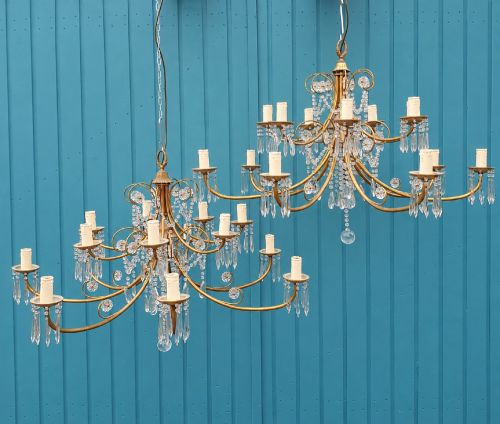
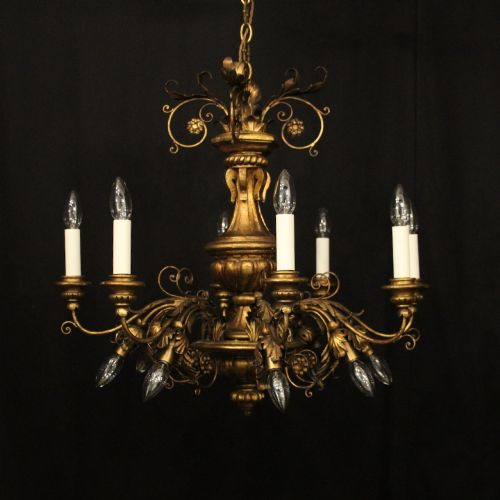
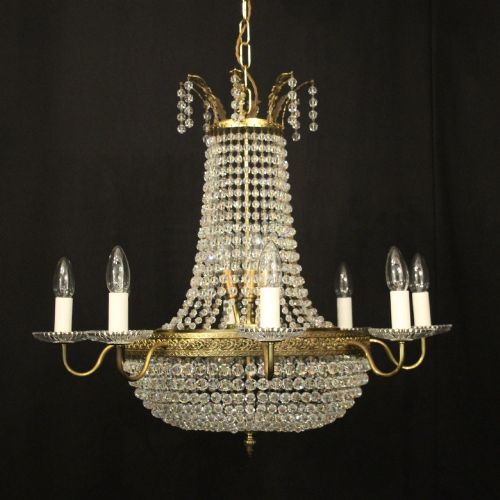
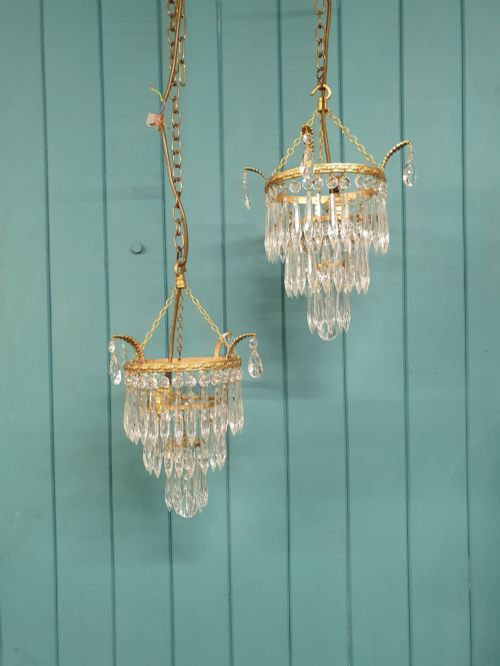
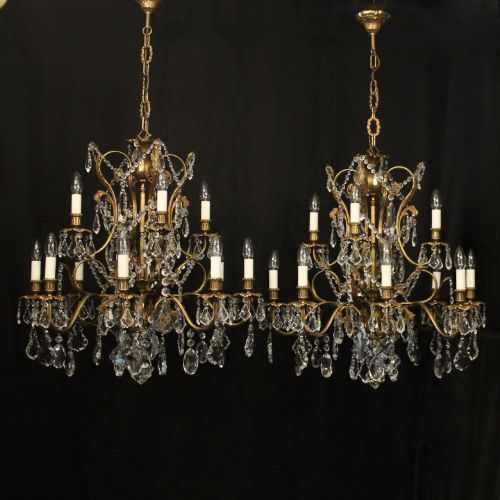
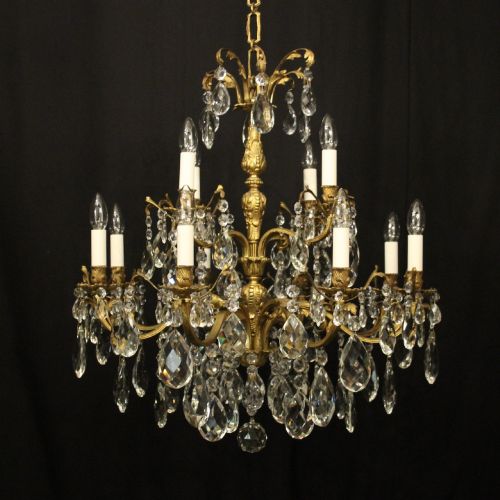
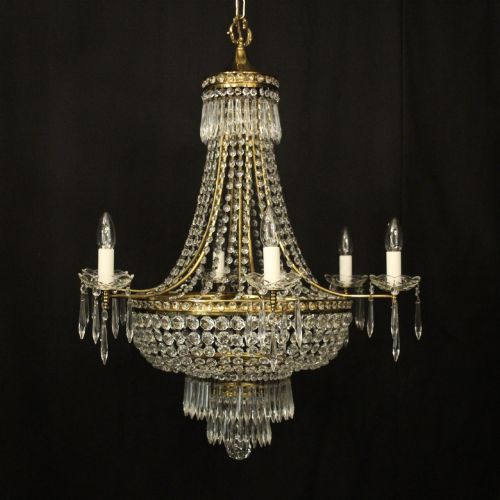
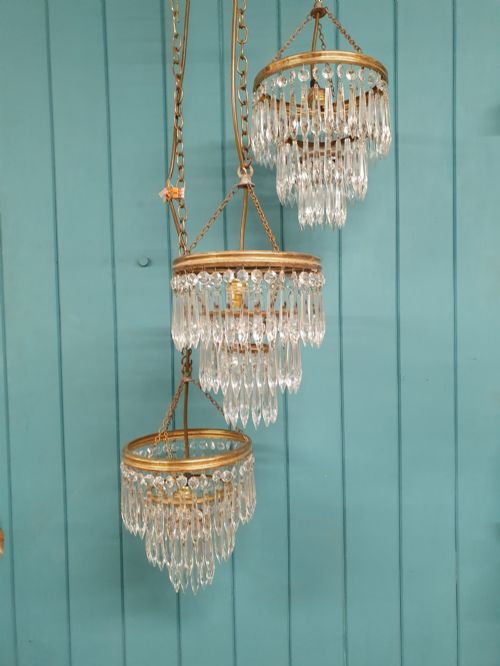
These tiered ceiling light fixtures bring layered illumination and cascading crystals to a room, drawing the eye upwards with significant historic presence.
Tiered Ceiling Light
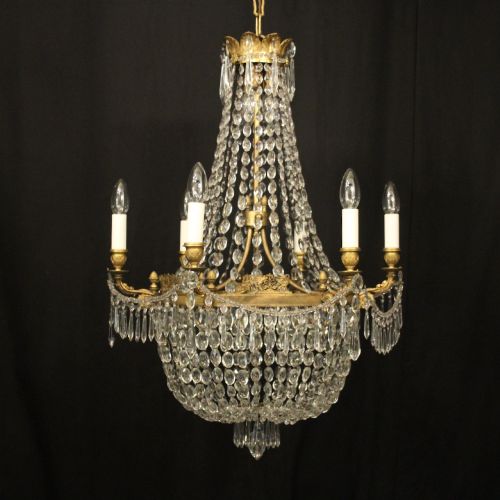
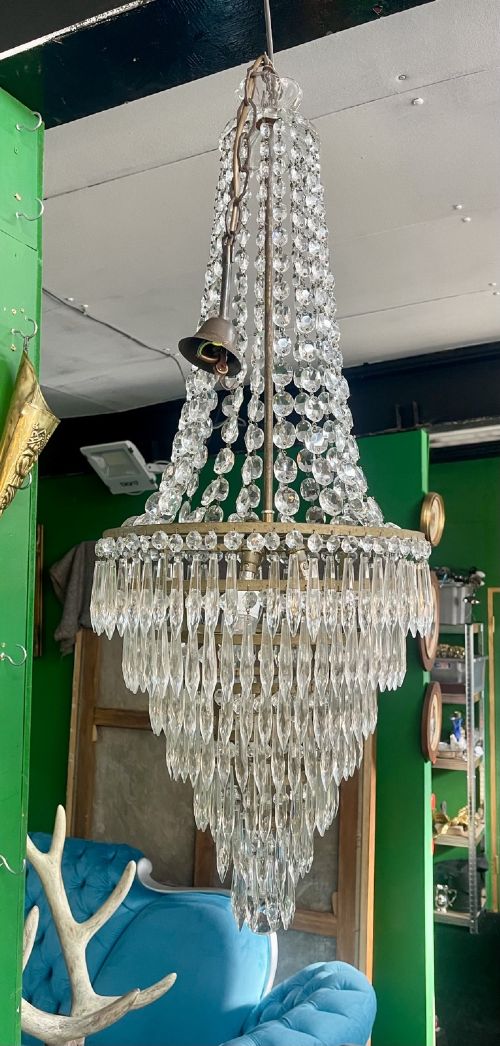
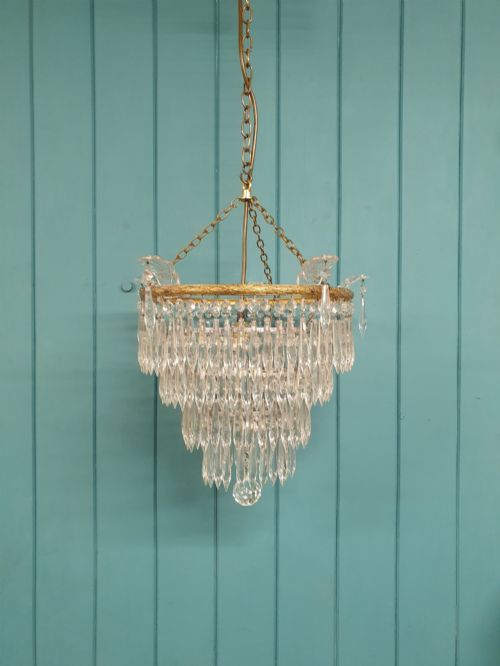
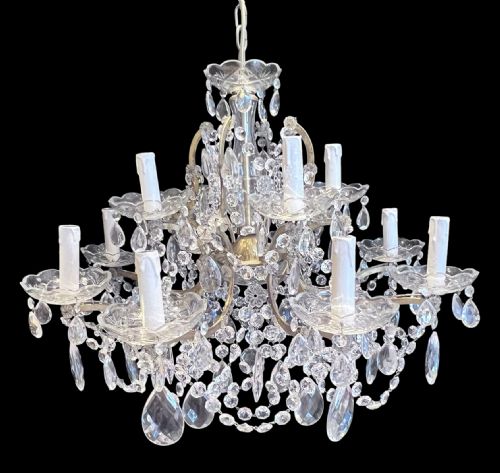
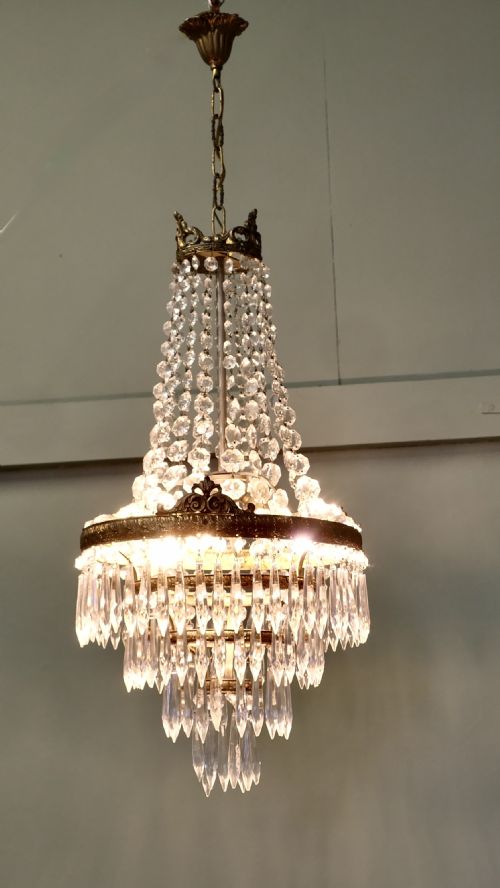
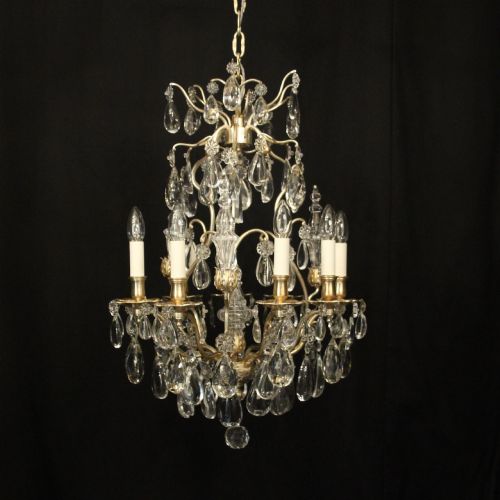
A tiered ceiling light brings layered height to a room, most frequently appearing as a multi-tier crystal or glass chandelier from the early twentieth century or the nineteenth century. These forms span from compact spike designs to grand multi-arm configurations with waterfall drops.
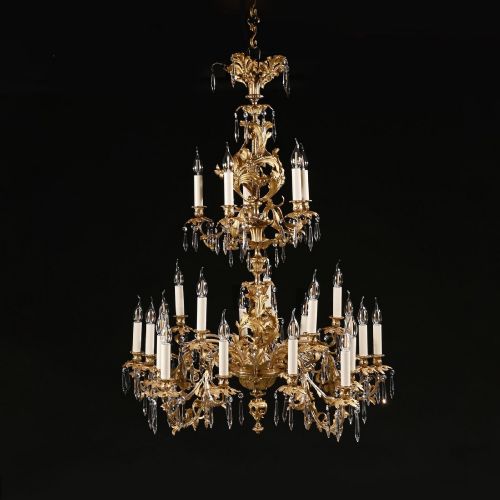
The selection here encompasses French Empire style, Edwardian, and Art Deco influences, showing how makers built upward using graduated tiers of metal framing and glass elements. Many examples display multiple candle-style lights arranged across successive horizontal levels.
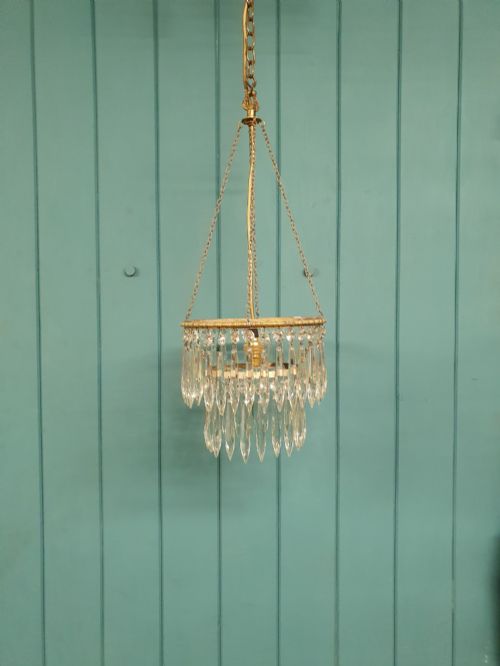
Originating largely from continental workshops, these fixtures utilise traditional brass, bronze, and gilt metal frameworks to support dense cascades of cut crystal. Buyers encounter both single-light plafonieres and large chandeliers holding upwards of twenty-five lights across distinct tiers.
What distinguishes the quality of a tiered ceiling light
Quality rests in the density and purity of the cut crystal drops, alongside the structural integrity of the cast brass or bronze armature holding the tiers together. Heavier metal castings and hand-cut glass with sharp facets distinguish finer works from simpler commercial productions.
The complexity of the tier arrangement and the precision of the metalwork assembly dictate the sophistication of the fixture. Matching elements across multiple graduated rings demonstrate greater workshop skill than standard mass-produced lighting.
Tiered Ceiling Light Retail Price Guide 2026
Typical asking prices for tiered ceiling light among the pieces listed under this phrase on Sellingantiques today, from the lower quarter to the upper quarter. They describe what is for sale here now, not the wider market.
Some early twentieth-century spike chandeliers include hidden finials that unscrew to let you release entire tiers of crystal like musical scales.
The Tiered Ceiling Light Glossary
- Waterfall chandelier
- A lighting fixture where crystal strands cascade in a sloping, overlapping formation from an upper tier down to a central point. This style creates a continuous sheet of light and glass.
- Spike chandelier
- A fixture featuring distinct vertical or radiating crystal spikes arranged around the tiers. These sharp glass elements direct illumination outward.
- Tent and waterfall
- A construction method where upper strings of beads form a triangular tent shape above a cascading lower section of crystal drops. It represents a classic eighteenth and nineteenth century lighting configuration.
- Plafoniere
- A ceiling-mounted lighting fixture set flush or very close to the ceiling surface rather than suspended on a long chain. Single light versions maintain a compact profile.
- Lustre
- A small, cut glass pendant suspended from the arms or tiers of a chandelier to catch and refract light. They dangle freely to move with air currents in the room.
Tiered Ceiling Light: Frequently Asked Questions
How do I hang a heavy tiered ceiling light?
Suspension requires securing the main weight directly to a ceiling joist or structural nogging using appropriate steel fixings and hooks. The electrical supply must be routed safely through the ceiling rose to support the metal armature.
Professional installation is recommended for multi-tier chandeliers due to their combined weight of metal and crystal elements. Ensure the hanging chain or rod is rated to hold the total load securely.
How do I clean a crystal tiered ceiling light?
Cleaning involves wiping individual glass drops and crystal strands with a mild solution of warm water and isopropyl alcohol using a soft cloth. Removing the dust regularly prevents buildup in the intricate joints between tiers.
Many drops can be washed in situ while supported by a towel placed on the floor below to catch drips. Care must be taken not to strain the wire fixings holding the glass to the metal frame.
What rooms suit a multi-tier ceiling light?
These fixtures suit spaces with sufficient ceiling height to allow the multi-tier drop to hang without obstructing movement below. Dining rooms, high-ceilinged hallways, and drawing rooms provide ideal proportions for cascading crystal forms.
The horizontal spread of a multi-arm chandelier requires careful placement in the centre of the room to balance the surrounding furniture and architectural mouldings.
How do I date a crystal chandelier?
Dating relies on examining the metal casting techniques, the cut of the glass drops, and the wiring configurations used in the frame. Early twentieth-century pieces often combine period metalwork with later electrical adaptations.
Stylistic cues such as Art Deco geometric lines or French Empire neoclassical motifs help narrow down the manufacturing period. The presence of hand-cut facets on crystals generally points towards nineteenth-century or earlier origins.