





Tier Book Rack
A tier book rack organises volumes in compact vertical stages, bringing accessible shelving and classic timber character to any study.
Tier Book Rack
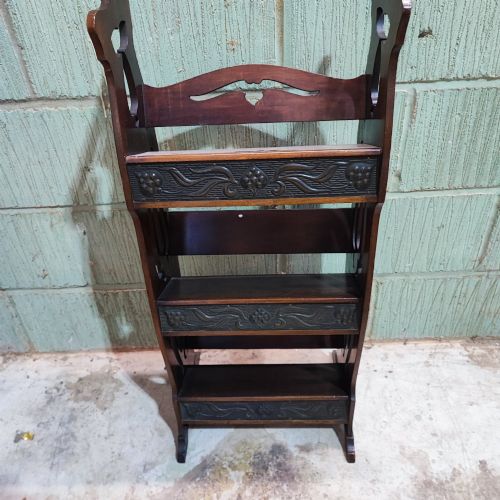
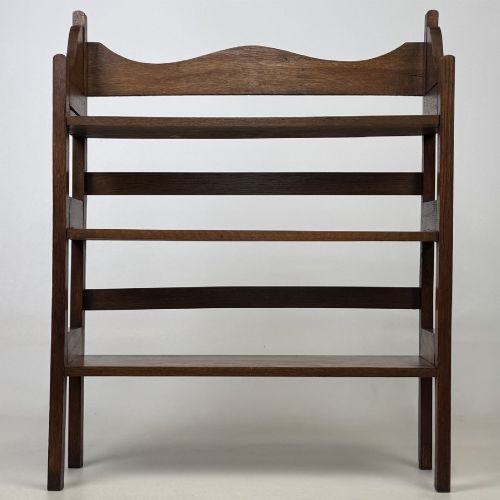
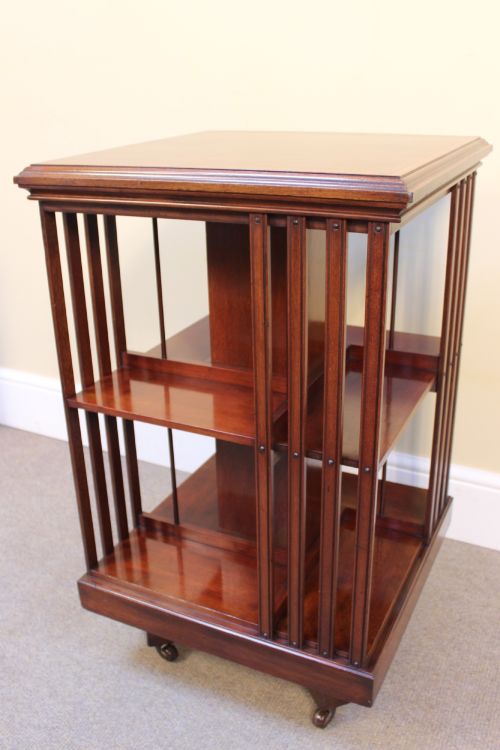
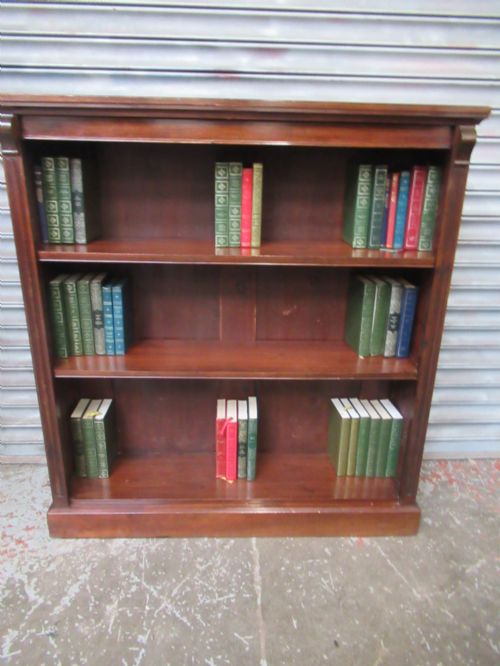
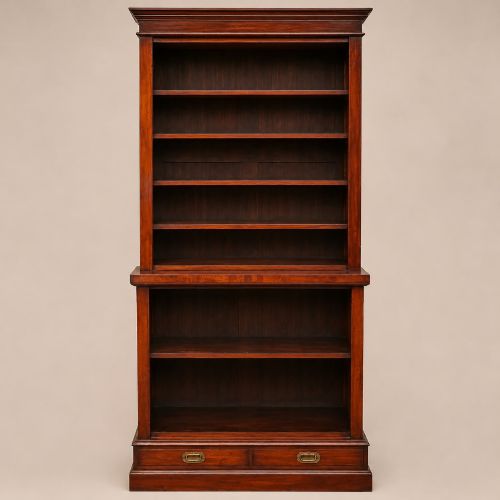
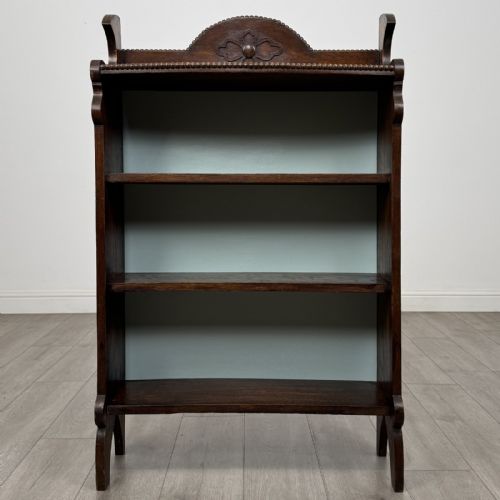
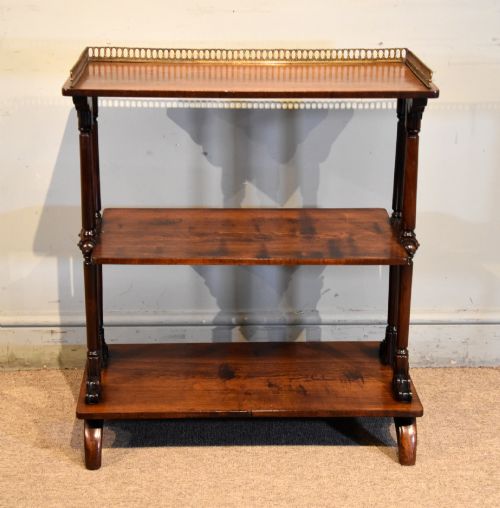
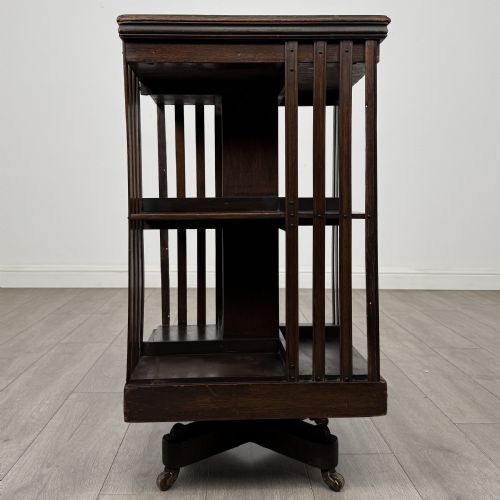
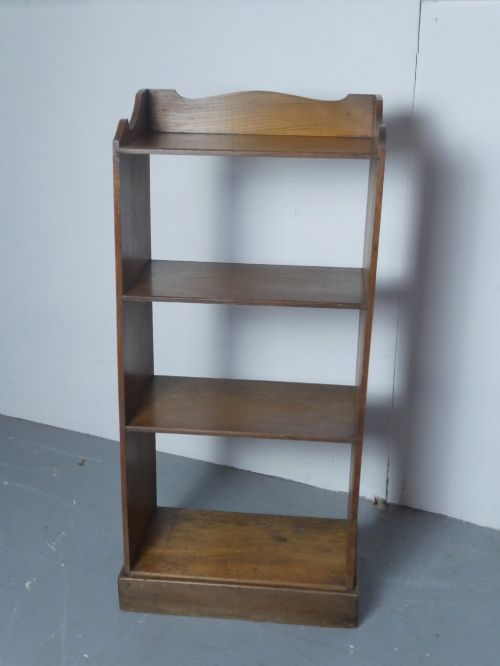
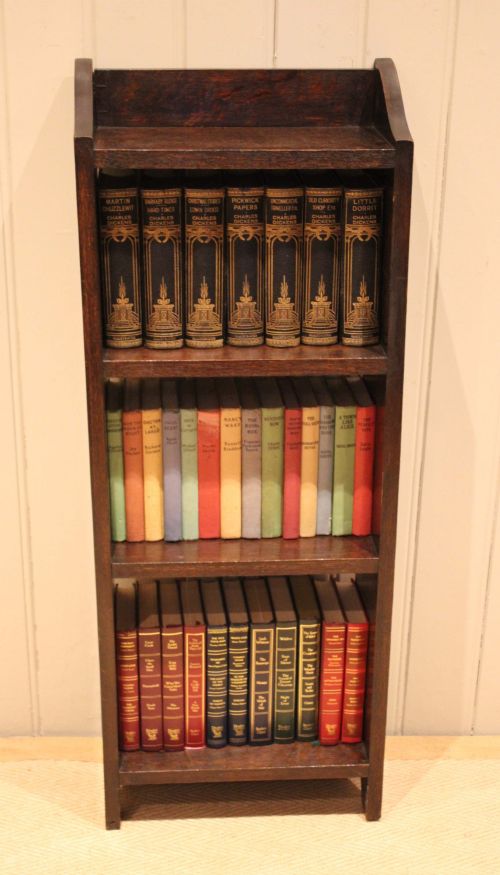
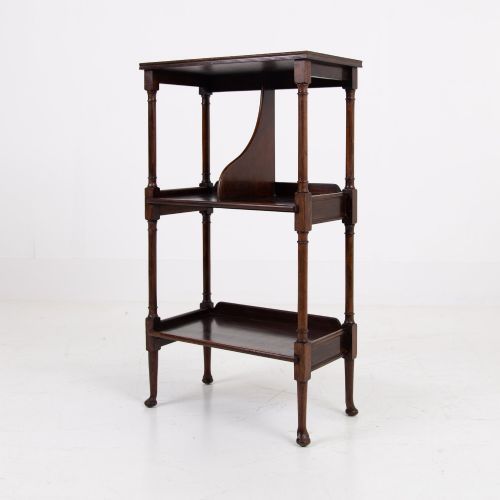
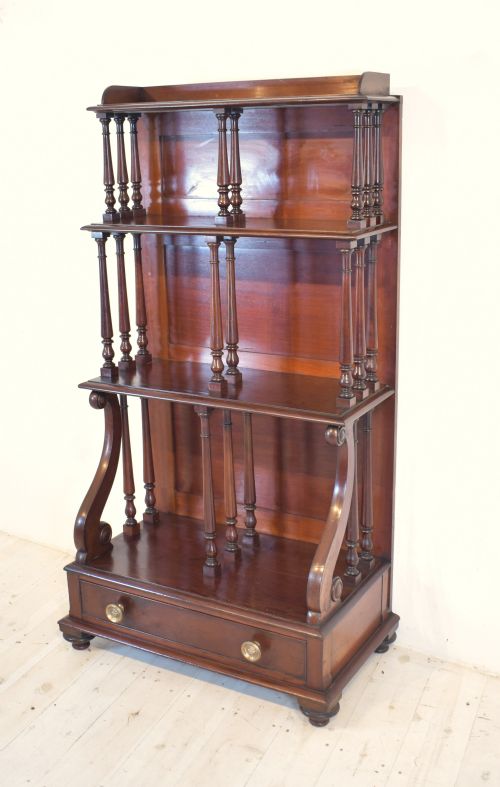
When you search for a tier book rack, you encounter multi-level wooden furniture designed to hold volumes within easy reach. These pieces take forms such as revolving bookcases, wall hanging shelves, portable troughs, and multi-tier whatnots.
The selections span the nineteenth century, the Edwardian era, and the nineteen-twenties, showing styles from Arts and Crafts through to Regency Revival and Victorian production. Most examples utilise sturdy timbers suited to domestic studies and libraries.
How they were made
Workshops constructed these pieces using dense hardwoods like mahogany, oak, walnut, and rosewood, often enhanced with satinwood inlay or brass galleries. Joinery methods supported weight across multiple tiers while maintaining stability in revolving or portable designs.
Surface treatments ranged from polished mahogany to gilded wood and painted finishes, depending on the stylistic period and whether the piece served a formal parlour or a fireside alcove.
Tier Book Rack Retail Price Guide 2026
Typical asking prices for tier book rack among the pieces listed under this phrase on Sellingantiques today, from the lower quarter to the upper quarter. They describe what is for sale here now, not the wider market.
Forms include revolving bookcases, slope-shelf troughs, wall shelves, and multi-tier whatnots.
What varies in quality
The distinction between standard utility items and finer examples lies in the selection of timber grain and the precision of decorative details like brass inlay or carved mouldings. Superior pieces balance structural rigidity with refined proportions across every tier.
Hardware and movement mechanisms, such as those found in revolving bookstands, dictate the operational smoothness and longevity of the piece under the weight of heavy volumes.
The Tier Book Rack Glossary
- Whatnot
- A set of open shelves for displaying books and small ornaments, developed in the nineteenth century. These multi-tier stands utilised corner posts to support each level.
- Book trough
- A V-shaped or open-sided holder designed to keep volumes upright on a table or floor. They often featured sloping sides for easy title viewing.
- Revolving bookcase
- A rotating shelving unit mounted on a concealed base for access from any angle. Edwardian and Victorian makers favoured this form for compact spaces.
- Brass gallery
- A low decorative railing fitted around the top edge of a shelf or table. This metal fixture prevented items from sliding off upper tiers.
- Waterfall bookcase
- A set of open shelves where each upper tier is set back from the one below, creating a stepped profile. The sides typically followed this downward slope.
Tier Book Rack: Frequently Asked Questions
What is a tier book rack used for?
These multi-level stands provide compact storage for reading material in studies, parlours, and bedrooms. They keep volumes organised vertically without occupying significant floor space.
Different formats, such as wall shelves and table troughs, allow readers to keep current selections close at hand.
How do I identify an Edwardian book rack?
Edwardian pieces often feature lighter mahogany timbers, delicate satinwood inlay, and slender upright supports. They reflect a shift towards refined domestic comfort around the turn of the twentieth century.
Construction methods from this period typically relied on factory-standardised joinery alongside traditional hand-finishing.
Where should I place a revolving bookcase?
Revolving bookcases suit corners or spaces beside armchairs where 360-degree access is practical. Their rotating mechanism requires clearance on all sides to function smoothly.
These compact units manage moderate weight loads, making them ideal for daily reading material.
What distinguishes a whatnot from a bookcase?
Whatnots historically served a dual purpose for displaying decorative objects as well as books across multiple open tiers. Bookcases focused primarily on volume storage with enclosed or deeper shelving.
Many nineteenth-century examples blur these lines through slender proportions and decorative galleries.