




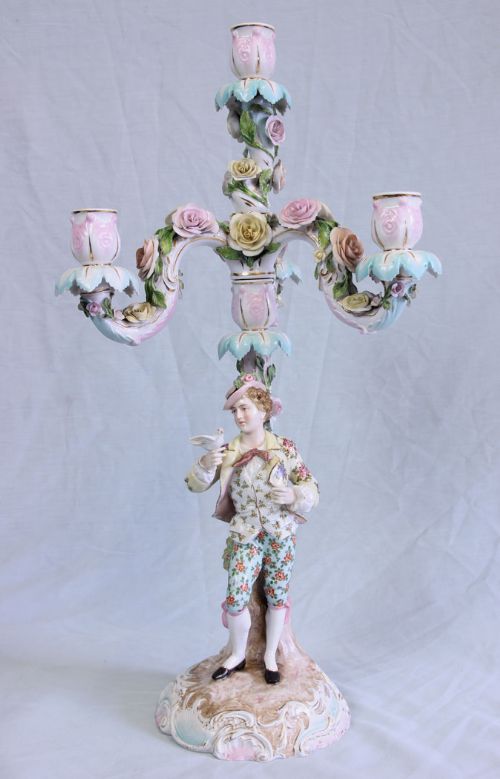
Three Arm Candle Holder
A three arm candle holder brings symmetry and warm illumination to a room, ranging from grand silver candelabras to polished brass sconces.
Three Arm Candle Holder
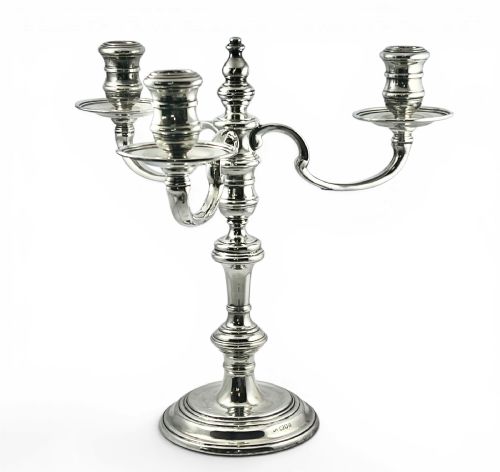
When you search for a three arm candle holder, you encounter multi-light candelabras, wall sconces, and tripartite candlesticks designed to hold three candles simultaneously. These pieces appear across various periods, including the Regency era, the Victorian period, and the mid-twentieth century.
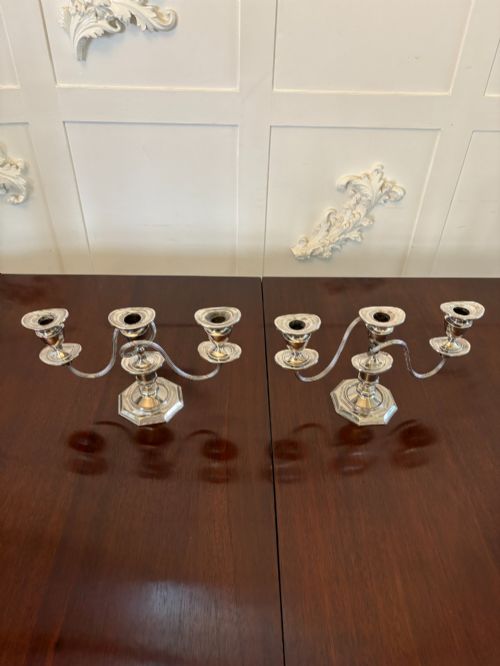
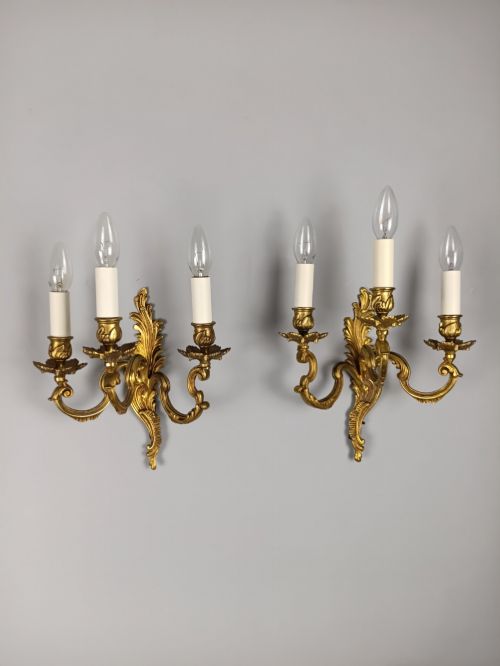
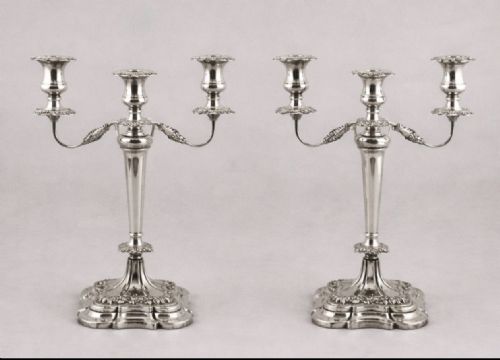
The most common forms on this page include pairs of silver plated candelabras and French gilded bronze wall lights. They originate from diverse workshops in Britain, France, Italy, and Germany, reflecting different regional aesthetic traditions.
Makers utilised configurations with three branches or adjustable arms to distribute light evenly across dining tables and mantelpieces. Buyers select these items for both practical illumination and decorative presence in traditional or eclectic interiors.
How they were made
Metals such as brass, bronze, sterling silver, and silver plate form the primary structural body of these pieces, often finished with ormolu or gilding. Artisans employed casting and chased ornamentation techniques to achieve the intricate surface detail seen in Rococo Revival and Neoclassical styles.
Certain examples combine patinated metal with marble bases or incorporate German porcelain figures into the overall composition. Old Sheffield Plate and electroplated nickel silver provide the reflective surfaces on silver items through distinct historical plating methods.
Design styles span Italian Baroque, French Rococo Revival, Georgian style, and Neoclassical Revival across various European origins.
What varies in quality
The precision of the casting and the crispness of the chased details separate standard examples from finer works, particularly in bronze and ormolu pieces. Substantial weight and balanced proportions indicate superior metal thickness and careful construction by the maker.
The integrity of the surface finish, whether original patination, polishing, or silver plating, dictates the visual coherence of the candelabra. Pieces modeled after specific classical sculptors or produced by established silversmiths demonstrate greater artistic ambition.
Barker Ellis·Clodion
The Three Arm Candle Holder Glossary
- Candelabra
- A branched candlestick designed to hold multiple candles at once. These fixtures often feature a central shaft dividing into two or more arms.
- Ormolu
- Finely ground high-carat gold applied to a bronze base using a mercury amalgamation process. This technique creates a rich, durable golden finish characteristic of French decorative arts.
- Old Sheffield Plate
- An early method of fusing a thin sheet of sterling silver to a thicker copper base. Pieces made this way reveal subtle traces of copper where the silver layer has worn through over time.
- Patinated metal
- Metal surfaces altered by oxidation, age, or chemical treatment to produce a darkened, stable outer layer. This process enhances the definition of relief decoration.
- Rococo Revival
- A nineteenth-century design style drawing on eighteenth-century French motifs such as C-scrolls, asymmetric cartouche work, and naturalistic foliage. It dominates many of the decorative brass and bronze pieces in this category.
Three Arm Candle Holder: Frequently Asked Questions
How do I clean antique silver plate?
Use a soft cloth and a reputable silver cream formulated specifically for plated items to preserve the thin metal layer.
Avoid abrasive pastes or excessive rubbing that might expose the base metal underneath.
Can I use modern candles in these?
Most antique sockets accommodate standard dinner tapers, though older hand-dipped candles sometimes varied slightly in diameter.
Check the nozzle width carefully before forcing a candle into place to avoid straining the arms.
Where should I place a candelabra?
These pieces sit well as centrepieces on dining tables, sideboards, or mantels where their height can be fully appreciated.
Ensure they stand on a stable surface away from drafts to maintain safety when lit.
How do I date a brass candelabra?
Examine the construction marks, casting seams, and overall style relative to known historical periods like the Victorian era or Regency times.
Subtle indicators such as base weighting and screw types often help narrow down the decade of production.