



Terracotta Style Sculpture
When you search for terracotta style sculpture, you enter a diverse world of moulded figures, classical busts, and architectural ceramics spanning multiple centuries.
Terracotta Style Sculpture
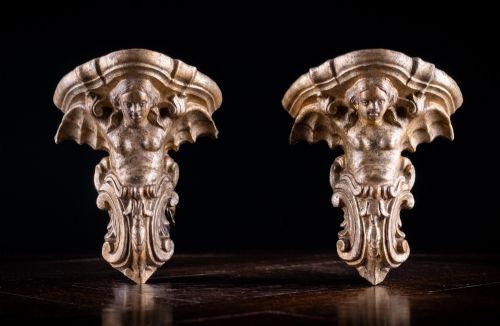
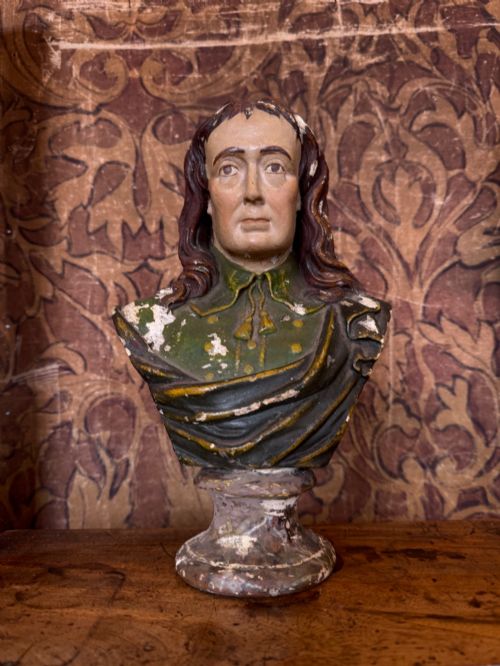
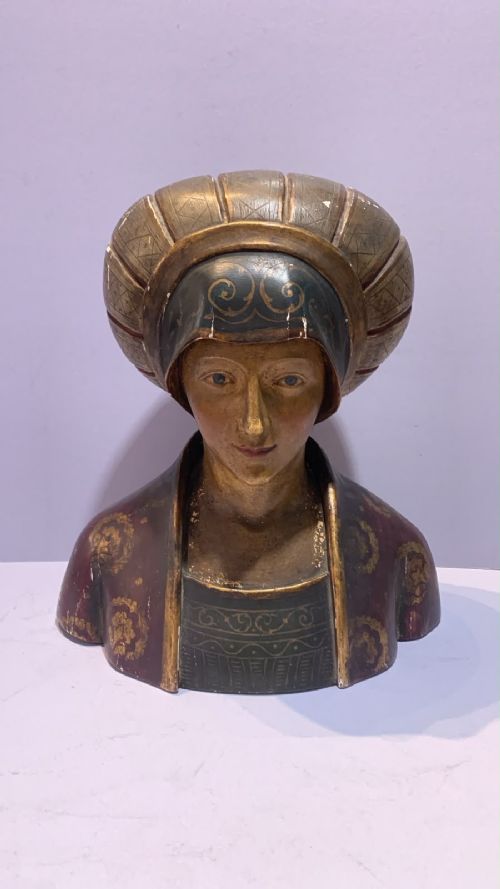
A terracotta style sculpture encompasses modelled and cast figural works in clay, earthenware, and associated mediums like plaster or ceramic. When you search for terracotta style sculpture, you encounter everything from life-size animal figures and classical busts to ancient-style tomb figures.
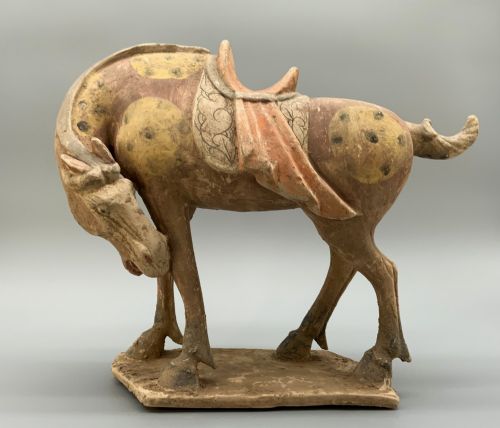
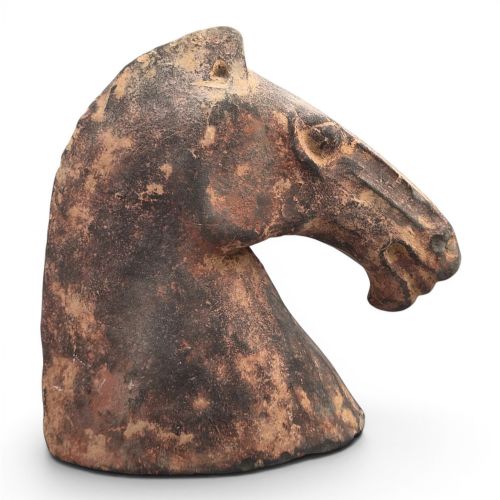
The pieces on this page draw from varied eras, ranging from pre-sixteenth century antiquity styles and Renaissance revivals to Victorian realism and Art Deco modernism. You will frequently find European figurative works alongside Asian pottery horses and temple guards.
Forms extend beyond standalone statues into functional pieces like bookends, pedestals, and decorative roof tile figures. This variety reflects how makers applied modelled clay and ceramic techniques to both grand portraiture and domestic ornaments.
Materials and construction
Makers utilised natural clay and terracotta, frequently applying paint, pigment, or glaze to finish the surfaces. Some pieces incorporate alternative mediums such as plaster, glass paste, or ceramic to achieve specific textures and weights.
Techniques range from hand-modelling and mould-pressing to glazing and firing in kilns. Artisans added surface finishes like faux marble effects or bronzed patination to mimic more expensive materials.
Terracotta Style Sculpture Retail Price Guide 2026
Typical asking prices for terracotta style sculpture among the pieces listed under this phrase on Sellingantiques today, from the lower quarter to the upper quarter. They describe what is for sale here now, not the wider market.
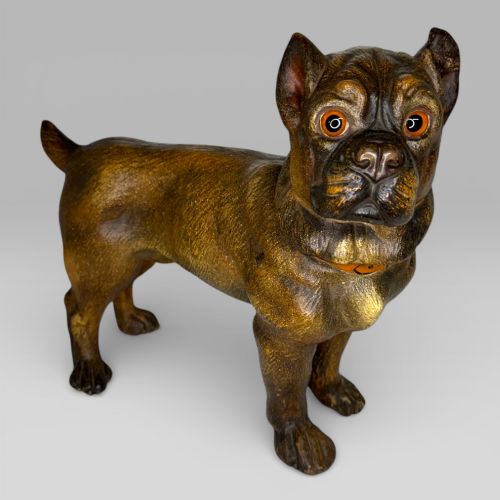
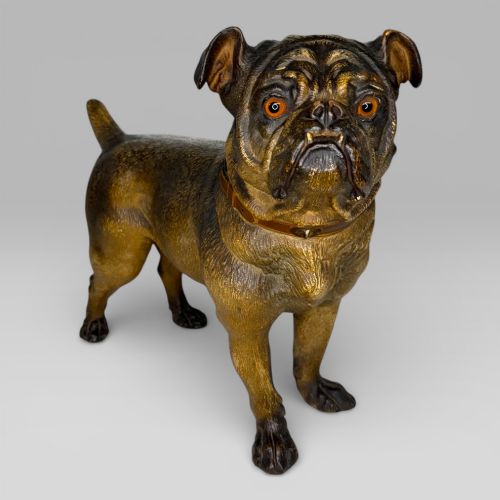
Life-size terracotta pugs and chimpanzees remind us that Victorian households delighted in dressing up their sculptural companions with a heavy dose of humour.
Factors of quality
The integrity of the material and the preservation of original pigments, glazes, or surface patinations define the finer pieces. Greater artistic ambition, seen in life-scale animal figures or detailed classical portrait busts, distinguishes the upper tier.
The Terracotta Style Sculpture Glossary
- Terracotta
- Fired red-brown earthenware clay used for sculptural and architectural works. It is prized for its ability to hold fine detail before and after kiln firing.
- Sancai
- A type of lead glaze characteristic of ancient Chinese pottery featuring straw, amber, and green colours. It is widely imitated in later dynasty style figures.
- Mingqi
- Spirit or tomb figures placed in ancient burial sites to serve the deceased in the afterlife. They include horses, guards, and attendants.
- Bust
- A sculpted representation of a person from the chest or shoulders up. These often portray historical figures, nobility, or classical personages.
- Plaster
- A building material composed of calcium sulphate hemihydrate used for casting interior sculptures and architectural ornaments. It provides a smooth, white surface that accepts paint readily.
Terracotta Style Sculpture: Frequently Asked Questions
What is terracotta?
Terracotta is a porous, baked clay material that ranges in colour from pale buff to deep reddish-brown. It has been utilised for millennia across different cultures to create both small figurines and monumental statues.
In sculpture, the material is prized because it records the direct touch of the modeller before firing. After kiln baking, it provides a durable, matte surface that makers often left plain or enhanced with paint.
How do I care for a terracotta sculpture?
Keep unglazed terracotta and plaster sculptures away from moisture, as these porous materials absorb water and can weaken or stain. Dust them gently with a soft brush rather than using wet cloths.
Display your pieces in stable indoor environments away from direct sunlight and dampness. Because fired clay and plaster can be brittle, place them on sturdy surfaces where they will not be knocked.
What does Grand Tour mean?
The Grand Tour was a traditional trip through Europe undertaken by upper-class young men in the eighteenth and nineteenth centuries to study classical art. Travellers acquired souvenirs such as small bronzes, paintings, and terracotta busts.
Pieces associated with this tradition often replicate famous antique or Renaissance sculptures. They served as scholarly ornaments in British and European homes.
How do I distinguish old pieces from later revivals?
Look closely at the surface wear, the composition of the clay or ceramic body, and any maker marks or stamps. Earlier works often exhibit natural ageing, such as minor surface abrasion and pigment loss.
Revival pieces, such as Renaissance or Tang dynasty styles created in the nineteenth or twentieth centuries, usually display manufacturing methods and finishes characteristic of their actual production era rather than antiquity.