



Tasselled Lampshade
These tasselled lampshade lighting fixtures bring soft, diffused illumination and period character to a room through traditional textile and metalwork.
Tasselled Lampshade
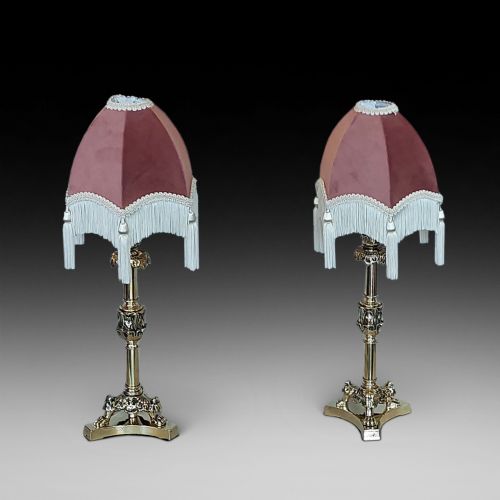
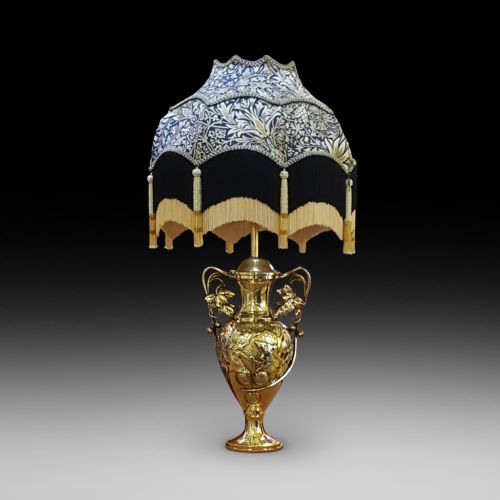
A tasselled lampshade sits atop table and floor lamps originating from the Victorian, Edwardian, and early twentieth-century periods. The listings here predominantly feature standard lamps, table lamps, and converted candlestands constructed from metal bases paired with fabric shades and fringes.
Makers and workshops across these eras combined functional illumination with decorative textiles, utilising brass, copper, and painted finishes to support the upper shades. Buyers frequently encounter floor lamps and boudoir lamps that reflect styles ranging from Art Nouveau and Arts and Crafts to Victorian Neoclassical and Orientalist designs.
How they were made
Construction relies heavily on beaten, pressed, or cast brass and copper for the floor and table lamp bodies. Metal components such as standards and candle conversions provide the structural weight necessary to support the upper fittings.
The decorative elements incorporate fabric, silk fringe, thread, and glass beads to soften the light output. Artisans assembled these textiles by hand around frames, attaching dangling fringes and decorative beads to the lower edges of the shades.
Tasselled Lampshade Retail Price Guide 2026
Typical asking prices for tasselled lampshade among the pieces listed under this phrase on Sellingantiques today, from the lower quarter to the upper quarter. They describe what is for sale here now, not the wider market.
Current listings demonstrate a strong presence of brass and copper materials spanning Victorian and Edwardian periods.
What varies in quality
The refinement of the metalwork determines the tier of the piece, with finely chased or beaten copper and brass standing above simpler pressed sheet metal. Heavier cast standards and careful joining at the base show superior workshop attention.
Textile execution also divides the range, distinguishing simple fabric coverings from intricate assemblies incorporating glass beads and layered silk fringes. The integration between the rigid metal support and the hanging textile elements governs the overall coherence of the design.
The Tasselled Lampshade Glossary
- Standard lamp
- A tall floor lamp designed to stand directly on the floor and illuminate a room from a raised height. These pieces often feature heavy metal bases for stability.
- Fringe
- An ornamental border consisting of hanging threads or tassels attached to the edge of the lampshade. This textile detail defines the silhouette of the piece.
- Art Nouveau
- A style characterised by organic, flowing lines and plant-inspired motifs found across metal bases and shade supports. It emerged around the turn of the twentieth century.
- Arts and Crafts
- A design movement prioritising visible handcraftsmanship and simple construction over mass production. Pieces from this tradition utilise beaten copper and honest materials.
Tasselled Lampshade: Frequently Asked Questions
What periods do these lamps come from?
The pieces span from the nineteenth century through the Edwardian era and into the early twentieth century. This covers Victorian, Art Nouveau, and Arts and Crafts production.
Design characteristics shift across these decades from heavy neoclassical brass standards to flowing organic metalwork and pressed decorative finishes.
How were these lamps originally used?
They served as decorative and task lighting in period sitting rooms, boudoirs, and parlours. Table lamps sat on side tables while standard lamps stood directly on the floor.
The fabric shades and fringes diffused the glare from early electric bulbs, casting a warm and gentle glow across the surrounding interior.
Are all these lamps electrified?
Many examples began life as oil lamps or candlesticks before being converted to use electricity. Some retain earlier metal stems paired with later wiring and shade assemblies.
Conversion methods vary depending on when the adaptation took place, ranging from older brass candlestands to purpose-built floor standards.
What materials make up the lamp bodies?
Metal forms the primary structure, with brass and copper appearing most frequently in the listings. These metals are cast, pressed, or beaten into various decorative shapes.
Painted wooden elements and ceramic vase bodies also appear occasionally, paired with metal fittings and textile shade components.