


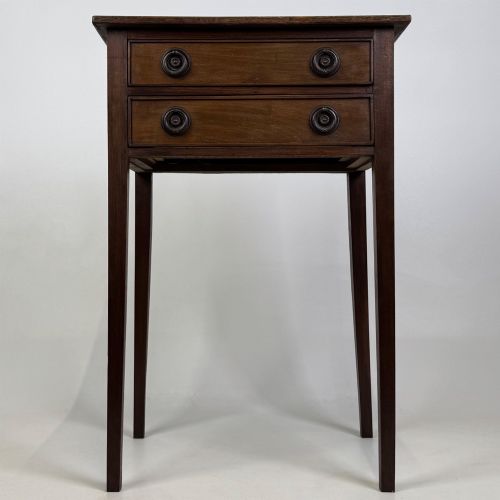
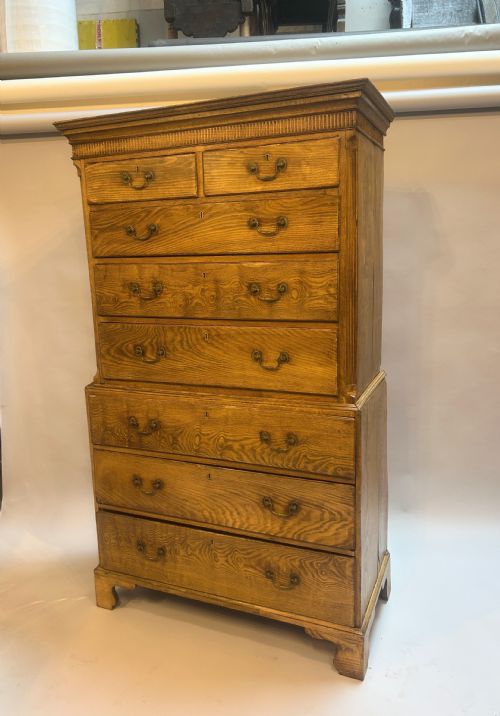
Tall Wooden Cabinet
A tall wooden cabinet organises vertical space with gravity and grain, bringing generous storage into rooms that need architectural height.
Tall Wooden Cabinet
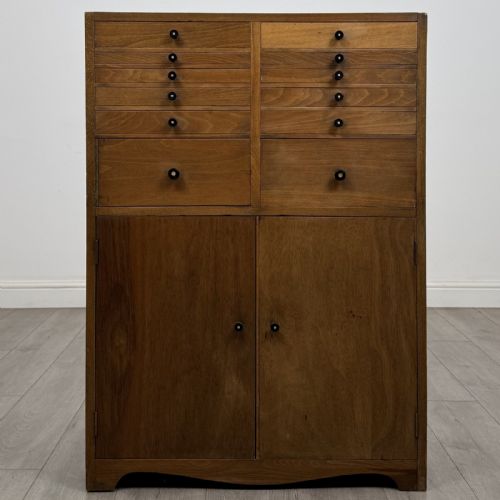
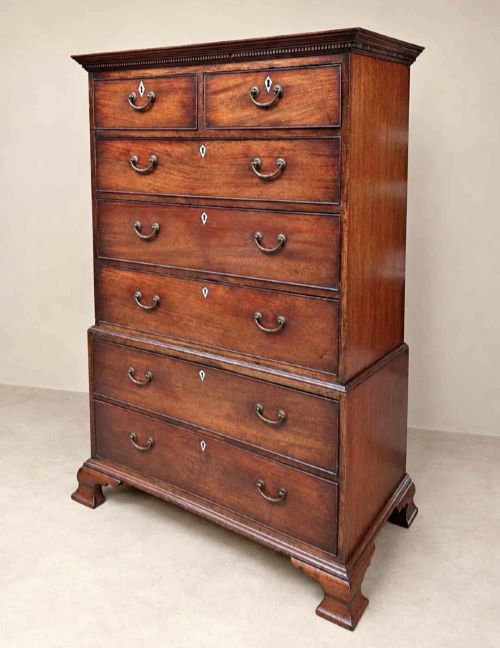
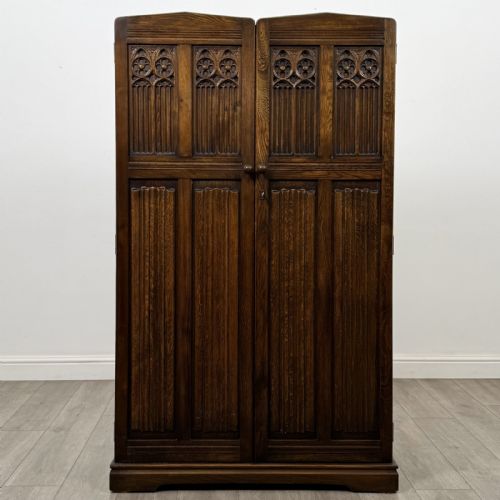
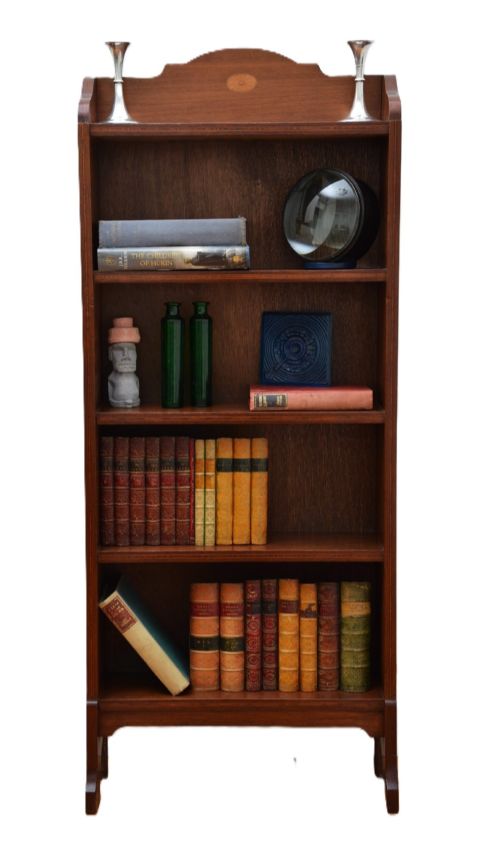
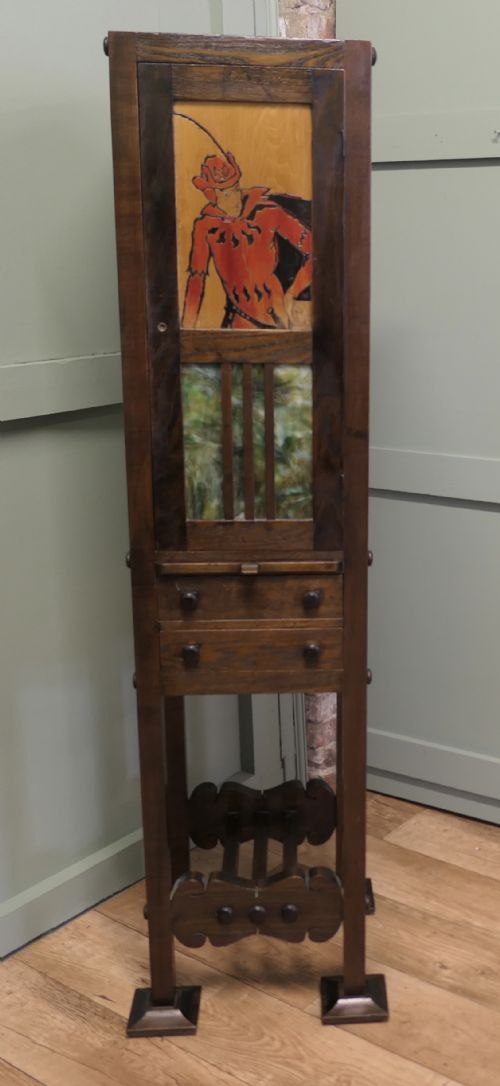
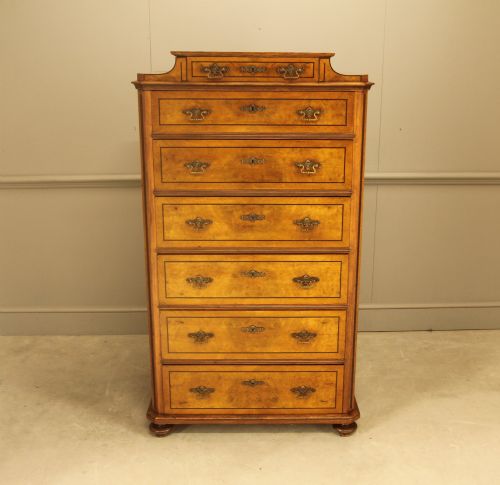
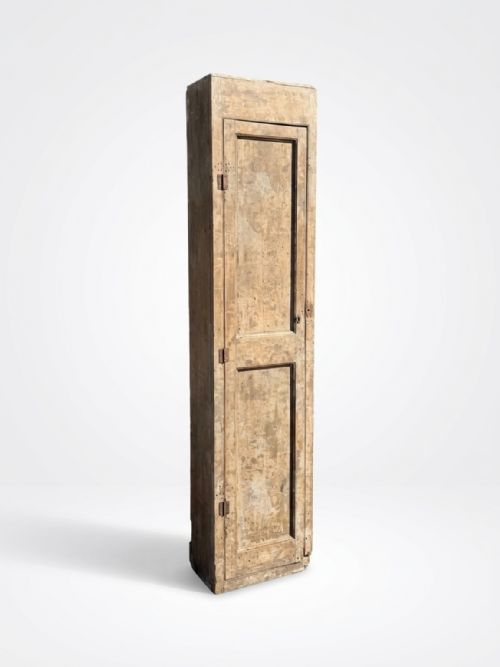
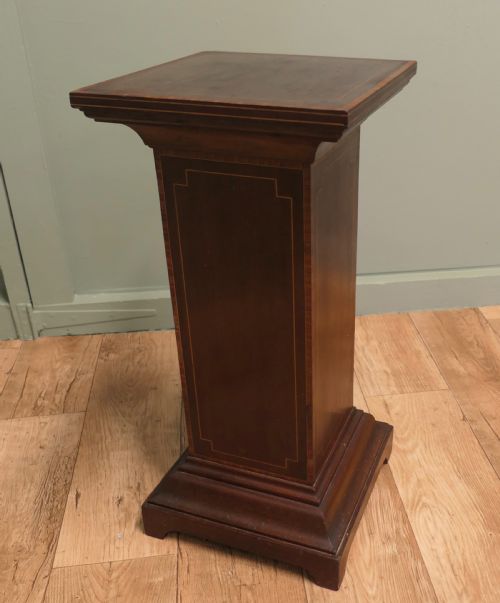
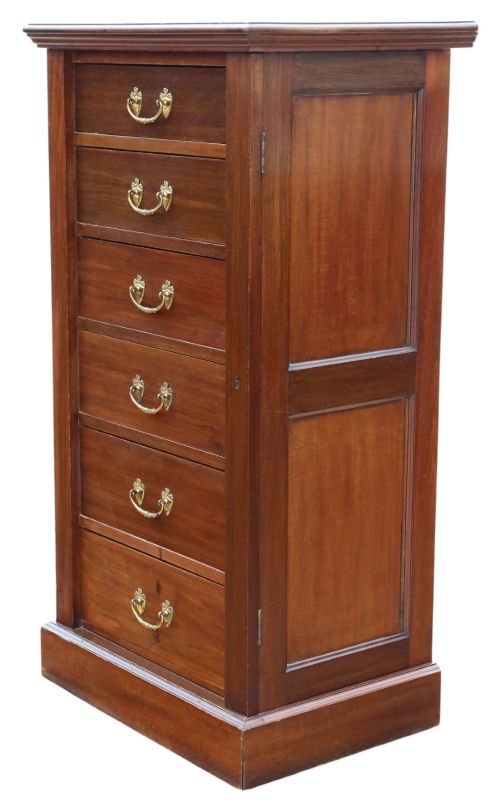
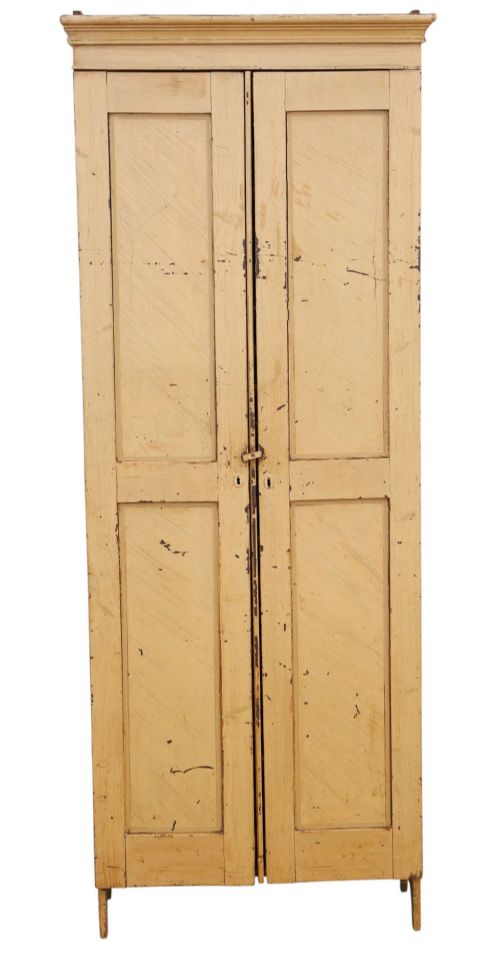
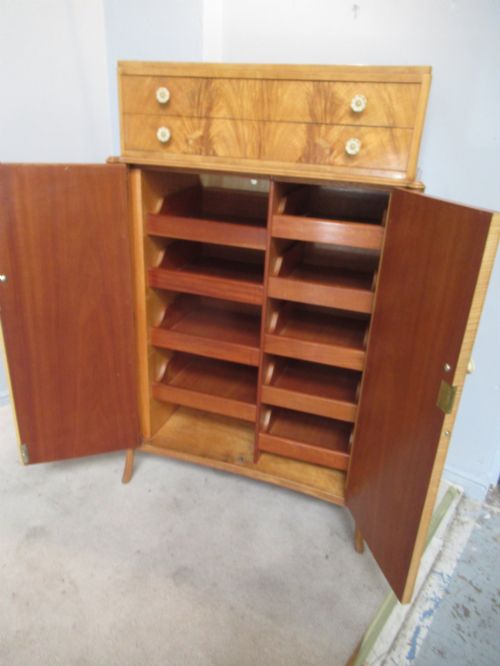
A tall wooden cabinet covers a broad family of vertical storage forms encountered on this page, stretching from Georgian tallboys and chests on chest to Edwardian bookcases and oak cupboards. Buyers seeking this phrase navigate upright pieces that maximise floor area through height, fulfilling functional needs for shelved or drawer storage across diverse domestic rooms.
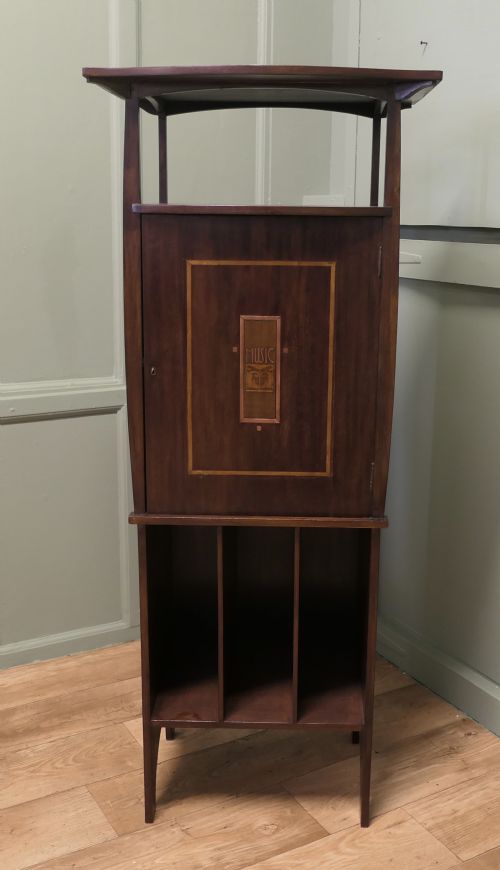
The varieties span multiple centuries and stylistic traditions, heavily weighted towards mahogany and oak construction from the Victorian, Edwardian, and Georgian periods. Alongside traditional bookcases and chests of drawers, one meets specialised forms like music cabinets, filing cabinets, and housekeeping cupboards.
Regional and continental influences surface regularly, bringing French provincial pieces, Dutch marquetry, and Swedish burr walnut into the mix alongside British craftsmanship. This breadth means buyers choose between stately formal proportions and more rustic, utilitarian expressions depending on their interior scheme.
Materials and Construction
Cabinet makers relied predominantly on hardwoods like mahogany, oak, and walnut, complemented by softer pine and elm for internal or regional carcases. Timber selection dictated the structural stability and decorative potential of each tall wooden cabinet, with dense grains allowing for crisp carved detailing and smooth drawer runs.
Secondary materials such as brass handles, iron hardware, and glass panes added both structural reinforcement and visual contrast to the timber frames. Inlaid motifs, marquetry, and painted finishes further demonstrated the technical repertoire employed by makers across the eighteenth, nineteenth, and early twentieth centuries.
A Welsh food cupboard includes built-in ventilation holes, proving that cheese once demanded better interior design than most trousers.
Assessing Craftsmanship and Proportion
The distinction between ordinary utility items and finer examples rests in the harmony of proportion, the selection of figured timber veneers, and the precision of joinery. Superior pieces display thoughtful integration of decorative elements like bracket feet, carved galleries, or glazed panels without compromising structural integrity.
Original hardware, sound drawer construction with hand-cut dovetails, and well-preserved surface finishes elevate a piece significantly. Quality reveals itself in how seamlessly doors hang, how evenly drawers travel, and how sympathetically any restoration respects the original age of the timber.
Shapland and Petter·GM Elwood·JS Henry
The Tall Wooden Cabinet Glossary
- Tallboy
- A tall chest of drawers, typically consisting of one chest stacked upon another, popular during the Georgian period. This configuration provided ample vertical storage while occupying a modest footprint.
- Chest on chest
- A robust storage unit formed by placing a smaller chest of drawers directly on top of a larger base chest. It creates an imposing vertical presence suited to grand chambers.
- Tambour
- A flexible shutter made from narrow strips of wood glued to canvas, allowing doors to slide smoothly around curved corners. Commonly found on filing cabinets and specialised storage units.
- Marquetry
- The art of applying decorative veneer pieces in wood, metal, or shell to form intricate patterns. This technique transforms flat cabinet surfaces into pictorial displays.
- Bracket feet
- Simple, architectural foot supports that project outward from the lower corners of a cabinet. They offer stable elevation while maintaining clean geometric lines.
Tall Wooden Cabinet: Frequently Asked Questions
What rooms suit a tall wooden cabinet?
These upright pieces find natural homes in dining rooms, libraries, and bedrooms where floor space is limited but vertical capacity is required. Their height draws the eye upward, making them functional anchors for high-ceilinged spaces.
Smaller variations also serve well in hallways or studies for organising books, paperwork, or tableware while adding period character to empty corners.
How do I distinguish Georgian from Victorian pieces?
Georgian examples often display restrained classical proportions, fine mahogany grains, and architectural details like bracket feet or dentil cornices. They prioritise understated elegance and functional symmetry.
Victorian cabinets tend to be heavier in build, sometimes featuring darker finishes, bolder carvings, and more eclectic revival styles reflecting the industrial confidence of the nineteenth century.
Are adjustable shelves common in older bookcases?
Many Edwardian and later open bookcases feature adjustable wooden shelves supported by peg systems or metal tracks. This adaptability makes them practical for housing modern collections of varying book sizes.
Earlier eighteenth and early nineteenth century bookcases more frequently feature fixed shelving set permanently into the carcase construction.
How should I care for antique timber surfaces?
Maintaining these finishes involves keeping pieces away from direct heat sources and strong sunlight that can dry out and fade the wood. Regular dusting with a soft cloth preserves the natural lustre.
Occasional applications of appropriate wax feed the timber and protect the patina without building up harmful residues that obscure the grain.