



Tall Wooden Bookshelves
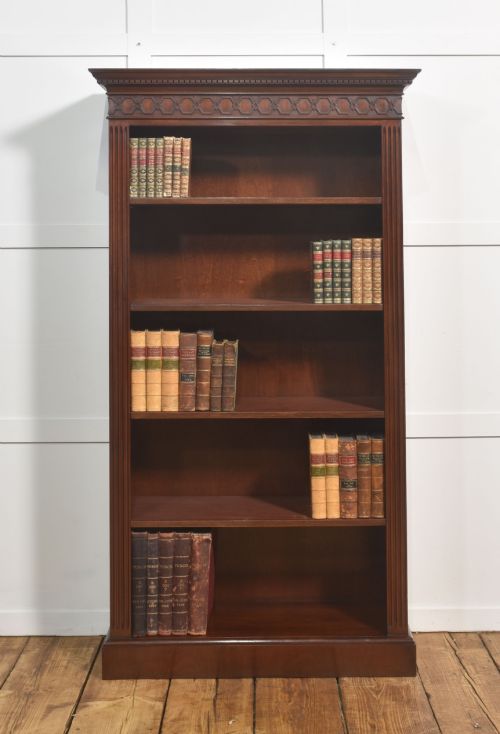
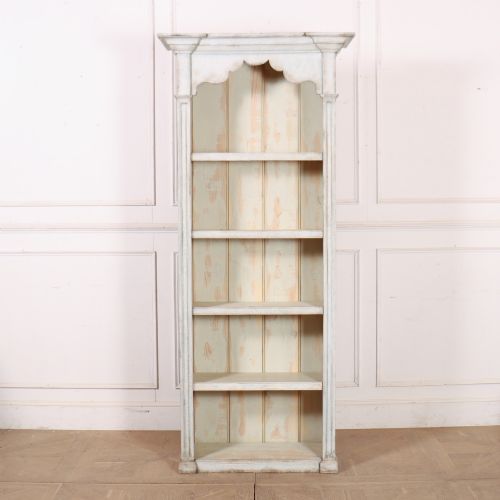
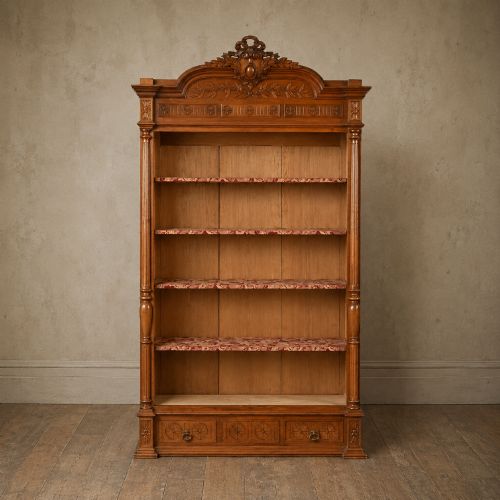
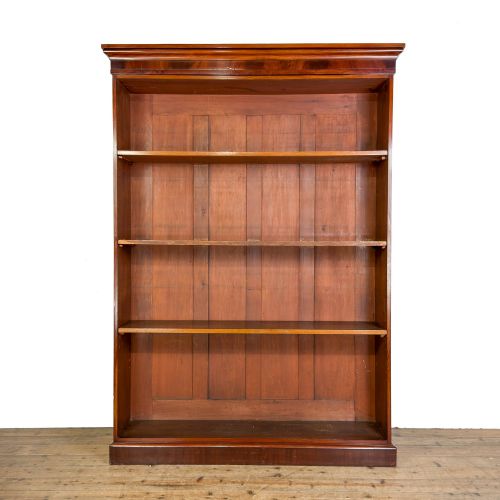
Tall wooden bookshelves bring architectural presence to a room, offering practical vertical storage through sturdy timber construction and open shelving.
Tall Wooden Bookshelves
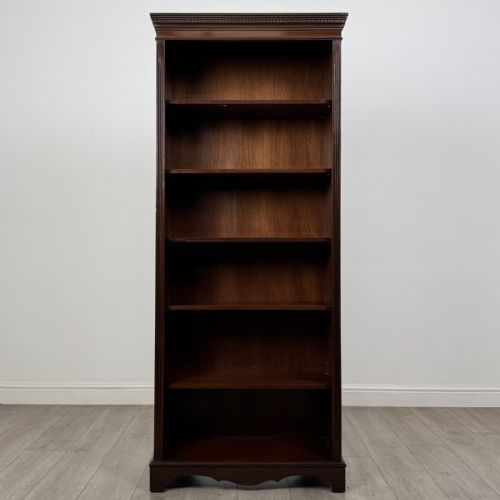
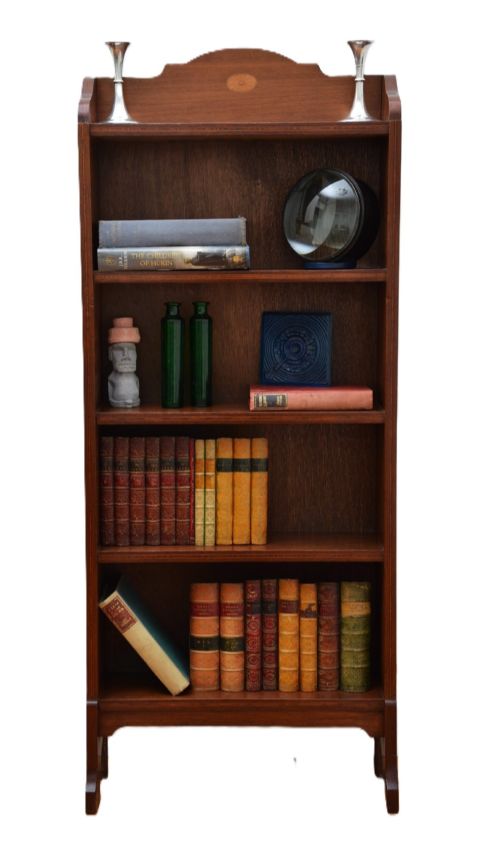
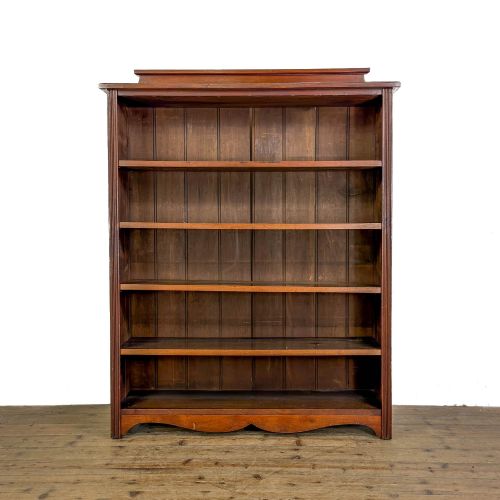
Tall wooden bookshelves appear primarily in 19th-century, Victorian, and Edwardian iterations, constructed to house substantial libraries in domestic settings. These pieces range from slim open bookcases with raised galleries to large continental library bookcases and tiered etageres.
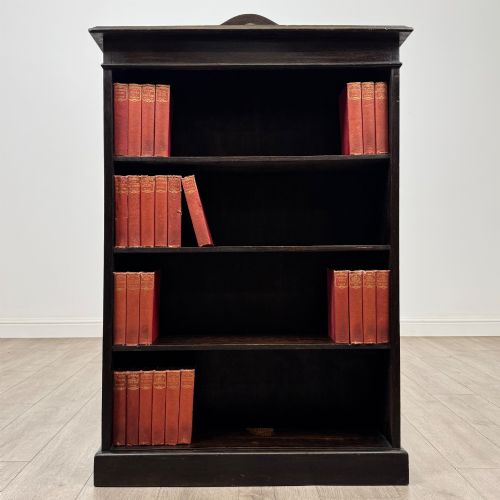
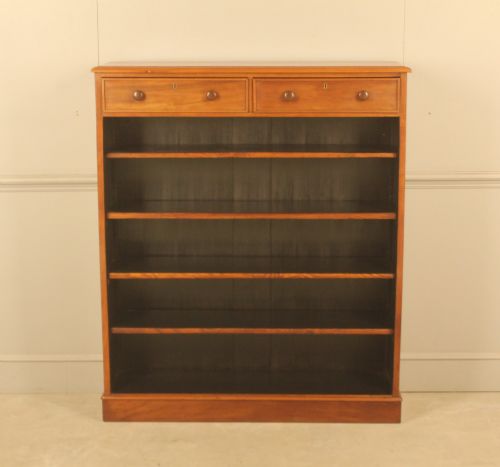
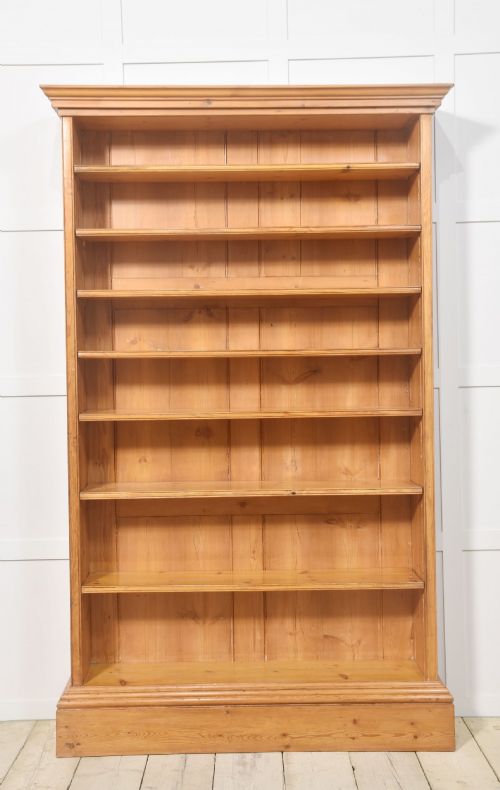
The version most likely to be met on this page is the open mahogany or oak bookcase, often featuring adjustable shelves and standing upright against a wall. Examples span from simple deal wood and pine utilitarian pieces to decorative satinwood-inlaid and walnut designs.
Makers and cabinetmakers built these tall upright structures using solid timbers such as elm, rosewood, and walnut, alongside painted French finishes and architectural mouldings. Buyers find distinct stylistic influences including Arts and Crafts, Art Deco, and French Provincial amongst the standard Victorian and Edwardian forms.
Materials and Construction
Cabinetmakers utilised hardwoods such as mahogany, oak, walnut, and rosewood, alongside softer timbers like pine and deal wood for internal or utilitarian structures. Satinwood inlay and brass details frequently accented the primary woods, adding decorative contrast to upright panels and galleries.
Construction relied on solid timber framing, jointed shelving, and integrated mouldings, with several pieces incorporating adjustable shelf mechanisms for practical utility. Carved solid wood details and raised galleries required skilled carpentry, particularly on large continental and 19th-century library editions.
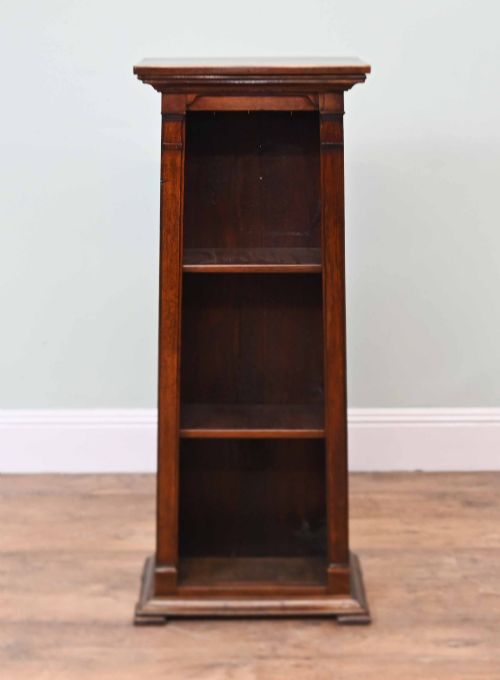
Form variations include etageres, open library bookcases, and tiered waterfall designs.
Qualities of Construction
The grade of timber selected for the frame and shelves dictates much of the physical presence, with dense, figured mahogany and quarter-sawn oak representing the sturdier end of production. Subtleties in carving, such as crisp mouldings to the front and refined satinwood inlay work, separate standard utilitarian storage from finer cabinetmaking.
The integrity of the structural uprights and the smooth operation of adjustable shelving mechanisms determine practical longevity. Pieces demonstrating balanced proportions, intact galleries, and unwarped solid wood uprights hold greater architectural harmony within an interior.
The Tall Wooden Bookshelves Glossary
- Open bookcase
- A piece of furniture designed for storing books with unobstructed front access, typically fitted with horizontal shelves.
- Raised gallery
- A low decorative railing or rim running along the top edge of a bookcase or cabinet, often pierced or carved.
- Etagere
- A piece of furniture consisting of a set of open shelves for displaying small objects or books, standing upright on feet.
- Adjustable shelves
- Horizontal boards resting on movable supports that allow the user to alter vertical gaps between tiers.
- Deal wood
- A traditional term for softwood timber, typically pine or fir, commonly utilised in simpler or utilitarian cabinetmaking.
Tall Wooden Bookshelves: Frequently Asked Questions
How do I style a tall wooden bookcase?
Position the piece flat against a solid wall to anchor the room's vertical space, allowing the timber grain to provide natural texture.
Mix vertical book stacks with decorative objects across the shelves to balance the visual weight of the heavy wooden frame.
Are these bookshelves suitable for heavy books?
Many of these pieces feature solid mahogany or oak construction designed to support substantial libraries without sagging.
Examples with adjustable shelves offer flexibility for arranging heavy volumes at lower levels while keeping lighter collections higher up.
How do I identify an Edwardian bookcase?
Edwardian pieces often display lighter wood tones like oak or satinwood inlay, reflecting a shift away from heavier Victorian aesthetics.
Look for restrained proportions, clean linear forms, and occasional raised galleries typical of the early twentieth century.
Can these bookcases fit in modern rooms?
Their straightforward vertical profiles allow them to slot easily into alcoves or against blank plaster walls in contemporary spaces.
The warmth of natural timber finishes such as walnut, elm, and mahogany bridges historical craftsmanship with modern interiors.