


System Cane Sword
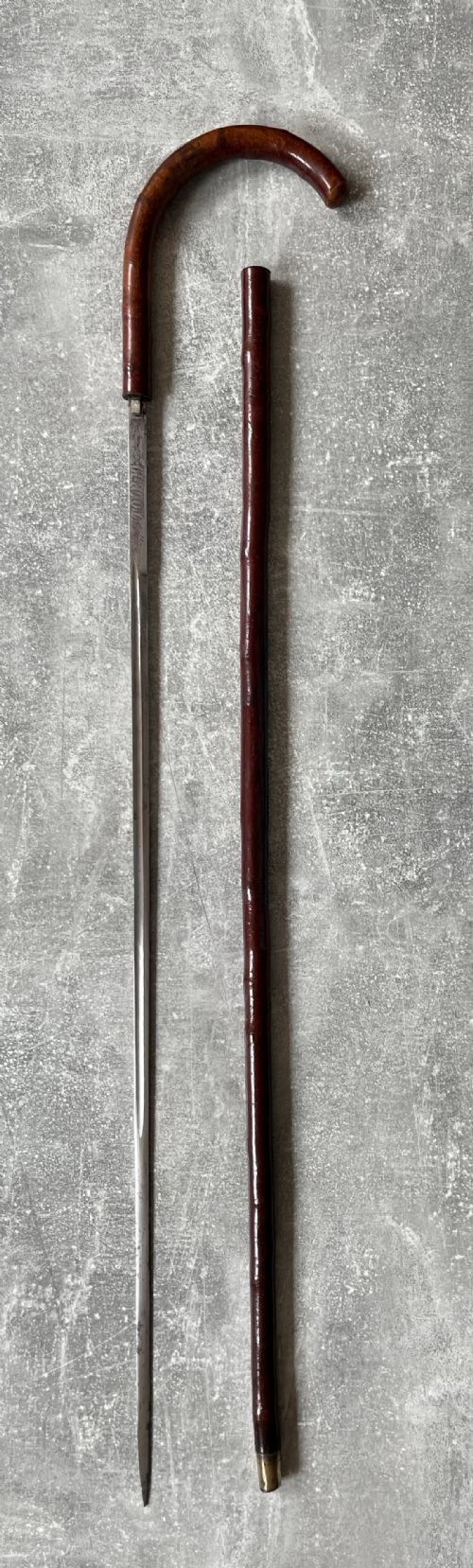
A system cane sword is a gentleman's disguise concealing a sharp blade beneath an everyday wooden shaft.
System Cane Sword
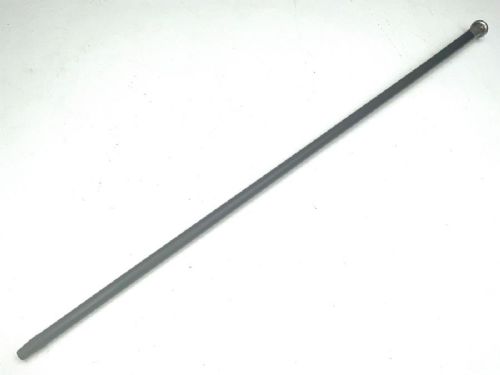
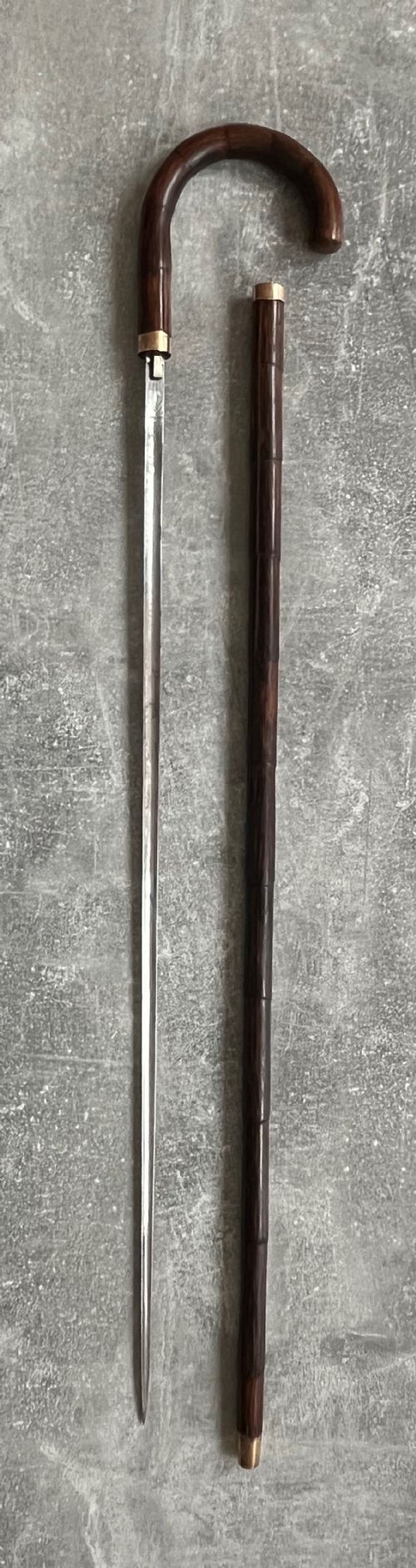
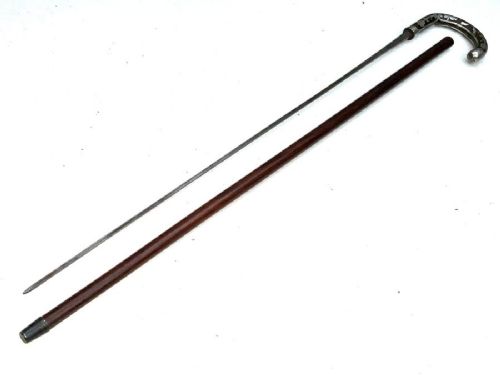
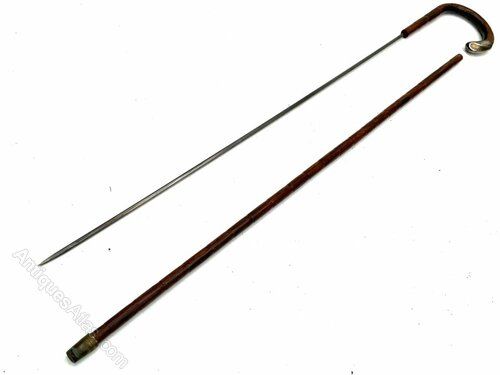
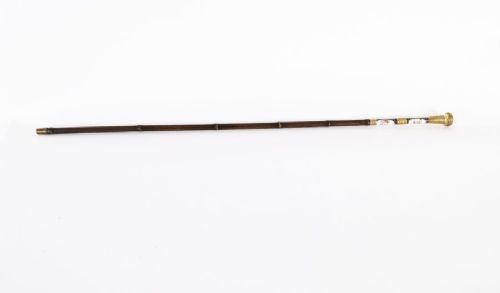
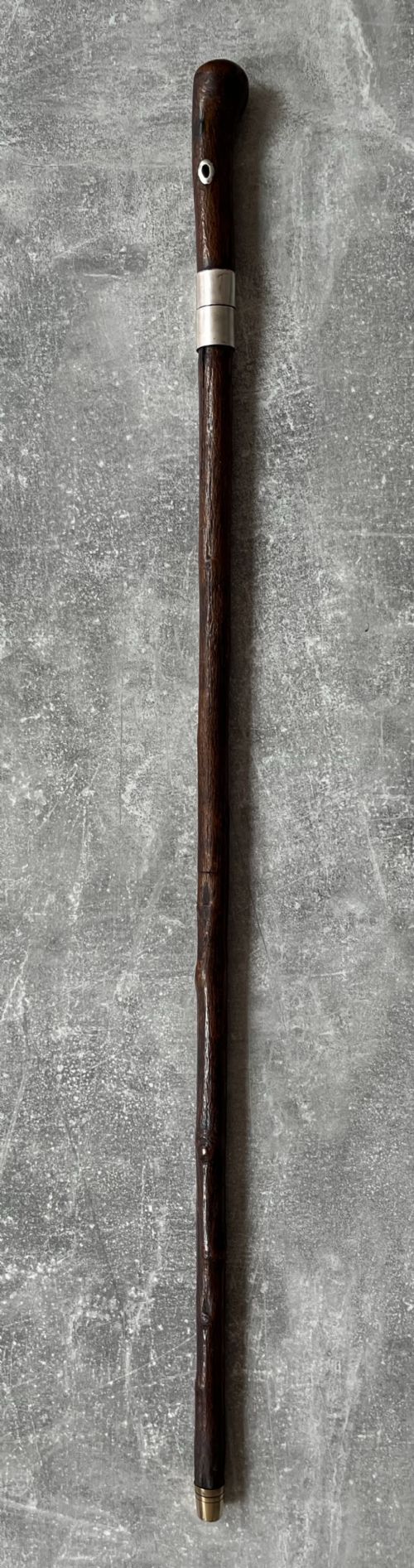
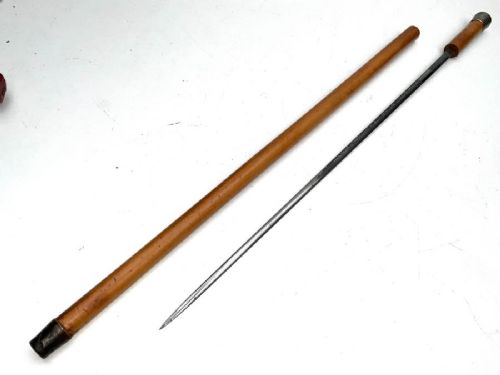
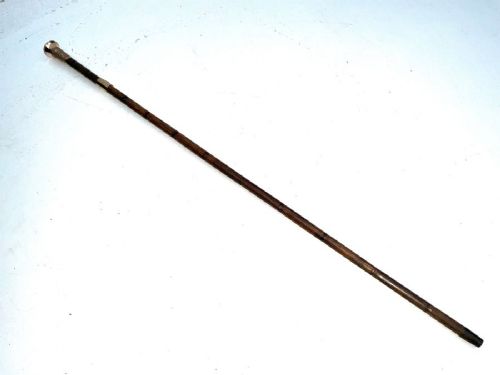
A system cane sword combines an ordinary walking stick with a concealed internal blade, designed for personal protection during the Victorian and Edwardian eras. These pieces typically present as standard gentleman's walking canes fashioned from woods like malacca, partridge wood, cherrywood, and hazel wood.
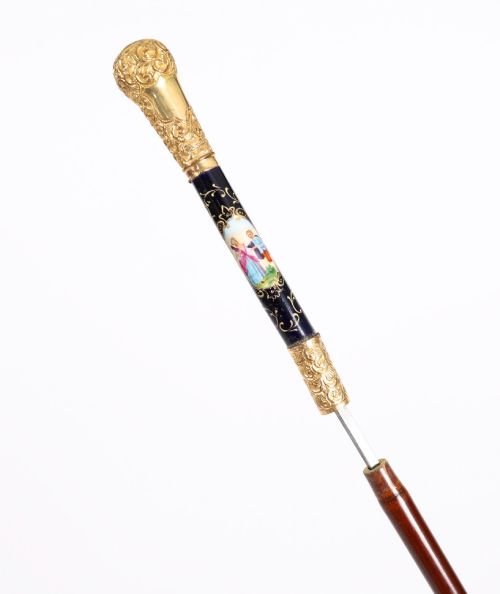
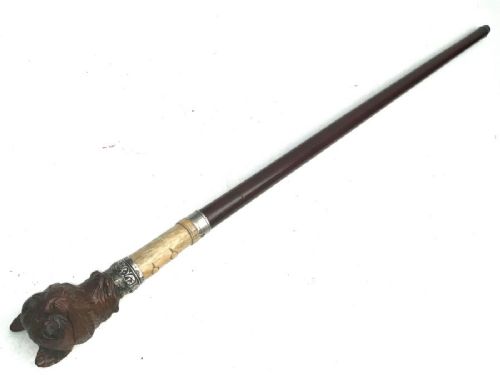
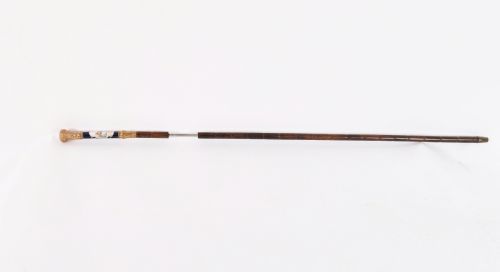
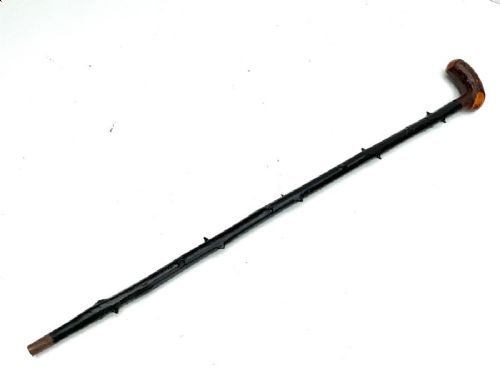
Makers integrated various functional handles, ranging from simple horn and root ball grips to novel horse heads and gold-plated Sevres porcelain mounts. Examples often feature specialist regional traits, such as traditional Irish blackthorn shafts or masonic symbols.
The user encounters these items across late nineteenth and early twentieth century dates, including specific London hallmarked pieces and military officer styles. The external appearance remains deceptively mundane to conceal the steel within.
Materials and construction
Makers constructed the exterior shafts from natural materials including malacca cane, bamboo, partridge wood, chestnut, and hazel wood, fitted with wood or metal collars. Handles were shaped from horn, porcelain, silver, brass, and carved root wood to suit individual tastes.
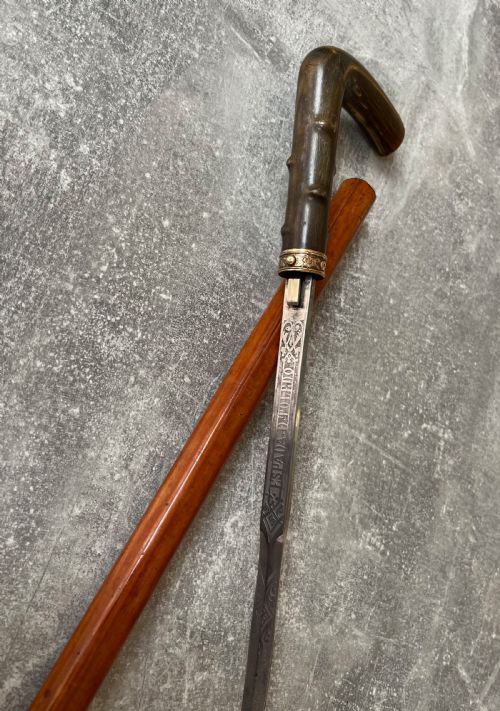
The internal mechanism relied on a steel blade, frequently noted as a Toledo blade or a Wilkinson blade, secured within the wooden scabbard body. A button release mechanism often held the blade safely in place until deployed.
Several examples feature novel horse head handles and Sevres porcelain grips, proving that hidden danger could still wear a very polite face.
Assessing quality and execution
Quality rests in the precision of the join between the shaft and the handle, where superior examples achieve a seamless fit that hides the internal blade entirely. The choice of materials dictates the tier, moving from basic wood shafts to those mounted with silver collars and decorated Sevres porcelain.
Blade selection elevates certain pieces, particularly those fitted with named steel like Toledo or Wilkinson blades compared to standard metal. The artistry of the handle, whether carved bone, horn, or a silver horse head, separates standard daily carriers from high-status gentleman's accessories.
Brigg·Wilkinson
The System Cane Sword Glossary
- Toledo blade
- A steel blade originating from or styled after the historic Spanish sword-making tradition of Toledo. These blades are known for high carbon content and durability.
- Malacca cane
- A species of rattan from Southeast Asia valued for its strength, flexibility, and mottled brown finish. It forms the slender shaft of many traditional walking sticks.
- Wilkinson blade
- A steel blade associated with the renowned British sword maker Wilkinson Sword. Their inclusion marks a piece of high military or civilian specification.
- Sevres porcelain
- Fine ceramic material produced by the Sevres manufactory in France. It appears here as decorative handle mounts on nineteenth-century examples.
- Button release
- A concealed spring mechanism embedded near the collar. It secures the blade inside the cane until pressed.
System Cane Sword: Frequently Asked Questions
How do you open a system cane sword?
Most examples rely on a hidden button release near the collar that unlatches the internal blade from the wooden scabbard. Once pressed, the handle and blade pull smoothly out from the shaft.
Owners should pull straight and avoid twisting to protect the internal wooden lining and the steel blade from unnecessary wear.
What materials were used for the shafts?
Makers utilised natural woods and canes such as malacca, bamboo, partridge wood, cherrywood, hazel, and traditional Irish blackthorn. These materials provided the necessary rigidity and straightness to house a steel blade.
Exterior finishes varied from polished natural grain to faux bamboo carving and dark stained timber.
How can you date a sword cane?
Dating relies on stylistic clues, hallmarked silver mounts, and materials characteristic of the Victorian and Edwardian periods. Pieces often feature specific decades marked by changing handle fashions and manufacturing stamps.
London hallmarks on silver collars offer exact calendar years for specific pieces produced in the twentieth century.
Were these used as weapons?
These items served gentlemen as dual-purpose walking aids and personal defence tools during periods when street safety was a concern. Military officers and civilians alike carried them as part of standard gentleman's attire.
The concealed nature allowed the owner to travel through public spaces with hidden protection.