


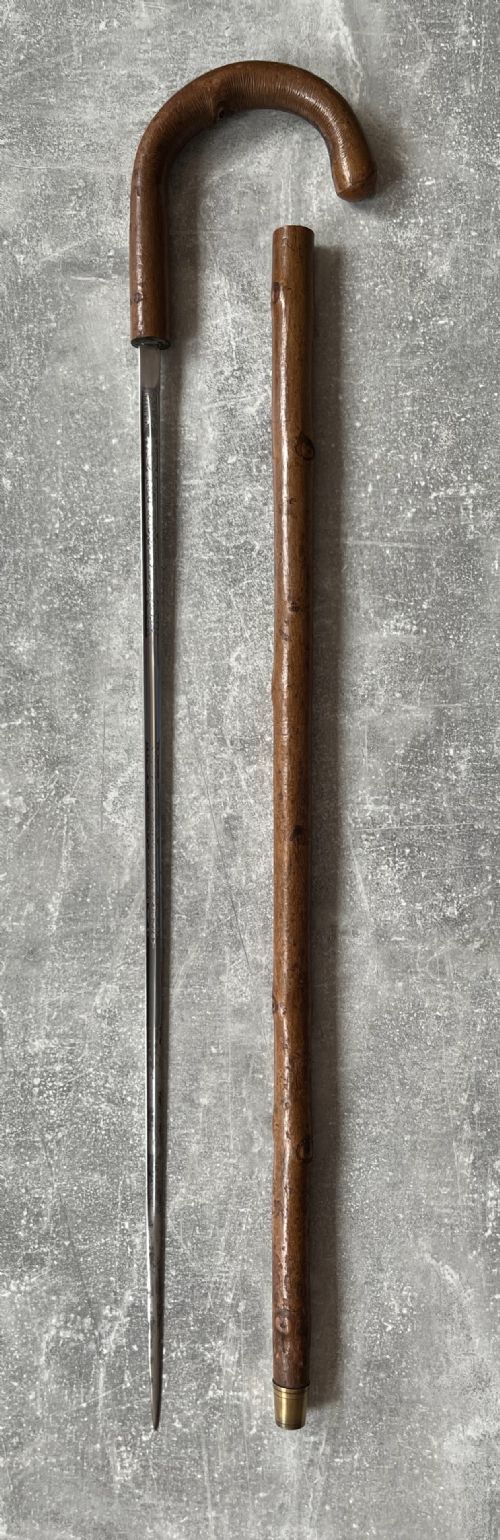

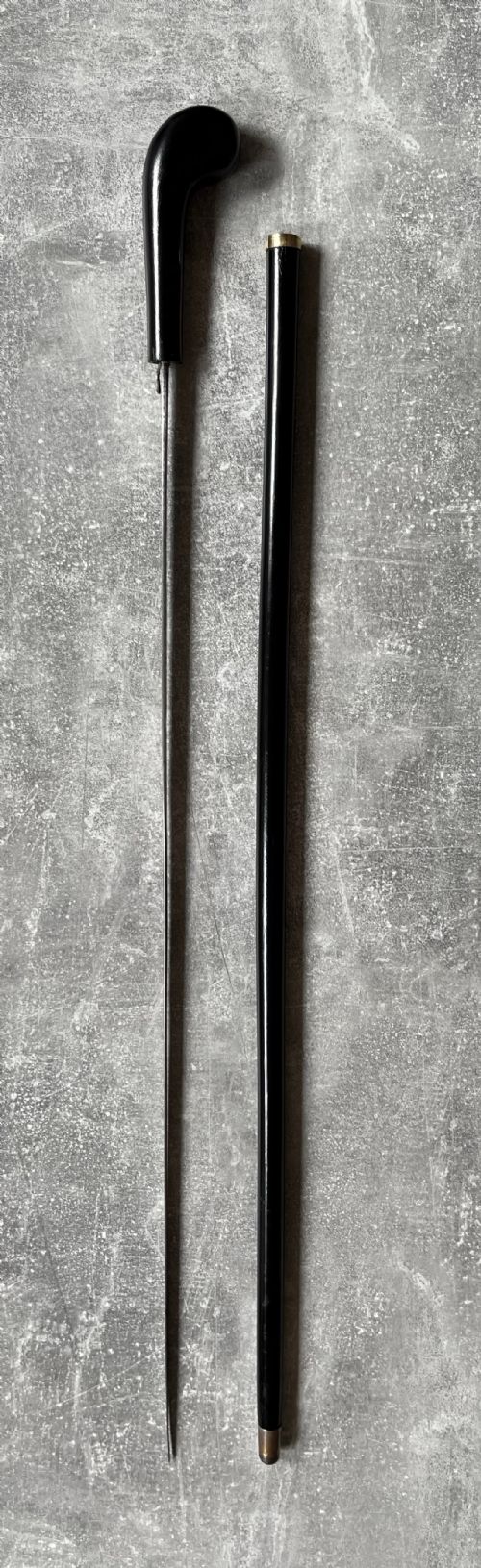
Sword Stick Weapon
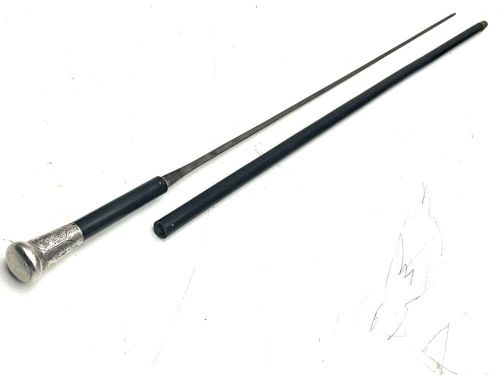
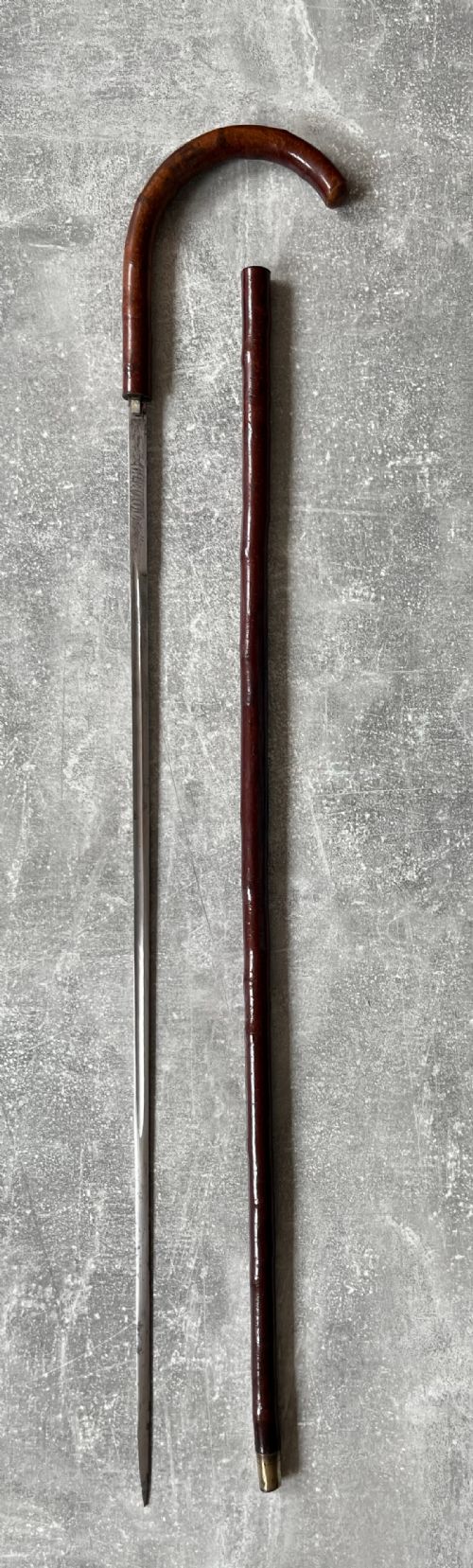
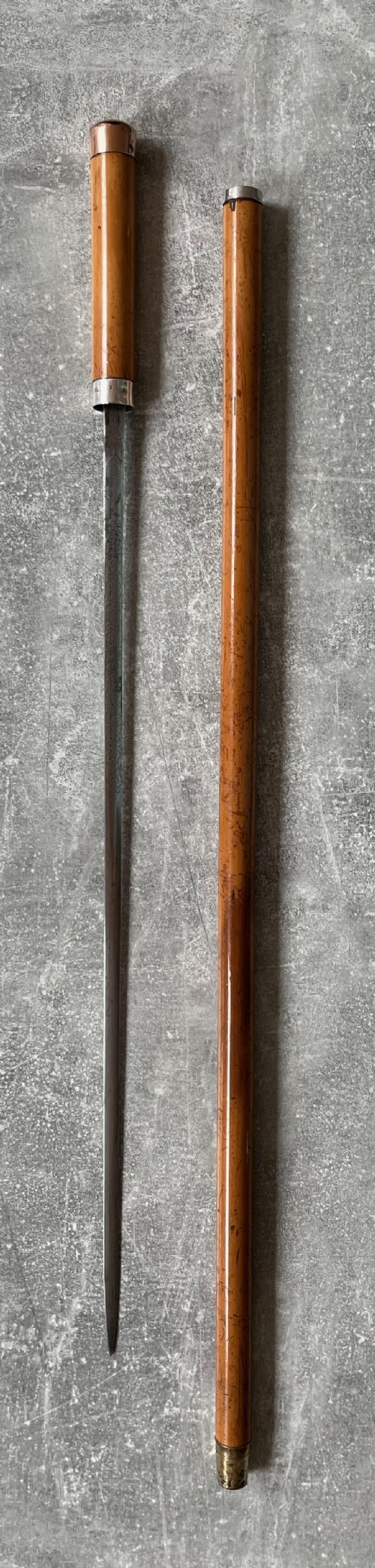
When you handle a sword stick weapon, you hold a discreet nineteenth or early twentieth-century gentleman's accessory concealing a functional steel blade.
Sword Stick Weapon
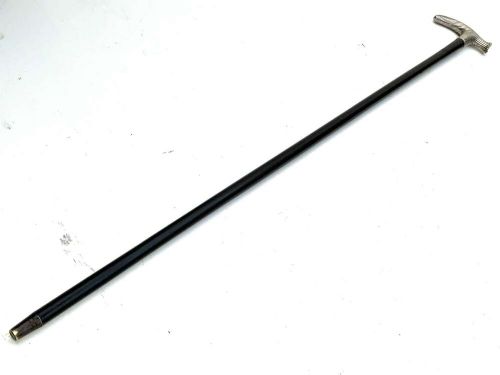
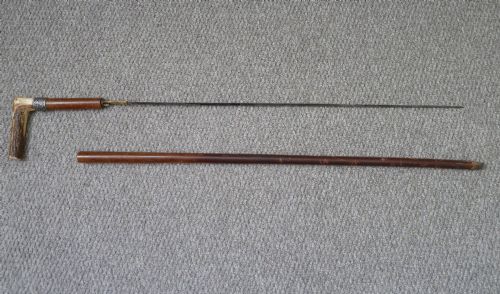
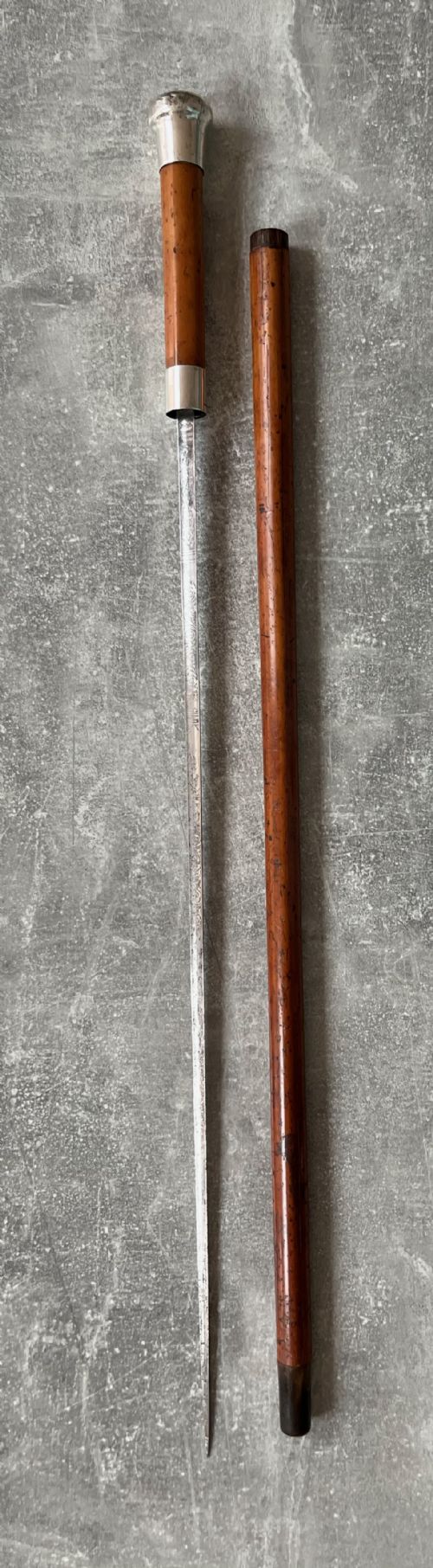
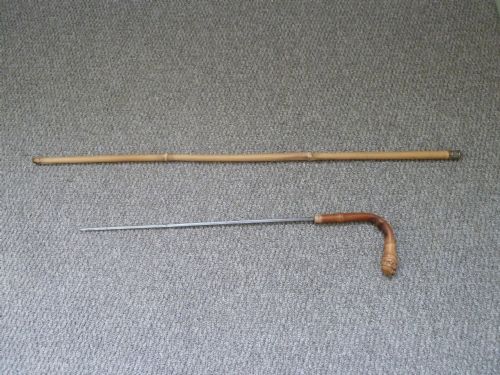
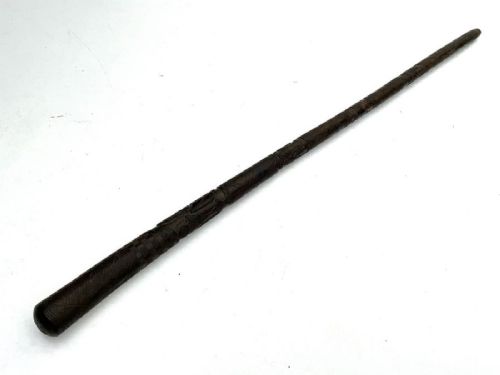
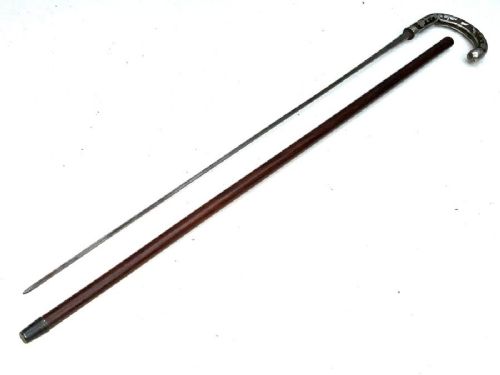
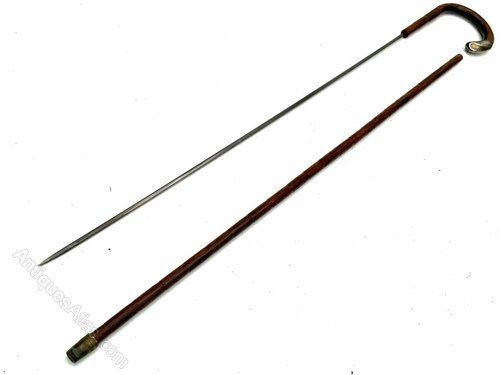
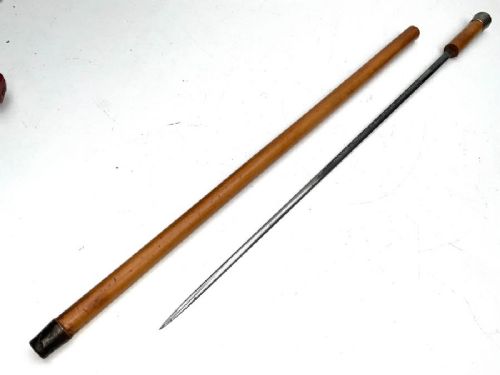
A sword stick weapon combines a traditional walking stick or cane with a concealed steel blade, designed for personal defence or gentlemanly fashion during the Victorian, Edwardian, and late nineteenth periods. The forms range from simple wooden shafts to elaborate pieces featuring masonic emblems, silver mounts, and crook handles.
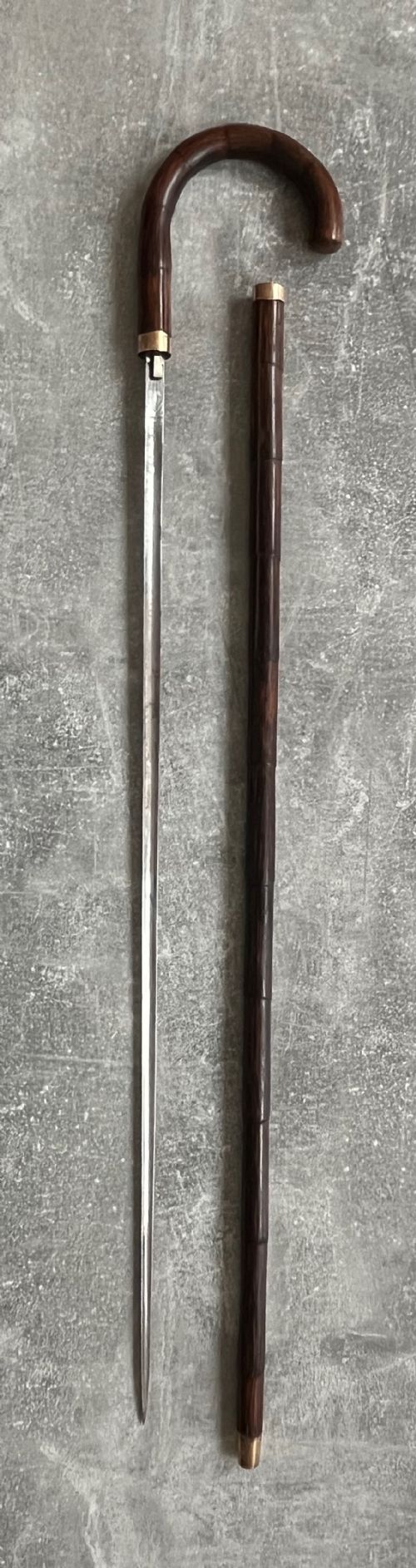
You will most commonly meet pieces fashioned from malacca cane, bamboo, ebonised wood, and various hardwoods such as rosewood, partridge wood, and cherrywood. Handles vary from horn and antler to root ball grips and silver knops.
The origins span British, French, and Japanese traditional craftsmanship, often housing blades produced by renowned makers such as Wilkinson or forged in Toledo. These dual-purpose items served as both functional walking aids and hidden personal armament for the Victorian gentleman.
How They Were Made
Makers fashioned the outer shafts from natural materials including malacca, bamboo, hazel, holly, and chestnut, frequently integrating horn, leather, snakeskin, or precious metal collars for grip and ornamentation. The internal mechanism relied on a secure friction fit or screw joint to keep the hidden blade firmly housed within the wooden haft.
The concealed blades were forged from quality steel, often sourced from Toledo or stamped by makers like Wilkinson, then fitted precisely into the bored-out centre of the wooden shaft. Artisans finished the exteriors with silver mounts, gold-coloured collars, and carved handles made from antler, horn, or root wood.
Sword Stick Weapon Retail Price Guide 2026
Typical asking prices for sword stick weapon among the pieces listed under this phrase on Sellingantiques today, from the lower quarter to the upper quarter. They describe what is for sale here now, not the wider market.
Listings feature pieces from the Victorian and Edwardian periods, utilising steel, brass, silver, horn, and various hardwoods.
What Varies in Quality
Quality rests upon the pedigree of the blade steel and the integrity of the shaft construction, where named blades like those from Wilkinson or Toledo separate standard items from finer works. The precision of the join between the handle and shaft dictates how seamlessly the weapon conceals its dual nature.
Superior examples incorporate premium materials such as solid silver mounts, gold collars, and distinct handle formations like root balls or carved horn, whereas simpler pieces rely on plain hardwood or faux bamboo. The execution of decorative elements, including masonic insignia or detailed leather and snakeskin coverings, marks the upper tier of production.
Wilkinson·Kashi Japanese Masters·Brigg
The Sword Stick Weapon Glossary
- Wilkinson blade
- A steel blade produced by the renowned British sword-making firm, often found in high-grade nineteenth-century pieces. These blades carry the mark of established craftsmanship and superior temper.
- Toledo blade
- A steel blade forged in the Spanish city known historically for sword manufacture. Such blades indicate continental origin and traditional metalworking techniques.
- Malacca cane
- A resilient and glossy rattan stem imported from Southeast Asia, favoured for walking stick shafts. Its natural joints and warm tone make it a premier material for concealed weapons.
- Knop
- A rounded knob or ornamental handle fitted to the top of a stick. Silver and horn knops provide a tactile grip for the user.
- Bokken
- A Japanese wooden training sword, representing the traditional martial forms occasionally found alongside Western walking weapons. It reflects the cross-cultural diversity of edged wooden items from the era.
Sword Stick Weapon: Frequently Asked Questions
What is a sword stick weapon?
A sword stick weapon is a gentleman's walking stick or cane with a hidden steel blade concealed inside the wooden shaft. They were carried during the Victorian and Edwardian eras for fashion and personal protection.
The exterior appears as an ordinary walking cane, often featuring handles made of horn, wood, or antler, while the interior houses a functional dagger or sword blade secured by a friction fit.
How do you open a sword stick?
Most sword sticks open by releasing a catch, unscrewing the collar, or giving a firm pull to separate the handle from the shaft. The concealed blade slides smoothly out from the hollow interior of the cane.
Owners should handle the release mechanism with care to avoid damaging the internal wooden channel or the mountings that secure the handle to the blade tang.
What woods were used for these canes?
Makers utilised a variety of dense and flexible timbers, including malacca cane, bamboo, ebonised wood, rosewood, partridge wood, hazel, holly, and chestnut. Some pieces also featured leather or snakeskin coverings over a wooden haft.
Exotic woods like malacca and bamboo were especially popular for their strength-to-weight ratio, allowing the shaft to remain slender while housing a rigid steel blade within.
How do I date an antique sword stick?
Dating relies on stylistic markers, hallmarks on silver mounts, blade stamps, and the materials used. Victorian and Edwardian examples often feature specific handle carvings, metal collars with assay marks, or signatures from makers like Wilkinson.
Examining the construction methods, such as the type of locking mechanism and the wear on the wooden tip, also helps place the piece within the nineteenth or early twentieth century.