

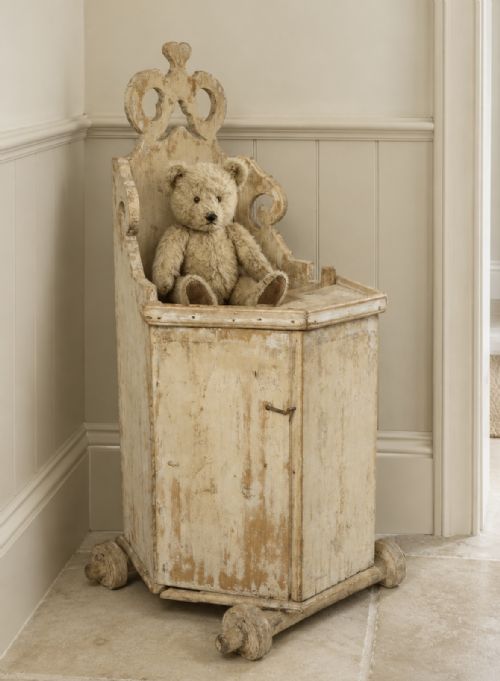


Swedish Wooden Seating
Swedish wooden seating brings functional Scandinavian country character and classical Gustavian elegance into modern rooms through time-worn pine, birch and painted surfaces.
Swedish Wooden Seating
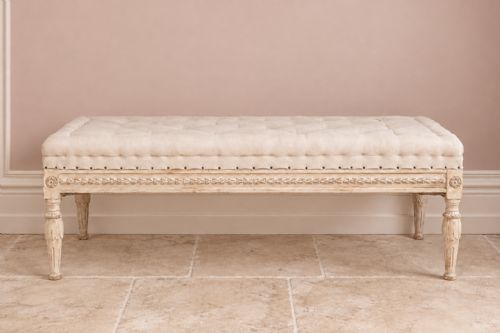
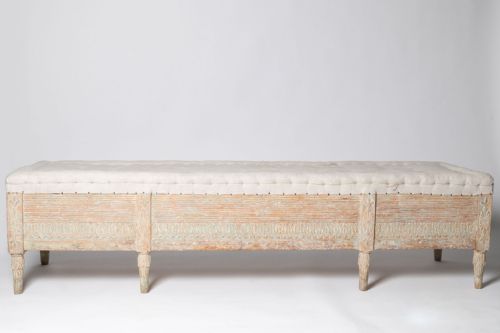
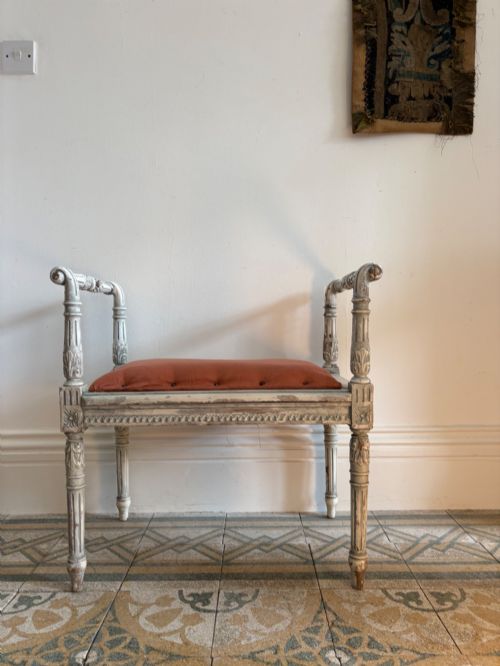
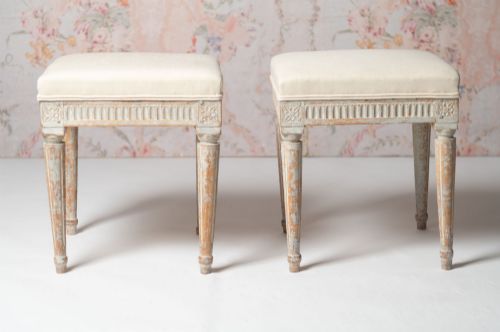
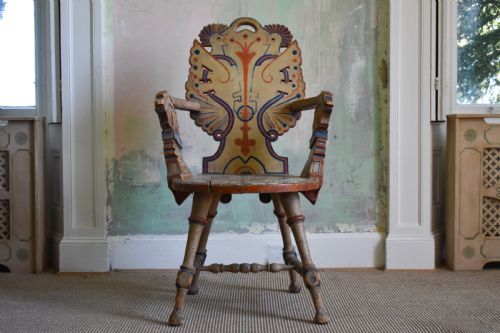
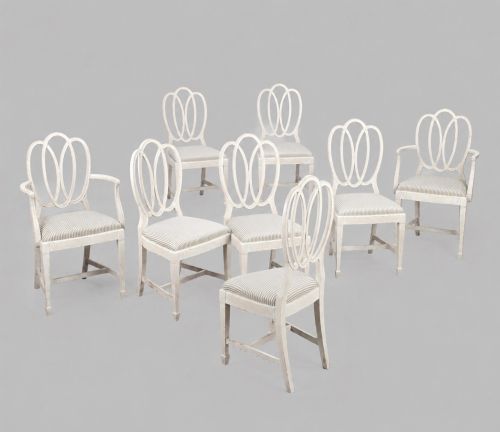
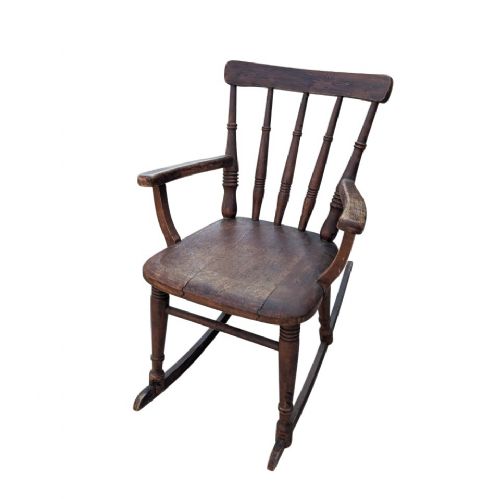
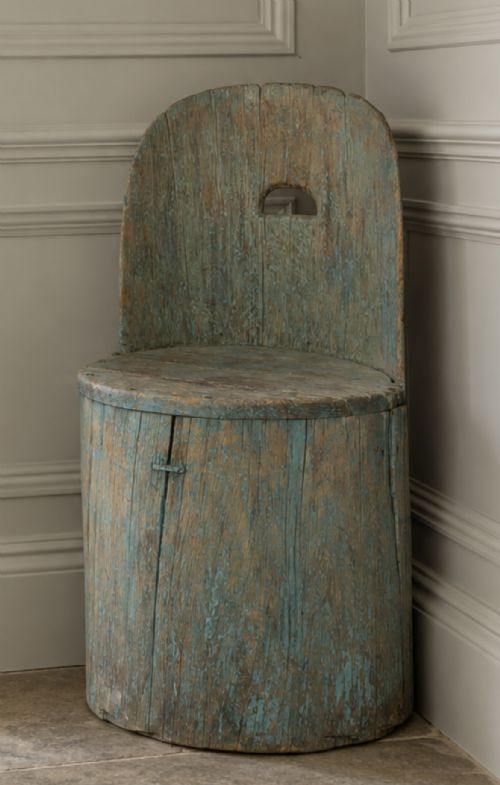
When you search for swedish wooden seating, you encounter a diverse range of domestic forms spanning centuries of Nordic craftsmanship. The selection relies heavily on practical household furniture, with benches, settees, stools and armchairs forming the core of the inventory.
Stools and long benches appear frequently alongside painted pine settees and dining chairs. These objects range from rustic folk art pieces to refined neoclassical seating influenced by continental royal courts.
Materials and construction
Makers primarily utilised locally available softwoods and hardwoods, turning to pine and birch for structural stability and everyday utility. Surfaces were frequently treated with layered paint finishes, showing subtle patination built up through generations of domestic use.
Upholstery materials such as linen, silk and plain fabric were integrated into padded seats on armchairs and stools. Simple carved details, ebonised accents and turned bobbin elements define the decorative vocabulary of these pieces.
Swedish Wooden Seating Retail Price Guide 2026
Typical asking prices for swedish wooden seating among the pieces listed under this phrase on Sellingantiques today, from the lower quarter to the upper quarter. They describe what is for sale here now, not the wider market.
Listings span the eighteenth, nineteenth and early twentieth centuries, featuring pine, birch and painted wood across diverse forms.
Assessing quality in Swedish seating
Quality rests upon the integrity of the original timber frame and the survival of early painted surfaces. Pieces that retain their primary pigment display a depth of character distinct from later repainted examples.
Proportion and joinery differentiate standard vernacular items from ambitious stylistic interpretations. Refined Gustavian curves and precise hand-carving elevate certain armchairs and settees above simple utilitarian forms.
The Swedish Wooden Seating Glossary
- Gustavian
- The Swedish neoclassical style developed during the late eighteenth century. It combines classical French motifs with restrained Nordic simplicity.
- Settle
- A wooden bench featuring high backs and solid arms designed to block draughts in traditional interiors. Many examples incorporate hinged seats revealing storage space beneath.
- Biedermeier
- A popular nineteenth-century Central European and Scandinavian design movement emphasising utilitarian comfort and clean architectural lines. Birchwood veneers and ebonised details frequently characterise this aesthetic.
- Pine
- A resilient softwood widely utilised across Scandinavian furniture making. It accepts paint readily and serves as the primary ground for regional folk decoration.
- Bobbin
- A turned furniture component resembling a string of spools. This decorative turning style appears frequently on nineteenth-century country armchairs.
Swedish Wooden Seating: Frequently Asked Questions
How do I spot a Gustavian piece?
Gustavian seating displays classical symmetry, fluted legs and understated carved motifs inspired by French court taste. The aesthetic remains lighter and more restrained than continental equivalents.
Original pieces often feature pale painted finishes and simple linen or silk upholstery.
Where were settle benches placed?
Settle benches traditionally stood near farmhouse hearths or in hallways to shield inhabitants from cold draughts. Their high solid backs and enclosed bases kept living spaces warm.
Storage benches additionally doubled as household chests for blankets and winter provisions.
Are painted finishes usually original?
Many surviving pieces retain early or original paint layers that have softened and patinated over decades. Certain items received subsequent coats of paint during later domestic updates.
Examining surface wear and pigment adherence helps distinguish primary finishes from modern applications.
How do I care for antique pine?
Antique pine furniture requires stable indoor humidity and protection from direct sunlight to prevent timber splitting. Gentle dusting with a dry cloth preserves delicate painted surfaces.
Avoid chemical polishes that can penetrate porous historic paint layers and alter the patina.