



Swedish Kitchen Table
A swedish kitchen table brings robust scandinavian utility and pale painted timber straight into the heart of the home.
Swedish Kitchen Table
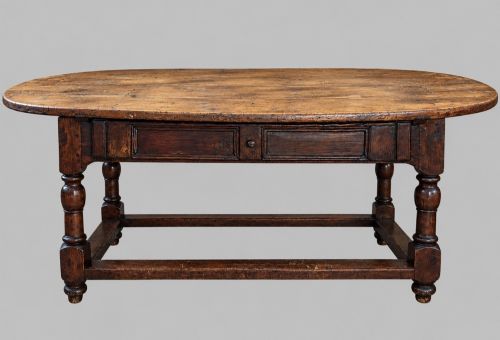
A swedish kitchen table unites practical domestic utility with the straightforward lines of scandinavian country design. Buyers searching for a swedish kitchen table will find that nineteenth-century pine forms dominate the selection, often finished in layers of historic paint or left as weathered timber.
The offerings span robust trestle frames, bakers tables, and drop-leaf formats suited to domestic preparation work. Pieces emerge from the eighteenth century through to nineteen-forty, reflecting enduring regional carpentry traditions from scandinavian country and gustavian styles.
Materials and construction
Carpenters relied on domestic softwood and pine timber, occasionally incorporating oak for greater structural endurance in heavy-use preparation tables. Brass hardware appears selectively, while timber surfaces receive protective coats of traditional paint, including distinctively pigmented falu paint.
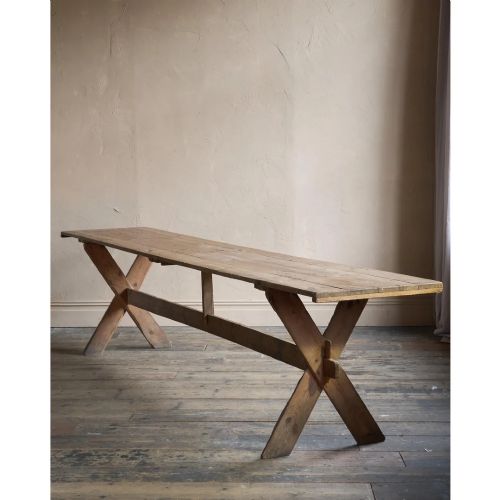
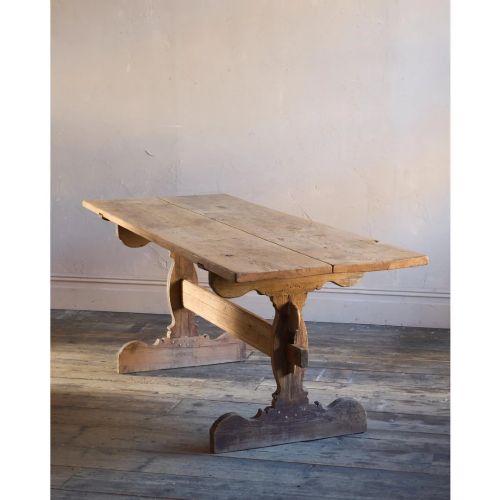
Joinery focuses on functional strength, utilising trestle supports and x-frames to bear the daily demands of baking and food preparation. Painted finishes are applied directly to softwood boards, accumulating a rich patina over decades of domestic service.
Swedish Kitchen Table Retail Price Guide 2026
Typical asking prices for swedish kitchen table among the pieces listed under this phrase on Sellingantiques today, from the lower quarter to the upper quarter. They describe what is for sale here now, not the wider market.
Paint treatments recorded on these tables include traditional falu paint alongside general painted wood surfaces and weathered timber.
Evaluating the standard
Quality rests in the integrity of the original timber and the survival of early painted surfaces rather than smooth factory perfection. Tables retaining their original falu paint or historic layered pigments command greater interest than stripped pine variants.
Proportion and structural honesty separate everyday utility pieces from finer country examples, particularly where trestle or x-frame joints remain tight and unaltered. The depth of the natural weathering on top boards indicates how heavily the timber was worked across generations.
The Swedish Kitchen Table Glossary
- Falu paint
- A traditional deep red or earthy paint derived from copper mine waste in sweden, frequently used to protect exterior and interior softwood timber.
- Trestle table
- A sturdy table construction featuring horizontal beams supported by two trestle feet, common in historic kitchen and preparation furniture.
- X-frame
- A structural base design formed by intersecting timber braces in the shape of an X, providing robust lateral stability.
- Preparation table
- A heavy-duty work table specifically built for domestic tasks such as baking and food preparation, often featuring scrubbed pine tops.
- Gustavian
- The neoclassical design style popular in sweden during the late eighteenth century, characterised by restrained ornamentation and pale painted finishes.
Swedish Kitchen Table: Frequently Asked Questions
How were these tables used originally?
Historically, families utilised these surfaces for rigorous daily chores, including kneading bread dough, preparing meat, and general baking. Bakers tables and preparation variants were built specifically to withstand heavy manual labour.
Over decades of continuous domestic service, the softwood boards absorbed flour, water, and repeated scrubbings, creating the distinct weathered appearance seen today.
Are painted finishes original?
Many nineteenth-century examples retain layers of historic paint, including traditional falu paint or muted Scandinavian pigments applied directly to the pine. These coatings have often aged and worn naturally through decades of use and cleaning.
Surviving early paint adds significant character to the timber, distinguishing untouched regional pieces from those stripped down to raw wood in later years.
How do I care for a pine table?
Living with historic softwood requires simple maintenance to protect the dry timber and fragile painted surfaces from excessive moisture and heat. Regular dusting with a dry cloth keeps the surface clean without stripping the historic patina.
Using protective mats and avoiding harsh chemical cleaners will help preserve the original character of nineteenth-century scrubbed pine and painted timber.