

Styled Table Lamps
Styled table lamps bring period character and ambient light to a room, spanning Edwardian oak designs and French porcelain pieces.
Styled Table Lamps
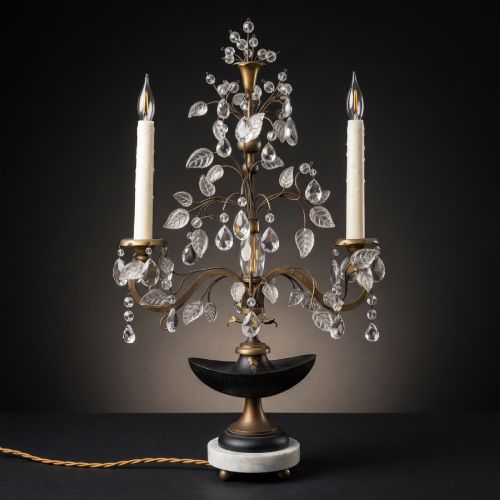
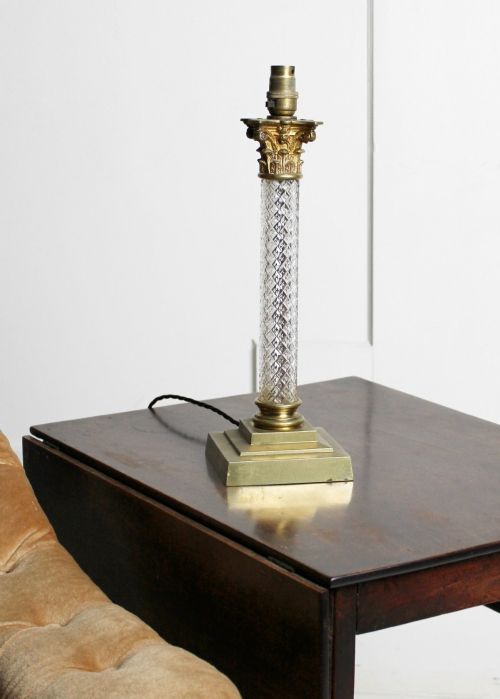
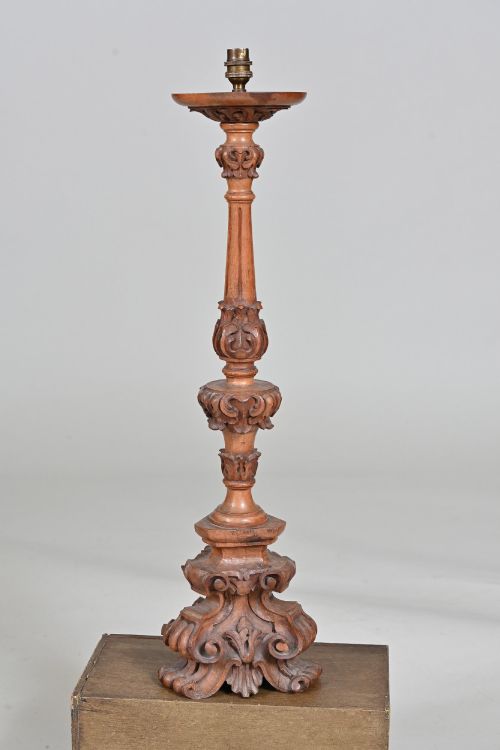
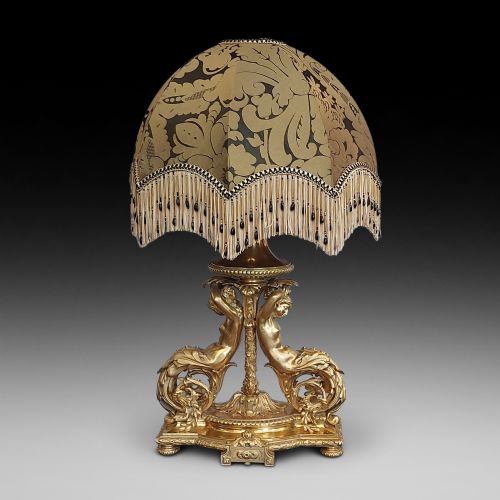
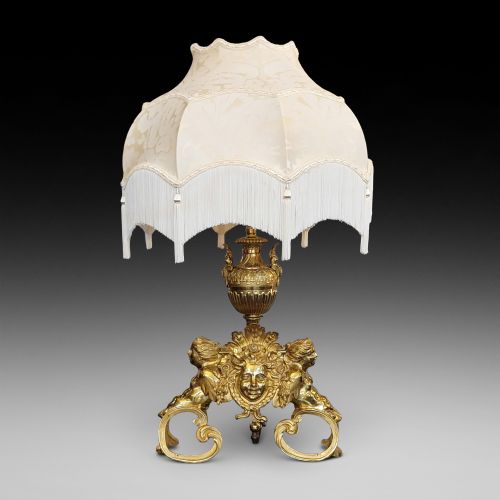
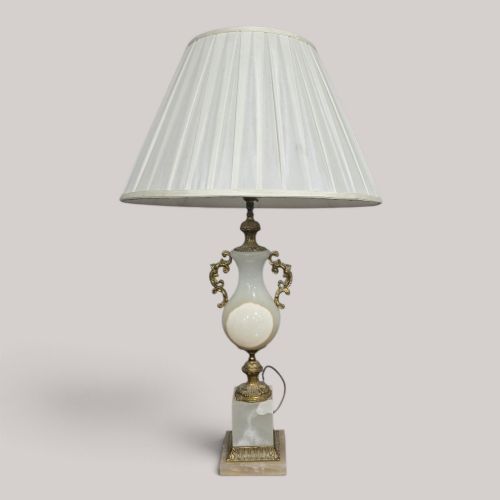
Styled table lamps encompass functional lighting mounted on brass bases, alongside versatile occasional tables, side tables, and candlesticks adapted for lighting. When buyers search for styled table lamps, they encounter a diverse selection reflecting different historical revivals and domestic uses.
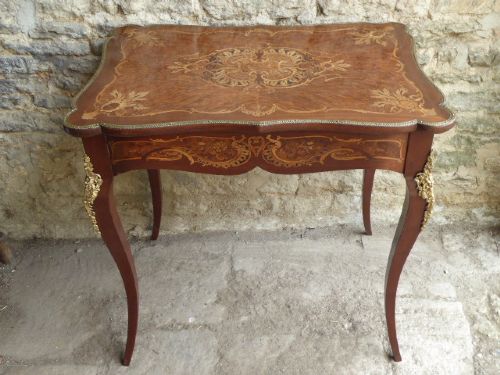
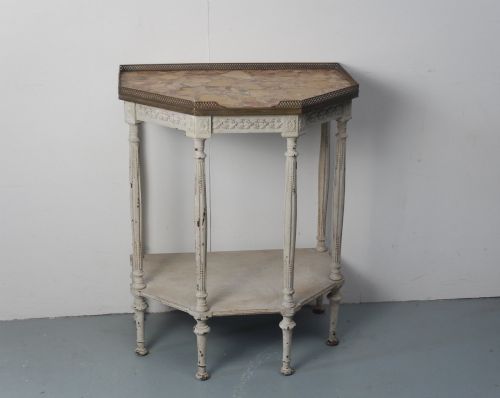
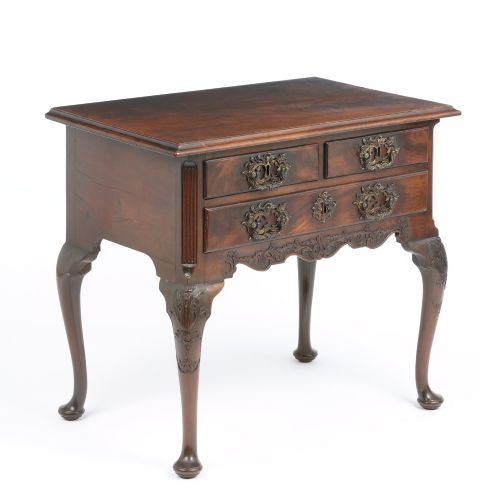
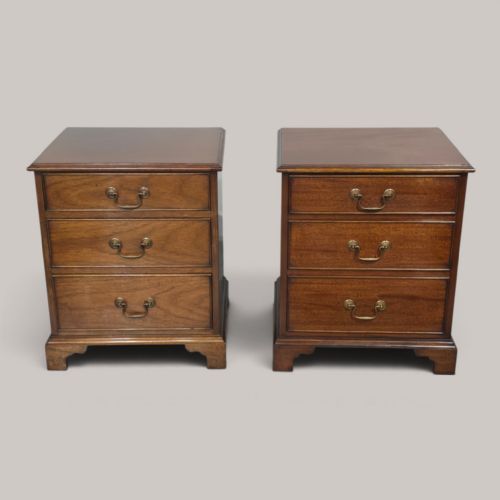
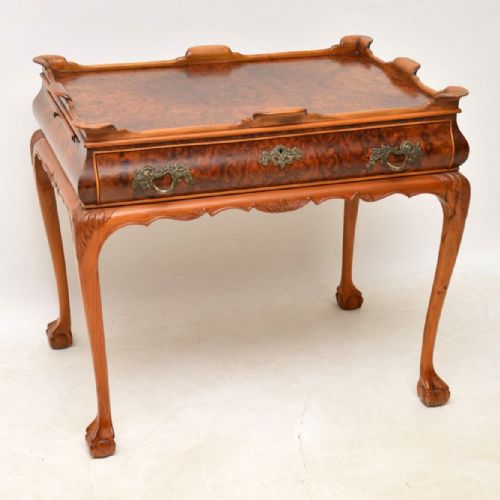
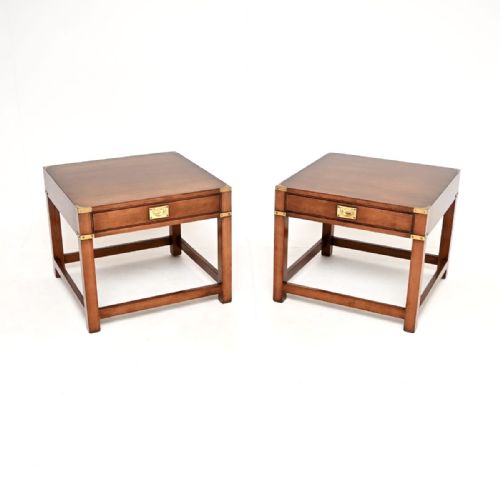
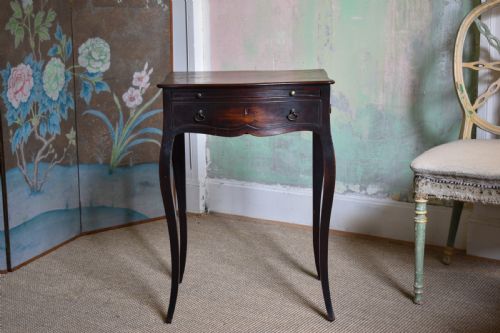
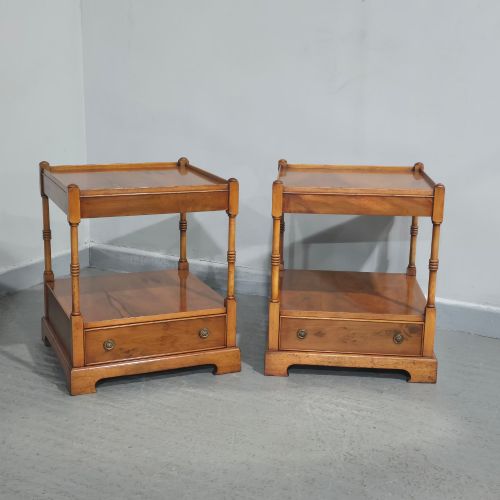
The pieces appearing on this page draw upon traditional forms such as lamp tables, wine tables, and bedside tables originating across the nineteenth and twentieth centuries. Makers often adapted smaller tables and candlesticks, pairing materials like mahogany, oak, and Paris porcelain with fabric elements to create functional lighting.
How they were made
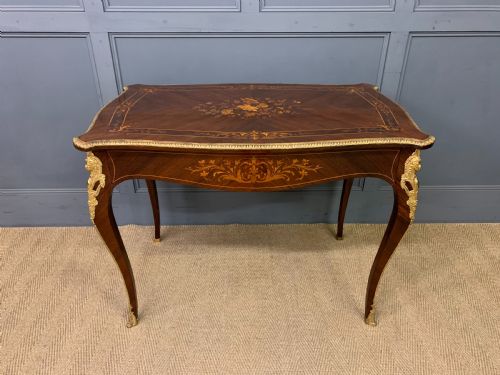
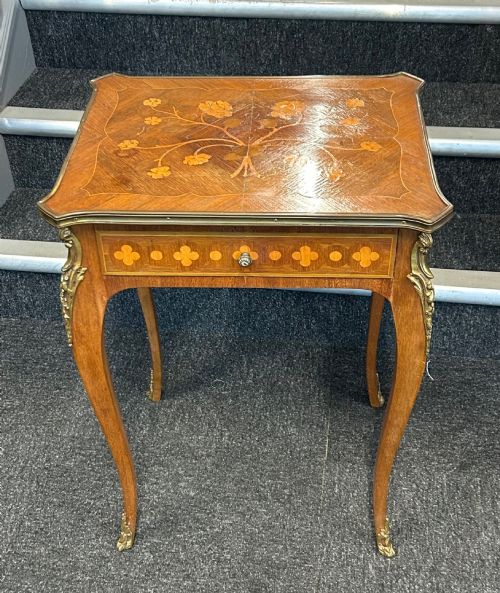
Construction relies upon traditional timbers including mahogany, oak, walnut, rosewood, and fruitwood, shaped into tripod supports, hexagonal tops, and bobbin-turned legs. Cabinetmakers utilised marquetry inlay, satinwood, and ormolu mounts to embellish surfaces.
Metal components incorporate cast brass and silver plating, whilst ceramic elements draw upon Paris porcelain and Chinoiserie traditions. Lamps often integrate fabric shades with solid timber bases, gilded bronze, and porcelain bodies.
Styled Table Lamps Retail Price Guide 2026
Typical asking prices for styled table lamps among the pieces listed under this phrase on Sellingantiques today, from the lower quarter to the upper quarter. They describe what is for sale here now, not the wider market.
Styles represented include Arts and Crafts, Chinoiserie, Regency, and French Rococo revivals applied to tables and lighting.
What varies in quality
Quality rests in the precision of the timber selection, such as figured mahogany or golden oak, and the crispness of carved details like cabriole legs and serpentine edges. The integration of brass mounts, marquetry inlay, and porcelain finishing distinguishes finer examples.
Construction methods determine durability, visible in the stability of tripod bases, the fit of nesting tables, and the execution of decorative turnings. Pieces reflecting specific stylistic movements, such as Arts and Crafts or French Rococo revival, depend on proportional harmony.
Leonard Wyburd·Juste-Aurèle Meissonier
The Styled Table Lamps Glossary
- Ormolu
- Gilded bronze applied as a decorative mount on furniture and lamp bases. It provides a bright metallic contrast to dark timbers like mahogany.
- Chinoiserie
- European artistic style reflecting Chinese motifs and decorative techniques. It appears on ceramic lamp bodies and painted surfaces.
- Tripod
- A three-legged support base commonly found on lamp and wine tables. This configuration ensures stability on uneven floors.
- Marquetry
- Decorative veneer work arranged in patterns using various wood types. It is often seen on Edwardian lamp and occasional tables.
- Bobbin-turned
- Formed by turning wood on a lathe into a series of rounded, spool-like shapes. This technique frequently appears on seventeenth-century style supports.
Styled Table Lamps: Frequently Asked Questions
What periods do these lamps and tables represent?
The selection spans pieces from the eighteenth century through the Edwardian era and into the 1920s and 1930s. Styles frequently reference earlier periods including Jacobean, Regency, and French Rococo.
Craftsmen drew upon historic designs while adapting forms for contemporary domestic lighting and occasional use. Dates reflect both original manufacture and revival periods.
How were table lamps and side tables used?
Table lamps provided task and ambient lighting in reception rooms and bedrooms, often placed upon side tables or bedside tables. Occasional tables and wine tables served flexible functions around the home.
Many lighting pieces incorporate converted candlesticks or work in pairs to flank seating areas and fireplaces.
What materials are common in these listings?
Solid and veneered timbers dominate the construction, including mahogany, oak, walnut, rosewood, satinwood, and fruitwood. Metal elements feature brass, silver plating, and ormolu.
Ceramic components include Paris porcelain alongside fabric elements used for shades. These materials often appear combined within single pieces.