




Stripped Pine Panelling
Stripped pine panelling brings honest grain and warmth to a room, offering adaptable timber furniture and architectural elements that suit traditional and modern interiors alike.
Stripped Pine Panelling
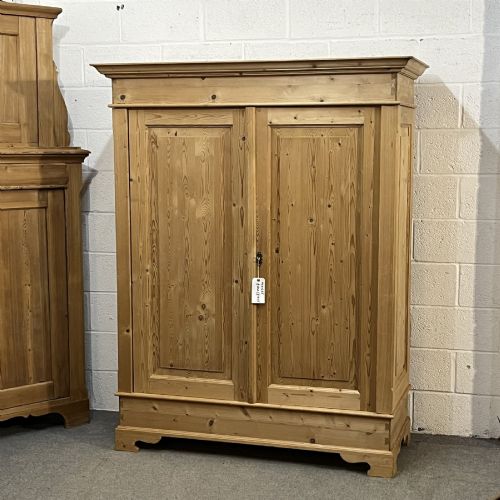
When you search for stripped pine panelling, you encounter a selection of solid timber furniture and architectural fittings built from pine. These pieces originate across the Georgian, Victorian, nineteenth century, and nineteen-thirties periods, showing the enduring utility of this softwood.
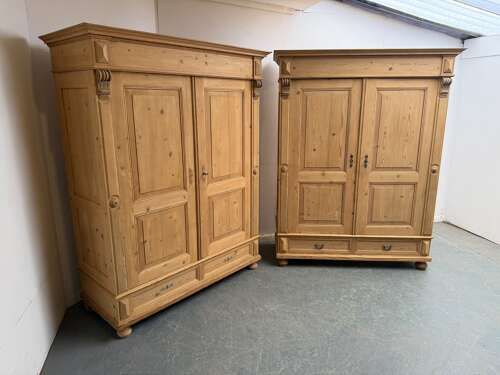
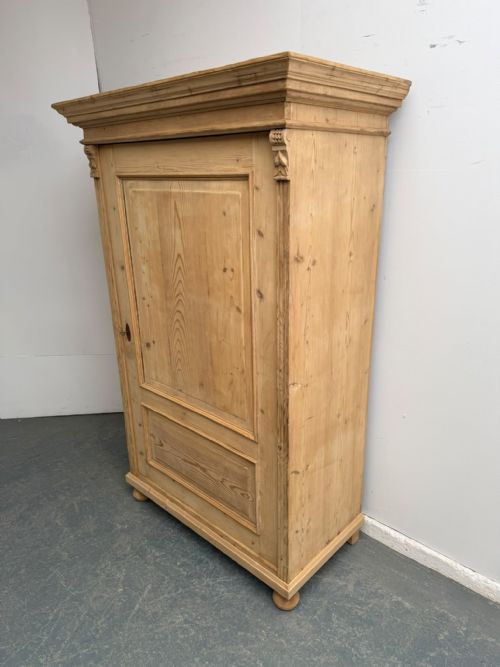
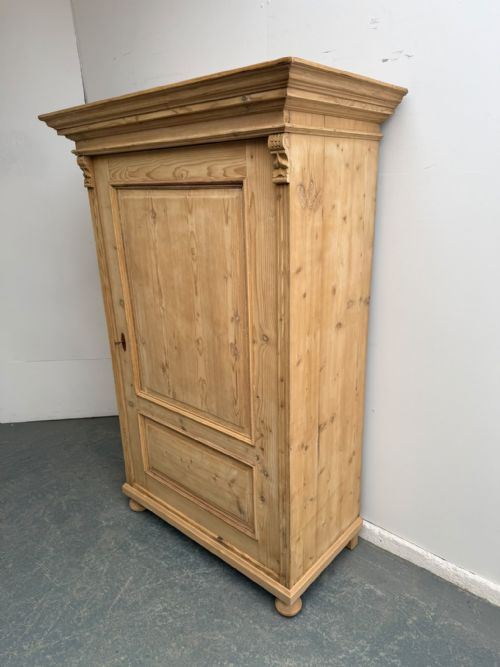
The objects listed here span several functional forms, featuring knockdown wardrobes, single and double door storage cupboards, armoires, internal doors, and panelled office desks. Many pieces retain a raw or prepared surface ready to wax or paint according to your interior scheme.
You are most likely to meet Victorian and Georgian pieces on this page, often reflecting country or traditional rustic farmhouse styles. These items range from low cottage cupboards to large multi-door wardrobes and etched glass doors.
How they were made
Carpenters constructed these items primarily from solid pine, utilising timber boards shaped with fielded panels for doors and cabinetry. The construction often incorporated knockdown designs, allowing large wardrobes to be dismantled easily for transport and reassembly.
Metal components such as iron and brass hardware provided structural reinforcement and operational fittings, while specialised architectural elements like internal doors incorporated etched glass panels. Surfaces were traditionally left ready for finishing, allowing owners to apply wax or paint to the bare pine.
Stripped Pine Panelling Retail Price Guide 2026
Typical asking prices for stripped pine panelling among the pieces listed under this phrase on Sellingantiques today, from the lower quarter to the upper quarter. They describe what is for sale here now, not the wider market.
Listings feature pine, iron, brass, and etched glass across Victorian, Georgian, and nineteen-thirties pieces.
What varies in quality
The standard of a piece rests in the integrity of its timber construction and the proportion of its joinery. Better examples display careful framing, sound fielded panelling, and well-fitted doors that maintain their alignment over time.
Quality also shows in the retention of original hardware, such as brass or iron fastenings, and the clarity of decorative details like etched glass. Pieces that survive with their original knockdown mechanisms intact represent superior utility and craftsmanship.
The Stripped Pine Panelling Glossary
- Fielded panel
- A wooden panel with bevelled or thinned edges that fit into a surrounding groove, commonly seen on cupboard doors.
- Knockdown
- A piece of furniture designed to be taken apart and reassembled easily using pegs, bolts, or slots without permanent fixings.
- Etched glass
- Glass treated with acid or abrasives to create opaque decorative patterns, frequently found on period doors.
- Pine
- A softwood derived from conifer trees, widely utilised in British furniture and architectural joinery for its workability and distinct grain.
Stripped Pine Panelling: Frequently Asked Questions
What periods do these pine pieces come from?
The inventory on this page spans several distinct eras, notably the Georgian and Victorian periods, along with nineteenth-century examples and nineteen-thirties items. Each era brings specific proportions and construction methods to the furniture and doors.
Identifying the period relies on observing the joinery style, panel profiling, and hardware choices. Victorian and Georgian pieces frequently display traditional farmhouse or regional country characteristics.
How were knockdown wardrobes used?
Knockdown wardrobes provided substantial hanging and storage space in period bedrooms while allowing owners to dismantle the frame for relocation. This modular construction was particularly practical for large pieces of furniture.
These wardrobes were built to be assembled using interlocking sections or simple fixings, making them versatile for homes with narrow staircases or restricted access.
Can I paint or wax these pieces?
Most of these items are offered in a stripped timber state specifically prepared for finishing with wax or paint. This allows you to match the wood tone or colour to your existing interior decoration.
Applying wax preserves the natural grain and colour of the pine while developing a soft sheen over time. Alternatively, painting provides a traditional or contemporary finish suited to cupboards and doors.
What items are included in this category?
The category encompasses a variety of storage and architectural pieces, including double and single door wardrobes, storage cupboards, armoires, and office desks. Internal doors featuring etched glass are also represented.
These objects combine functional utility with traditional timber construction, making them suitable for everyday use in bedrooms, bathrooms, and studies.